
Choosing the right cabin tent shapes how a weekend actually feels at the campsite. The right shelter keeps gear dry, fits the whole crew, and pitches before daylight fades, while the wrong one turns setup into a wrestling match. This roundup focuses on cabin-style tents with near-vertical walls, generous headroom, and layouts that work for families, couples, and small groups. Each pick earns its place on the list for a specific reason: some trade weight for comfort, others trade footprint for storage. Match the tent to the trip, and the rest of the weekend takes care of itself.
The Picks In Brief

RBM Outdoors Panda Canvas Inflatable Tent with Stove Jack

Coody Premium Inflatable Tent with Stove Jack

Kodiak Canvas Flex-Bow Deluxe Camping Tent
CORE Instant Cabin Tent with Storage Pockets
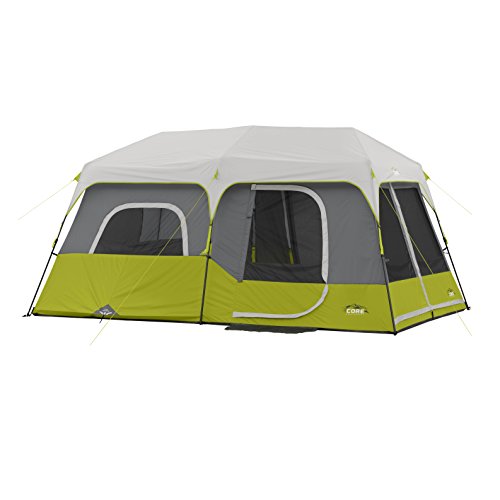
CORE 9 Person Instant Cabin Tent, 14′ x 9′
KTT Extra Large 8-10 Person Family Tent (Style A)
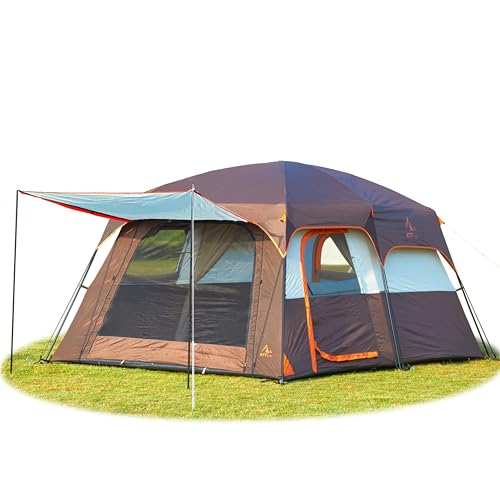
KTT Extra Large 10-12 Person Family Tent (Style B)

CORE 4 Person Instant Cabin Tent Camping Set
A Deeper Look At The Lineup
The Panda Canvas Inflatable Tent from RBM Outdoors leans into the glamping side of cabin-style camping. Its inflatable air-frame structure replaces traditional poles, so pitch time drops significantly and the setup process feels closer to inflating a large air mattress than wrestling fiberglass. The integrated stove jack is the standout detail: it lets you safely route a tent stove pipe through the wall, opening up cold-weather and shoulder-season trips that most cabin tents can’t handle.
Canvas construction breathes more effectively than typical polyester shells, which means morning condensation stays manageable even with multiple sleepers. For weekend camping, road trips, or small glamping setups where comfort matters more than ultralight weight, this tent reshapes what a cabin-style shelter can do.
The Upside
- Inflatable air frame pitches faster than pole-based cabin tents and reduces setup stress for solo campers
- Stove jack enables safe use of a wood-burning tent stove, extending the camping season into colder months
- Breathable canvas regulates interior humidity better than standard polyester cabin tents
- Stable structure once inflated, handling wind loads without the constant re-tensioning pole tents demand
- Compact footprint when packed, easier to fit in a vehicle alongside other gear
Things To Consider
- Heavier than ultralight backpacking options and best suited for car camping
- Canvas requires thorough drying before storage to prevent mildew on the fabric
- Stove use requires additional accessories and ventilation awareness that beginners may underestimate
Key Specs
Made For
Campers who want canvas comfort with cold-weather capability and don’t mind a heavier pack size.
Where Another Pick Suits Better
The Kodiak Canvas Flex-Bow Deluxe is the better match if you prefer a traditional pole-and-frame setup and want proven long-term canvas durability.
Coody’s premium inflatable tent aims at campers who treat the campsite as an outdoor living room rather than a temporary sleeping spot. The breathable TC cotton-poly blend handles humidity better than synthetic shells, keeping interior air fresher on warm mornings when cheaper tents feel sticky. Compared to the RBM Panda covered just above, this one prioritizes livable interior space over raw cold-weather extremes.
The included stove jack matches what you get on the Panda, so shoulder-season camping stays on the table. What separates the two is layout: Coody’s design favors group comfort, so families and friend groups can actually move around inside without tripping over each other or over gear piled near the walls.
Positive Takeaways
- TC cotton-poly blend breathes well, reducing that clammy morning feeling common with all-polyester tents
- Inflatable frame speeds setup and teardown compared to traditional pole cabin designs
- Interior layout supports genuine movement, not just sleeping space
- Stove jack extends usable season for cool-weather and shoulder trips
Worth Noting
- Pack weight and bulk make this a car-camping shelter, not a backpacker’s choice
- TC fabric needs full drying before long-term storage to prevent odor and mildew
- Higher learning curve than instant-pitch tents for first-time inflatable users
Built With In Mind
Families or small groups planning longer stays who want livable comfort rather than a quick overnight shelter.
A Better Fit Elsewhere
The CORE 9 Person Instant Cabin Tent is the smarter choice when pitch speed matters more than material quality.
The Kodiak Canvas Flex-Bow Deluxe is the most traditional tent on this list, and that’s its biggest selling point. Built from Hydra-Shield cotton duck canvas, it uses a flexible bow frame that keeps the walls taut without the creaking that heavier rigid-pole designs often produce. The 6’6″ ceiling height is the real headline: most adults can stand fully upright inside, which sounds minor until you spend a rainy weekend changing clothes in a crouch.
Two large D-shaped doors and four mesh windows make cross-ventilation genuinely workable in warm weather. Where the inflatable options above pitch in minutes, this one trades speed for proven longevity, and Kodiak’s canvas tents have a strong reputation for surviving a decade of regular use.
Bright Spots
- 100% cotton duck canvas with Hydra-Shield treatment: watertight yet breathable for long-term comfort
- Walk-around 6’6″ ceiling height, comfortable for tall campers
- Two D-shaped doors with heavy-duty YKK zippers for reliable entry and exit
- Flex-bow frame keeps walls taut in wind without constant re-tensioning
- 10 ft x 10 ft floor footprint fits a family of four plus gear
Honest Caveats
- Heavier than modern inflatable designs and requires more storage space
- Canvas demands complete drying before packing to avoid mildew between trips
Feature Snapshot
Right Fit For
Traditional canvas tent fans who want long-term durability and don’t mind a longer pitch time.
Not Your Match When
The CORE Instant Cabin line is a better fit for campers who want to roll into a site and pitch in minutes.
CORE’s Instant Cabin line takes the opposite approach from the canvas and inflatable models above. Pre-attached telescoping poles let you unfold, extend, and lock the tent into place in a fraction of the time traditional designs demand. That pitch speed matters most for families arriving at a campground after dark or for anyone who dreads tent setup as the worst part of a trip.
The multi-room configuration and included storage pockets keep the interior organized in ways basic cabin tents rarely match. Compared to the Coody covered earlier, you trade material quality for setup speed and family-friendly layout. The trade-off works well for car camping where you don’t need cold-weather canvas performance.
Standout Benefits
- Pre-attached poles eliminate the parts-sorting step that trips up first-time tent setups
- Multi-room interior divider creates privacy zones for parents and kids
- Built-in storage pockets keep headlamps, phones, and small gear off the floor
- Cabin-style walls maximize usable interior space compared to dome tents
Room For Improvement
- Polyester shell breathes less effectively than canvas or TC alternatives
- Bulkier packed size than inflatable options with comparable interior space
Best Suited To
Families with kids who want fast pitch times and a layout that keeps gear organized.
Look Elsewhere When
The RBM Outdoors Panda Canvas Inflatable Tent is a stronger pick for cold-weather and shoulder-season camping.
The CORE 9-Person Instant Cabin is the kind of tent that makes group camping actually work. The 14′ x 9′ floor fits two queen air beds side by side with room to spare for gear along the walls, and the 78-inch center height lets most adults stand upright through most of the interior. Pre-attached poles lock the structure into place in roughly two minutes, which sounds fast until you’ve watched a family of five wrestle a traditional tent for an hour at dusk.
H20 Block technology and a fully taped rainfly handle weather better than budget polyester shells typically manage. Compared to the multi-room CORE model above, this one prioritizes raw floor space over interior partitions. For large families or groups sharing one shelter, that extra square footage usually wins out.
Notable Gains
- 2-minute pitch time with pre-attached poles eliminates complex setup frustration
- 14′ x 9′ floor accommodates two queen air beds plus gear
- H20 Block technology with sealed seams for serious rain protection
- 78-inch center height allows standing movement through most of the interior
- Fully zipped windows seal out weather when conditions turn rough
Points To Note
- Polyester construction, not canvas, so breathability is limited in humid conditions
- Larger packed size demands SUV or truck cargo space
At A Glance
Who It Suits Best
Large families or group campers who want genuine interior space and minimal setup effort.
Swap It Out When
The KTT Extra Large Style A is a worthwhile alternative for shoppers who need a two-room layout on a tighter budget.
KTT’s Style A cabin tent delivers genuine large-group capacity at a price point that undercuts most name-brand equivalents. The straight-wall design uses the full 6.2-foot ceiling height across most of the floor, rather than sloping walls that eat headroom near the edges. Two rooms divided by a curtain, three doors, and three mesh windows create cross-ventilation that helps on warm nights.
Oxford polyester with a PE-coated floor handles rain better than thin nylon shells typically manage. Where the CORE 9-Person above uses instant-pitch technology, this KTT model follows a more traditional pole assembly that takes longer but packs down smaller for transport.
What It Does Well
- Straight-wall design preserves headroom across the full interior footprint
- Two-room layout with separation curtain adds privacy on family trips
- Three mesh windows and three doors enable genuine cross-ventilation
- Oxford polyester construction offers solid weather resistance for the price
- Interior fits up to four full air mattresses for large groups
Small Caveats
- Setup requires traditional pole assembly and takes longer than instant cabin tents
- Repair patches and buckles included, suggesting the brand expects occasional field fixes
Perfect Match For
Budget-conscious families who want a two-room cabin layout without paying for premium materials.
Consider Something Else When
The CORE 9 Person Instant Cabin Tent is the better call if pitch speed matters more than interior partitioning.
KTT’s Style B shares the same floor dimensions and dual-room design as the Style A above, with small refinements that matter when the tent sees heavy use. The included repair patches and buckles suggest the manufacturer expects this tent to handle rough conditions, and the PE-coated floor adds a moisture barrier that bare polyester floors lack. Six top corner hooks plus a middle hook give you more hanging points for lanterns and gear organizers.
For large-group camping where capacity outweighs setup convenience, the Style B delivers more usable space than most alternatives in this category. Compared to the CORE 9 Person, you gain roughly two feet of interior length but lose the instant-pitch speed.
Everyday Perks
- 12.5 ft x 8.5 ft interior fits four full air mattresses with gear space to spare
- Two-room divider creates privacy without sacrificing shared space
- PE-coated floor resists ground moisture better than standard polyester
- Three doors and three mesh windows for strong cross-ventilation
- Repair patches included for common field fixes
Trade Offs
- Traditional pole design means longer setup than CORE’s instant cabin technology
- Larger footprint demands a roomy campsite pad
Whose Shelf It Belongs On
Large families or camping clubs running trips where interior space matters more than setup speed.
Reach For A Different Pick When
The CORE 4 Person Instant Cabin Set makes more sense for small groups prioritizing quick weekend getaways.
CORE’s 4-Person Instant Cabin Set bundles the tent with two padded quad chairs and a folding outdoor table in a single carry bag. The 60-second pitch claim holds up: pre-attached frames extend and lock without the parts-sorting step that traditional tents require. For weekend car camping where you want to pull in, set up, and start relaxing, the bundled approach saves real time.
The 8′ x 7′ floor fits a queen air bed with room for gear along the edges, and the 54-inch center height is comfortable for sitting and changing but not for standing. Compared to the larger CORE 9-Person above, you trade floor space for the convenience of chairs and table included in the same bag.
A Few Strong Suits
- 60-second setup with pre-attached poles speeds arrival at the campsite
- Bundled chairs and table eliminate separate purchases for basic camp comfort
- Single carry bag simplifies transport and storage between trips
- Compact footprint works well at smaller or more crowded campsites
Areas To Watch
- 54-inch center height means sitting-only comfort inside the tent
- 4-person capacity works for a small family but feels tight with adults plus gear
Feature Rundown
Who Should Grab It
Couples and small families wanting a complete car-camping kit without buying chairs and tables separately.
Another Choice May Suit
The Kodiak Canvas Flex-Bow Deluxe fits better when you want canvas durability and walk-around headroom over setup speed.
Choosing Cabin Tents That Actually Match Your Trips
Capacity Versus Interior Comfort
The “X-person” capacity rating on cabin tents is one of the most misleading numbers in outdoor gear. Manufacturers often test capacity by stuffing sleeping bags shoulder-to-shoulder with zero room for gear. Real-world comfort usually demands two more people of capacity than the listed number suggests. A 6-person tent handles a family of four with gear comfortably, while a 9-person model gives a family of six room to spread out without tripping over duffel bags.
Material Choices And Their Trade-Offs
Canvas and TC cotton-poly blends breathe better than polyester, which means less morning condensation in humid conditions. The trade-off is weight, bulk, and the drying time required before packing. Polyester cabin tents pitch quickly, pack light, and cost less, but they trap more interior moisture on cold nights. Your climate and trip length should drive this choice: weekend summer trips favor lightweight polyester; week-long shoulder-season camping rewards the heavier canvas options.
Setup Speed And Frame Type
Instant cabin tents with pre-attached poles cut setup time dramatically but cost more and pack larger. Inflatable air frames fall somewhere between instant and traditional: faster than rigid poles, but they require a pump and proper valve technique. Traditional pole-and-frame designs pitch slowest but pack smallest and tend to last the longest, since there are no telescoping mechanisms or air bladders to wear out.
Weather Resistance That Holds Up
Look past marketing claims to the actual fabric rating, seam construction, and rainfly coverage. A fully taped rainfly with sealed seams handles multi-day rainstorms better than budget shelters with stitched-only seams. Higher-denier fabric resists UV breakdown over years of sun exposure, which matters if you camp in high-elevation or desert environments.
Key Considerations Across These Picks
Pitfalls Shoppers Hit
Buyers often choose tents based on capacity rating alone, ignoring interior dimensions and ceiling height. A tent that “sleeps eight” with sloping walls gives less usable space than a straight-wall model rated for six. Another common trap is underestimating packed weight and size, which matters when your vehicle is already loaded with other gear.
Where The Extra Money Goes
Premium cabin tents invest in heavier-denier fabric, better zippers, taped seams, and stronger frame materials. That translates to longer service life, fewer field repairs, and better weather performance. The upgrade pays off most for campers who use their shelter frequently or face harsh conditions; casual weekend campers in mild climates often get everything they need from mid-tier options.
Frequently Asked Questions
What size cabin tent fits a family of four?
Most families of four sleep comfortably in an 8 to 10-person rated cabin tent. The extra capacity over four people accounts for gear storage and movement space that the rating alone doesn’t include. Look for at least 6 feet of center height so adults can stand to change clothes.
How long does it take to set up an instant cabin tent?
Pre-attached pole designs typically pitch in 1 to 3 minutes for experienced campers and closer to 5 minutes for first-timers. The first setup takes longer as you learn the mechanism, but subsequent setups drop into the under-2-minute range.
Are cabin tents good for cold weather?
Canvas and TC cotton-poly cabin tents handle cold weather better than polyester models because they breathe and reduce condensation. For below-freezing trips, look for models with a stove jack that supports a safely vented wood stove inside the shelter.
Can cabin tents handle strong wind?
Straight-wall cabin tents catch more wind than dome-style designs, so proper staking and guy lines matter. Heavier canvas models handle wind better than lightweight polyester shells because weight keeps the structure anchored. Look for full-coverage rainflies and reinforced pole attachment areas for exposed campsites.
How do you clean and store a cabin tent?
Brush off dirt before packing, spot-clean with mild soap and water, and ensure the tent is completely dry before storage. Even slightly damp fabric develops mildew in a stuff sack over weeks. Store the tent loosely folded or in a large breathable bag rather than compressed in its original sack long-term.
The Takeaway
Cabin tents earn their popularity by giving families and small groups walk-around comfort that dome tents can’t match. Canvas and TC models reward longer trips with better breathability; instant-pitch designs trade material quality for setup speed. Match the tent to the trip, the climate, and the crew, and the rest of the weekend takes care of itself.