Cold beans from a can taste better after a long hike, but a truly good meal on the trail needs real heat. Whether you’re boiling water at basecamp, searing fish on a tailgate, or running a two-pot breakfast before sunrise, the right stove shapes the whole experience. This lineup covers portable butane and dual-fuel cooktops that balance weight, output, and wind tolerance, so you spend less time fiddling with a flame and more time eating.
A Fast Comparison Of The Options
PickWhy We Picked ItBest ForAction

Outdoor ReadyGospowor Dual-Fuel Stove with Windblocker, 10,000 BTU
Dual-fuel flexibility with windblocker
Campers wanting fuel options
Everyday FavoriteColeman Cascade 18 1-Burner Camping Stove, 8000 BTUs
Single-burner, large-pan friendly
Car campers cooking big meals
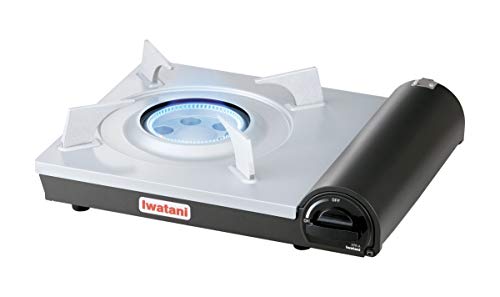
Compact ChoiceIwatani EPR Cassette Feu-EcoPremium Portable Butane Stove Cooktop
Cassette-fuel convenience
Tabloid cooking indoors or out
Travel ReadyKOMAN Isobutane Fuel Canister 100g, 4-Pack
Compact fuel backup supply
Backpackers stocking canisters
Simple StandoutGospowor Propane Cylinder Top Stove, 10,000 BTU
Screws onto standard propane tanks
Solo propane-first backpackers
Entertaining PickColeman Tabletop 2-in-1 Grill & Stove, 20,000 BTUs
Grill-plus-stove combo
Tailgate chefs feeding a group
Family FriendlyGospowor 2-Burner Propane Stove, 20,000 BTU
Two burners with wind guards
Group cooks running big menus
Streamlined PickTrangia Gas Butane Burner GB74
Trangia-system drop-in burnerDrop-in replacement burner
Trangia 25/27 series owners
![]()
Dependable OptionGospowor Dual-Fuel Stove with Windblocker, 10,000 BTU (Carrying Case)
Auto-ignition dual-fuel simplicity
New campers wanting easy setup
What Each Pick Brings To The Table
This Gospowor dual-fuel cooktop handles both propane cylinders and butane canisters, which makes it forgiving when you reach basecamp and find only one fuel type available. The integrated windblocker panel keeps the flame steady in gusts that would scatter a cheaper burner, and at 10,000 BTU (British thermal units, a measure of heat output) it boils a liter of water in roughly four minutes under calm conditions.
The automatic ignition removes the need for a striker, and the included griddle broadens the cooking surface beyond just a single pot. Unlike the Trangia Gas Burner covered later, this unit stands alone and doesn’t require a separate windscreen system.
Benefits That Matter
- ✓Fuel flexibility means a missed fuel stop doesn’t end the trip
- ✓10,000 BTU output handles a full boiling-and-fry meal
- ✓Windblocker panels reduce flame-out during gusty conditions
- ✓Auto-ignition saves carrying a separate lighter or matches
- ✓Included griddle expands cooking surface for pancakes or bacon
- ✓Carrying case keeps everything organized between trips
Things To Consider
- •Fuel is not included, so factor canister or tank cost into the budget
- •Heavier than ultralight canister stoves, limiting appeal for thru-hikers
- •Commonly reported: valve sensitivity takes a few ignitions to learn the sweet spot
Made For
Car campers and weekend backpackers who want one stove that adapts to whatever fuel they actually find at the trailhead.
Consider Something Else When
The Trangia Gas Butane Burner GB74 suits backpackers already carrying a Trangia 25 or 27 cookset who want a lighter system overall.
Coleman’s Cascade 18 leans into a single-burner design with enough surface area to host a 12-inch pan, which is unusually generous for a portable propane stove. The matchless rotary ignition lights the burner reliably in damp conditions, and the aluminized steel cooktop wipes clean in under a minute. Compared to the Gospowor unit above, this one runs strictly on propane and skips the butane side, trading fuel flexibility for simpler operation.
The improved knob rotation gives real control over simmer settings, which matters more than raw BTU output when you’re reducing a sauce or warming soup. For most car campers, that combination of predictability and pan size is the real selling point.
A Strong Showing
- ✓Accommodates a 12-inch pan, larger than most portable single burners
- ✓Rotary ignition performs well in damp or chilly weather
- ✓Smooth knob rotation supports true simmer control, not just on-off heat
- ✓Aluminized surface cleans with a single wipe after greasy meals
Points To Keep In Mind
- •8000 BTU sits below the dual-fuel Gospowor’s 10,000, so boil times stretch slightly
- •No built-in wind guard, so an aftermarket screen helps in exposed campsites
Key Specs
| | Feature | Specification | Why It Matters |
|---|
| Heat output | 8,000 BTU | Enough for boiling and pan-frying without weighing a full camp kitchen |
| Cooktop fit | 12-inch pan | Hosts family-size skillets, not just backpacking mugs |
| Ignition | Matchless rotary | Lights reliably without a striker in damp conditions |
| Cooktop material | Aluminized steel | Wipes clean quickly after greasy cooking sessions |
Who It Suits Best
Car campers and tailgaters cooking real meals in a 10-to-12-inch skillet for two to four people.
A Better Fit Elsewhere
Backpackers counting every gram should look at the Trangia Gas Butane Burner GB74 for a lighter overall system.
The Iwatani EPR runs on disposable butane cassettes that click into the base, so there’s no hose, no regulator, and no fiddling before cooking starts. Its inner-burner head channels the flame toward the center of the pan, which reduces wasted heat around the edges and lets a 10,000 BTU fuel load behave more like a 12,000 BTU burner in real cooking terms.
This design has become a staple in small apartments and dorm rooms for exactly that reason, and it travels well for campers who want tabletop cooking with no setup. Compared to the propane-only Coleman Cascade, this unit trades hose-connected propane for grab-and-go cassette fuel.
Why It Works Well
- ✓Cassette loading eliminates hoses and regulators
- ✓Concentrated flame reduces wasted heat around pan edges
- ✓Compact footprint fits on a picnic table or kitchen counter
- ✓Stable base handles medium-sized saucepans without wobbling
Minor Gripes
- •Butane cassettes can be harder to source than propane in remote areas
- •Commonly reported: cold-weather performance dips below freezing, so winter campers need a warmer fuel blend
Right Fit For
Apartment dwellers, dorm residents, and car campers who value grab-and-go simplicity over multi-burner output.
Reach For A Different Pick When
Group cooks feeding a crowd will find the Coleman Tabletop 2-in-1 Grill & Stove more useful for simultaneous grilling and simmering.
This KOMAN bundle is fuel rather than a stove, but it earns its spot because any portable butane burner only works as well as the canister feeding it. Each 100-gram isobutane blend (a mix of butane and propane that vaporizes reliably in cold weather) holds enough juice for several days of solo cooking, and the four-pack format covers a longer trip without restocking.
The compact 3.8 by 3-inch dimensions slip into a backpack pocket or bear canister, and the snug plastic cap prevents accidental fuel loss between trips. Think of this as the consumable side of the Gospowor dual-fuel setup: the stove handles the flame, these canisters handle the gas.
The Case For It
- ✓Isobutane blend maintains vapor pressure in cold conditions better than pure butane
- ✓Compact size fits into small pack pockets or cook kits
- ✓Snug plastic cap helps prevent leaks between trips
- ✓Four-pack format reduces reordering on multi-day expeditions
Where It May Fall Short
- •Not a stove on its own, so it only helps if you already own a compatible burner
- •Single-use canisters create waste; refillable options exist for frequent campers
Feature Snapshot
| | Feature | Specification | Why It Matters |
|---|
| Fuel weight per canister | 100 g | Enough for several solo meals without weighing down the pack |
| Canister dimensions | 3.8 x 3 in | Fits in compact cook kits and pack pockets |
| Fuel blend | Isobutane-propane | Holds vapor pressure in cool weather better than pure butane |
| Pack count | 4 canisters | Covers longer trips without reordering mid-journey |
Best Suited To
Backpackers and thru-hikers who already run a compatible canister stove and want reliable fuel across a multi-day trip.
Swap It Out When
Car campers using larger propane tanks should stock the Gospowor Propane Cylinder Top Stove instead for a hose-free propane setup.
This Gospowor burner screws directly onto the top of a standard propane cylinder, removing the hose-and-regulator step entirely. That design choice makes setup a literal one-handed twist, which matters when you arrive at camp tired or in fading light. The adjustable burner dial and 10,000 BTU output match the dual-fuel Gospowor covered earlier, just with propane-only operation.
The included USB lighter adds a small but appreciated touch for campers who routinely forget matches. Compared to the Iwatani cassette stove, this unit trades grab-and-go canisters for the longer runtime of a refillable propane tank.
A Few Highlights
- ✓Direct-mount design removes hose handling and connection issues
- ✓10,000 BTU matches the higher-output dual-fuel options
- ✓USB lighter included for ignition reliability
- ✓Adjustable burner knob supports both high-heat boiling and lower-temperature simmering
Honest Caveats
- •Propane tank not included, so you need a compatible cylinder on hand
- •Tank-top design raises the cooking surface, which can feel tippy with tall pots
Built With In Mind
Campers who already own a standard propane tank and want the simplest possible single-burner setup without extra hoses.
Another Choice May Suit
Cold-weather campers will find the KOMAN isobutane canister blend performs more reliably below freezing than this propane-only setup.
Coleman’s Tabletop 2-in-1 splits the difference between a stove and a grill, running a chrome-plated grate on one side and a dedicated burner on the other. At 20,000 BTU across both burners, it can sear burgers and boil corn at the same time, which is rare in this price range. The push-button starter lights without a striker, and the integrated wind guards keep the flame steady in conditions that would snuff the Iwatani cassette stove.
The grease tray slides out for fast cleanup, and the non-skid feet keep the unit planted on tailgate paint. It runs on propane only, so this is a car-camping piece, not a backpack.
Real Benefits
- ✓Two burners enable full-meal cooking in one session
- ✓Wind guards keep flame steady in exposed tailgate setups
- ✓Push-button ignition removes the need for a lighter
- ✓Removable grease tray simplifies post-cook cleanup
- ✓Non-skid feet protect surfaces and add stability
Trade Offs
- •Larger footprint than single-burner options, so it needs trunk space
- •20,000 BTU draws propane faster, shortening cook sessions per tank
Whose Shelf It Belongs On
Tailgaters, RV travelers, and family campers cooking full breakfasts or dinner spreads for four-plus people.
Look Elsewhere When
Solo backpackers should consider the Trangia Gas Butane Burner GB74 for a far lighter system that fits in a cook pot.
The Gospowor 2-Burner matches the Coleman Tabletop in raw output but drops the grill grate in favor of two independent cooking surfaces. Each burner adjusts separately, so boiling water on one side while simmering sauce on the other becomes routine rather than a juggling act. The included griddle adds a flat-top option for eggs and pancakes, which suits family breakfasts.
Compatible with cookware up to 10 inches, the stove covers the most common pot sizes. The integrated wind guards handle breezy campsites that would otherwise rob heat from open-burner designs, and the ignition system lights without separate tools.
Features That Help
- ✓Independent burner controls allow multi-pot meal timing
- ✓10-inch cookware compatibility covers most common pots
- ✓Wind guards reduce flame loss in open campsites
- ✓Included griddle supports eggs, pancakes, and bacon
- ✓20,000 BTU delivers fast boil times across both burners
Worth Noting
- •Heavier than single-burner options, so it stays in the car
- •Fuel not included, adding propane tank cost to the purchase
Quick Facts
| | Feature | Specification | Why It Matters |
|---|
| Heat output | 20,000 BTU total | Boils and simmers simultaneously without long waits |
| Cookware capacity | Up to 10 in | Hosts most standard pots and pans |
| Ignition | Built-in | Lights both burners without a striker or lighter |
| Included accessories | Griddle | Adds a flat-top surface for breakfast staples |
Who Should Grab It
Family campers and group cooks running full menus where two pans hit the heat at once.
Not Your Match When
Backpackers should pivot to the Iwatani EPR Cassette Stove, which is far lighter and works with disposable butane cassettes.
The Trangia GB74 is a drop-in burner for the Trangia 25 and 27 series cooksets, replacing the traditional spirit burner with a butane cartridge setup. It nests inside the lower windshield, so the entire system packs down as small as the cookware itself, which matters more than raw output for backpackers counting grams.
Boil time lands around 3.5 minutes for a liter of water, which is competitive with much larger stoves. The trade-off is real: this only works with Trangia gear, so anyone outside that ecosystem should look elsewhere.
Everyday Wins
- ✓Nests inside the Trangia windshield for a fully packable cook system
- ✓Boils a liter in about 3.5 minutes under typical conditions
- ✓Easy flame control supports both rolling boils and slow simmers
- ✓Standard butane cartridge compatibility simplifies resupply
Possible Compromises
- •Only fits Trangia 25 or 27 series cooksets, limiting versatility
- •Commonly reported: wind performance depends on the existing Trangia windshield setup
Perfect Match For
Backpackers already carrying a Trangia 25 or 27 cookset who want a reliable butane option over the traditional spirit burner.
Skip It When
Anyone without a Trangia cookset will find the Iwatani EPR Cassette Stove a better standalone butane option.
This second Gospowor dual-fuel model shares the windblocker and 10,000 BTU core of the first entry but shifts the focus toward simple operation. The automatic ignition and dedicated carrying case make it a strong starter stove, since there’s nothing extra to assemble and everything packs into a single bag. It runs on either propane or butane, giving new campers flexibility as they learn what fuel sources they prefer.
Compared to the Coleman Cascade, this unit trades propane-only simplicity for dual-fuel adaptability. For beginners who haven’t yet picked a fuel allegiance, that flexibility removes one decision from the setup process.
Notable Gains
- ✓Auto-ignition works on the first or second press, no striker needed
- ✓Carrying case keeps parts together between trips
- ✓Dual-fuel compatibility supports both propane tanks and butane canisters
- ✓Windblocker panels stabilize the flame in moderate gusts
Practical Considerations
- •Fuel is not included, so initial trips require separate canister or tank purchase
- •Commonly reported: the included hose adapter takes a few uses to seat reliably on certain propane fittings
Who Will Love This
New campers and weekend warriors who want an uncomplicated stove that works without learning a lot of fuel logistics.
Where A Sibling Pick Shines
Thru-hikers focused on weight will prefer the Trangia GB74 paired with their existing cookset over any standalone stove.
Choosing A Stove That Fits Your Camp Style
Picking a portable butane cooktop gets easier once the cooking scenarios narrow down. Backpackers carrying everything on their backs benefit from cassette-fuel or isobutane-blend stoves, where weight and canister size matter more than raw output. Car campers, tailgaters, and family cooks trade that compactness for two-burner layouts, larger pan capacity, and higher BTU totals that handle simultaneous boiling and searing.
BTU output tells part of the story, but real-world boil times depend heavily on wind protection. A built-in windblocker or shield keeps the flame from drifting, which is why many high-BTU stoves underperform in exposed campsites without those panels. For cold-weather use below freezing, isobutane or isobutane-propane blends hold vapor pressure better than pure butane, so canister choice matters as much as stove choice.
Fuel availability shapes the decision too. Propane tanks are easy to find at any camping supplier, while butane canisters can be harder to source in remote areas. Dual-fuel stoves like the Gospowor units bridge that gap, but they add weight. The honest read is: pick the stove that matches your most common trip, not your most ambitious one.
Key Considerations Across These Picks
Where Shoppers Go Wrong
The most common mistake is buying by BTU alone, without checking pan-fit dimensions. A 15,000 BTU burner means little if it can’t host a 10-inch skillet. Another trap is ignoring fuel availability: a great butane stove is useless where canisters are out of stock. Cold-weather campers sometimes pick pure-butane stoves, then wonder why the flame sputters at 25°F. For sub-freezing trips, an isobutane blend is the practical answer.
The Upgrade Payoff
Higher-tier models in this category earn their cost through wind protection, dual-fuel flexibility, and two-burner layouts. A premium pick like the Coleman Tabletop 2-in-1 or Gospowor 2-Burner pays off when you cook full meals for groups, while the Iwatani cassette stove earns its price through compact convenience for solo use. The upgrade is worth it when the extra capability matches your real cooking load, not when it just looks impressive on paper.
Frequently Asked Questions
QAre butane stoves safe to use inside a tent?
No. Butane and propane both release carbon monoxide when burning, which accumulates quickly in enclosed spaces. Use these stoves outdoors or in well-ventilated areas only, and never place the carrying case beneath the burner during operation.
QHow long does a 100-gram butane canister last?
A typical 100-gram isobutane canister supports several days of solo cooking, including boiling water for two meals per day. Heavy simmering or group cooking drains canisters faster than light boiling.
QCan I use a butane stove in cold weather?
Standard butane loses vapor pressure below freezing, which weakens the flame. Isobutane and isobutane-propane blends handle cold conditions more reliably, making them the better choice for winter camping.
QDo I need a separate windscreen?
Built-in windblockers handle moderate gusts, but a separate folding windscreen improves flame stability in exposed alpine or beach campsites. For backpackers, the Trangia windshield design serves double duty as both wind guard and pot support.
QIs dual-fuel worth the extra cost?
Dual-fuel stoves like the Gospowor models let you switch between propane and butane depending on availability. Campers who travel to areas with inconsistent fuel stocking benefit most, while those who always camp near propane suppliers may not need the flexibility.
Bottom Line
A portable butane or dual-fuel stove turns cold mornings and long days into hot meals, and the right model fits your gear and trip style. Match BTU output to your typical cooking load, confirm pan size before committing, and consider an isobutane blend if cold weather is in the mix. The best stove is the one you actually pack and use, not the one with the biggest spec sheet.