
A good canister keeps a backpacking stove humming on a frosty ridge or a patio burner steady during a long dinner. The right butane fuel for stove setups balances cold-weather output, burn time, canister size, and how cleanly the blend behaves with your specific burner. This roundup walks through eight options worth weighing, from pocketable backpacking canisters to multi-packs built for catering setups.
A Fast Comparison Of The Options

Hotdevil Isobutane Fuel Canister 100g Backpacking Camping Stove Fuel 3.53oz

Isobutane Fuel Canister 230g Camping Stove Fuel Butane Propane Blend 8.1oz (4 Packs)

Hotdevil Isobutane Fuel Canister 230g Camping Stove Fuel 8.1oz (6 Packs)

Colibri Premium Butane Fuel Refill for Lighters 300ml Pack of 2

GasOne Butane Fuel Canister (12 Pack)

Gas One 12 Pack 8oz Camping Fuel Canisters UL Safety Certified
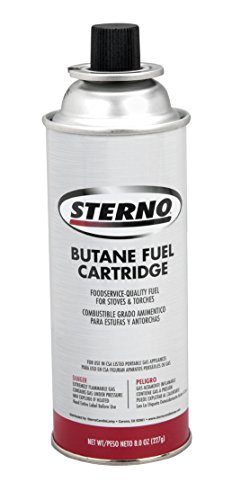
Sterno 50162 50130 8-Ounce Butane Fuel Cartridges 12-Pack

GasOne 12 Butane Fuel Canisters for Portable Camping Stoves
A Closer Look At Each Pick
Slim and tidy at roughly 3.8 by 3 inches, this 100-gram Hotdevil canister slips into a hipbelt pocket or a side mesh on a pack without complaint. The blend of isobutane, propane, and butane raises vapor pressure (the force that pushes fuel out as a usable gas), so the flame stays reliable when temperatures drop on a shoulder-season trip. For solo backpackers counting ounces, this kind of footprint matters more than a bigger burn time.
Mounting it on a standard EN417-style backpacking stove (the universal screw-on threading most canister stoves share) takes a few seconds, and a snug plastic cap keeps the valve clean between trips. The tradeoff is burn duration, which feels short for groups, but that is the point of a single-serving canister.
What Helps Most
- Pocketable 3.53oz size keeps pack weight honest on long routes.
- Isobutane-propane-butane blend keeps flame steady on cold mornings.
- Snug plastic cap reduces the chance of dirt fouling the valve in transit.
- Fits any standard threaded backpacking stove without adapters.
Things To Consider
- Burn time is short, so a multi-day trip needs spares or a larger canister like the 230g options below.
- Storage matters; leaving it in a hot car can vent pressure through the relief valve.
Key Specs
Made For
Solo backpackers and fastpackers who want the smallest reasonable canister for one- to three-night trips in mixed conditions.
Swap It Out When
Trip leaders feeding a group should reach for the Hotdevil 230g 6-pack instead, since each cook session pulls through fuel faster than a solo trip.
Stepping up from the 100g version, this 230g canister measures roughly 4.3 by 3.7 inches and gives cooks a noticeably longer session before swapping. The same isobutane blend keeps the flame dependable at altitude, which is where many campers get caught by underperforming canisters that sputter when pressure falls. A four-pack hits a sweet spot for couples or small families running two or three trips per season.
Owners commonly report the burn stays consistent even as fuel level drops, which is the kind of detail that matters when boiling water for dehydrated meals in sequence. The cap design mirrors the smaller Hotdevil, so storage habits carry over without relearning.
Where It Helps
- Higher fuel mass stretches one canister across multiple meals.
- Stable output as the canister nears empty, useful for longer boils.
- Same blend chemistry as the 100g model for cold-weather reliability.
- Four-pack covers a full season for casual campers.
Worth Noting
- Larger footprint than the 100g canister, so it crowds small cook kits.
- A four-pack still runs out on a week-long basecamp trip without spares.
Right Fit For
Couples and weekend car campers who want a single canister to cover a full Saturday-to-Sunday cook schedule.
Look Elsewhere When
Outfitters running a season of trips should grab the 6-pack version of the same Hotdevil canister for less per-canister cost over time.
The 6-pack of the 230g Hotdevil canister suits trip leaders, scout troops, and outfitters who chew through fuel faster than casual campers. Same 4.3 by 3.7-inch footprint, same cold-weather blend, just more of them sitting on the shelf waiting for the next permit window. Stocking in bulk means fewer last-minute fuel runs the night before a departure.
One trade-off to think through: storing six pressurized canisters calls for a cool, dry spot away from direct sun, ideally in a garage or shed. Treat them like any other pressurized container and they will be fine season after season.
Bright Spots
- Six canisters stretch across a full season of group trips.
- Lower per-canister cost than buying singles or 4-packs over time.
- Same dependable cold-weather blend as the smaller Hotdevil options.
- Keeps spare canisters on hand for emergencies or gear lending.
Trade Offs
- Bulk storage needs a cool, dry place out of direct heat.
- Overkill for solo users who only cook a few meals per outing.
Who It Suits Best
Outfitters, guide services, and family camp coordinators who run repeated trips across varied weather windows.
Consider Something Else When
Casual weekenders should drop to the 4-pack version above; the same fuel, smaller commitment.
Stepping away from camp stoves entirely, this Colibri refill targets jet-flame lighters, cigar lighters, and tabletop torches. The selling point is purity at 99.9994 percent, which matters because impurities clog the fine jets on high-performance lighters faster than the casual eye notices. A 300ml can in a two-pack keeps a regular lighter habit covered for months.
The nozzle fits most premium lighter valves, and the burn runs clean without the slight residue cheaper fuels leave behind. It is the right refill for a desk drawer, not a backpack.
Real Benefits
- Ultra-high purity extends the life of precision lighter jets.
- Cleaner burn leaves less soot on flutes, cigars, and table settings.
- Two-pack keeps a spare ready for frequent lighter users.
- Compact 300ml can fits a humidor shelf or kitchen drawer.
Minor Gripes
- Not designed for screw-on camp stoves, so it cannot double as trail fuel.
- Higher per-milliliter cost than camping canisters reflects the purity grade.
Perfect Match For
Cigar enthusiasts and owners of premium jet-flame lighters who want the cleanest refill available for the precision hardware they already own.
A Better Fit Elsewhere
Backpackers should pick the Hotdevil 100g canister above; it threads onto trail stoves, while Colibri is for handheld lighters only.
This 12-pack of GasOne canisters targets patio burners, portable stoves, and countertop setups rather than ultralight backpacking. Each cartridge holds 8oz (227g) and measures 7.25 inches tall by 2.6 inches wide, the traditional format that fits common indoor and outdoor burner stands. The notched collar design lines up with portable stove receivers, so seating the canister takes the guesswork out.
One honest callout: never refill a hot or burning device, since pressurized butane plus heat is the textbook recipe for flare-ups. Owners commonly store the extras in a labeled bin to keep the rotation tidy.
What Stands Out
- Notched collar snaps into alignment with portable burners quickly.
- Twelve canisters suit a year of patio dinners or fondue nights.
- Standard 8oz size fits a wide range of countertop stoves.
- Auto-reseal design limits leaks when removed from the stove.
Room For Improvement
- Larger and heavier than backpacking-style canisters.
- Plain butane runs cooler than isobutane blends in cold weather.
Key Specs
Best Suited To
Patio entertainers and fondue hosts who keep a portable burner on the back porch year-round.
Reach For A Different Pick When
Backcountry hikers should pick the Hotdevil 100g canister instead; the GasOne format is too tall and heavy for a pack.
Made in Korea and listed to UL safety standards, this 12-pack of 8oz camping fuel canisters fits any portable stove that takes the standard 8oz format. The self-sealing nozzle is the headline feature here, stopping fuel from venting the moment the canister comes off the burner. For households with kids or curious pets, that sealing behavior matters more than marketing copy suggests.
Compatibility stretches across Gas One portable stoves and most third-party burners using the same cartridge profile. Owners commonly rotate this canister into a kitchen drawer between camping trips for emergency cooking, like a power outage.
Features That Help
- Self-sealing nozzle reduces leak risk between uses.
- UL safety certification adds a third-party review of construction.
- Twelve-canister pack covers a season of family camping.
- Works across multiple stove brands using the 8oz standard.
Points To Keep In Mind
- Not optimized for sub-freezing trips without an isobutane blend.
- Storage planning matters with twelve pressurized cartridges in the house.
Who Should Grab It
Family campers who rotate between multiple stoves and want one fuel type that fits all of them.
Skip It When
Solo backpackers should grab the Hotdevil 100g canister above; it is lighter and tuned for cold-weather pressure.
Sterno built its name on catering and buffet service, and this 12-pack of 8oz butane cartridges carries that heritage forward. The canisters list a 2 to 4-hour burn time per cartridge, which lines up with the slow-and-steady heat a chafing dish needs to keep food warm through a multi-hour event. The vent-port design is engineered to release gas evenly during extraordinary pressure buildup, which is a quiet safety win during a busy kitchen.
Cartridges fit Sterno portable stoves and torches specifically, so anyone running a different brand should double-check the threading. For event hosts, the reliability angle matters more than peak BTU output.
What It Does Well
- Pressure-venting design handles heat buildup during long events.
- Twelve-pack suits a season of catering or buffet use.
- Compatible with Sterno’s portable stoves and torches.
- 2 to 4-hour burn time matches buffet pacing.
Honest Caveats
- Limited compatibility outside the Sterno portable stove line.
- Designed for tabletop heat, not high-output wok-style cooking.
Built With In Mind
Caterers, event hosts, and food warmers who run Sterno portable stoves for chafing dishes or buffet service.
Another Choice May Suit
Campers using portable stoves from other brands should pick the GasOne 12-pack above; it fits a wider range of burners.
This 12-pack of 8oz GasOne canisters serves a different storage strategy than the other GasOne options above. Same net weight per cartridge, same auto-reseal valve, same notched collar for alignment, just packaged for the household or workshop that wants fuel on hand without running to the store midseason. Garages, cabins, and emergency kits benefit most from this kind of stock-up approach.
Each canister measures 8 inches tall with a 2.5-inch base diameter, which fits neatly into standard milk crates and shelf bins. The reseal feature keeps the unused cartridges safer in long-term storage than open-valve designs.
The Good Stuff
- Twelve-canister bulk pack suits emergency kits and workshop storage.
- Auto-reseal valve keeps fuel contained during long shelf life.
- Notched collar speeds up alignment on compatible portable stoves.
- Standard 8oz format fits most portable burners on the market.
A Few Limitations
- Bulk format adds storage space demands in smaller homes.
- Plain butane blend runs cooler than isobutane options in deep cold.
Whose Shelf It Belongs On
Workshop owners, cabin caretakers, and emergency-preparedness households who want fuel on hand for unexpected power or stove outages.
Not Your Match When
Light packers and backpackers should reach for the Hotdevil 100g canister; this format is too tall and bulky to carry.
What To Weigh Before Choosing Butane Fuels For Stove
Canister format matters first. Backpacking stoves use the EN417 screw-thread standard with smaller canisters ranging 100g to 450g. Patio burners, fondue stands, and tabletop torches use the larger 8oz (227g) format with a notched collar. Picking the wrong format means a canister that simply will not seat on the stove, so check your stove’s inlet before buying.
Fuel blend comes next. Straight butane works fine in mild weather, but it loses pressure below freezing and at altitude. Isobutane-propane-butane blends hold higher vapor pressure, which translates to a steadier flame on cold mornings and high passes. For shoulder-season or winter camping, an isobutane blend pays off quickly.
Burn time and pack count shape the economics. A single 100g canister covers a solo weekend; a 230g canister stretches to a multi-day trip. Buying in 4-packs, 6-packs, or 12-packs lowers the per-canister cost, but only if you have a cool, dry place to store extras safely.
Compatibility and safety features close the decision. UL-listed construction, self-sealing nozzles, and notched collars all add practical value during routine use. For cigar and jet-flame lighter refills, purity (above 99.9 percent) protects the precision jets inside premium hardware.
Key Considerations Across These Picks
Pitfalls Shoppers Hit
The most common buying slip is matching canister format to stove by guesswork rather than checking the inlet spec. A backpacking canister will not seat on a patio burner, and vice versa. Another trap is buying straight butane for a winter trip; the flame weakens when temperatures drop, and cooks end up boiling water twice as long as expected.
What The Higher Tier Buys
Higher-tier fuel canisters tend to deliver isobutane blends instead of plain butane, which is the chemistry that keeps flame output stable in cold weather and at altitude. Bulk packs from the same brand lower the per-canister cost over a season, and features like self-sealing nozzles, UL certification, and notched collars reduce the small frictions that build up during a long cooking session.
Frequently Asked Questions
Can you use the same butane canister for backpacking stoves and patio burners?
No. Backpacking stoves use the smaller EN417 screw-thread format, while patio burners and tabletop torches use the larger 8oz notched-collar format. The two are not interchangeable, so check your stove’s inlet before stocking up.
How long does an 8oz butane canister last on a portable stove?
A typical 8oz (227g) canister runs 2 to 4 hours of continuous burn on a standard portable stove, depending on flame setting. Intermittent use during a camp meal stretches a single canister across multiple sessions.
Is isobutane better than regular butane for cold weather?
Yes. Isobutane holds higher vapor pressure, which keeps the flame steady when temperatures drop or you climb in altitude. Regular butane loses pressure in cold conditions and produces a weaker flame.
Can butane canisters be stored in a garage or shed year-round?
Yes, as long as the spot stays cool, dry, and out of direct sunlight. Pressurized canisters should never sit near heat sources, open flames, or in vehicles during warm weather.
Is it safe to refill a partially used butane canister?
No. Refilling a used canister without proper equipment is unsafe and not recommended. Always start with a fresh, factory-sealed canister and dispose of empties according to local guidelines.
Wrap Up
The right butane fuel for stove setups comes down to format, blend, and how often you cook outside. Backpackers get the most from pocketable isobutane canisters like the Hotdevil 100g, while patio and emergency setups lean toward larger 8oz packs with self-sealing nozzles. Match the canister to your stove first, then pick a blend that suits your climate and trip length.