
The right camping stove quietly decides whether your morning coffee tastes earned or just burned. For backpackers counting grams, families feeding six, and weekend tailgaters firing up chili, a butane setup offers near-instant heat without the smoke of a campfire. This lineup spans ultralight canister stoves, two-burner tabletop grills, and integrated cook systems built for real outdoor cooking. Each pick balances flame control, wind resistance, weight, and the kind of cookware fit that matches your trip, not a brochure.
A Closer Look At The Lineup

Hisencn Single Burner Camp Stove with Grill Pan
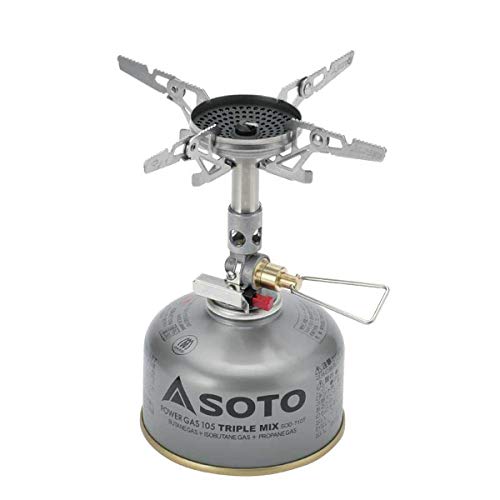
SOTO WindMaster Backpacking Stove with 4Flex Combo

Jetboil Sumo Camping and Backpacking Stove Cooking System

Jetboil MightyMo Ultralight and Compact Camping Stove

Coleman Cascade 18 1-Burner Camping Stove

Chef Master Portable Butane Camping Stove, 15,000 BTU

Coleman Tabletop 2-in-1 Grill & Stove with 2 Burners

Jetboil Flash 1.0L Portable Fast Boil Stove

Trangia Gas Butane Burner GB74
A Deeper Look At The Lineup
RV travelers and tailgate regulars tend to want real meals, not just boiled water. The Hisencn Single Burner Camp Stove with Grill Pan answers that with a bundled package: a single burner stove, a grill pan, a griddle plate, and a cutting board, all sized to work together. The whole kit sets up quickly on a picnic table, which matters when the rain is moving in or the kids are already circling for lunch.
Unlike the SOTO WindMaster ahead, this one trades ultralight design for a complete tabletop station. The bundled cookware means fewer forgotten items and less pre-trip packing. For RV stops and basecamp cooking, the kit format saves real planning time.
A Strong Showing
- Complete cookware bundle removes the need to buy separate pans or a griddle.
- Tabletop form factor works well on picnic tables, tailgate beds, and flat ground.
- Single burner design keeps fuel use modest for small meals and side dishes.
- Grill pan and griddle plate cover both searing and breakfast-style cooking.
Worth Noting
- Bulkier than canister stoves, so backpackers will want a lighter option.
- The burner alone lacks the wind protection found in dedicated canister systems.
Quick Facts
Made For
RV owners, tailgaters, and casual campers who want a complete cooking kit without buying accessories separately.
Consider Something Else When
Thru-hikers counting ounces will find the SOTO WindMaster Backpacking Stove with 4Flex Combo a far better pack weight.
High ridges and open ridgelines punish small flames. The SOTO WindMaster Backpacking Stove with 4Flex Combo is built around that reality, using a flame-shaped burner head that resists wind gusts better than bare-bones designs. The included 4Flex pot support extends the footprint for larger pots, which is genuinely useful when melting snow for a group.
Compared to the Jetboil MightyMo a few picks down, the WindMaster separates the burner from the pot, so you can use your own cookware rather than a fixed integrated cup. That flexibility pays off on longer trips where pan versatility matters more than raw boil time.
A Few Highlights
- Compact stow size and low weight suit multi-day backpacking.
- Boils roughly two cups of water in under two and a half minutes in gusty conditions.
- Continuous flame output in colder weather improves winter trip reliability.
- 4Flex support broadens pot compatibility beyond small backpacking mugs.
Trade Offs
- Canister sold separately, so plan an extra purchase before the trip.
- Open-flame design uses more fuel than enclosed FluxRing systems when simmering.
Feature Snapshot
Best Suited To
Mountaineers and backpackers tackling exposed routes where wind and weight both matter.
Look Elsewhere When
Solo campers boiling only water for freeze-dried meals will find the Jetboil Flash 1.0L Portable Fast Boil Stove faster and more fuel-efficient.
Cooking for a small group on the trail usually means compromise: smaller portions or a heavy stove. The Jetboil Sumo Camping and Backpacking Stove Cooking System skips that trade-off with a 1.8-liter FluxRing cooking cup that handles real meals. The integrated regulator gives the simmer control most canister stoves lack, which matters when you are actually cooking rather than just rehydrating.
Where the SOTO WindMaster ahead prioritizes ultralight portability, the Sumo leans into capacity and precision. The insulating cozy keeps heat in the cup longer, reducing fuel burned waiting for second cups of coffee on cold mornings.
Strengths Worth Knowing
- 1.8-liter capacity suits two to four people without splitting meals into batches.
- Regulator control spans simmer to full boil for actual cooking, not just boiling.
- Insulating cozy retains heat and improves cold-weather efficiency.
- Higher cup-to-fuel ratio stretches canister life on multi-day trips.
Points To Note
- Larger and heavier than solo-oriented systems like the MightyMo.
- Fixed pot size limits use with your own pans or fry-bake setups.
Spec Overview
Right Fit For
Group basecamps and small families who want a self-contained cooking system that handles real meals.
A Better Fit Elsewhere
Solo ultralight travelers get more out of the Jetboil MightyMo Ultralight and Compact Camping and Backpacking Stove, which is lighter and faster.
Most ultralight stoves force you to choose between weight and cooking versatility. The Jetboil MightyMo Ultralight and Compact Camping Stove blunts that trade with an open platform that accepts real cookware while still hitting a rolling boil in about three minutes. The four-turn regulator is the quiet star: fine adjustments mean sauces and sautés behave like they do at home.
Compared to the Sumo earlier, the MightyMo trims weight by dropping the integrated cup. That tradeoff suits backpackers more than basecampers, especially those who already own a quality titanium pot.
Good Reasons To Consider
- About three-minute boil time with roughly half the fuel of traditional stoves.
- Four-turn regulator offers precise flame control for real cooking.
- Open platform accepts a variety of pot sizes for flexible meal planning.
- Compact and lightweight for trips where every gram matters.
Room For Improvement
- Requires a separate pot, which adds pack weight for cooks who don’t own one already.
- Open flame uses more fuel than enclosed cup systems on long simmer runs.
The Numbers That Matter
Who It Suits Best
Ultralight backpackers and thru-hikers who cook real meals and value fuel efficiency.
Reach For A Different Pick When
Car campers wanting an all-in-one cook kit get more value from the Hisencn Single Burner Camp Stove with Grill Pan.
Car campers tend to want the same convenience as a home range without the size. The Coleman Cascade 18 1-Burner Camping Stove delivers that with a rotary ignition system that lights without matches, a 12-inch pan fit, and 8,000 BTUs of cooking output. The detached grate flips 180 degrees for storage, so it slides into a car trunk without drama.
Where the Chef Master Portable Butane a few picks down pushes raw flame power, the Cascade favors a softer, more controllable simmer. For family meals that involve longer cook times, gentler control usually wins.
Real Benefits
- Matchless rotary ignition lights in any weather, no lighter fumbling required.
- Accepts a 12-inch pan, large enough for skillets and griddles.
- Improved knob rotation gives more precise simmer control than older designs.
- Aluminized steel cooktop wipes clean faster than painted surfaces.
Softer Spots
- Single burner means sequential cooking only, which slows multi-dish meals.
- Less compact than canister stoves for hikers driving to camp instead of walking in.
Whose Shelf It Belongs On
Family car campers who want a familiar-feeling cooktop that fits standard kitchen pans.
Swap It Out When
Tailgate crews cooking for a crowd will get more done on the Coleman Tabletop 2-in-1 Grill & Stove with 2 Burners, which adds a grill surface and a second burner.
Some cooks need a real flame under a wok or cast-iron skillet. The Chef Master Portable Butane Camping Stove, 15,000 BTU delivers that level of output from a single burner tabletop design. The Piezo electric ignition lights instantly with a knob turn, no matches required, and the burner head spreads the heat across the pan base.
Compared to the Coleman Cascade 18 above, this one is roughly twice the BTU output in a similar footprint. The catch is faster fuel consumption, so plan for extra canisters on longer trips.
What Works In Its Favor
- 15,000 BTU output supports searing, wok cooking, and cast-iron use.
- Piezo electric ignition lights reliably in cold or windy conditions.
- Knob-based heat control feels familiar to anyone used to a home range.
- Compact enough for emergency kits and power-outage cooking.
Honest Caveats
- Higher BTU means fuel canisters empty faster on long cook sessions.
- Single burner limits cooking to one pan at a time during a busy meal.
Perfect Match For
Camp cooks who want searing power in a tabletop form, and anyone prepping an emergency cooking kit.
Not Your Match When
Backpackers need a much lighter option like the SOTO WindMaster Backpacking Stove with 4Flex Combo.
Tailgating and group cookouts usually mean juggling pans over a single burner. The Coleman Tabletop 2-in-1 Grill & Stove with 2 Burners fixes that with two independently controlled burners sharing one compact body, plus a grill surface for searing. The 20,000 total BTU split across both burners makes cooking a full breakfast on a truck tailgate feel manageable.
Where the Chef Master above leans on raw single-burner output, this design distributes heat across two zones. Wind guards help keep flame steady on breezy days, and the removable chrome-plated grate simplifies cleanup.
Key Advantages
- Two burners let you simmer and sear at the same time during group meals.
- Combined grill and stove surface handles burgers alongside sides and coffee.
- Push-button starter eliminates the lighter hunt in wind or rain.
- Wind guards improve flame stability in open outdoor settings.
Small Caveats
- Bulkier than single-burner stoves, so storage in a small car takes planning.
- Propane setup differs from butane canisters other picks in this lineup use.
Feature Rundown
Who Should Grab It
Tailgaters, group campers, and anyone hosting outdoor meals who needs simultaneous grilling and boiling.
Skip It When
Solo travelers or backpackers will find the Jetboil Flash 1.0L Portable Fast Boil Stove more packable and efficient for one-cup meals.
Trail mornings usually start with one need: hot water fast. The Jetboil Flash 1.0L Portable Fast Boil Stove answers with an integrated one-liter cup and a one-step automatic ignition, so a half-turn of the knob lights the burner without matches or lighters. Two-minute boil times make freeze-dried dinners and instant coffee genuinely quick.
Compared to the SOTO WindMaster a few picks up, the Flash trades pan flexibility for raw speed. For hikers who mostly rehydrate meals and brew drinks, that tradeoff usually lands well.
Positive Takeaways
- Boils water in roughly two minutes, even in less-than-ideal conditions.
- One-step auto ignition lights reliably in cold, wind, or wet weather.
- Integrated FluxRing cup maximizes heat transfer for fuel efficiency.
- Compact form stacks the burner inside the cup for low pack volume.
A Few Limitations
- Fixed 1-liter cup limits you from cooking real meals in larger pans.
- Fuel canister sold separately and adds a small extra purchase.
Built With In Mind
Solo backpackers, day hikers, and minimalist campers who prioritize hot drinks and quick rehydrated meals.
Where Another Pick Suits Better
Campers cooking multi-pot dinners will appreciate the Jetboil MightyMo Ultralight and Compact Camping Stove for its open platform design.
Trangia stove owners already appreciate the modular Swedish cookware system. The Trangia Gas Butane Burner GB74 drops into the lower windshield of Trangia 25 and 27 series stoves as a butane cartridge alternative to the classic spirit burner. It runs on standard butane canisters and brings cleaner, faster ignition to an already proven kit.
Where the Coleman Tabletop 2-in-1 ahead is built for tailgate-scale cooking, this burner fits inside a tight little windscreen setup for backpackers and paddlers. The trade-off is the same as any canister stove: empty canisters add to trip waste planning.
What Pays Off
- Cleaner and faster ignition than the traditional Trangia spirit burner.
- Standard butane cartridges are widely available at outdoor retailers.
- Boils a liter of water in roughly three and a half minutes in calm weather.
- Maintains Trangia modularity for paddlers and backpackers who already own the system.
Possible Compromises
- Only fits Trangia 25 and 27 series stoves, so other cookware owners cannot use it.
- Lower output than high-BTU single burners like the Chef Master reviewed earlier.
The Right Fit
Trangia system owners who want faster ignition and cleaner operation than their current spirit burner.
Where A Sibling Pick Shines
Anyone outside the Trangia ecosystem will find the Jetboil Flash 1.0L Portable Fast Boil Stove a more versatile entry into canister cooking.
What Matters Most Before Choosing Butane Camping Stoves
Fuel Type and Canister Sourcing
Butane stoves generally run on two fuel paths: refillable liquid butane canisters for tabletop designs, or screw-on isobutane mix canisters for backpacking systems. The first is heavier but cheaper per cook session; the second weighs nothing extra and stores safely in packs. Match the fuel path to how you actually travel. Car campers rarely notice canister weight, while long-distance hikers feel every gram.
Weight, Pack Size, and Cooking Style
The lightest stoves on this list weigh around five ounces and disappear into a pack lid. Heavier tabletop units trade weight for larger pans, dual burners, and proper flame control. If you mostly boil water for coffee and freeze-dried meals, a tiny integrated system handles the job. Cooking actual dinners for two or more usually demands a wider, more stable flame source.
Wind Performance and Ignition Reliability
Wind can blow out a small flame faster than you can reignite it. Stoves with built-in pot supports that wrap the flame, dedicated wind shields, or burner geometries designed to shed gusts (like the SOTO WindMaster) tend to perform better on exposed ridges. Auto-ignition systems reduce fumbling with lighters in cold or wet hands, but they require occasional piezoelectric maintenance.
Simmer Control and Real Cooking
Boiling water only needs high heat. Cooking sauces, sautés, or eggs requires the burner to hold low temperatures without cycling off. Regulator-equipped stoves and integrated cook systems (Jetboil’s family, the Trangia burner) usually deliver finer flame control than budget single burners. If you plan to cook, simmer quality matters more than peak boil speed.
Key Considerations Across These Picks
Where Shoppers Go Wrong
A common slip is buying the smallest, lightest stove and then trying to cook family dinners on it. Integrated cup stoves excel at water boiling but rarely accept a skillet. The reverse mistake happens too: a car camper buys a two-burner grill and then resents the trunk space. Match stove scale to meal scale and trip style before anything else. Another overlooked detail is fuel sourcing: some canisters fly poorly on airlines, so international travelers should confirm what’s available at the destination.
When Paying More Pays Off
The jump from budget single burners to regulator-equipped integrated systems brings genuine cooking ability, not just faster boil times. Higher-priced stoves tend to use sturdier materials, finer control valves, and wind-shedding geometries that survive regular trips. For frequent backpackers or anyone who actually cooks outdoors, that upgrade typically pays back in fewer burned meals, less fuel wasted on flame cycling, and longer service life across years of trips.
Frequently Asked Questions
Are butane stoves safe to use inside a tent or enclosed shelter?
Butane combustion consumes oxygen and releases carbon monoxide, so most manufacturers recommend using these stoves only in well-ventilated outdoor settings. Inside a tent vestibule with open airflow is generally safer than a fully enclosed space, but many experienced campers still prefer to cook outside the tent entirely.
How long does a standard butane canister last on a backpacking trip?
Run time depends on flame setting, wind exposure, and how often you simmer versus boil. On a low simmer, a 100-gram canister can stretch across several days of light cooking. At full boil with frequent use, expect roughly an hour or two of actual flame time per small canister.
Can butane stoves handle cold-weather camping?
Pure butane struggles below about 32°F because pressure drops in the canister. Isobutane and propane blends (used by most canister stoves in this list) perform far better in cold conditions. For winter camping, look for stoves rated for low temperatures or carry a canister insulator.
Do these stoves work with any cookware?
Tabletop butane stoves generally accept a wide range of pans, while backpacking canister stoves have limited pot diameters defined by their support arms. Integrated systems (like Jetboil designs) only work with their own cups or compatible accessories. Always check pot dimensions against the stove’s support width before buying separate cookware.
How do I clean and maintain a butane camping stove?
Allow the stove to cool fully, then wipe the burner head and drip tray with a dry cloth. Avoid water on the burner orifices; a small brush or compressed air clears debris from jet openings. Store stoves in a dry bag away from food odors, and check fuel line connections on tabletop units each season.
Closing Remarks
The best butane camping stove is the one that matches your trip, not the one with the longest spec sheet. Backpackers chasing light packs reach for canister systems like the SOTO WindMaster or Jetboil Flash. Car campers and tailgaters lean toward tabletop designs with full-size pan capacity. Think about how you actually cook outdoors, weigh that against weight and budget, and the right pick usually becomes obvious.