
A real bushcraft session asks more from your gear than a car-camping weekend ever will. You need a pack that swallows a saw, a hatchet, a tarp, and a sleeping system without sagging, while keeping essential tools close at hand for quick decisions around camp. The picks below pair purpose-built rucksacks with the cutting tools and shelter accessories that earn their keep on long woodcraft days. Each one was chosen for a specific kind of woodland user, from weekend hammock campers to multi-day trekkers.
The Choices Worth Comparing

Silky BIGBOY Folding Saw 360mm (350-36)

FLISSA Survival Hunting Knife with Sheath (Pack of 2)

XMILPAX 70L Tactical MOLLE Pack

XMILPAX 70L Tactical MOLLE Bushcraft Pack

Gerber Pack Hatchet 3.5″ Steel Blade
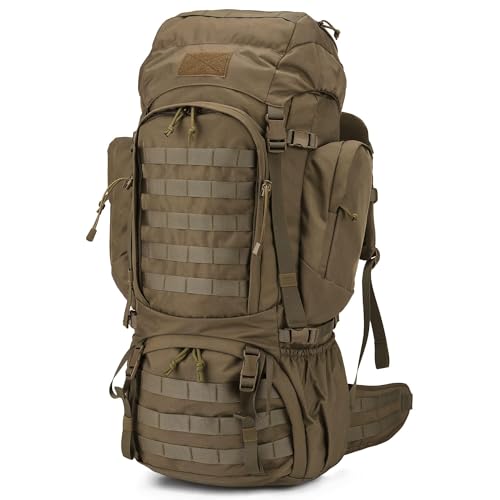
Mardingtop 60L Military Internal Frame Backpack

Mardingtop 75L Cordura Tactical Backpack
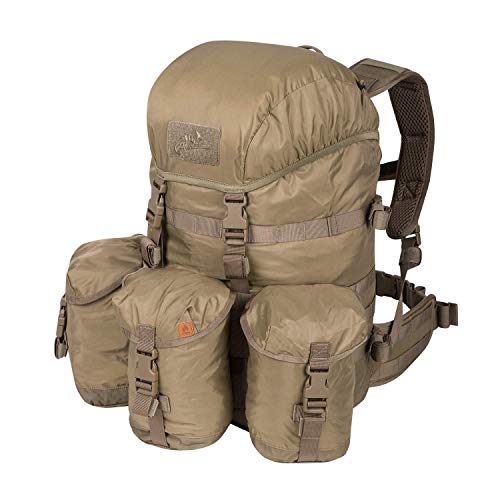
Helikon-Tex Matilda Bushcraft Backpack

Mardingtop 75L MOLLE Hiking Pack (Khaki)
A Breakdown Of The Leading Choices
A folding saw earns its space in a bushcraft pack only when it can swallow pole after pole without complaint. The Silky BIGBOY pairs a 14.2-inch straight blade with medium teeth suited to soft wood, and that length translates to long strokes that cut through green limbs surprisingly fast. Compared with a hatchet, a saw like this produces cleaner ends on shelter poles and tarp ridgelines, which matters when you need friction-fit joins to actually hold.
The two-handed rubberized grip keeps your hands planted even when the wood is wet or your gloves are muddy. For most weekend trips, the BIGBOY doubles as both your firewood and shelter-building tool, which is why it pairs so naturally with the larger packs later in this roundup.
A Few Strong Suits
- 360mm blade length gives you longer cuts per pass, reducing the strokes needed to drop a limb
- Medium teeth (8.5 per inch) bite efficiently into soft wood without bogging down in resin
- Non-slip two-handed handle stays planted on rainy or cold days
- Folding design slips inside or straps to a pack without snagging
- Reportedly fast cut capacity around 7.1 inches, enough for most shelter poles
Things To Consider
- Blade length makes it less pocket-friendly than a smaller Silky model for fast day hikes
- Teeth configuration favors soft wood; harder species will slow you
- Owners commonly note the blade benefits from a light coat of oil between trips to prevent surface oxidation
Best Suited To
Woodworkers and campers who process their own firewood and shelter poles on every trip.
A Better Fit Elsewhere
Reach for the FLISSA Survival Hunting Knife when your day centers on fine carving and food prep instead of limbing.
A bowie-style fixed blade carries a kind of authority you don’t get from a folder. The FLISSA Survival Hunting Knife runs 15 inches overall with a 10-inch blade and a 5/32-inch thickness, so it has the weight and rigidity for chopping, batoning, and feathering. Unlike the BIGBOY saw, this knife leans into heavy shaping tasks where you want a full tang driving force through every stroke.
The pack-of-two format is the hidden value: one rides in camp, the other stays strapped to your pack, or you share a blade with a partner. For most beginners entering bushcraft, having a backup reduces the risk of being stuck mid-trip with a chipped or lost primary edge.
Everyday Advantages
- Full tang construction handles batoning through knotty wood without flex
- 10-inch blade gives you leverage for splitting small rounds
- Pack-of-two format lets you stage a knife at camp and on the trail
- Included sheath supports belt or pack carry
Worth Noting
- 15-inch overall length makes it cumbersome for fine carving and food prep
- Heavier carry than a folding saw of comparable capability
Made For
Heavier camp chores, processing downed limbs, and bushcrafters who prefer a dedicated chopping and carving tool.
Consider Something Else When
Pick the Silky BIGBOY instead when your priority is fast, repeatable cuts on green wood for shelter building.
When a trip stretches past a weekend, your pack quietly becomes the load-bearing decision of the whole outing. The XMILPAX 70L rucksack is built around 1000D polyester, a fabric many bushcrafters recognize from surplus mil-spec gear for its abrasion tolerance. MOLLE webbing, a system of stitched rows used to attach modular pouches, runs across the exterior so you can clip sheaths, a roll, or a tarp where they ride best.
An internal frame transfers weight to the padded hip belt, which is the single feature most beginners underestimate. For most multi-day plans you will appreciate the narrow profile when the trail narrows or the bush thickens.
The Good Stuff
- 70L volume swallows a sleeping system, shelter, and tools with room to spare
- 1000D polyester resists scuffs from granite and blowdowns
- Adjustable shoulder harness with sternum strap for longer carries
- MOLLE webbing accepts sheaths and pouches you may already own
Trade Offs
- 70L is overkill for quick overnighters
- Empty pack weight is noticeable before you load gear
Right Fit For
Backpackers tackling multi-day routes with full camp kits, especially in rough terrain.
Skip It When
Choose the Helikon-Tex Matilda for shorter bushcraft walks where you want organization over raw volume.
It looks like the previous XMILPAX pack at a glance, and the 1000D shell plus internal frame layout are familiar, but this model leans more deliberately toward bushcraft and trekking roles. The narrow pack profile is the subtle differentiator: it keeps the load closer to your spine, which matters when you are pushing through scrub for hours with a hatchet and saw riding against the back panel.
With multiple compartments and roughly 70L of total capacity, the pack is meant for trips where you want organization plus room for a tarp, a hammock, and a longer food carry. The padded hip belt redistributes load, so heavier hauls feel less punishing on the second day.
A Favorable Mix
- Internal frame channels weight to the hips for multi-day comfort
- 1000D fabric shrugs off contact with rough bark and rocky scrambles
- Multiple compartments keep rain layers accessible without unpacking
- MOLLE webbing supports modular sheaths and pouches
Honest Caveats
- Bigger than needed for short trips
- Color options may vary, so check the current listing if appearance matters
Who It Suits Best
Bushcrafters and trekkers running longer routes who want tactical-style organization alongside raw volume.
Look Elsewhere When
The Mardingtop 60L is the better call for backcountry trips where 70L would tempt you to overpack.
Where the BIGBOY saw cuts efficiently, a hatchet splits and shapes. The Gerber Pack Hatchet runs just over 9 inches overall with a 3.5-inch steel head and a full tang, which is unusually robust for something that still fits on the outside of a pack. Compared with the FLISSA bowie’s 10-inch blade, this is a totally different tool: shorter stroke, more focused force, easier to control when you are limbing deadfall.
You may find the rubber over-mold grip makes choked-up grip work, like kindling prep, surprisingly comfortable. The mountable nylon sheath is a quiet perk, since it lets you lash the tool to a daisy chain without it swinging against your hip on sidehill trail.
A Strong Showing
- Compact 9-inch overall length rides well on a pack
- Full tang construction for confident splitting strokes
- Tall grind geometry supports clean, sharp cuts
- Mountable sheath keeps the head covered during travel
- Rubber over-mold grip stays grippy when hands are wet or cold
Softer Spots
- Smaller head is slower on bigger rounds than a full axe
- Shorter handle limits two-handed power swings
Perfect Match For
Bushcrafters building small shelters, processing kindling, and splitting wood for evening fires on shorter trips.
Another Choice May Suit
Choose the Silky BIGBOY when your wood is mostly green poles rather than rounds that need splitting.
The 60L mark is a sweet spot for many bushcrafters: enough room for a hammock setup plus tools, but not so much that you fill every trip with dead weight. The Mardingtop 60L carries the MOLLE webbing across the panel so you can hang a sleeping bag, sleeping mat, or hammock underneath. A hydration-compatible sleeve and a hiking pole attachment round out the practical touches.
The included rain cover is the kind of feature you forget about until the sky opens mid-route. If your trips tend toward shoulder seasons or coastal ranges where weather is unpredictable, that cover is the difference between a warm night and a damp one.
Everyday Wins
- 60L capacity hits a versatile middle ground for weekenders
- Included rain cover protects gear in sudden weather
- Hydration-compatible sleeve and pole attachment add trail-day comfort
- MOLLE webbing accepts modular add-ons
- Patch area allows nametape or flag customization
Points To Note
- Smaller volume than the 70L alternatives for true multi-week trips
- Frame geometry may suit average torso lengths best; very tall hikers should check fit
Who Should Grab It
Weekend bushcrafters and backcountry travelers who want one pack that handles wet weather and varied kit.
Reach For A Different Pick When
The Mardingtop 75L Cordura option is smarter for snow or expedition-style loads where you need bigger volume plus rescue technology.
When the route heads into snow country or remote drainage, the fabric spec starts to matter more than the color. The Mardingtop 75L swaps standard polyester for 915D Cordura (a high-denier nylon blend known for abrasion and tear resistance) along with YKK zippers and buckles, a brand widely trusted in outdoor packs. RECCO, a passive reflector system used by rescue teams to locate people in the field, is built into the pack, which is a small but meaningful safety touch for solo trips.
At roughly 3.2 kg and 75L of capacity, the pack leans toward expedition-style loads. For most winter or shoulder-season bushcrafters, the upgrade in fabric and rescue tech justifies the heft if your kit includes bulkier cold-weather shelter and insulation.
Useful Strengths
- 915D Cordura shell handles abrasion and cold-weather use well
- RECCO reflector aids rescuers in avalanche and lost-person scenarios
- 75L volume swallows bulky cold-weather sleeping systems
- YKK zippers and buckles for long-term durability
- Included rain cover protects gear in mixed precipitation
Room For Improvement
- Heavier empty weight than the 60L sibling
- Larger footprint than day-trip packs
Key Specs
Built With In Mind
Bushcrafters and backcountry travelers heading into snow, remote terrain, or solo trips where rescue tech matters.
Swap It Out When
Pick the Mardingtop 60L when you want the same general layout in a lighter, more day-trip-friendly frame.
The Helikon-Tex Matilda leans into a different philosophy from the MOLLE-heavy tactical packs. It is built around three external buckled pockets paired with drawstring sleeves, a layout bushcrafters tend to love because you can stash a saw, a hatchet, or a water bottle in a dedicated spot and reach it without unpacking your main compartment. MOLLE/PALS panels still appear on the front, but the genius is in the organization, not the modular grid.
For most day-to-multiday bushcraft walks, this is the pack that quietly disappears on your back because everything has a place. The stiffened back and reinforced bottoms in key spots help the pack hold shape even when half-empty, which is a real comfort on rough descents.
Positive Points
- Three buckled external pockets speed up camp-side access
- Stiffened back holds shape when load is light
- MOLLE/PALS panels for extra pouches where you want them
- Detachable hip belt adjusts to layered clothing
- Hydration-compatible interior for trail-day water
Minor Gripes
- Smaller overall volume than 70L tactical packs
- Coyote color shows dirt on muddy routes
Feature Card
Whose Shelf It Belongs On
Bushcrafters who prioritize quick-access organization and a quiet carry over maximum liter count.
Where A Sibling Pick Shines
The XMILPAX 70L is the better fit for hauling a tarp, hammock, and full winter kit on multi-day routes.
The last entry is essentially the storer’s answer for long bushcraft trips with bulkier shelter setups. The Mardingtop 75L in Khaki uses 600D polyester (a midweight fabric that balances durability and weight) and YKK zippers, plus a hydration compartment sized for a 3-liter bladder with the tube routed near the grab handle. The MOLLE webbing across the front lets you hang trekking poles, a rolled tarp, or sleeping pad where they ride well.
For most backpackers who already own poles and shelter gear, this is the pack that pulls everything together. Owners commonly point to the included rain cover as the practical highlight, since it deploys fast when a front rolls in mid-afternoon.
Useful Highlights
- 75L volume for hauling bulky or shared camp kits
- 600D polyester balances weight and abrasion resistance
- Hydration compartment fits a 3L bladder with routing near the grab handle
- YKK zippers for long-term durability
- Included rain cover deploys quickly in shifting weather
- MOLLE webbing expands attachment options on the trail
Things To Watch
- Lighter fabric than the Cordura sibling, so rougher rock may show wear sooner
- Big volume tempts you to overpack on shorter trips
Built With In Mind
Backpackers heading into longer trips with bulkier shelter and cooking kits who want flexibility over flagship fabric.
Not Your Match When
Pick the Mardingtop 75L Cordura version for snow or expedition use where tougher fabric and rescue tech matter more.
What To Weigh Before Choosing a Bushcraft Pack
Capacity versus mobility is the real trade-off most shoppers hit first. A 70L pack swallows your full kit but adds empty weight and sidehill swing on every step. A 35 to 50L daypack forces tighter packing but rewards you with quicker movement through dense brush, which matters when you are scouting wood for shelter.
Fabric denier (a unit measuring fiber thickness; higher numbers mean thicker, more abrasion-resistant fabric) is the spec that quietly decides how a pack ages. 600D polyester handles weekend duty, while 1000D or 915D Cordura earns its keep on granite and thorn country. The MOLLE/PALS webbing systems you see across this roundup let you hang sheaths, poles, or a rolled shelter without crowding the main compartment.
Fit is the most underrated feature in any pack category. A padded hip belt should carry roughly 70 percent of your load; the shoulder harness handles the rest. For most beginners, internal frame packs with adjustable torso lengths are the easiest path to a comfortable carry. You may also want to consider whether a rain cover is included, since bushcraft trips tend to land in shoulder seasons more often than midsummer.
Finally, think about which tools ride outside the pack versus inside. A folding saw, a hatchet, and a fixed blade each want their own attachment point, and your pack’s exterior layout will quietly shape how quickly you can deploy them at camp.
Key Considerations Across These Picks
Mistakes Worth Dodging
Choosing by liter count alone leads to overpacking. Pick the pack that matches your trip length first, then build the kit, rather than the reverse. Another common slip is ignoring hip belt fit. Many shoppers focus on shoulder straps, then wonder why their shoulders ache on day two. The hip belt should sit on the iliac crest, the top ridge of your hip bones, and carry most of the weight before shoulder straps do any real work.
When Paying More Pays Off
Higher-tier models in this category typically upgrade fabric denier, frame stiffness, and zippers. The Mardingtop 75L Cordura illustrates the upgrade well: thicker shell, RECCO reflector, YKK hardware. For most backcountry travelers running wet, cold, or remote routes, those upgrades translate to a longer-lived pack and a meaningful safety margin. For weekend trips in mild climates, a 600D pack with a rain cover is plenty.
Frequently Asked Questions
What size bushcraft pack do most people start with?
Most beginners settle on a 50 to 65L pack for their first multi-day trip. That range swallows a hammock or tent, a sleeping bag, food, and tools without forcing you to fill dead space.
Is MOLLE webbing actually useful for bushcraft?
Yes, especially if you carry a hatchet, saw, or fixed blade. MOLLE/PALS panels let you lash tools where you can grab them at camp without unpacking the main compartment.
Do I need a rain cover if the pack fabric is waterproof?
Most “water-resistant” fabrics still soak through in sustained rain. A separate rain cover adds a layer of protection for your insulation and electronics during long storms.
Should I choose Cordura or polyester for bushcraft?
Cordura is tougher against abrasion and tends to last longer in rough terrain. Polyester is lighter and usually friendlier on price, which is plenty for weekend trips in moderate conditions.
Can a folding saw replace a hatchet for bushcraft?
A folding saw handles limbing and pole work faster and quieter than a hatchet, but it cannot split rounds. Most experienced bushcrafters end up carrying both, using the saw for shaping wood and the hatchet for splitting kindling.
The Takeaway
The right bushcraft pack is the one that matches your trip length, terrain, and tool kit, rather than the one with the biggest spec sheet. Match the pack to your usual trips first, then layer in the saw and hatchet that match how you actually work wood. Start with the kit that solves your most common outing, and let the upgrades follow when your routes ask for them.