
Sand gnats have a way of ruining a perfectly good beach afternoon. One minute you’re enjoying the breeze, and the next you’re swatting at clouds of nearly invisible biters that leave itchy welts for days. The right repellent turns those outings around, especially the formulas that handle tiny biting flies without leaving your skin greasy or smelling like a campsite.
This roundup pulls together seven solid options across a few different categories. Some are heavy-duty DEET sprays built for serious outdoor exposure, and others are indoor traps and plant-based sprays for living spaces where gnats sneak in. Pick based on where the bugs are biting you most.
The Essentials At A Glance

STEM Flying Insect Indoor Trap (1 Device + 3 Cartridges)

STEM Flying Insect Indoor Trap (2 Devices + 2 Cartridges)

Cutter Skinsations Bug Spray 6 oz (12 Pack)
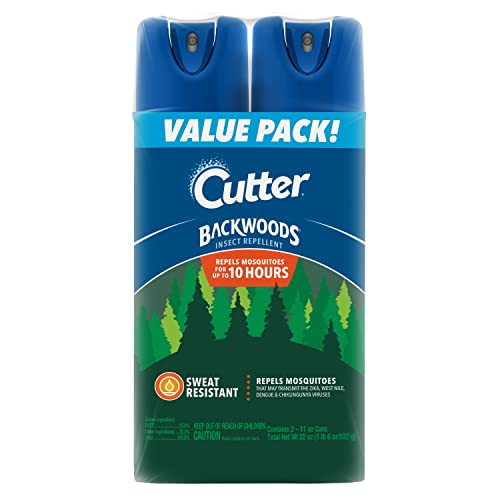
Cutter Backwoods Insect Repellent 25% DEET (2 Pack)
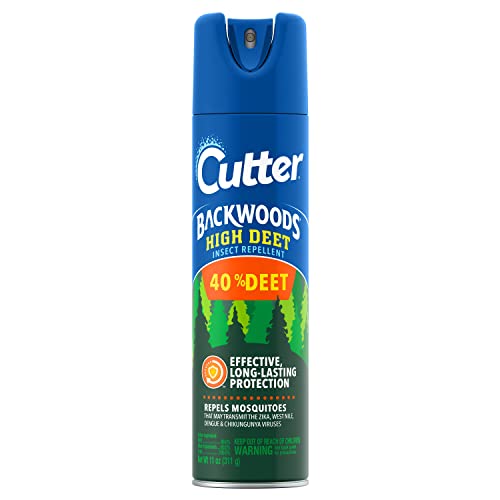
Cutter Backwoods High DEET Insect Repellent 40% (11 oz)

STEM Plant-Based Bug Spray (12 oz)
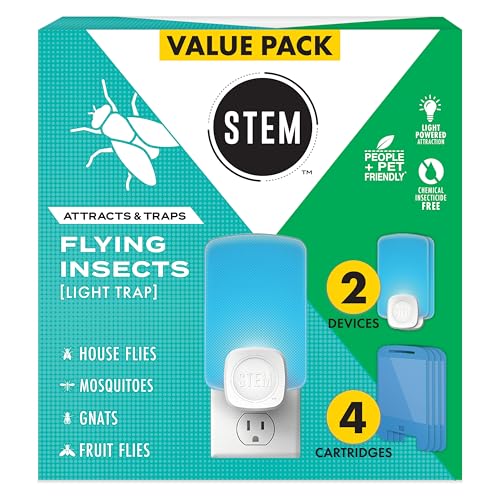
STEM Flying Insect Trap (2 Devices + 4 Cartridges)
More Details On Our Top Picks
Plug-in UV traps are the lazy, low-effort answer for indoor gnat problems, and this single-unit STEM model handles that job in one focused spot. You drop it into an outlet near a fruit bowl, trash can, or sink drain and let the soft blue light do the work over the next few nights.
Three cartridges mean roughly three months of use before you need to swap a refill, depending on how bad the infestation gets. Compared with the broader two-device kits later in this list, this one makes more sense in a tight kitchen or a single bathroom where one well-placed unit covers the main problem area.
Practical Advantages
- Single-device design plugs into any standard outlet with no setup beyond unboxing
- Soft blue UV light attracts gnats, fruit flies, mosquitoes, and moths without chemical sprays
- Three included cartridges deliver several months of quiet, no-odor indoor protection
- Low-profile build sits flush against the wall, staying out of the way on busy countertops
Points To Note
- Catches flying insects but does not repel them, so sand gnats arriving from outside still need a barrier spray
- Effectiveness drops noticeably in bright rooms with lots of competing light sources
- Cartridge replacements are an ongoing cost to factor into ownership
Best Suited To
Anyone dealing with a small kitchen or bathroom gnat problem who wants a no-spray, always-on solution.
Where Another Pick Suits Better
The STEM two-device kit (B0CP4L43TS) covers more square footage for homes where gnats show up in multiple rooms at once.
Two units let you spread coverage across a kitchen and an adjacent living area, or place one upstairs and one down. That flexibility is the main reason to pick this kit over the single-device option, especially in open-concept homes where gnats drift between zones.
Each device uses the same UV-pull-and-stick method as the smaller STEM kit, which keeps the experience consistent across rooms. You trade one extra cartridge here for double the coverage, and the per-device price typically works out friendlier than buying two singles separately.
Notable Upsides
- Dual traps handle gnats in two problem areas at the same time
- Same mess-free, odor-free approach as the smaller STEM kit, just doubled
- Multi-room placement cuts down on the drift effect where gnats reappear after one trap clears a single room
Trade Offs
- Only two cartridges included, so refill timing arrives sooner than with the single kit
- Still limited to outlet proximity, meaning far corners of large homes stay uncovered
Made For
Homeowners with open layouts or two-story floor plans who want gnat control in more than one spot without buying separate kits.
Skip It When
The single-unit STEM Flying Insect Indoor Trap (B0F2DR1P47) is a smarter match for apartments with one main problem zone.
Twelve cans of low-DEET repellent solves the “we keep running out” problem for households that go through spray like sunscreen. Each 6-ounce can fits a beach bag or backpack, and the 7% DEET formula keeps the smell and residue mild enough for casual everyday use.
The light, clean feel makes this a friendlier choice for kids’ soccer games or quick backyard dinners where heavy-duty protection feels like overkill. You give up some of the punch of the higher-DEET Cutter options later in this list, but you gain enough cans to share with neighbors or stash one in every car.
What It Does Well
- Low 7% DEET concentration feels light on skin and avoids that sticky chemical film
- Twelve-can format keeps spares handy in cars, gym bags, and outdoor gear
- Fresh scent makes reapplication less of a chore during long afternoons outside
Honest Caveats
- Lower DEET percentage means shorter protection windows in heavy gnat zones compared to the Backwoods sprays
- Aerosol cans take up storage space and are not ideal for flying with carry-on luggage
Quick Facts
Whose Shelf It Belongs On
Families and casual outdoors folks who want mild, no-fuss repellent stocked up for the whole season.
Reach For A Different Pick When
The Cutter Backwoods 25% DEET spray (B00P7MZZ60) is the better call for hikes where you need stronger, longer-lasting protection.
Mid-strength DEET hits a useful sweet spot for outdoor days that start tame and turn buggy. The 25% concentration covers mosquitoes, ticks, biting flies, gnats, chiggers, and fleas, which is broader coverage than the 7% Skinsations spray can offer.
The sweat-resistant claim matters more than it sounds on humid coastal days, since regular repellents often slide off during long walks on the beach. Two 11-ounce cans in one purchase keep a backup can in the car, and the unscented formula is easier on sensitive noses than some stronger outdoor sprays.
Standout Benefits
- 25% DEET delivers noticeably longer protection than low-percentage sprays during full-day outings
- Sweat-resistant formula stays put through humid hikes and beach walks
- Repels a wider insect list than most mid-range competitors, including ticks and chiggers
Less Ideal Details
- Stronger DEET concentration can irritate sensitive skin, so test a small area first
- Aerosol format is not allowed in carry-on luggage on commercial flights
Feature Snapshot
The Right Fit
Hikers, campers, and anyone spending full days outdoors in warm, humid conditions where gnats and mosquitoes are equally active.
A Better Fit Elsewhere
Pick the Cutter Backwoods 40% DEET spray (B07XF3Q6R8) if your outings push into marshy or deep-wooded areas with much heavier biting pressure.
Maximum-strength 40% DEET earns its place when the biting pressure gets serious, particularly in coastal marshes, swamp edges, or deep woods where sand gnats and no-see-ums swarm in clouds. The aerosol coverage goes on fast and reaches backs of legs without a separate lotion step.
Compared with the lighter Backwoods option, this formula pushes harder against biting flies, gnats, chiggers, sand flies, and deer flies alongside the usual mosquito list. The trade-off is real: stronger DEET concentration, stronger scent, and more caution needed around kids and sensitive skin.
Bright Spots
- 40% DEET delivers the longest barrier of any spray on this list
- Broad insect coverage including no-see-ums, sand flies, and deer flies that mid-range sprays miss
- Sweat-resistant formula holds up in muggy coastal weather
Practical Considerations
- Higher DEET concentration means stronger chemical scent and a heavier feel on skin
- Not recommended for young children, and hands should be washed after application to avoid eye contact
- Overkill for casual backyard use where lighter sprays handle the job
At A Glance
Who Should Grab It
Outdoors folks heading into marshes, swamps, or heavy-gnat zones where weaker sprays simply get overwhelmed.
Not Your Match When
The Cutter Skinsations 12-pack (B008H5BAXQ) makes more sense for backyard cookouts and casual use where maximum strength is unnecessary.
Botanical sprays pull double duty around kids and pets when you want a repellent that skips DEET. The 12-ounce can covers indoor surfaces, entryways, and outdoor patios without that sharp chemical cloud most aerosols leave behind.
This sits in a different lane from the heavy DEET picks earlier in the list. It trades raw strength for a milder footprint, which makes it a smart grab for households that prefer plant-derived active ingredients and want something flexible enough for both kitchen counters and patio furniture.
Useful Touches
- Plant-based active ingredients reduce harsh chemical exposure around food prep areas
- Indoor-outdoor versatility means one can handles multiple problem zones
- Fresh scent and no added dye make application less intrusive in living spaces
Soft Spots
- Plant-based formulas typically need more frequent reapplication than DEET alternatives
- Less effective against heavy swarms in coastal marsh environments
Perfect Match For
Pet households and families wanting a gentler, plant-derived spray for everyday indoor-outdoor use.
Look Elsewhere When
Head to the Cutter Backwoods 40% DEET spray (B07XF3Q6R8) for serious outdoor exposure where botanical repellents tend to fall short.
This is the full-home version of the indoor trap line, doubling both devices and cartridge count compared with earlier kits. Four cartridges keep the traps working longer before you have to think about refills, which matters in homes where gnat problems linger for months at a time.
You get the same UV-and-sticky approach that pulls gnats, fruit flies, mosquitoes, and moths out of the air quietly overnight. The soft blue light stays discreet in living areas, and the dual-device setup handles the bigger floor plans where a single plug-in keeps losing the battle against insects drifting in from multiple entry points.
Useful Strengths
- Four cartridges stretch coverage across roughly a year of regular use
- Two devices tackle opposite ends of a home without buying separate kits
- Chemical-free operation fits households avoiding sprays near sleeping or eating areas
Things To Consider
- Higher upfront cost than single-unit kits, even though the per-cartridge value improves
- Works best when outlets are available in the rooms that need protection most
Feature Card
Who Will Love This
Homeowners dealing with persistent indoor gnat issues across multiple rooms who want a set-and-forget solution with fewer replacement trips.
Consider Something Else When
The single-device STEM kit (B0F2DR1P47) is a better value if gnats only show up in one specific spot like a kitchen sink area.
What Matters Most Before Choosing Bug Sprays For Sand Gnats
Match The Format To Where Bites Happen
Sand gnat encounters split into two very different situations. Outdoor time at the beach, on trails, or near marshy ground calls for a personal repellent spray with enough DEET (the most widely used synthetic insect-repellent active ingredient) to hold up against swarms. Indoor problems around fruit bowls, trash cans, and drains respond better to UV traps or plant-based sprays. Picking the wrong format is the most common reason shoppers feel like a repellent “doesn’t work”, when really it was the wrong tool for the location.
DEET Concentration Drives Real Staying Power
Lower-percentage formulas around 7% feel lighter but wear off faster and cover fewer insect types. Mid-range sprays in the 25% range handle long hikes and humid afternoons without constant reapplication. Anything pushing 40% reaches the upper practical limit and should be reserved for serious biting pressure in marshes or woods, since the stronger formula comes with stronger scent and more skin sensitivity.
Cartridge And Refill Timing For Trap Kits
UV plug-in traps only stay useful as long as the sticky cartridges hold up. Two-device kits with only two refills run out faster than expected, while four-cartridge bundles stretch over a longer stretch of use. Anyone buying a trap kit should look at the included refill count as carefully as the device count itself, since replacement cartridges are the ongoing ownership cost that adds up over the years.
Key Considerations Across These Picks
Mistakes Worth Dodging
Choosing the lowest-DEET spray for a coastal marsh outing is the classic move that ends in covered bites. Sand gnats and no-see-ums are persistent enough that lighter formulas simply wash off or wear out before the day ends. Likewise, buying a UV trap and expecting it to repel biting insects outside misses how the product actually works; it pulls bugs out of the air indoors, but it does nothing for your skin during a beach walk.
What Separates Premium From Basic
Higher-tier repellents cost more because the active ingredient concentration is stronger and the sweat-resistant formula actually holds up under activity. Premium trap kits earn their price through extra cartridges and multi-device coverage that stretch over a longer ownership window. The upgrade makes sense when biting pressure is real, but casual backyard use rarely justifies the strongest formula or the biggest kit.