
A long summer trail is no place to gamble on the wrong spray. Mosquitoes, ticks, and biting flies turn a peaceful ridge walk into a swatting marathon, and the wrong formula leaves you greasy, fragrant, or unprotected within an hour. These ten repellents cover the main hiking scenarios, from deep-woods day trips to high-DEET backcountry work and kid-friendly weekend loops, so you can match the right formula to your trail.
How The Shortlist Stacks Up

OFF! Deep Woods Sportsmen Insect Repellent Aerosol 30% DEET 6 oz (Pack of 4)
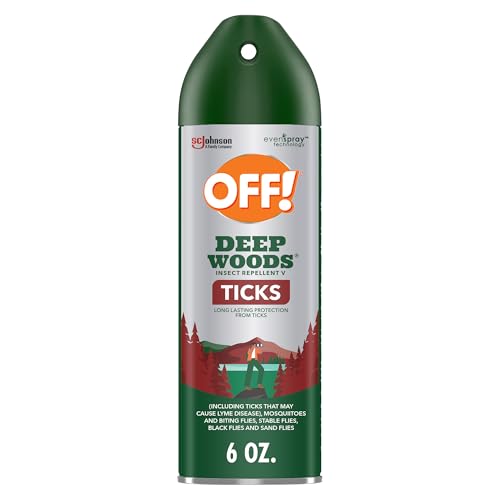
OFF! Deep Woods Tick & Mosquito Repellent Bug Spray 6 oz

SC Johnson Professional Off! Deep Woods Insect Repellent Dry Aerosol Spray 2.5 oz 12 Case Pack

OFF! Deep Woods Dry Insect & Mosquito Repellent Bug Spray 4 oz (2-Pack)

OFF! Deep Woods Mosquito and Insect Repellent Wipes 12 Individually Wrapped

OFF! Clean Feel Misting Insect & Mosquito Repellent Bug Spray 6 oz

OFF! Deep Woods Max Insect Repellent Aerosol 20% Picaridin 7.5 oz

OFF! Deep Woods Dry Insect & Mosquito Repellent Bug Spray 2.5 oz

OFF! Deep Woods Insect Repellent VII Spritz 6 oz

OFF! Deep Woods Sportsmen Insect Repellent Spritz 98% DEET 1 oz
A Deeper Look At The Lineup
The 30% DEET formula is the headline feature here. DEET (a synthetic insect-repelling compound widely used since the 1950s) at that concentration handles mosquitoes, biting flies, gnats, and sand flies, which is exactly the mix you’ll meet in thick summer woods. The four-pack keeps a steady supply in the gear closet for the whole hiking season.
Most day hikers won’t need a higher DEET percentage. This sits in the sweet spot where protection lasts through long trail days without overwhelming sensitive skin in normal conditions.
Notable Upsides
- 30% DEET handles mosquitoes, biting flies, gnats, and sand flies in one spray.
- Four-can pack spreads across daypack, car, cabin, and a spare for friends.
- Aerosol mist lays down quick, even coverage on exposed skin and the backs of pant legs.
- Higher DEET share than the standard 25% formulas, useful near swampy trail sections.
Honest Caveats
- Strong chemical scent right after application, which fades within an hour.
- Aerosol cans are restricted on commercial flights, so it’s a car-camping pick.
- Higher DEET can feel heavier on skin than the 25% or dry formulas.
Right Fit For
Day hikers and weekend backpackers working the deep woods where mosquitoes are relentless and a stronger formula pays off.
Look Elsewhere When
Tick-heavy brush routes suit OFF! Deep Woods Tick & Mosquito Repellent Bug Spray 6 oz more directly, since that label is engineered around tick exposure.
Ticks are the unspoken hazard of eastern deciduous forests, tall-grass meadows, and any trail that crosses former pasture. This spray lists ticks, biting flies, gnats, chiggers, and mosquitoes on the label, which makes it a strong fit when you know you’ll be brushing against vegetation. At 25% DEET, it’s also a touch kinder to skin than the 30% sportsmen formula above.
Tick checks remain essential. The spray reduces the odds of a bite, but a proper post-hike inspection still belongs in the routine for any tick-prone hike.
What Pays Off
- Targeted tick coverage, including species that carry Lyme disease.
- 25% DEET is enough for full-day protection on most summer hikes.
- Single 6 oz can is light enough to live in a hip-belt pocket.
Things To Consider
- Treat socks, cuffs, and waistband specifically, since missed edges are common bite spots.
- DEET can degrade certain synthetic fabrics, so test on jacket cuffs first.
Built With In Mind
Hikers working the Northeast, Upper Midwest, or any trail bordered by tall grass and leafy brush where ticks are the top concern.
Reach For A Different Pick When
Backcountry campers heading into heavy mosquito zones for multi-day trips should consider OFF! Deep Woods Sportsmen Insect Repellent Aerosol 30% DEET 6 oz (Pack of 4) for its stronger concentration.
A twelve-pack of 2.5 oz cans reads as a commercial supply, and that’s exactly the point. Outfitters, summer-camp staff, trail crews, and family reunion planners can hand a can to every participant without worrying about who forgot theirs. The dry aerosol formula means no greasy residue on shared gear, which matters when groups are passing bottles around a trailhead.
For solo hikers, the case format is overkill. For groups, it’s hard to beat the convenience of pre-portioned cans that fit into any pocket or pack.
Practical Pluses
- Twelve individual cans simplify distribution across a group.
- Dry finish keeps hands and shared gear clean.
- 2.5 oz size is TSA-friendly for any group flying to a trailhead.
Points To Note
- Storage requires space for a full case, so apartment dwellers may find it bulky.
- Each can is small, so heavy sweaters on multi-day trips may run out faster.
Whose Shelf It Belongs On
Outfitters, guides, summer camps, and anyone outfitting a large group for a single trip or a full season.
Swap It Out When
Solo day hikers should pick OFF! Deep Woods Dry Insect & Mosquito Repellent Bug Spray 4 oz (2-Pack), which delivers the same dry finish in a more practical size.
Heat and humidity change how a repellent feels on skin, and the dry formula here is the one that disappears after a minute. Two 4 oz cans in the pack keep one in the daypack and a spare at home or in the car, which covers the most common way hikers run out: mid-trip, with no store nearby.
At 25% DEET, the active load is moderate. For thick canopy or stagnant water, you may want to reapply more often than the label suggests.
Useful Strengths
- Powder-dry finish feels weightless, even on a humid ridge walk.
- Two-can format handles the common “lost the can” scenario on longer trips.
- Repels mosquitoes, ticks, biting flies, gnats, and chiggers in one application.
Small Caveats
- Dry formulas tend to need reapplication sooner in heavy sweat conditions.
- 4 oz cans still count as a regulated aerosol for air travel.
Who Should Grab It
Regular hikers who want a comfortable, low-residue formula for warm-weather trail days without committing to a four-pack.
A Better Fit Elsewhere
Flyers heading to remote trailheads should consider OFF! Deep Woods Sportsmen Insect Repellent Spritz 98% DEET 1 oz instead, since the small spritz clears airport security and still handles serious bug pressure.
Wipes solve a specific problem: getting repellent on a face, a wrist, or the back of a neck without fumbling with an aerosol on a windy ridge. Each towelette is individually wrapped, so a few can rattle around in a hip-belt pocket without drying out. Twelve sheets cover a long weekend for one hiker.
Wipes aren’t the fastest way to cover a full leg. They shine for touch-ups and face coverage, and pair well with a spray for full-body application.
Real-World Strengths
- Individual wraps keep unused sheets fresh across a multi-day trip.
- Easy, controlled application on faces, ears, and necks where sprays drift.
- Won’t leak or depressurize in a pack, unlike aerosol cans.
- 25% DEET delivers dependable protection for full-day hiking.
Trade Offs
- Slower coverage for full legs and arms compared to a misting spray.
- Disposable sheets generate pack trash that needs to be carried out.
Key Specs
Perfect Match For
Minimal-pack hikers and travelers who want no aerosol, no leaks, and quick face-and-neck touch-ups on the trail.
Not Your Match When
Hikers facing intense mosquito swarms will find OFF! Clean Feel Misting Insect & Mosquito Repellent Bug Spray 6 oz easier for full-body coverage with less wiping.
For hikers who want to skip DEET entirely, this misting spray covers mosquitoes, ticks, and biting flies with a formula that’s light on the skin. The continuous mist works upside-down, which makes it easy to hit the backs of knees, ankles, and shoulders without a contortion act.
Active ingredients in DEET-free formulas vary, so check the label if you’re switching from a familiar product. The upside is a softer feel and a more flexible application.
A Few Strong Suits
- DEET-free formula suits hikers with sensitivity to common repellents.
- Continuous mist sprays from any angle, including upside-down.
- Light, clean feel on skin compared to traditional DEET aerosols.
Worth Noting
- DEET-free formulas typically need more frequent reapplication in heavy mosquito zones.
- Misting can drift in wind, so a calm morning or sheltered spot helps.
Best Suited To
Casual hikers, families, and anyone who prefers a DEET-free spray for shorter or low-pressure trail days.
Where Another Pick Suits Better
Backpackers tackling remote, mosquito-heavy routes should consider OFF! Deep Woods Sportsmen Insect Repellent Spritz 98% DEET 1 oz for its much longer protection window.
Picaridin is a synthetic repellent developed as an alternative to DEET, and at 20% it competes on duration while staying gentler on synthetic fabrics. The label highlights that it won’t damage activewear, plastics, or painted surfaces, which matters for hikers running technical shells, treated rain jackets, and expensive backpacks.
Up to 10 hours of protection is enough for a long summit day. Fragrance-free and non-greasy, this is the option for gear-conscious hikers.
Standout Benefits
- 20% Picaridin offers long-lasting protection without the DEET odor.
- Gear-safe formula protects technical fabrics and coated finishes.
- Fragrance-free and non-greasy for sensitive noses and clean skin feel.
- Repels mosquitoes and ticks with up to 10 hours of coverage per application.
Less Ideal Details
- Pricier per ounce than DEET aerosols at the same protection window.
- 7.5 oz can still falls under airline aerosol rules for checked baggage limits.
Quick Facts
Made For
Hikers running expensive technical clothing, rain shells, or coated packs who want DEET-level protection without risking fabric damage.
Consider Something Else When
Budget-focused shoppers who don’t mind DEET will find OFF! Deep Woods Dry Insect & Mosquito Repellent Bug Spray 4 oz (2-Pack) a more affordable everyday option.
The 2.5 oz can is the smallest of the dry aerosol lineup, which makes it a natural fit for short hikes, summit pushes, and runners who want repellent without the bulk. The dry finish keeps skin comfortable on hot days when a greasy formula would feel miserable under a backpack hip belt.
Smaller cans mean fewer applications per can. For long trail days, you’ll likely need a backup or a refill.
Why It Works Well
- Compact 2.5 oz can fits in most running belts and small daypacks.
- Dry, non-greasy formula stays comfortable in summer heat.
- 25% DEET handles mosquitoes and ticks through standard day hikes.
Things That May Matter
- Smaller can runs out faster on extended trips or hot, sweaty days.
- Spray valve can clog if stored for long periods between uses.
Who Will Love This
Trail runners, fastpackers, and day hikers who want minimum pack bulk without giving up the dry-feel formula.
Skip It When
Multi-day backpackers should grab OFF! Deep Woods Dry Insect & Mosquito Repellent Bug Spray 4 oz (2-Pack) for longer supply without a major size jump.
The pump spritz format ditches aerosol propellant, which appeals to hikers who want to avoid spray drift on windy summits or who prefer a quieter application at camp. You press the top and a measured stream lands exactly where you aim, no overspray on your pack or your neighbor.
It runs at the same 25% DEET concentration as the aerosol Deep Woods line, so protection matches. The trade-off is slower coverage and a slightly heavier feel on skin.
What Stands Out
- Pump spritz delivers controlled application with no aerosol drift.
- Targets skin and clothing directly without wasting propellant.
- Quieter at camp, which helps in bear-aware or quiet-zone camping areas.
Practical Considerations
- Slower full-body coverage than aerosol mists.
- Liquid can leak if the cap isn’t fully secured in a pack.
Perfect Match For
Hikers who want targeted, controlled repellent application without the noise or drift of an aerosol can, especially around camp.
Where A Sibling Pick Shines
Hikers who need quick, broad coverage on legs and arms will find OFF! Deep Woods Sportsmen Insect Repellent Aerosol 30% DEET 6 oz (Pack of 4) faster for full-body application.
At 98% DEET, this is the concentrated option reserved for serious bug country: deep bogs, northern woodlands in peak season, or any trip where reapplication isn’t practical. The travel-size spritz is also one of the few DEET options cleared for carry-on luggage, which makes it a smart pick for hikers flying into remote trailheads.
High-concentration DEET is overkill for casual day hikes. Use it where mosquitoes are unmanageable with anything else.
Reasons It Performs
- 98% DEET handles the most aggressive mosquito and tick pressure.
- Up to 10 hours per application, fewer touch-ups on long trail days.
- 1 oz travel size is one of the few DEET options allowed in carry-on bags.
- Spritz format applies without the propellant waste of aerosol cans.
Factors To Consider
- High DEET concentration can irritate sensitive skin, especially with repeated use.
- Strong solvent feel; avoid contact with plastics, watch crystals, and treated lenses.
Feature Snapshot
Right Fit For
Backcountry hikers, hunters, and travelers flying into remote trailheads who need maximum protection in a small, packable bottle.
Not Your Match When
Casual day hikers in moderate terrain will be better served by OFF! Deep Woods Dry Insect & Mosquito Repellent Bug Spray 4 oz (2-Pack), which is kinder to skin at lower cost.
What Matters Most Before Choosing Bug Repellents For Hiking
Active Ingredient And Concentration
DEET and Picaridin are the two workhorses for North American trails. DEET at 25% to 30% handles nearly every hiking scenario, while Picaridin at 20% matches DEET’s duration without the heavy scent. Higher concentrations (98% DEET) are reserved for extreme bug pressure where reapplication isn’t an option. For most day hikes, a moderate concentration is enough, with reapplication timed to your sweat rate.
Format And Packability
Aerosol cans cover large areas fast but are restricted on commercial flights and can leak if valves fail. Pump spritzes offer controlled application with no propellant drift, useful around camp. Wipes fit anywhere and never leak, but slow down full-body coverage. Match the format to your trip length, your packing style, and whether you’ll fly.
Comfort, Scent, And Skin Feel
Dry formulas disappear into skin, while traditional aerosols leave a slight residue. Fragrance matters more on shared trips and around camp, where a strong chemical scent can bother tentmates. For sensitive skin, Picaridin or DEET-free options are worth considering, though they may need more frequent reapplication in heavy mosquito zones.
Tick Coverage For Your Region
Tick pressure varies sharply by region. The Northeast, Upper Midwest, and parts of the Pacific Northwest carry Lyme-disease risk, and any hike through tall grass or brush benefits from a formula that lists ticks explicitly. Even with a strong spray, post-hike tick checks remain essential.
Slip Ups And Spending Logic In This Category
Common Shopping Slip Ups
Grabbing the highest-DEET formula for a casual day hike leaves you smelling like a chemical plant and risking skin irritation for protection you don’t need. On the flip side, picking a DEET-free mist for a serious backcountry trip means reapplying every couple of hours, which can empty the bottle before you reach the trailhead. Match concentration to bug pressure, not to fear of mosquitoes.
Where The Extra Money Goes
Higher-tier picks in this list, like the Picaridin gear-safe formula or the 98% DEET travel spritz, cost more per ounce because of the active ingredient or the specialized format. The premium pays off when you need fabric safety for technical clothing or maximum protection in a small TSA-friendly bottle. For routine trail days, mid-range 25% DEET aerosols deliver the best balance of coverage, comfort, and price.
Frequently Asked Questions
How long does bug repellent actually last on a hiking trail?
Most 25% to 30% DEET formulas last around 6 to 8 hours in normal conditions. Heavy sweating, wet vegetation, or hot sun shorten that window, so plan on reapplying every few hours during intense exercise. Picaridin and 98% DEET formulas extend coverage up to 10 hours for less sweaty activities.
Can I bring DEET bug spray on a plane?
Standard 6 oz and 4 oz aerosol cans fall outside carry-on rules for most airlines. The 1 oz pump spritz with 98% DEET is one of the few DEET options cleared for carry-on luggage. Pack larger cans in checked baggage or buy at your destination.
Are DEET-free repellents strong enough for hiking?
For casual day hikes in low-pressure areas, yes. DEET-free formulas handle mosquitoes and biting flies reasonably well, though they need more frequent reapplication. In heavy mosquito country or tick-heavy terrain, DEET or Picaridin formulas are the safer pick.
Do I still need to do tick checks if I use repellent?
Yes. Repellent reduces the odds of a tick bite, but no spray guarantees full protection. After any hike through brush or tall grass, do a full-body tick check within a few hours, paying special attention to waistbands, socks, and hairlines.
Will bug spray damage my hiking gear?
DEET can degrade certain synthetic fabrics, coated rain shells, and plastics like watch crystals or sunglass lenses. If you run technical clothing, the Picaridin-based OFF! Deep Woods Max Insect Repellent Aerosol 20% Picaridin 7.5 oz is engineered to be gear-safe.
Closing Remarks
The right repellent depends on where you hike, how long you’re out, and what you’re wearing. Match the concentration to your region’s bug pressure, pick a format that fits how you pack and travel, and don’t skip post-hike tick checks even on repellent-heavy days. With the right bottle in your pack, the trail stays the focus instead of the swarming.