
A weekend in the woods can flip fast. You show up for the smell of pine and a quiet river, then the mosquitoes show up with their own plans, and suddenly the trip is about scratching instead of sitting by the fire. Bug repellent is one of those small pieces of gear that decides whether you remember the trip fondly or remember it through a haze of calamine lotion. This lineup collects ten bug repellents and companion options that handle the swat-and-spray routine across a range of conditions, from short weekend car camping to deep-woods treks. Most of these rely on DEET, a synthetic insect repellent developed for the U.S. military in 1946 that remains a benchmark for serious mosquito and tick country. A few go in a different direction for campers who prefer a plant-based approach. Pick the one that matches where you pitch your tent and how much heat the bugs bring.
The Lineup, Simplified

OFF! Deep Woods Sportsmen Insect Repellent Aerosol 6 Oz (Pack of 4)
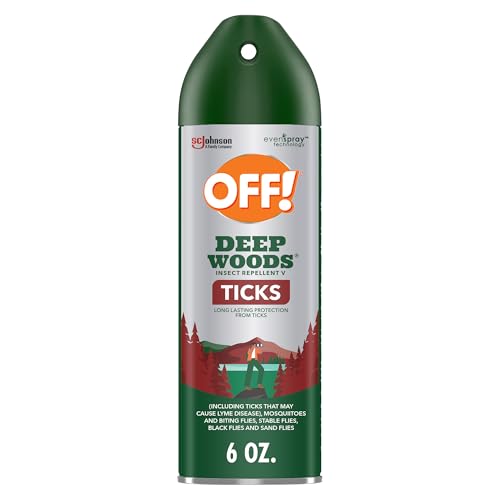
OFF! Deep Woods Tick & Mosquito Repellent Bug Spray 6 oz

OFF! Deep Woods Dry Insect & Mosquito Repellent Bug Spray 4 oz (2-Pack)

OFF! Deep Woods Mosquito and Insect Repellent Wipes (12-Pack)

OLIGHT ArkPro EDC Flat Flashlight Rechargeable Pocket Light

OFF! Deep Woods Max Mosquito & Tick Aerosol with 20% Picaridin 7.5 oz

OFF! Deep Woods Dry Insect & Mosquito Repellent Bug Spray 2.5 oz

OFF! Deep Woods Insect Repellent VII Spritz Bug Spray 6 oz

OFF! Deep Woods Sportsmen Insect Repellent Spritz 98% DEET 1 oz

Virine Plant-Derived Portable Mosquito Repeller 2-Pack with Refills
A Deeper Look At The Lineup
Group trips in the Northeast, Upper Midwest, or anywhere along the Canadian border tend to bring out the worst in mosquitoes. The 30% DEET concentration here is meaningfully stronger than the 25% blends that dominate most store shelves, and for most campers that jump matters when the bugs are thick. Pack-of-four sizing means you can leave a can in each car trunk, the cook tent, and the bear-bag without rationing.
Application is the usual aerosol pattern, and the spray is broad enough to cover jacket sleeves and pant legs in a few sweeps. The trade-off is the same one that comes with any strong DEET formula: don’t let it sit on synthetic jacket shells or fishing fly lines for long, because the solvent can damage coatings. For car campers and basecamp cooks, that caveat barely matters.
What Works In Its Favor
- 30% DEET concentration sits in the heavy-duty range for serious mosquito pressure
- Pack of four spreads the supply across the car, the cabin, and the cooler without rationing
- Aerosol spray covers clothing quickly, including tricky cuffs and sock tops
- Repels mosquitoes along with biting flies, gnats, and sand flies for broader campsite use
Points To Keep In Mind
- Strong DEET solvent can damage synthetic jacket shells, fly lines, and watch crystals, so apply carefully around technical gear
- Aerosol cans must be stored away from hot camp stoves and direct sun to avoid pressure issues
Built With In Mind
Group car campers, family reunions, and basecamp cooks heading into serious mosquito country for a long weekend.
Swap It Out When
Backpackers chasing the lightest load should reach for the OFF! Deep Woods Dry Insect & Mosquito Repellent Bug Spray 2.5 oz instead.
Ticks change the math on a camping trip in ways mosquitoes never do. A single bite from a blacklegged tick can mean weeks of watching for a bullseye rash, and a deer tick bite in the wrong place is a medical appointment. The OFF! Deep Woods Tick & Mosquito Repellent is built around that worry, formulated with 25% DEET and tuned to repel ticks along with mosquitoes, biting flies, gnats, and chiggers.
For hunters pushing into tall grass, anglers working the brushy banks of spring creeks, and campers in the Northeast or Upper Midwest, that mix of coverage matters. The aerosol pattern lays down a steady mist that handles socks and waistbands quickly, the two spots where ticks most often board. One caution most users learn the hard way: on very humid days the propellant can feel cooler than the skin underneath, and you may find yourself under-applying until you build the habit.
Where It Excels
- 25% DEET formula covers ticks alongside mosquitoes for fuller campsite defense
- Repels chiggers and gnats, which spares anglers and hunters in brushy terrain
- Aerosol mist reaches waistbands and boot tops, the most common tick boarding points
Honest Caveats
- Reapplication is needed after long sits in wet brush or after wading streams
- Strong DEET can mark certain light-colored fabric finishes, so test on an inside seam first
Whose Shelf It Belongs On
Hunters, anglers, and campers in regions with active tick populations, especially in the Northeast and Upper Midwest.
Where Another Pick Suits Better
Travelers heading into dense mosquito country without much tick exposure will get more mileage from the OFF! Deep Woods Sportsmen Insect Repellent Aerosol.
Greasy arms ruin a camping trip almost as fast as mosquito bites do. The Deep Woods Dry line is the answer to that complaint, because the formula finishes powder-dry on the skin, so wristwatch bands don’t slip and there is no slick feeling when you reach for a frying pan handle. The 25% DEET concentration here matches the classic Sportsmen blend for actual protection; the only meaningful change is the carrier that makes the spray feel invisible once it sets.
Two cans in the pack make sense for a couple or a parent-child pair who want one can in the tent and one for the daypack. For a long weekend in moderate mosquito country, most campers will finish both. The trade-off, depending on your perspective, is that the dry finish can feel chalky on very dry skin, so a small dab of hand lotion underneath helps on long trips.
The Case For It
- Powder-dry finish stays out of the way of wristwatch bands and pan handles
- 25% DEET formula handles mosquitoes, biting flies, and gnats for full weekend coverage
- Two-can pack splits between a tent and a daypack without sharing
Some Limits To Know
- Dry feel can read as chalky on already-dry skin, so a touch of lotion underneath helps
- 4 oz cans run out faster on week-long trips, so heavy travelers may need a refill midweek
Right Fit For
Campers who hate the slick feeling of traditional sprays and want a near-invisible finish for fishing, paddling, or grilling.
Not Your Match When
Long expedition campers should reach for the OFF! Deep Woods Sportsmen Insect Repellent Aerosol 6 Oz (Pack of 4) for more total volume.
There are trips where a spray can is a non-starter. A puddle-jumper flight, a backcountry shuttle, or a tent shared with a friend who reacts to aerosols, those are the moments that call for wipes. The 12-pack here ships each towelette sealed, so a single wipe lives quietly in a cargo pocket or hipbelt until the moment you need it. The 25% DEET formula inside is the same active ingredient as the spray cans, and the wipe format means you control exactly where it lands.
Wipes also solve the “I forgot to reapply” problem on day hikes, because you can hand one to a partner without holding still for a spray. The honest read is that you trade volume for convenience. A wipe covers roughly an arm and a leg, so a full-body reapplication uses two or three. For overnight trips where you can pre-treat clothing, that math still works out.
Good Reasons To Consider
- Individually wrapped towelettes fit into cargo pockets and hipbelts without leaking
- 25% DEET formula matches the spray cans for actual insect coverage
- Wipe format avoids aerosol drift around food, stoves, and tent mates
Worth Noting
- Full-body reapplication uses multiple wipes, so pack enough for your trip length
- Sealed wrappers create a small amount of trail trash over a long trip
Who Will Love This
Day hikers, travelers flying to their campsite, and anyone who shares a tent with a partner sensitive to aerosol spray.
Look Elsewhere When
Car campers setting up a basecamp for a long weekend will get more value from the OFF! Deep Woods Sportsmen Insect Repellent Aerosol 6 Oz (Pack of 4).
A campsite turns into a different place after dark, and the bug strategy changes with it. Most mosquito species are visual hunters that key in on carbon dioxide and warmth, but biting flies and certain no-see-ums track movement and light. A flat pocket flashlight that lives in your pocket lets you find your way to the bear bag, inspect a tick, or check the tent zipper without fumbling. The OLIGHT ArkPro fits that role with a 1,500-lumen flood mode for camp tasks, an 800-lumen long-range spotlight rated to 205 meters for spotting trail markers, and a UV plus a green beam tucked into a flat, pocketable body.
It is technically not a repellent, which is why it sits alongside the other picks rather than competing with them. For campers who already own a can of Deep Woods, the ArkPro fills a different need: it solves the part of the night where you cannot find your sock. The trade-off is the green beam output is rated at 5mW Class 3R, so you should never point it at anyone’s face.
Useful Strengths
- Four-mode light source handles flood lighting, long-range spotting, UV, and green beam in one tool
- Flat pocket form factor rides in a pants pocket without the bulk of a tubular flashlight
- Rechargeable battery removes the cost and waste of swapping AAs at the campsite
Practical Considerations
- Green beam is Class 3R and should not be aimed at anyone’s eyes
- Rechargeable battery needs a power source on long off-grid trips, so a small power bank helps
Feature Snapshot
Who Should Grab It
Car campers and basecampers who want one tool to handle tent tasks, late-night tick checks, and trail spotting in a pocket-friendly form factor.
A Better Fit Elsewhere
Bug-focused campers will get more direct value from the OFF! Deep Woods Sportsmen Insect Repellent Aerosol.
Picaridin is the active ingredient that came out of the Bayer research labs in the 1990s and has since become the most common DEET alternative in European and Australian repellent products. The 20% Picaridin formula here lists up to 10 hours of protection against mosquitoes and ticks, and the carrier is built to play nicely with technical fabrics, painted helmet shells, and fishing tackle, which is a quiet problem most DEET sprays do not solve well.
For families with kids, anglers with expensive reels, and hunters who don’t want their binocular coatings damaged, that gear-safe profile is the headline. The 7.5 oz can is also larger than most DEET competitors, so a long weekend of cook tent, base camp, and daytime recon goes further. The trade-off is that very high mosquito pressure can shorten the effective window, so heavy-bug campers may need a midday reapplication.
What Earns Its Place
- 20% Picaridin formula is DEET-free and gentler on sensitive skin
- Gear-safe carrier won’t strip coatings from binocular lenses, reels, or watch crystals
- Up to 10 hours of protection covers a long fishing or hunting day in a single application
- Fragrance-free and non-greasy finish for comfortable all-day wear
A Few Limitations
- Very high mosquito pressure can shorten the effective window, so a midday reapplication helps
- 7.5 oz aerosol still has propellant storage rules, so keep it out of hot car trunks
Made For
Families with kids, anglers, and hunters who want serious protection without risking damage to technical gear and expensive coatings.
Consider Something Else When
Campers heading into the worst mosquito pressure zones should consider the OFF! Deep Woods Sportsmen Insect Repellent Spritz with 98% DEET instead.
The 2.5 oz size is the can that lives in the daypack lid. It is small enough to forget about until the bugs find you on a ridge or a sunny meadow, and the powder-dry 25% DEET formula leaves the same residue-free finish as the larger cans in the same product line. For backpackers counting ounces, the size hits a sweet spot that bigger 6 oz cans cannot match.
You may find that the can empties faster than expected on a long trail week, so most backpackers pack one per person for trips longer than four nights. The other honest note is that the small can is harder to find on a cluttered camp table, so a brightly colored ditty bag helps.
Well-Handled Touches
- 2.5 oz can fits in a daypack lid or hipbelt pocket for ridge and meadow attacks
- Powder-dry 25% DEET formula leaves no slick residue on hands or wristwatch bands
- Repels ticks and chiggers alongside mosquitoes for broader trail coverage
Trade-Offs To Consider
- Small can empties fast on long trips, so plan a spare for week-long outings
- Aerosol propellant can struggle to spray evenly when the can is cold from a mountain morning
Perfect Match For
Backpackers and day hikers who want a featherweight bug spray they can forget about until the swarm shows up.
Another Choice May Suit
Car campers and family trips will find the OFF! Deep Woods Sportsmen Insect Repellent Aerosol 6 Oz (Pack of 4) better value.
There is something quietly satisfying about a pump spritz. The VII uses a manual pump rather than an aerosol propellant, so you get a long, controlled stream that you can aim precisely at a sock top or pant leg without the spray drifting onto the camp stove or the dog. The 25% DEET concentration here handles mosquitoes, ticks, biting flies, chiggers, and gnats, the full campsite cast, and the manual pump means the can still works on a cold morning when aerosol propellants struggle.
The other practical difference is storage. Aerosol cans carry flammable propellant under pressure, which means campground rules and airline restrictions can complicate them. A pump spritz sidesteps most of that, which is why many fly-in fishing camps and backcountry lodges recommend them. The honest trade-off is that you trade the wide aerosol mist for a narrower stream, so full-body coverage takes more sweeps.
Useful Touches
- Manual pump spritz avoids aerosol propellant, simplifying airline and lodge rules
- 25% DEET formula covers mosquitoes, ticks, biting flies, chiggers, and gnats
- Controlled stream applies exactly where needed without drift onto food or stoves
Less-Strong Areas
- Narrower stream means full-body coverage takes more sweeps than an aerosol can
- Manual pump can occasionally clog if stored with old formula, so shake well before use
Best Suited To
Fly-in fishing campers, paddle trippers with bear barrels, and anyone whose camp setup prefers low-propellant gear.
Where A Sibling Pick Shines
Campers who prefer the classic powder-dry finish should consider the OFF! Deep Woods Dry Insect & Mosquito Repellent Bug Spray 4 oz (2-Pack) instead.
There is a reason the U.S. military stocks 98% DEET formulations in its deployable kits. At that concentration, the active ingredient approaches a field-grade level that handles dense mosquito pressure in places like the boreal forests of Alaska, the salt marshes of the Mid-Atlantic, and the humid bottomlands of the Southeast. The 1 oz travel size here makes that field-grade strength pocket-portable for the first time, and the spritz pump gives you the controlled application that high-concentration DEET demands.
This is the option for campers who have been bitten (literally) by under-strength repellents in the past. The trade-off is real. 98% DEET is intense on the skin, will absolutely mark certain synthetic fabrics, and is overkill for a backyard barbecue. Use it for the trips that need it and leave the everyday cans in the rotation.
What Helps Most
- 98% DEET concentration handles the worst mosquito and tick pressure short of a swamp
- 1 oz travel size fits in a cargo pocket for backcountry and remote fishing trips
- Odorless, fragrance-free formula avoids the heavy chemical smell of older DEET products
Worth Bearing In Mind
- High-concentration DEET can mark synthetic jacket shells and tent rainflies, so apply to skin only
- Smaller 1 oz can runs out fast on long trips, so pack a backup for week-long use
Who It Suits Best
Alaskan bush campers, Gulf Coast anglers, and seasoned travelers who have been let down by lighter formulations.
Where Another Pick Suits Better
Family car campers heading into mild conditions will get better comfort from the OFF! Deep Woods Max Insect Repellent with 20% Picaridin.
Not every camper wants to spray anything on their skin, and that is the gap the Virine repeller is built to fill. The unit uses a rechargeable, diffuser-style design with plant-derived refills including citronella, peppermint, and geranium oils. A two-pack plus refill setup creates overlapping protection zones around a tent pad or picnic table, and the rechargeable battery means no camp-stove worries about open flames from coils.
Plant-derived repellents have a long history, and the honest read is that they tend to perform best as area repellents in light mosquito pressure rather than personal protection in serious swarms. For RV campers, patio setups, and family campers who want a fragrance-friendly alternative to DEET, the format works. The trade-off shows up when the bugs are thick: a diffuser-only strategy is rarely enough on its own.
What Stands Out
- Plant-derived formula avoids skin contact entirely, ideal for sensitive campers
- Rechargeable design removes the fire risk of traditional citronella candles and coils
- Two-pack plus refills creates overlapping zones around a tent pad or picnic table
Where It May Fall Short
- Plant-derived refills vary in performance under heavy mosquito pressure, so carry a backup spray
- Refills are an ongoing consumable cost, so budget for replacement cartridges across the season
Best Suited To
RV campers, patio sitters, and skin-sensitive families who want a fragrance-based repellent for low-to-moderate mosquito conditions.
Reach For A Different Pick When
Backcountry campers should pack the OFF! Deep Woods Dry Insect & Mosquito Repellent Bug Spray 2.5 oz as their primary defense.
Picking The Right Bug Repellents For Camping
Active ingredient is the first decision, and it really only splits three ways. DEET is the legacy workhorse, the one the U.S. military standardized on, and it remains the most-studied repellent in the world. Picaridin is the modern alternative that has largely replaced DEET in European outdoor products; it is gentler on gear and tends to feel less oily. Plant-derived options like citronella, peppermint, and geranium oils work best as area repellents in low-pressure conditions. For most campers, the choice is between 25% to 30% DEET for serious bug country, 20% Picaridin for gear-safe and skin-sensitive use, or a plant-based diffuser for patio-style setups.
Concentration matters more than brand. A 10% DEET spray may protect for roughly two hours, while a 30% DEET formula can extend that window to six or more, depending on humidity and sweat rate. Picaridin and DEET track each other closely at similar concentrations. The flip side is that going much beyond 30% DEET in a personal spray starts to damage synthetic gear without a meaningful jump in effective protection time, which is why 98% DEET makes sense for the worst conditions and not much else.
Format and application change the way a repellent works in camp life. Aerosol cans cover wide areas like jacket sleeves and pant legs fast, which matters when a swarm hits a ridge. Pump spritz bottles give controlled application for technical fabrics and tent-mates who react to aerosol drift. Wipes fit in pockets and are perfect for reapplication mid-hike without holding still. Diffusers protect a zone rather than a person, which is useful around a picnic table but rarely enough on its own in heavy mosquito country. Match the format to the trip: aerosol for basecamp, wipes for the trail, spritz for the cook tent, and a diffuser for the patio table.
Key Considerations Across These Picks
Mistakes Worth Dodging
The single most common slip is buying a 10% DEET formula for a serious mosquito trip because the bottle looked friendlier, then watching the protection window collapse two hours into the evening. Concentration and target pest both matter, and the label is your friend here. The other frequent error is treating a plant-based diffuser as a complete replacement for a personal spray in heavy bug country. Diffusers and sprays do different jobs, and the worst night of any camping season usually comes from relying on one when the trip called for both.
Where The Extra Money Goes
The premium tier in bug repellent buys you a more durable active ingredient, a gear-safe carrier, and a longer protection window per application. Picaridin products at 20% concentration cost a bit more than 25% DEET cans because the chemistry is newer and the carrier is engineered to play nicely with technical fabrics. High-concentration DEET like the 98% formula costs more per ounce because the active ingredient load is so much higher. You are paying for fewer reapplications and better compatibility with expensive jackets, reels, and packs. For weekend trips in moderate conditions, the everyday tier is plenty. For longer trips in serious mosquito country, the upgrade pays for itself in fewer mid-day reapplications and less wear on technical gear.
Frequently Asked Questions
What concentration of DEET do most campers actually need? A 25% to 30% DEET formula handles the majority of camping conditions in the United States, balancing protection time against the heavier feel of ultra-concentrated products. Head to 98% DEET only when you know the bugs are unusually aggressive.
Is picaridin as effective as DEET for ticks and mosquitoes? At 20% concentration, picaridin tracks closely with 25% DEET for both mosquitoes and ticks. The advantage is the carrier: it is less likely to damage coatings on jackets, fishing reels, and watch crystals.
How often should bug spray be reapplied on a camping trip? Most 25% to 30% DEET formulas hold up for roughly six to eight hours under normal conditions, and that window shortens with heavy sweating or stream wading. Picaridin at 20% can stretch to ten hours in dry conditions.
Are plant-derived repellents strong enough for backcountry camping? Plant-based repellents, including those with citronella, peppermint, and geranium oils, work best as area repellents around a tent pad or picnic table. For personal protection in dense mosquito country, a DEET or picaridin spray is the safer choice.
What is the safest way to store bug spray at a campsite? Keep cans out of direct sun and away from camp stoves, because aerosol propellants and high heat do not mix. A cooler or shaded dry bag is the simplest solution for multi-day trips.
The Takeaway
The right bug repellent for your trip is the one that matches the bugs in front of you, the trip length, and the gear you bring along. For most campers, a 25% to 30% DEET aerosol in a 6 oz can is the workhorse that handles the widest range of conditions. Pick the variant that fits the trip, pack a backup wipe for trail use, and you will spend more time watching the fire and less time swatting the air.