
When the news cycle shifts from routine to alarming, the difference between calm and chaos often comes down to what is sitting in your closet. A solid bug out kit turns a stressful evacuation into a manageable walk out the door, and the right one keeps two people fed, dry, and oriented for at least 72 hours. The picks below cover a spread of needs, from solo hikers building their own go-bag to families who want one packed backpack ready to grab. Tactical bag shells, pre-packed survival kits, and even kid-focused nature sets are in the mix, since “bug out” looks different depending on who is in your household.
An Overview Of The Picks

Sirius Survival Bug Out Bag – Premium 72 Hour Survival Kit
Hannibal Tactical MOLLE Assault Backpack

G4Free 45L Military Tactical Backpack, Bug Out Bag

Redfora Complete Earthquake Bag – 3 Day Emergency Kit

HAIMST Bug Catcher for Kids, 22 PCS Bug Catching Kit

XKASE Survival Kit, 19 in 1 Emergency Gear
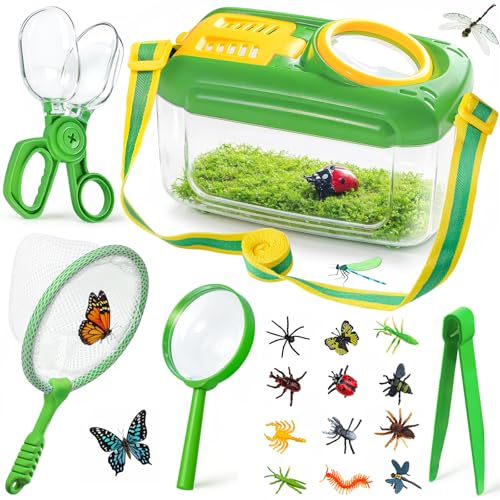
HAIMST Bug Catcher for Kids, 17 PCS Bug Catching Kit

Emergency Zone Family Emergency Kit Backpack

HAIMST Bug Catcher for Kids Age 3-12, Bug Vacuum Catching Kit
Inside Each Recommended Option
Sirius Survival built this backpack for the scenario most people quietly worry about: two adults needing to leave home for three full days with whatever the news is reporting. The contents lean well past the usual first-aid-and-flashlight minimum, so it doubles as a complete grab-and-go rather than a starter shell you still have to pack yourself. For households that have postponed emergency prep for months, this is the kind of single purchase that finally closes the gap.
It suits two people in most disaster scenarios, ranging from hurricanes and floods to fires and winter storms. Compared to the Hannibal Tactical MOLLE Assault Backpack below, this one shows up pre-loaded, while that one gives you an empty shell to customize from scratch.
Benefits That Matter
- Pre-packed for two people across a full 72-hour window, removing the guesswork for first-time preppers.
- Covers a wide spread of disasters, so the same bag works for a coastal hurricane or an inland winter storm.
- Item count reportedly exceeds common baseline checklists, which means fewer last-minute store runs.
- Backpack format keeps your hands free during evacuation, unlike a duffel or rolling case.
- Functions as a solid base even if you plan to personalize it later with medications or extra water.
Worth Noting
- Weight runs high once fully loaded, so expect to test the fit before relying on it for a long hike.
- Pre-packed kits often leave little room for personal medications, which you’ll need to add yourself.
At A Glance
Who It Suits Best
Couples or small households who want a fully stocked go-bag without researching every item by hand.
Consider Something Else When
The Hannibal Tactical MOLLE Assault Backpack makes more sense if you’d rather build your kit piece by piece.
Hannibal Tactical leans hard into the modular end of the spectrum. The bag arrives empty, which sounds like a step backward until you remember that seasoned preppers often want to choose every tool that goes inside. The 600×600 density fabric (a tough denier rating that resists tearing and abrasion) gives it a notably sturdy feel for daily wear, and the MOLLE webbing (the rows of stitched straps on the outside) lets you bolt on extra pouches as your kit grows.
Backed by a 3-day capacity in roughly a 30x50x33 cm frame, this pack suits anyone treating the bug-out bag as a long-term project. Where the Sirius kit above ships ready to go, this one rewards an afternoon of careful packing.
Well-Handled Touches
- Heavy 600×600 denier fabric shrugs off abrasion from rough ground and scrapes.
- MOLLE webbing across the exterior accepts add-ons without needing to sew custom panels.
- Included V-locks and a tactical D-ring give you anchor points for clipped gear.
- Water-resistant shell buys time in light rain, though it isn’t a full submersion barrier.
Points To Keep In Mind
- Arrives empty, so factor in the cost and time of sourcing food, water, and first-aid items separately.
- At 12x20x13 inches, it fits the standard 3-day frame but crowds taller users with bulky loads.
- Lacks built-in color-coded organizers like the Redfora kit further down.
Made For
DIY-oriented preppers who want control over every component and value long-term customization over instant readiness.
Skip It When
The Redfora Complete Earthquake Bag suits you better if you’d rather skip the curation step entirely.
The G4Free 45L hits a price tier that makes it tempting for shoppers who want a tactical-style bag without a premium outlay. Its 45-liter capacity sits comfortably above the Hannibal Tactical model, giving you space for bulkier items like a sleeping bag or extra clothing layers. The high-density fabric construction holds up under daily commutes and weekend outings alike.
Like the Hannibal pack, it ships empty, so this is a vessel for your own curated loadout. The real story is volume-per-dollar, especially for families trying to equip multiple household members.
Everyday Advantages
- Generous 45L interior swallows extended-stay supplies without forcing you to leave essentials behind.
- High-density fabric offers reasonable resistance to scuffs for the price tier.
- Military-inspired silhouette looks at home on a range day or in a shelter queue.
- Works well as a dual-purpose pack for travel and emergency stashing.
Small Caveats
- Empty interior means the total cost climbs once you add food, water, and shelter components.
- Less refined stitching than premium tactical brands, so handle the stress points gently when overloaded.
- Lacks the integrated organization system you get from the Redfora kit below.
Right Fit For
Budget-conscious preppers who need capacity and don’t mind sourcing the inner contents themselves.
Look Elsewhere When
The Emergency Zone Family Emergency Kit suits you better if you want one turnkey family-sized bag.
Redfora designed this kit around a single idea: when the ground shakes or the floodwaters rise, you shouldn’t have to think. The contents come sorted into re-sealable waterproof packs, each color-coded by function, which sounds small until you’re digging through a dark hallway at 2 a.m. Built around a 3-day window for two people, it includes food, water pouches, hygiene supplies, and a solid tool spread that covers most natural disasters on the West Coast and beyond.
Compared to the Emergency Zone family kit further down, Redfora’s color-coded system makes it easier to teach older kids or houseguests how to find what they need without instruction.
A Favorable Mix
- Color-coded waterproof sub-packs keep food separate from hygiene and tools.
- 3600-calorie food bars with a 5-year shelf life stay usable through long storage.
- NOAA hand-crank weather radio pulls double duty as a flashlight and emergency phone charger.
- Includes a tube tent and sleeping bag for two, so shelter is part of the package.
- 5-in-1 whistle and 30-ft nylon rope handle signaling and basic rigging needs.
Honest Caveats
- Multi-pack organization adds bulk, so the outer bag runs larger than bare-bones alternatives.
- Water pouches cover short-term needs, but heavy-use scenarios call for added purification capacity.
- Specialized tools like the multi-tool may not match dedicated brand-name equivalents.
Best Suited To
Pacific-ring households and families who want one ready-to-grab pack for earthquake and flood scenarios.
A Better Fit Elsewhere
The Emergency Zone Family Emergency Kit suits you better if shelf-stable rations and a discreet pack shape matter more than color-coded sorting.
Pulling the tone down a notch, this pick isn’t about evacuation at all. The HAIMST 22-piece set turns a backyard into a field station, with a magnifier-equipped viewer box and a butterfly net for chasing anything with wings. It packs 12 toy bugs alongside real collecting tools, so younger kids get the satisfaction of a quick “catch” while older ones learn patience with the tweezers and capsule clip.
It’s a smart shift from screen time to outdoor time, especially for ages that struggle with quiet attention. Compared to the 17-piece HAIMST set further down, this one adds a few more pieces for group play.
What Stands Out
- Magnifier viewer box turns captured insects into a closer look without squinting.
- Hand magnifying glass extends use beyond the catch cup for exploring leaves and bark.
- Butterfly net, capsule clip, and tweezers cover the full hunt-and-release workflow.
- 12 included toy bugs keep solo play going when real insects are scarce.
A Few Limitations
- Plastic magnifier components can scratch easily with rough use, so storage matters.
- No vacuum mechanism like the age-3-to-12 kit below, so live catch-and-release takes patience.
- Toy bug paint may chip after extended outdoor handling.
Who Should Grab It
Parents of curious kids ages 4 and up who want screen-free outdoor play with a science angle.
Reach For A Different Pick When
The HAIMST 17-piece kit works better for a smaller household that doesn’t need the extra toy bug count.
XKASE built this 19-in-1 set with a different buyer in mind: someone looking for a small, giftable bundle rather than a full evacuation pack. The contents cover the common outdoor basics, from a multi-tool to a flashlight and paracord, all sized to fit inside a stocking or a glove box. It’s the kind of thing you hand to a cousin who just bought a boat or a brother-in-law who keeps talking about weekend camping.
Where the Sirius Survival kit above handles two adults for three days, this one fits inside a daypack or kitchen drawer. The trade-off is capacity versus accessibility.
Strong Points
- 19 tools cover the common camping and roadside basics without overpacking.
- Compact form factor slips into a glove box, drawer, or backpack without dedicated space.
- Gift-style packaging suits holiday, birthday, and Father’s Day gifting scenarios.
- Affordable entry point for someone new to preparedness gear.
Practical Considerations
- Compact tools lack the durability of dedicated full-size equivalents.
- No food, water, or shelter components, so it complements rather than replaces a true bug out bag.
- Quality varies by individual tool, with the multi-tool typically outlasting the smaller accessories.
Perfect Match For
Outdoorsy gift shoppers looking for a low-fuss bundle for a fishing partner, scout, or frequent camper.
Another Choice May Suit
The Sirius Survival Bug Out Bag fits better if you need full evacuation supplies rather than a stocking stuffer.
HAIMST’s 17-piece set strips the formula back to the essentials, dropping a few toy bugs in favor of a leaner, easier-to-pack experience. The viewer box with built-in magnifier still anchors the kit, and a butterfly net, capsule clip, tweezers, and 12 toy insects round out the count. It’s a smart match for younger kids or households that found the 22-piece set a bit much.
Compared to the vacuum-equipped age-3-to-12 HAIMST kit below, this one keeps things passive, no batteries required, and works well for unhurried backyard afternoons.
Features That Help
- Bug viewer with magnifier doubles as a display case once the catch is secured.
- Hand magnifying glass encourages exploration beyond the catch cup.
- No batteries required, so it works right out of the box at any age.
- Twelve toy bugs add screen-free imaginative play on rainy days.
Details To Watch
- Lacks the powered vacuum that makes the age-3-to-12 version faster for active hunters.
- Plastic components benefit from indoor storage between uses to extend their life.
Built With In Mind
Younger children and families who want an unplugged, hands-on outdoor kit without extra frills.
Swap It Out When
The HAIMST Bug Vacuum Catching Kit fits better for older kids who want a powered catching experience.
Emergency Zone built this kit around a single principle: a survival bag shouldn’t advertise itself. The pack measures 19x15x10 inches, reads like an ordinary backpack, and slips into a closet without drawing attention. Inside, you get USA-made SOS-brand food rations and water pouches with a 5-year shelf life (a useful spec for prepping newbies who forget to rotate supplies), so the kit stays usable through years of closet storage.
Compared to the Redfora earthquake bag above, this one trades color-coded sub-packs for a more discreet overall shape and a longer shelf-life food format.
Practical Pluses
- Nondescript backpack exterior avoids attention during civil unrest or evacuation.
- 5-year shelf life on food rations suits households that rarely rotate stored supplies.
- Compact 19x15x10-inch footprint fits in closets, under beds, or in car trunks.
- Covers a wide range of disasters from hurricanes to civil unrest to wildfires.
- Food bars don’t require extra water or reheating, which matters when fuel is limited.
Less Ideal Details
- Lacks Redfora’s color-coded organization, so teaching household members where items live takes a conversation.
- Food rations are calorie-dense rather than varied, which can wear on appetite over multiple days.
- Compact exterior means heavier loaded weight sits close to the back.
Whose Shelf It Belongs On
Suburban families who want a long-shelf-life, low-profile bag that handles a wide range of disaster scenarios.
Where A Sibling Pick Shines
The Redfora Complete Earthquake Bag works better if color-coded sub-packs and visible organization matter more to your household.
The vacuum-equipped HAIMST kit trades patience for speed. A small battery-powered bug catcher vacuums up insects hands-free, so younger kids don’t have to wrestle a net every time a beetle darts under a leaf. The kit still includes the magnifier viewer, hand lens, butterfly net, capsule clip, and tweezers, so it covers both quick grabs and slower observation sessions.
The vacuum needs six AA batteries, which aren’t included, so plan a quick pickup before the first backyard run. Compared to the 22-piece HAIMST set above, this one leans more active and slightly older in its target age.
The Case For It
- Battery vacuum speeds up catching for energetic kids who lose interest fast.
- Bug viewer box plus magnifier supports hands-on science once insects are caught.
- Age 3-12 range covers a wide stretch of childhood without needing an upgrade.
- Mix of powered and manual tools gives kids options depending on mood.
Trade-Offs To Consider
- Requires 6 AA batteries (not included), an added cost and an item to remember before outings.
- Vacuum motor adds weight and bulk compared to the leaner 17-piece kit above.
- Powered components need occasional checking to ensure they’re kid-ready.
The Right Fit
Parents of energetic kids who want a powered catching tool alongside traditional magnifier-and-net play.
Not Your Match When
The 17-piece HAIMST set suits younger children better if you want a no-battery experience.
What To Weigh Before Choosing A Bug Out Kit
Coverage and duration come first. A kit that handles one person for one day covers a flat tire, not a regional evacuation. Look for setups designed for at least 72 hours across two people if your household includes a partner or older child, since most disaster-relief timelines assume that window. For solo adventurers or those building a customized loadout, the Hannibal Tactical and G4Free shells give you a long-lasting bag to pack yourself.
Pre-packed versus empty is the next fork. Pre-packed kits like Sirius Survival and Redfora save hours of research but lock you into the brand’s component choices. Empty tactical bags require an afternoon of curation but reward experienced preppers who want specific tools and calorie counts. For mixed households, a hybrid approach often works: one ready-made family kit plus one empty tactical pack for the gear-head.
Shelf life and rotation matter more than most people expect. Food bars and water pouches with a 5-year shelf life, like those in the Emergency Zone kit, forgive the household that forgets to rotate supplies twice a year. Shorter-shelf options demand a calendar reminder. Also consider discreet versus organized packaging: color-coded sub-packs teach kids fast, but a nondescript exterior keeps your supplies off the radar during uncertain moments.
Finally, the bag itself should fit the wearer. A loaded backpack can weigh 30 pounds or more, so adjustable straps, padded hip belts, and load-bearing frames turn an uncomfortable carry into a workable one. Try the loaded bag on before committing, since a too-tight or too-tall pack becomes a liability when you most need mobility.
Key Considerations Across These Picks
Common Shopping Slip Ups
The most frequent mistake is buying a kit based on the photo without checking the actual coverage. A “3-day” bag for one person won’t carry two adults through a hurricane warning, and shelf life on food can drop sharply once the outer packaging is opened. Read the coverage scope closely and confirm whether personal medications and extra water are part of the deal or left to you.
Another trap is overweighting fancy tools while skipping consumables. A loaded multi-tool looks impressive on paper, but the things that actually run out in an emergency are water, food, and clean bandages. Pre-packed kits with calorie counts and water pouch quantities tend to outperform bare-bones tactical bags for actual disaster use.
Where The Extra Money Goes
Higher-tier kits typically invest in three areas: shelf-stable food from regulated brands, multi-function tools that combine several pieces, and bag construction that holds up under years of closet storage. You’re paying for tested components, longer-lasting rations, and stitching that doesn’t unravel after a season in the garage.
For suburban families storing a kit in a closet for years, the upgrade tends to pay off through reliability. For backpackers and outdoor hobbyists who replace gear often, a mid-tier empty shell offers better long-term value.
Frequently Asked Questions
How long should a bug out kit actually last?
A solid bug out kit should cover at least 72 hours for two people, since most organized disaster relief takes one to three days to reach affected neighborhoods. Longer coverage helps in remote or rural areas, but the 72-hour benchmark is the practical baseline for most households.
What if I already have camping gear?
Camping gear covers shelter and basic tools, but it usually lacks food rations, water pouches, and emergency-specific items like weather radios. Pair your camping loadout with consumables and signaling tools, or start with a pre-packed kit and add the personal items that match your household’s needs.
Are pre-packed kits actually complete?
Pre-packed kits cover the standard checklist and often exceed it, but they can’t include personal medications, glasses, infant supplies, or pet food. Treat any pre-packed option as a strong foundation and add your household’s specific items on top.
How do I store a bug out kit without it going bad?
Keep it in a cool, dry spot like a closet or under a bed, and check the expiration dates on food and water once or twice a year. Rotate consumables as they approach their dates so the kit stays deployment-ready without waste.
Can kids help maintain the family kit?
Yes, and they probably should. Older kids can learn where each color-coded sub-pack lives and what it contains, turning the kit into a household project rather than a hidden adult secret. Even short drills make a real difference when minutes count.
Closing Thoughts
The right bug out kit depends on your household, your region, and how much curation you want to own. Two-person households in storm-prone regions get the most from Redfora or Sirius, while DIYers prefer Hannibal Tactical or G4Free shells. Families with kids should treat the Emergency Zone kit as a turnkey starting point, and gift-shoppers can lean on the XKASE bundle. Pick the one that fits your real life, run a quick inventory tonight, and the next time the news turns serious, you will already be ready.