
A single bug bite can derail a perfect trail day, a quiet evening on the porch, or a long fishing session by the lake. The right head net keeps biting flies and mosquitoes away without sealing you inside a stuffy bag or fogging your glasses. Walk into any outdoor retailer and you’ll find a wall of nearly identical-looking mesh, which makes choosing harder than it should be.
This list focuses on real differences in mesh weave, coverage area, and portability. A few serve the ultralight backpacker, others protect a full family at a roadside campsite, and one is a full-body suit for serious pest pressure. Pick the one that matches your bug load and trip style.
A Fast Comparison Of The Options

HOOPLE Extra Fine Mesh Bug Net

Sea to Summit Ultra-Mesh Mosquito Head Net
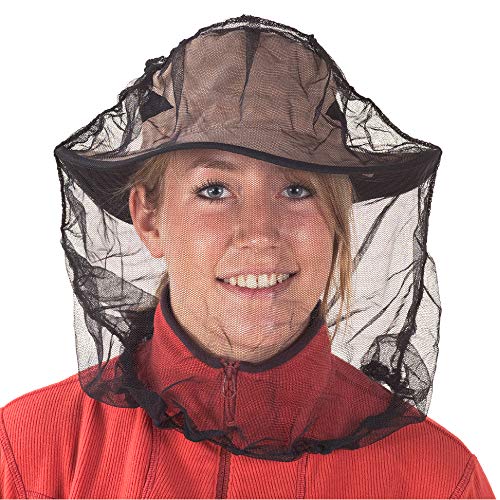
Sea to Summit Mosquito Head Net Mesh

Sea to Summit Permethrin-Treated Head Net

Sea to Summit Nano Pyramid Net Shelter

gumkeg 2-Pack Mosquito Head Net

HESTYA 6-Pack Mosquito Bug Head Net

gumkeg Mosquito Suit XL

Sea to Summit Pyramid Net Shelter
What Each Pick Brings To The Table
Casual campers who just want a simple barrier over a brimmed hat will appreciate how low-fuss the HOOPLE Extra Fine Mesh Bug Net feels. The drawstring at the base lets you cinch it down over a cap or visor, so it stays put during trail work or shore fishing without much adjustment. Compared with the Sea to Summit options coming later, this one trades technical specs for plain comfort.
It folds small enough to toss in a daypack or glovebox, which makes it a sensible backup for unexpected bug encounters on day hikes. If your typical outing means a state park rather than a remote river, this gets the job done without weighing you down or complicating your kit.
Everyday Advantages
- Drawstring closure adjusts over a hat and seals gaps at the neck.
- Fine mesh keeps mosquitoes and gnats out during casual outdoor time.
- Lightweight and folds compact, useful as a backup or loaner net.
- Simple shape makes it easy to put on without removing glasses or a cap.
Things To Consider
- Mesh density is not specified, so it may not block the tiniest biting midges.
- Durability under heavy branch contact is hard to verify without long-term owner data.
Who Should Grab It
Day hikers, anglers, and casual campers who want a quick, affordable head net for moderate bug pressure.
Where Another Pick Suits Better
For gnats and no-see-ums in dense coastal or mountain terrain, the Sea to Summit Ultra-Mesh Mosquito Head Net offers a tighter weave.
When the biting insects are the size of pepper flakes, ordinary netting fails. The Sea to Summit Ultra-Mesh Mosquito Head Net uses monofilament nylon (a single-strand, non-absorbent fiber) rated at roughly 2,000 holes per square inch, which is dense enough to filter out midges and no-see-ums. Where the HOOPLE Extra Fine Mesh Bug Net handles mosquitoes, this one tackles the smaller, more persistent pests near rivers and boreal forests.
It still slips over a hat brim and cinches with an elastic drawcord, then stuffs into a small sack for pocket carry. The black mesh color tends to reduce glare and improves visibility through the fabric compared with lighter shades.
What It Does Well
- Ultra-fine weave blocks gnats, midges, and sand flies that defeat looser mesh.
- Black coloring improves forward visibility through the net.
- Elastic drawcord secures fit over caps and wide-brim hats.
- Packs into a stuff sack small enough for a chest pocket.
Points To Note
- Denser mesh reduces airflow somewhat in still, humid air.
- Premium materials make it costlier than basic mosquito-only nets.
- Monofilament can snag on rough Velcro or branch tips if brushed hard.
Feature Snapshot
Right Fit For
Backpackers and fly fishers heading into coastal or alpine zones where midges and no-see-ums dominate the biting list.
Skip It When
For a low-cost family outing where only mosquitoes are a concern, the HESTYA 6-Pack Mosquito Bug Head Net covers more people for less.
The classic Sea to Summit Mosquito Head Net Mesh Face Cover earns its reputation through soft multi-filament polyester (a multi-strand woven fiber that feels gentler against skin) and reliable airflow. Its hexagonal mesh pattern, roughly 500 holes per square inch, lets humid air pass through more freely than the denser Ultra-Mesh version above. For warm-weather trips where mosquitoes are the main concern, that breathing room matters.
It slips over a baseball cap or sun hat and cinches at the collar with a simple elastic drawcord. The included stuff sack shrinks it down to roughly the size of a fist, which makes it a natural choice for travelers who count grams.
Real-World Strengths
- Multi-filament polyester feels soft against the face and glasses.
- Open hexagonal weave maximizes airflow on hot, humid days.
- Stuff sack fits easily into a hipbelt pocket or jacket pouch.
- Drawcord closure adjusts without fuss over different hat styles.
Honest Caveats
- Open weave lets tiny biting midges reach skin in heavy gnat zones.
- Polyester can absorb sweat, so owners commonly rinse it after sticky trips.
Made For
Lightweight travelers and warm-climate hikers who prioritize comfort and ventilation over blocking the smallest biting insects.
A Better Fit Elsewhere
Where midges and no-see-ums dominate, the Sea to Summit Ultra-Mesh Mosquito Head Net offers a noticeably tighter weave.
Mesh alone isn’t always enough when mosquitoes are aggressive at dawn and dusk. The Sea to Summit Permethrin-Treated Head Net pairs the same soft multi-filament polyester as the standard version above with an Insect Shield permethrin treatment (a factory-bound insecticide that helps repel and disable insects on contact). That added layer turns a passive barrier into a more active defense, useful in northern bogs, jungle edges, or tropical river systems.
It’s worth noting the treatment is bonded at the factory, so it holds up through repeated washing better than spray-on alternatives. The shape and fit mirror the untreated model, so anyone already familiar with the brand can transition easily.
What Stands Out
- Insect Shield permethrin treatment adds a chemical barrier beyond the mesh.
- Factory-bonded treatment resists washing better than consumer-applied sprays.
- Soft polyester weave stays comfortable during long wear in sticky weather.
- Stuff sack and elastic drawcord match the brand’s familiar, packable design.
Worth Bearing In Mind
- Permethrin-treated fabric requires care around cats, which can react to the compound.
- Effectiveness tapers over time, and re-treatment schedules are not specified by the maker.
Best Suited To
Outdoors travelers entering high-pressure mosquito zones such as the boreal north, mangrove coastlines, or humid river valleys.
Look Elsewhere When
For casual day use where mosquitoes are moderate, the standard Sea to Summit Mosquito Head Net Mesh offers similar comfort without the treated-fabric considerations.
This is a different kind of bug net. The Sea to Summit Nano Pyramid Net Ultralight Shelter drapes over a sleeping pad or mattress to protect the entire body, not just the head. The asymmetric pyramid shape pushes the peak closer to the pillow end, giving your head actual clearance rather than fabric draped across your nose. For ultralight backpackers sleeping under tarps or on open platforms, this replaces the need for a full tent.
The elasticized hem seals against the ground or sleeping pad, so insects can’t crawl underneath the way they can with looser nets. Where the head nets above are daytime tools, this one protects the eight hours that matter most.
What Works In Its Favor
- Full-body coverage protects your torso and legs during sleep, not just your head.
- Asymmetric pyramid design adds usable headroom above the pillow.
- Elasticized hem seals tight against pads to block crawling insects.
- Lightweight construction suits backpackers counting every gram in their pack.
Some Limits To Know
- Mesh density is not specified, so very tiny biting midges may still get through.
- No floor included, so a separate ground sheet is needed for wet ground.
- Single-wall mesh means zero rain protection without a tarp above.
Spec Overview
Whose Shelf It Belongs On
Ultralight backpackers and thru-hikers who sleep under tarps and need full-body insect protection without tent weight.
Reach For A Different Pick When
For car campers who want both insect and rain protection in one setup, the gumkeg Mosquito Suit XL covers more of the body while you stay active.
Traveling as a pair or running a small outdoor program means you need backup nets on hand. The gumkeg 2-Pack Mosquito Head Net ships two nets and two carrying bags in a single order, which makes it easy to outfit two people or stash one as a spare. The hexagonal honeycomb mesh (a six-sided weave pattern that balances airflow and tear resistance) is the same pattern used across the brand’s line.
Where the HESTYA 6-Pack later in this list serves family-scale trips, this two-pack hits the smaller sweet spot. It pairs well with fishing trips, weekend camping for two, or handing off a net to a friend who forgot theirs.
Strengths Worth Knowing
- Two nets per pack covers a couple or leaves a backup ready.
- Two included carrying bags keep each net clean and separate in a pack.
- Hexagonal honeycomb mesh balances airflow with reasonable tear resistance.
- Ultra-large cut fits over wide-brim hats and bulky hairstyles.
Where It Is Less Suited
- Mesh density specs are not listed, so small midges may still be an issue.
- Adult sizing leaves younger children with excess fabric to manage.
Who Will Love This
Couples, fishing partners, and small-group leaders who want a simple two-pack without paying for extras they won’t use.
Not Your Match When
For larger families or scout troops, the HESTYA 6-Pack Mosquito Bug Head Net delivers more units in a single purchase.
Group trips run smoother when everyone has their own net rather than sharing or improvising. The HESTYA 6-Pack Mosquito Bug Head Net delivers six identical nets in one order, sized at roughly 18 by 18 inches to fit men, women, youth, and older adults alike. For scout troops, family reunions, or outdoor education groups, that scale simplifies planning.
Each net uses breathable polyester fiber with an elastic band along the bottom edge, the same basic construction as the gumkeg 2-Pack but at higher quantity. Where the gumkeg option above suits pairs, this one is built for groups.
Practical Advantages
- Six-pack quantity suits family outings, scout troops, and group leaders.
- Single-size design at about 18 by 18 inches covers most head sizes.
- Breathable polyester weave keeps airflow steady during active wear.
- Bulk packaging lowers the per-net cost compared with single purchases.
Trade-Offs To Consider
- Owners commonly report loose threads on first use, so inspect before heading out.
- Bulk mesh is slightly less refined than premium single-net options.
- Six units may be more than a solo traveler needs to store between trips.
Built With In Mind
Family campers, scout leaders, and outdoor educators outfitting groups who need reliable, basic head nets in volume.
Swap It Out When
For a single overnight trip where only one or two people need coverage, the gumkeg 2-Pack Mosquito Head Net keeps things lighter.
When biting pressure is so intense that a head net isn’t enough, you need a full barrier. The gumkeg Mosquito Suit XL covers you head to ankle with a mesh jacket, pants, and a zippered hood built from No-See-Ums mesh fabric (a tightly woven textile designed to block even tiny biting midges). Beekeepers, swamp anglers, and gardeners dealing with aggressive mosquito species often reach for this kind of coverage.
The full-zip head cover flips open for meals and drinks without removing the jacket, a small but meaningful detail when bugs swarm around food. The elastic openings at the wrists and ankles complete the seal.
Features That Help
- Full-body suit protects arms, torso, and legs from swarming biting insects.
- No-See-Ums mesh blocks tiny midges that defeat standard head nets.
- Full-zip head cover flips open for eating without removing the suit.
- Elastic cuffs at wrists and ankles seal gaps where insects enter.
Points To Keep In Mind
- Full suit runs warm in still air and direct sun, so pace yourself.
- Extra Large sizing may be too roomy for smaller frames.
- Bulk is greater than a simple head net, so plan pack space accordingly.
The Right Fit
Beekeepers, swamp fishermen, and gardeners working in extreme mosquito or biting fly conditions who need more than head coverage.
Another Choice May Suit
For trail hikers in moderate bug pressure, the Sea to Summit Ultra-Mesh Mosquito Head Net keeps things cooler and lighter.
The full-size sibling to the Nano Pyramid, the Sea to Summit Pyramid Net Shelter offers more interior room for campers using wider sleeping pads or cots. The same asymmetric shape places the peak above your pillow, so you don’t wake up with mesh pressed against your face. For warm-weather campers sleeping under a tarp or open sky, this replaces the need for bug-proof tent walls.
Unlike the Nano version above, this one uses an overlapping flap at the base, which makes it easier to lift a side for entry without unthreading the entire hem. It’s a thoughtful touch for nightly use.
What Helps Most
- Roomy interior fits wider sleeping pads and most camping cots.
- Asymmetric peak adds headroom where you actually sleep.
- Overlapping base flap simplifies entry without breaking the seal.
- Mesh walls allow stargazing and airflow on clear, dry nights.
Room For Improvement
- Heavier and bulkier than the Nano Pyramid option earlier.
- Mesh density is not listed, so very small biting insects may still pass through.
- Requires a separate tarp for rain protection.
Key Product Details
Perfect Match For
Campers using cots or wide sleeping pads who want full-body insect protection with comfortable headroom at night.
Where A Sibling Pick Shines
For thru-hikers counting grams, the lighter Sea to Summit Nano Pyramid Net Ultralight Shelter offers similar coverage in a smaller package.
How To Match The Right Bug Net To Your Trip
A bug head net earns its place by matching the insects you’ll actually meet, not just the ones in the product photo. Mesh density is the first decision point. Looser weaves in the 500 holes per square inch range, like the Sea to Summit Mosquito Head Net Mesh, breathe well and handle mosquitoes, but let midges slip through. Tighter weaves near 2,000 holes per square inch, such as the Sea to Summit Ultra-Mesh, trade some airflow for blocking the smallest biters.
Next, think about how much of your body needs protection. Head nets cover daytime activities where your hands, arms, and legs can tolerate occasional contact. Full-body options, like the Sea to Summit Nano Pyramid Net Ultralight Shelter for sleeping or the gumkeg Mosquito Suit XL for active work, step in when pressure is severe enough to make any exposed skin a target.
Finally, consider pack size and trip length. Solo travelers benefit from nets that stuff into a pocket-sized sack, while group outings benefit from multi-packs like the HESTYA 6-Pack. Weight-conscious backpackers should weigh a head net against the value of a sleep shelter, since nighttime bites can ruin a trip faster than daytime ones.
Key Considerations Across These Picks
Where Shoppers Go Wrong
The most common slip-up is choosing a head net with too-loose mesh for the actual bug pressure at the destination. What blocks mosquitoes in a state park may fail completely against no-see-ums on a coastal marsh. Another mistake is assuming one size fits every face shape, since wide-brim hats and bulky hairstyles change the fit equation.
What The Higher Tier Buys
Premium options like the Sea to Summit Ultra-Mesh Mosquito Head Net and the Permethrin-Treated version add tangible features beyond basic protection. The Ultra-Mesh delivers a tighter weave that filters smaller insects, while the treated version adds a chemical barrier that helps in heavy mosquito zones. For most day hikers in mild conditions, a basic net is plenty, but for remote trips into known bug pressure, the upgrade pays for itself in comfort.
Frequently Asked Questions
What mesh count blocks no-see-ums?
No-see-ums and biting midges usually require mesh with at least 1,500 to 2,000 holes per square inch, since standard mosquito netting has far larger openings relative to those insects. The Sea to Summit Ultra-Mesh Mosquito Head Net sits in that denser range, while the standard polyester models trade density for airflow.
Can you wear glasses with a bug head net?
Most mesh head nets are wide enough to fit over glasses without crushing the frames against your face. Pulling the net down fully may push temples inward, so loosening the drawcord at the chin keeps glasses sitting comfortably for extended wear.
How do you wash a mesh head net?
Gentle hand washing in mild soap and cool water is the safest approach, since machine agitation can stretch the mesh or damage elastic. Air drying away from direct sun helps preserve both fabric and any factory-applied treatments.
Are permethrin-treated nets safe for everyone?
Permethrin-treated fabric is generally considered safe for human skin contact, but cats can be sensitive to the compound, so plan storage and drying areas accordingly. Anyone with specific chemical sensitivities should review the manufacturer’s guidance before extended use.
Do head nets work under a wide-brim hat?
Yes, and most are designed with that setup in mind. Pulling the net over a hat brim rather than directly on the head keeps the fabric away from your face, which improves visibility and reduces that trapped-in-a-bag feeling on hot days.
Bottom Line
Bug head nets range from simple drawstring hoods to full-body shelters, and the best pick depends on the insects you’re meeting, the trip length, and how much skin you want covered. Match the mesh to the pests, and you’ll stop noticing the net entirely, which is exactly the point.