
A reliable two-person shelter shouldn’t cost a fortune, but sorting through the budget options on the market means weighing trade-offs you can’t always see from a thumbnail. Whether you’re heading out for a quick weekend car-camping trip or planning your first multi-day backpacking route, the right budget tent keeps you dry, comfortable, and unstressed when the weather turns. This roundup focuses on tents that handle real conditions without stretching your wallet.
The Choices Worth Comparing

ALPS Mountaineering Lynx 2-Person Backpacking Tent

ALPS Mountaineering Zephyr 2-Person Tent

OneTigris COSMITTO 2 Person Backpacking Tent

BISINNA Backpacking Tent 1/2/4 Person

GEERTOP 2 Person Backpacking Tent 4-Season
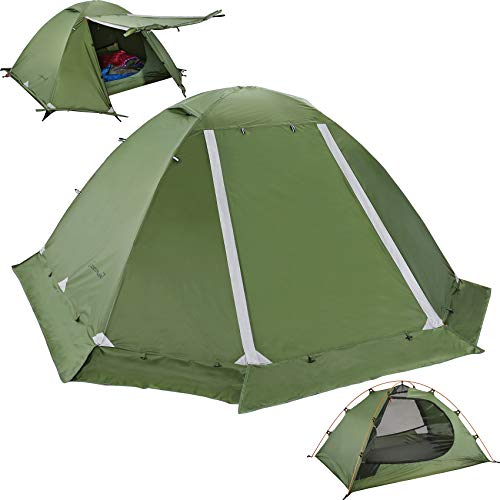
Clostnature 4 Season Backpacking Tent

EchoSmile Lightweight Backpacking 2 Person Tent

Forceatt Tent for 2 and 3 Person
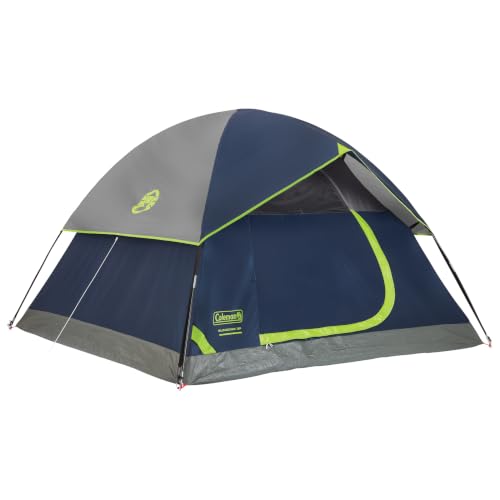
Coleman Sundome Camping Tent 2-Person
The Picks, Examined More Closely
The Lynx is the kind of tent that quietly earns a spot in your gear closet. ALPS built it as a two-pole rectangular dome, swapping fiberglass for aluminum poles to keep weight manageable on the trail. Mesh walls dominate roughly half the body, which matters more than it sounds once you’ve spent a muggy summer night in a sealed-up tent. Compared to the slightly more upscale Zephyr later on this list, the Lynx trades steeper walls for a lower price and a more familiar footprint.
Setting it up takes just a few minutes even in fading light, and the pole clips snap onto the fabric without wrestling sleeves. For car-camping weekends that occasionally turn into short backpacking trips, this tent handles both without much fuss. It’s not the lightest option here, but for someone stepping into backpacking for the first time, that trade-off reads as friendly rather than limiting.
Positive Points
- Aluminum poles keep the packed weight reasonable for a budget-friendly dome.
- Half-mesh walls move air through the tent on humid nights, which cuts down on clammy sleeping.
- The two-pole rectangular design pitches quickly, useful after a long day on the trail.
- Pole clips attach without sleeves, so setup stays simple even for newer campers.
Things To Consider
- The dome shape feels lower and tighter than the Zephyr’s pre-bent walls, so sitting up is limited.
- For multi-week backpacking trips, you may find the packed volume a bit bulky compared to ultralight picks.
Key Specs
Made For
New backpackers and weekend campers who want a forgiving setup with aluminum reliability.
Look Elsewhere When
Hot, sticky summer trips will feel more breathable under the GEERTOP 2 Person Backpacking Tent, which offers fuller mesh coverage and a snow skirt for shoulder-season storms.
The Zephyr is ALPS Mountaineering’s answer to backpackers who want more elbow room without leaving the brand. Pre-bent aluminum poles create steeper walls, so the interior feels closer to a small room than a tight tunnel. The tent’s full mesh body is the real headline feature for warm-weather trips, letting air move freely through every wall panel. Compared to the Lynx, this one trades a touch of structural simplicity for noticeably more livable space.
On muggy summer nights, the mesh makes a meaningful difference for sleep quality and condensation control. Campers who dread waking up clammy will appreciate how much air flows through the canopy. It carries a small weight penalty from those pre-bent poles, so it’s best suited to trips where comfort matters more than counting every gram.
Where It Helps
- Pre-bent aluminum poles raise the ceiling height for sitting up comfortably.
- Full mesh walls keep airflow strong on hot, humid summer nights.
- The vertical wall shape creates genuine living space for two sleepers and a small pile of gear.
Trade Offs
- The mesh-heavy design lets in more light at dawn, which light sleepers may notice.
- Pre-bent poles pack down less compactly than the straight poles on the Lynx.
- In shoulder-season weather, the open mesh offers less warmth retention than a closed-wall shelter.
Best Suited To
Three-season backpackers and warm-climate campers who treat airflow as a priority.
A Better Fit Elsewhere
Cold-weather trips will feel more secure inside the Clostnature 4 Season Backpacking Tent, which carries a higher PU rating for harsh conditions.
OneTigris built the COSMITTO for travelers who count grams. The fly uses a 20D plaid ripstop polyester (a tight-grid fabric that resists tearing) while the floor upgrades to a thicker 75D nylon, which is where moisture and abrasion typically cause the most damage. That combination keeps the shelter light enough for long routes without making the floor feel disposable. Next to the heavier BISINNA later in this list, the COSMITTO clearly targets the thru-hiker mindset.
Free-standing design means you can move the tent around your campsite without collapsing it, a real convenience on rocky tent pads. Three-season coverage handles spring through fall conditions across most U.S. trails. For backpackers who already obsess over base weight, this tent reads as a sensible compromise between weight and durability.
A Strong Showing
- The 20D ripstop fly keeps packed weight low for distance hikers.
- A 75D nylon floor reinforces the surface that sees the most wear.
- Free-standing construction lets you reposition the tent on tough ground.
Worth Noting
- The thin fly fabric calls for careful handling around sharp rocks and pine branches.
- Three-season construction means winter storms will push it past its design limits.
Feature Snapshot
Right Fit For
Thru-hikers and fastpackers who trim weight wherever they can without giving up structural integrity.
Skip It When
Expecting serious wet weather may send you toward the BISINNA Backpacking Tent, whose heavier 190T polyester and Oxford floor handle long rain stretches more confidently.
BISINNA’s tent is built for backpackers who don’t trust thin fabrics in serious rain. The fly uses 190T polyester with a PU3000 waterproof rating, a measurement of how much water pressure the coating can withstand before leaking, while the floor steps up to 210D Oxford fabric for puncture resistance. Every seam gets taped, which closes the small gaps that often let water sneak through. Compared to the COSMITTO’s ultralight approach, this one feels more like armor.
The pole-sleeve structure reinforces stability in wind, so gusty ridge camps don’t turn into white-knuckle nights. Aluminum poles keep the tent from inheriting the snap-and-shatter weaknesses of fiberglass. For campers who pick routes based on weather forecasts that often say “scattered thunderstorms,” the BISINNA is a steadier bet than most budget options.
A Favorable Mix
- The 190T polyester fly with PU3000 coating holds back sustained rain.
- A 210D Oxford floor resists punctures from twigs and rocky ground.
- Pole-sleeve construction stiffens the tent in steady wind.
- Every seam is taped to block the slow leaks budget tents often develop.
Room For Improvement
- The heavier fabrics bump up packed weight compared to the COSMITTO.
- Aluminum pole strength matters less if you skip the included guylines on windy nights.
Perfect Match For
Wet-climate backpackers and hikers who camp through shoulder-season rain without much shelter overhead.
Reach For A Different Pick When
Counting every gram on long routes will push you toward the lighter OneTigris COSMITTO 2 Person Backpacking Tent, which trades fabric thickness for trail-friendly weight.
The GEERTOP 2 Person Backpacking Tent wears its 4-season label honestly. The 210T ripstop rainfly carries a PU3000mm coating, the seam tape covers every joint, and an extended snow skirt keeps blowing snow from creeping under the floor. Inside, mesh panels keep condensation from building up while you sleep. Compared to the BISINNA’s three-season build, this one is built for the shoulder season when weather stops cooperating.
The snow skirt is the small detail that matters most in real conditions, sealing the gap between tent and ground when drifts start to form. For early spring or late fall trips above treeline, that single feature can decide whether you sleep or spend the night shoveling. Campers who stick to summer routes may find the extra fabric overkill, but anyone pushing into colder months will appreciate the engineering.
A Few Strong Suits
- The 210T ripstop rainfly with PU3000mm coating handles sustained rain and wet snow.
- An extended snow skirt blocks drifting snow from getting inside the tent.
- Breathable mesh panels reduce interior condensation during temperature swings.
- Fully taped seams close the slow-leak points common on cheaper shelters.
Points To Note
- The 4-season build adds noticeable weight over three-season picks like the Lynx.
- Mesh panels reduce warmth retention on cold, clear nights without supplemental insulation.
Quick Facts
Who Should Grab It
Shoulder-season backpackers and high-elevation campers who face wind, cold rain, and the occasional snow dump.
Consider Something Else When
Warm-weather weekend trips don’t need the snow skirt, and the lighter ALPS Mountaineering Zephyr 2-Person Tent handles those conditions with better airflow.
The Clostnature leans hard into the cold-weather side of the budget market. Its polyester rainfly, groundsheet, and bathtub floor all carry a PU5000 coating, which is higher than most picks at this price point. Factory-sealed seams add another line of defense against the long, wet nights of shoulder-season camping. Compared to the GEERTOP’s PU3000mm, this tent aims a step higher in the weatherproofing arms race.
The bathtub floor design, meaning the floor material wraps up the walls several inches, stops water from pooling against the lower seams and creeping inside. For backpackers planning real winter trips rather than mild fall weekends, that elevated spec sheet makes a practical difference. It’s heavier than summer-focused picks, which is the unavoidable cost of serious weatherproofing.
What Stands Out
- The PU5000 coating on fly, floor, and bathtub pushes waterproofing past most budget peers.
- A bathtub floor design prevents pooling water from creeping into the sleeping area.
- Factory-sealed seams close the leak paths cheaper tents leave open.
- The 4-season build supports winter camping without a major price jump.
Less Ideal Details
- Winter-grade fabrics make this tent heavier than summer-friendly options like the Lynx.
- Condensation can still build up in truly still, cold air without active ventilation management.
Built With In Mind
Winter campers and backpackers who push into late-fall or early-spring trips where weather turns dangerous fast.
Not Your Match When
Summer-only trips will feel cooler and lighter under the ALPS Mountaineering Lynx 2-Person Backpacking Tent, which skips the heavy coatings for simpler three-season comfort.
The EchoSmile tent offers something most budget shelters ignore: a real front vestibule you can prop up with trekking poles. That one design choice turns the entry into a shaded cooking area or a dry gear locker, which keeps muddy boots and damp packs out of the sleeping quarters. Compared to the Forceatt’s twin-vestibule layout later in this list, the EchoSmile trades door symmetry for a single, larger covered space.
For backpackers carrying photography gear, climbing rope, or wet rain shells, that protected vestibule makes campsite routines smoother. The lightweight construction still earns its keep on trail days when ounces matter. Anyone who has balanced a pack on a rock to keep it out of mud will understand why this tent’s design feels clever rather than gimmicky.
Advantages To Know
- The extendable front vestibule creates a usable covered cooking or staging area.
- Trekking-pole support means no extra hardware to pack.
- Lightweight construction keeps it trail-friendly for distance hikers.
- A separate gear area keeps the sleeping space clean and organized.
Softer Spots
- The propped vestibule needs two trekking poles, so solo trekkers with one pole must improvise.
- Single-door access means one person has to climb over the other on midnight exits.
Whose Shelf It Belongs On
Gear-heavy backpackers and trail photographers who need protected space for packs, boots, and camera equipment.
Swap It Out When
Sharing with a partner who dislikes climbing over you at night makes the Forceatt Tent for 2 and 3 Person a stronger match, since both sleepers get their own door.
The Forceatt solves one of the most common two-person tent complaints: climbing over your tentmate at 2 a.m. Two D-shaped doors and matching vestibules give each sleeper an independent entry and gear space. At roughly 5.5 pounds packed, it lands in a middle zone between ultralight specialists and heavier car-camping shelters. The 3-to-4-season construction lets it stretch from spring through fall without much worry.
For couples and regular backpacking partners, the dual-door layout quickly becomes non-negotiable once you’ve tried it. The interior dimensions give two standard sleeping pads room to breathe, and the aluminum poles provide the structural backbone for windier ridge camps. It covers more weather than the Lynx while staying friendlier to weight than the Clostnature winter build.
The Practical Payoff
- Two D-shaped doors mean nobody climbs over anyone during the night.
- Dual vestibules create separate covered gear storage for each sleeper.
- Aluminum poles handle windy ridge conditions better than fiberglass builds.
- The 3-to-4-season rating covers most shoulder-season trips beyond peak summer.
Potential Compromises
- The ~5.5 lb packed weight sits between ultralight and car-camping options, which won’t please dedicated thru-hikers.
- Dual-vestibule construction adds seam count, so long-term waterproofing depends on seam-sealing maintenance.
Who Will Love This
Backpacking couples who want privacy, separate gear storage, and decent weather coverage without a premium price tag.
Another Choice May Suit
Solo backpackers carrying one set of gear will find the simpler EchoSmile Lightweight Backpacking 2 Person Tent’s single larger vestibule more useful than twin doors.
The Coleman Sundome is built for people who would rather spend the weekend at the campsite than wrestling with poles. The WeatherTec system uses welded corners and inverted seams, where seams face downward to shed water rather than catch it, to keep rain from sneaking inside. Snag-free continuous pole sleeves and Insta-Clip attachments turn setup into a 10-minute job even on the first try. Compared to backpacking-focused picks like the Lynx, this one prioritizes convenience over trail weight.
For festival camping, backyard sleepovers, and car-camping trips where the tent never leaves the trunk, the Sundome is hard to beat on ease of use. The included rainfly adds weather coverage without complicated rigging. Anyone who values fast setup and reliable rain protection over packed weight will find a lot to like here.
Standout Benefits
- The WeatherTec system with welded corners and inverted seams holds back rain reliably.
- Setup takes about 10 minutes, even for first-time campers.
- Snag-free pole sleeves and Insta-Clip attachments prevent frustrating mid-setup jams.
- An included rainfly adds weather coverage without buying extra parts.
Honest Caveats
- The packed weight is too heavy for backpacking, so this tent really shines for car and base-camp use.
- Fiberglass-style pole construction can struggle in sustained high winds compared to aluminum builds.
Made For
Car campers, festival-goers, and families who want a no-fuss tent that pitches quickly and stays dry in typical rain.
Where Another Pick Suits Better
Anyone carrying the tent on foot should look at the ALPS Mountaineering Lynx 2-Person Backpacking Tent, which trims weight for actual trail mileage.
What To Weigh Before Choosing Your Budget Two Person Tent
Capacity vs. Real Space
A “2-person” rating tells you the tent fits two sleeping pads, not two people with gear. If you’re sharing with a partner who brings a backpack, expect the floor to feel tight. Adding 20-30% of buffer space usually feels right for two adults with overnight packs.
Weight and Packability
Backpackers should look closely at packed weight, since a two-pound difference adds up across a multi-day route. Car campers can ignore packed size entirely. Ultralight tents like the OneTigris COSMITTO trim fabric thickness to save weight, which works for fair-weather trips but calls for gentler handling.
Season Rating and Weatherproofing
Three-season tents cover spring through fall in most U.S. climates, while 4-season models add snow skirts, heavier coatings, and stronger pole structures for winter and shoulder-season storms. Waterproof ratings like PU3000mm or PU5000 measure how much water pressure the coating resists, with higher numbers handling heavier rain.
Ventilation and Mesh
Full mesh walls, like those on the ALPS Zephyr, keep airflow strong on humid nights and reduce condensation buildup. Hot-weather campers will feel the difference the first sticky summer evening. Cold-weather campers should balance mesh with rainfly coverage to avoid drafts.
Key Considerations Across These Picks
Where Shoppers Go Wrong
The most common mistake is trusting the “2-person” label without checking actual floor dimensions, since manufacturers measure with sleeping pads touching and no gear space included. Another slip is choosing the lightest option without considering fabric durability, which often leads to mid-trip repairs. Always read both the packed weight and the floor dimensions before deciding.
Where The Extra Money Goes
Spending more in this category typically buys heavier-denier fabrics, higher waterproof coatings, aluminum poles instead of fiberglass, and features like snow skirts or dual vestibules. For most weekend backpackers, the jump from budget to mid-range pays off in longevity. For dedicated winter or extended-trip campers, that upgrade often means the difference between a comfortable trip and a miserable one.
Frequently Asked Questions
What does “2-person” actually mean for tent capacity?
A 2-person rating means the floor fits two standard sleeping pads with little extra room. For two adults with backpacks and gear, a 3-person tent often feels more comfortable in real use.
How important is the waterproof rating?
The PU coating number, like PU3000mm or PU5000mm, indicates how much water pressure the fabric resists before leaking. Higher numbers handle heavier rain and longer storms without seepage.
Can a budget two person tent handle winter camping?
Most budget tents are rated for three seasons, meaning spring through fall. Genuine winter use calls for a 4-season model like the GEERTOP or Clostnature with heavier coatings, sealed seams, and a snow skirt.
How do I keep my tent dry inside?
Choose a site with good drainage, avoid pitching under dripping tree limbs, and leave a small gap in the rainfly for airflow. Condensation forms when warm interior air meets cold fabric, so ventilation matters as much as waterproofing.
How long should a budget tent last?
With reasonable care, a budget tent typically delivers several seasons of regular use. Common weak points are zippers, pole sections, and seam tape, so checking those areas before each trip extends lifespan noticeably.
Bottom Line
The right budget two person tent depends on where you’re camping and how much you’re carrying. The Lynx and Zephyr deliver solid three-season value from a known brand, the COSMITTO and BISINNA serve different ends of the weight-versus-durability scale, and the GEERTOP and Clostnature push into genuine four-season territory. Match the tent to your typical trip, not just your budget, and you’ll sleep better for it.