
Finding a shelter that handles wind, rain, and weeks of trail dust without draining your gear fund is harder than it looks. The good news: today’s entry-level tents borrow technology from premium mountaineering designs, so you get real weather protection at a comfortable cost. This lineup covers solo backpackers, car campers, families, festival sleepers, and anyone who needs a backup shelter in a hurry.
A Closer Look At The Lineup

ALPS Mountaineering Lynx 1-Person Tent
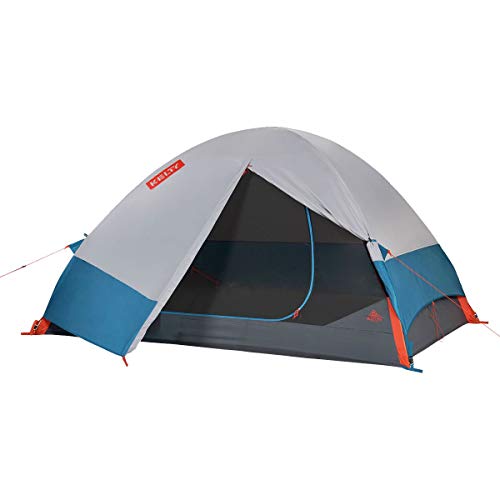
Kelty Late Start 4P Backpacking Tent

ALPS Mountaineering Zephyr 2-Person Tent

ATEPA Voyage 1-2 Backpacking Tent

High Peak South Col 4 Season Tent 3-Person

Coleman Sundome Tent

Woanger Emergency Tube Camping Tents (Bulk)
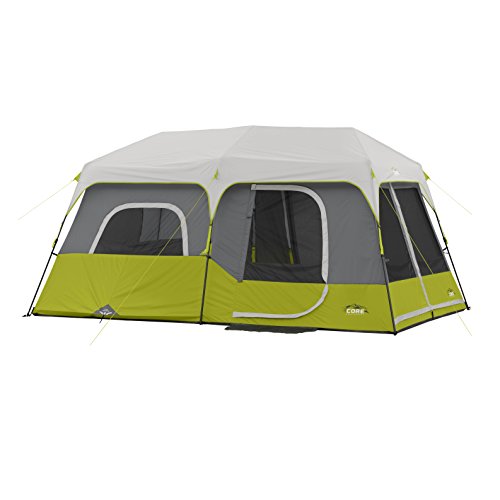
Core 9 Person Instant Cabin Tent (14′ x 9′)

Coleman Sundome Camping Tent with Rainfly

OneTigris Mesh Tent Ultralight 2-Person
Inside Each Recommended Option
The Lynx 1 reads like a textbook entry-level solo shelter, and that is genuinely its appeal. The aluminum pole frame pairs with pole clips that snap the tent into shape without guesswork, so first-time solo campers pitching in fading light tend to have an easier time than they expected.
Mesh-heavy walls move a real volume of air on muggy nights, which matters when you’re sealed inside a one-person cocoon. For most weekend trips along maintained trails, this shelter hits the sweet spot between cost and comfort.
Positive Takeaways
- Freestanding aluminum frame pitches quickly, even for campers new to tent setup
- Mesh-dominant walls keep condensation manageable during humid evenings
- #8 zippers on the door and vestibule are unusually smooth for the category
- Light enough for long solo walks without dominating your pack volume
Points To Keep In Mind
- Coated polyester fly tends to feel heavier in sustained rain than silicone-treated alternatives
- Vestibule space is tight, making it less ideal for backpackers carrying bulky winter boots
Who It Suits Best
Solo backpackers tackling two- to four-day trips on moderate terrain where setup speed and ventilation outweigh the need for a four-season shell.
Where Another Pick Suits Better
Long-distance hikers counting every gram should look at the ATEPA Voyage, which trims more weight off the trail pack.
The Kelty Late Start treats setup speed as the headline feature, and the Quickcorner technology lives up to the pitch. Pre-bent aluminum poles lock into place with minimal fuss, which is exactly what you want after a delayed drive to the trailhead.
Compared with the Lynx 1, this tent trades ultralight credentials for genuine livable space. The four-person footprint works for two adults and a dog, or a couple of adults who want room to spread out without rubbing elbows.
What Makes Sense
- Quickcorner design means pitching in low light no longer feels like a chore
- Pre-bent poles create steeper walls and a noticeably more upright interior
- Polyester fly holds up well to drizzling rain typical of shoulder-season trips
- Aluminum frame stays light enough for short portering distances
Trade Offs To Consider
- Pack weight climbs once you load it for four campers, so solo owners carry a bit of penalty
- Single-door layout can feel awkward when three or four people are climbing in and out at once
- Polyester fly needs a re-coat after a few seasons of heavy use, depending on sun exposure
Made For
Small groups or couples arriving late to camp who prioritize fast setup over shaving the last few ounces from their pack.
Swap It Out When
Solo thru-hikers should grab the ATEPA Voyage instead, since it cuts weight more aggressively for one-person loads.
The Zephyr 2 carries the same ALPS Mountaineering DNA as the Lynx 1 but stretches the layout into a more vertical, roomier shape. Pre-bent aluminum poles pull the walls upward, so sitting up to change shirts no longer means pressing your head into canvas.
Where the Lynx feels like a stripped-down solo shelter, the Zephyr leans into breathable comfort. Full mesh walls and dual doors make warm-weather camping feel less like a sweat lodge, especially in muggy lowland conditions.
Useful Highlights
- Pre-bent pole geometry creates real headroom and a more livable interior footprint
- Mesh walls move serious airflow, helping on hot, still nights
- Dual-door layout removes the awkward climb-over-your-partner problem
- Freestanding frame handles uneven tent pad surfaces without drama
Honest Caveats
- Heavier than true ultralight two-person shelters, so longer treks add up
- Mesh-heavy body sheds heat fast, which can feel brisk in spring or fall evenings
Best Suited To
Two-person car campers and short-trip backpackers who want airflow and elbow room over minimum weight.
Reach For A Different Pick When
Backpackers counting ounces for a multi-day trek should pick the ATEPA Voyage for its lighter SilNylon build.
The ATEPA Voyage is built around one word: less. The 20D SilNylon fabric (a silicone-impregnated nylon that balances low weight with strong waterproofing) drops pack grams noticeably compared to the polyester-heavy designs earlier in this list. For thru-hikers logging fifteen-mile days, that delta matters more than any luxury feature.
A 4000mm waterproof rating (a measure of how much water pressure the fabric resists before leaking, with higher numbers meaning better wet-weather performance) sounds high on paper, and it holds up under sustained rain when seams stay sealed. The expandable vestibule adds covered gear storage, which solo travelers with full packs tend to appreciate.
Practical Pluses
- 20D SilNylon fabric trims serious weight without sacrificing weatherproofing
- 4000mm hydrostatic head rating handles sustained rain for most trail conditions
- Expandable vestibule gives extra dry storage for packs and boots
- Freestanding frame works on rocky or root-covered tent sites
- Suitable for shoulder-season trips where temperature swings catch you off guard
Worth Bearing In Mind
- SilNylon can feel slippery and stretchy when wet, which takes a few pitches to get used to
- Ultralight fabrics need careful handling around thorny brush and rough ground
- Two-person rating is tight; most owners use it as a roomy solo shelter
Perfect Match For
Long-distance backpackers, bikepackers, and mountaineers who log serious mileage and want a tent that disappears into the pack.
Consider Something Else When
Car campers setting up at a developed site will find the Core 9 Person Instant Cabin far more livable for groups.
The South Col occupies a middle ground between the ultralight ATEPA Voyage and the bulkier Kelty Late Start. Three-person capacity at 9.7 lbs gives small groups a comfortable shelter without making the trail feel like a moving day.
Nylon construction with a waterproof coating holds up under steady drizzle, and the included stakes and poles let you skip the extra gear list. For most weekend trips in shoulder-season weather, owners commonly find it delivers what the spec sheet promises.
Where It Excels
- 9.7 lb total weight splits nicely between two campers on shared loads
- Three-person capacity handles two adults plus gear without crowding
- Included stakes and poles mean no extra parts runs before the trip
- Compact packed footprint for trunk space and pack-hauling
Some Limits To Know
- Single-wall design limits ventilation compared to mesh-dominant options
- 9.7 lb is heavier than dedicated ultralight options for true thru-hikers
The Right Fit
Small groups tackling shoulder-season weekends who want a balance between capacity and weight without going full mountaineering spec.
A Better Fit Elsewhere
Solo backpackers chasing minimum weight should pick the ATEPA Voyage, which is built for that exact scenario.
The Coleman Sundome is the tent many people slept in at their first state park, and the design has aged gracefully. WeatherTec protection combines welded floors and inverted seams, which means a sudden cloudburst at a developed campground no longer ends the trip.
Setup uses continuous pole sleeves (fabric tubes the poles thread through, which keep the structure aligned during pitch) that thread smoothly once you get the rhythm. Compared to the ultralight options in this lineup, the Sundome is heavier but easier on newcomers who aren’t trying to shave grams.
Where It Helps
- WeatherTec system handles typical summer thunderstorms without drama
- Continuous pole sleeves guide first-time campers through setup
- Multiple size options (2, 3, 4, 6 person) cover most family configurations
- Affordable entry point for campers new to the hobby
Things To Weigh Up
- Heavier and bulkier than the trail-ready options earlier in this list
- Fiberglass poles are more breakage-prone than aluminum under hard use
Who Will Love This
Families and casual campers who mostly pitch at established campgrounds and value easy setup over trail performance.
Look Elsewhere When
Backpackers covering real distance should grab the ATEPA Voyage, since every ounce counts on the trail.
The Woanger tube tents serve a completely different purpose than the other entries here. At 8 ft x 3 ft, they’re not designed for comfortable weekends; they’re meant to drop into a bug-out kit, vehicle trunk, or group emergency cache as a one-time-use shelter.
Polyester film material weighs almost nothing and packs into a space smaller than a water bottle, which is the entire point. For most preparedness scenarios, owners commonly stash a few in advance and forget about them until needed.
Everyday Advantages
- Bulk pack quantities (4, 10, or 20) fit group emergency caches and community kits
- Tube shape deploys in seconds with paracord or branch supports
- Polyester film reflects body heat back when wrapped properly
- Costs very little per unit, so they’re disposable after use
Where It Is Less Suited
- Not designed for repeated use; expect a single deployment per shelter
- Open-tube design exposes you on three sides, so it’s poor in wind without site selection
Built With In Mind
Preppers, group leaders, and outdoor educators who need a low-cost backup shelter for caches, kits, and emergency training.
Skip It When
Weekend campers want the Coleman Sundome, which is built for actual overnight comfort rather than emergency-only use.
The Core Instant Cabin trades backpacker portability for sheer livable space. Pre-attached poles lock the structure into place in about two minutes, so families with small children spend less time wrestling fabric and more time setting up the picnic table.
At 14 by 9 feet with a 78-inch center height, the cabin sleeps up to nine without gear or four comfortably with cots and bags. H2O Block Technology pairs a 1200mm-coated fabric with sealed seams and a fully taped rainfly, which is genuinely helpful during unpredictable summer weather.
Where It Delivers
- Pre-attached pole system makes setup genuinely fast for first-time family campers
- 78-inch ceiling lets most adults stand to change clothes
- Fits two queen air beds for families sharing the floor space
- Taped rainfly and sealed seams manage typical summer storms
Practical Considerations
- Pack weight and bulk rule out anything beyond car-side camping
- Cabin shape catches wind on exposed sites without proper guy lines
- Storage bag runs tight, so first-time folding takes patience
Who Should Grab It
Families and friend groups car camping at developed sites who want cabin-style comfort without spending the day on setup.
Not Your Match When
Solo backpackers need the ATEPA Voyage, which is the polar opposite in size and weight class.
This newer Sundome refresh leans into the same WeatherTec formula that made the original a campground staple. Tub-like floor construction with inverted seams keeps groundwater from creeping in, which is a real concern during festival weekends when rain arrives without warning.
Pre-attached poles with snag-free continuous sleeves mean most campers get the tent standing in roughly 10 minutes. Compared to the Core Instant Cabin, this is a more compact option for festival fields and backyard sleepovers where you still want rain protection.
What Stands Out
- WeatherTec system handles brief downpours better than budget competitors
- Snag-free pole sleeves speed setup, even for campers pitching at dusk
- Multiple sizes (2/3/4/6 person) let you match tent to group
- Affordable price across the entire size range
- Included rainfly removes the guesswork from weather preparation
Things To Consider
- Fiberglass poles are more breakage-prone than aluminum under hard use
- Heavier than the trail-focused options in this lineup
Whose Shelf It Belongs On
Festival-goers, backyard hosts, and weekend campers who want fast setup with weather protection at the lowest reasonable cost.
A Different Pick May Suit
Backpackers should look at the ATEPA Voyage, which cuts weight far below the Sundome’s footprint.
The OneTigris Mesh Tent is a specialist tool. The body is almost entirely high-density mesh netting, which makes it nearly invisible against a starlit sky and lets breezes pass without obstruction. For warm-humid and bug-heavy environments, nothing else on this list breathes like it does.
A 3000mm bathtub floor (the raised, waterproof bottom section that extends a few inches up the walls to block ground moisture) with taped seams keeps groundwater out, even though the upper structure is mostly open air. Three openings let you enter from multiple sides, which is genuinely useful when pitching on awkward terrain.
A Few Highlights
- Mesh-dominant design handles heat and mosquitoes better than solid-wall tents
- 3000mm floor rating resists ground moisture from wet grass and puddles
- Three openings add flexibility for awkward campsite layouts
- 70D nylon construction handles abrasion from rough ground
- Lightweight pack weight suits short backpacking trips in mild weather
Potential Compromises
- Mesh body sheds warmth quickly, so cool nights get cold fast
- Open-air design offers little privacy in crowded campsites
Right Fit For
Campers in humid, bug-heavy regions who prioritize airflow and insect protection over warmth or privacy.
Another Choice May Suit
Shoulder-season campers need the ALPS Mountaineering Zephyr 2, which balances mesh and solid fabric more evenly.
Choosing The Right Shelter Without Overspending
Capacity claims are a starting point, not gospel. Most two-person tents sleep two adults snugly without gear, so plan a size up if your dog or bulky packs join the trip. Sleeping pads and bags take more room than the spec sheets suggest, especially when campers tend to roll around at night.
Weatherproofing lives in the details. A waterproof rating (the hydrostatic head measurement, in millimeters, that describes how much water pressure the fabric resists) tells you how the fly handles rain, but seam sealing and bathtub-style floors matter just as much. Check that rainflies are full-coverage and that floor edges turn upward several inches to block groundwater from pooling under your pad.
Weight is relative to your trip. Backpackers counting every gram should focus on the ATEPA Voyage or ALPS Lynx 1, while car campers gain nothing from shaving ounces off a tent that lives in the trunk. Pole material is another quiet differentiator: aluminum is lighter and stronger than fiberglass, which is the most common budget compromise.
Picking Wisely Across This Lineup
Where Shoppers Go Wrong
The most common trap is buying by person rating alone. A “4-person” tent from a budget brand often fits two adults and gear, not four campers. Capacity ratings tend to assume ideal body sizes and minimal gear, so plan a size up if your group includes kids, dogs, or bulky winter sleeping bags.
Another mistake is trusting the headline waterproof number without checking the seams. Taped, sealed seams and a full-coverage rainfly matter more than fabric ratings alone. A 2000mm fly with taped seams often outperforms a 3000mm fly with raw stitching during a real downpour.
Why Top Tier Costs More
Premium tents use higher-denier fabrics, stronger pole materials, and more refined seam construction. Denier (abbreviated “D”) measures the thickness of individual fibers in the fabric; higher numbers mean tougher, heavier material. Ultralight shelters like the ATEPA Voyage use thin 20D SilNylon, while rugged expedition tents use 40D or thicker for abrasion resistance.
The upgrade also buys design refinement: steeper walls, more internal storage, dual doors, and better ventilation. For weekend car camping, the basics usually suffice. For serious backpackers or four-season use, the upgrade often pays back in weight savings and longer service life.
Frequently Asked Questions
How many people should a budget tent really fit? Tent capacity is usually optimistic. A two-person tent fits two adults snugly without gear, while a four-person fits two adults plus bags. For comfort, plan at least one size larger than your group count.
What does waterproof rating actually mean? The rating measures hydrostatic head, which is how much water pressure the fabric resists in millimeters before leaking. Around 1500mm handles light rain, while 3000mm and above handles sustained downpour. Sealed construction matters as much as the raw rating.
Can I use one of these tents in winter? Most tents in this list are three-season designs. True winter use calls for four-season geometry, heavier fabric, and snow-rated pole structures. The High Peak South Col is the closest here to a shoulder-season option, but dedicated winter camping demands more.
How long should a budget tent last? With reasonable care, a budget tent typically lasts three to five seasons of regular use. UV exposure and improper storage shorten life, so drying the tent fully before packing and avoiding prolonged sun exposure helps considerably.
Are fiberglass poles a dealbreaker? Not necessarily. Fiberglass is heavier and more brittle than aluminum, but it costs less and handles casual weekend trips just fine. Aluminum becomes worth it for backpacking, rough terrain, or any trip where pole failure is a real risk.
The Takeaway
Your best shelter depends entirely on where you pitch it, how you get there, and how much weather you expect to face. Backpackers get the most from the ATEPA Voyage, families love the Core Instant Cabin, festival-goers rely on the Coleman Sundome, and the Woanger tubes belong in emergency kits. Match the tent to the trip, and you’ll spend less time wrestling fabric and more time outside.