
Camping on a tight budget doesn’t mean sleeping under a tarp that flutters like a flag in a thunderstorm. Whether you’re a first-time car camper, a parent wrangling kids at a state park, or a backpacker shaving ounces without sacrificing weather protection, a reliable shelter is non-negotiable. The picks below cover solo shelters, family-sized domes, and even ultralight options that prove affordable tents can still handle real weather. Each one earns its spot through material quality, ventilation design, or setup simplicity, and every review calls out the honest trade-offs so you can match the right tent to your kind of camping.
The Leading Options At A Glance

ALPS Mountaineering Lynx 1
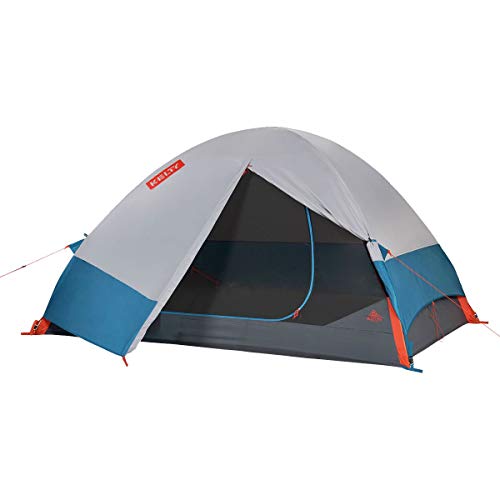
Kelty Late Start 4P Lightweight Backpacking Tent

ALPS Mountaineering Zephyr 2-Person Tent

ATEPA Voyage 1-2 Backpacking Tent

High Peak South Col 4 Season Backpacking Tent 3 Person 9.7 lbs
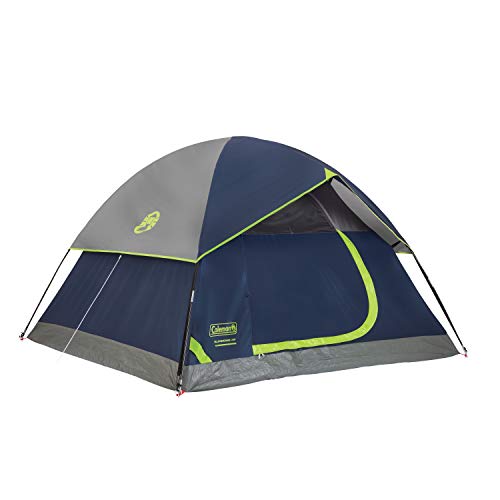
Coleman Sundome Tent

BISINNA Backpacking Tent 1/2/4 Person

EchoSmile Lightweight Backpacking 2 Person Tent

Woanger Emergency Tube Camping Tent
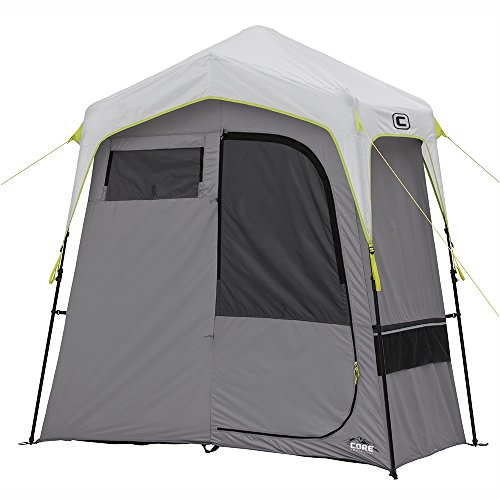
CORE Instant Camping Utility Shower Tent
Taking A Closer Look At The Options
Solo backpackers who count every ounce and every dollar should look at the Lynx 1 before anything else. It carries an aluminum-pole frame in a freestanding design (freestanding means the tent stands on its own without needing stakes first, handy on rocky ground) and clips that snap the poles into place without a wrestling match.
Most of the body is mesh, which is the real selling point in summer. Humid Appalachian ridge nights feel noticeably less stifling under this canopy, and the door and vestibule use oversized zippers that don’t snag mid-storm. Compared to the Kelty Late Start 4P, which leans group-friendly, this Lynx is built firmly for one person and a small pack.
Practical Advantages
- Mostly mesh body keeps interior air moving on muggy nights.
- Freestanding aluminum-pole frame sets up fast on uneven ground.
- Oversized #8 zippers resist snagging under repeated use.
- Single-person footprint is light enough for long trails.
Worth Noting
- Single-wall mesh means cold drafts in shoulder-season weather.
- Vestibule storage is modest for bulky packs.
- Coatings and seams need re-sealing after extended rain exposure.
Who It Suits Best
Solo backpackers tackling warm-weather trails and counting grams will appreciate the balance of weight, airflow, and price in the Lynx 1.
Look Elsewhere When
Cold-weather campers should step up to the High Peak South Col 4 Season Backpacking Tent, which handles dropping temperatures with more confidence.
Driving in after sunset with tired kids in the back seat makes pitch time everything. The Late Start 4P is built around that exact moment, with Quickcorner technology that locks the corners in one motion and pre-bent aluminum poles that create taller walls without extra fuss.
Capacity is rated for four, though realistically two adults sleep in comfort with gear, making this a solid pick for couples or small families who still want a backpacking-style shelter. The polyester fly is waterproof and the whole package is lighter than most four-person car-camping tents.
A Few Highlights
- Quickcorner hubs reduce setup to just a few steps.
- Pre-bent poles expand interior space at the head and foot.
- Lightweight for a four-person rated tent.
- Waterproof polyester fly keeps rain out reliably.
- Works as well for two adults with gear as for four on pads.
Trade Offs
- True four-person use gets cramped with packs inside.
- Condensation can build on cool, still nights.
- Less mesh than summer-specific shelters like the Lynx 1.
The Right Fit
Late-arrival car campers and small families who want quick pitch and easy takedown get the most from this Kelty.
Where Another Pick Suits Better
Thru-hikers traveling light and alone will find the ATEPA Voyage 1-2 Backpacking Tent a smarter fit than the Late Start 4P.
The Zephyr 2 is the upgrade from the Lynx 1 for anyone who shares a tent. Same ALPS family, same freestanding aluminum architecture, but with pre-bent poles that push the walls more upright so two people can sit up and move without bumping shoulders.
Full mesh walls dominate the body, which is the real reason this tent earns its spot in muggy southern summers. Compared to the Coleman Sundome’s heavier fabric, the Zephyr breathes noticeably better, and the geometry gives the floor plan a near-square feel that’s easier to share.
Points In Its Favor
- Pre-bent aluminum poles create vertical walls and extra headroom.
- Full mesh body maximizes airflow in warm weather.
- Freestanding design pitches fast on hard-packed ground.
- Two-person floor plan is generous without going family-size.
Some Limits To Know
- Mesh body chills down quickly once temperatures drop.
- Packed weight is heavier than solo-focused shelters.
- Zipper pulls are small and harder to grip with cold fingers.
Made For
Duo campers tackling warm-weather trails and national park weekends will get full use out of the Zephyr’s airy design and roomy geometry.
Consider Something Else When
Strict ultralight backpackers will shave weight by switching to the ATEPA Voyage 1-2 Backpacking Tent instead of the Zephyr 2.
Thru-hikers care about one number above all others: the gram count on their back. The ATEPA Voyage is built around that obsession, with a 20D SilNylon shell (20-denier silicone-impregnated nylon, a fabric prized for low weight and strong tear resistance) and a freestanding frame that pitches quickly when weather rolls in.
The advertised 4000mm waterproof rating is genuinely impressive at this weight class, putting it above the Lynx 1 on paper for sustained rain. The expandable vestibule, propped up with trekking poles, doubles as a covered cooking space for bikepackers and PCT-style hikers.
Strengths Worth Knowing
- 20D SilNylon body keeps packed weight low.
- 4000mm waterproof rating handles prolonged downpours.
- Expandable vestibule creates sheltered cook space.
- Freestanding frame sets up on platforms and platforms-free sites alike.
- Compact pack-down size fits smaller backpacking bags.
Possible Compromises
- 20D fabric is more vulnerable to abrasion than heavier deniers.
- SilNylon can sag when wet and may need a retighten mid-storm.
- Single trekking pole for vestibule is not included.
Best Suited To
Long-distance backpackers and bikepackers who log serious miles and need every gram accounted for will respect what this tent brings.
Swap It Out When
Car campers and weekend warriors who never carry the tent far should save money and space by choosing the Coleman Sundome Tent instead.
Most “four-season” claims at budget prices are really three-season tents with extra fabric. The High Peak South Col sits in that honest middle ground, built for shoulder-season trips where a sudden storm is plausible but real alpine climbing isn’t on the agenda.
At 9.7 lbs and a three-person floor plan, the South Col works for two people with generous gear space or three on tighter pads. Compared to the heavier Sundome, it packs down smaller for trailheads, and the nylon waterproofing handles typical rain without drama.
The Upside
- 9.7 lbs is manageable for short backpacking trips.
- Three-person floor fits two adults with gear comfortably.
- Water-resistant nylon stands up to standard rain.
- Includes stakes and poles for a complete kit out of the bag.
- Durable build for the price tier.
Less Ideal Details
- True four-season alpine conditions exceed its design.
- Heavier than dedicated ultralight options like the ATEPA Voyage.
- Single door limits easy entry for three sleepers.
Who Will Love This
Backpackers planning shoulder-season trips and small groups sharing weight benefit most from the South Col’s balance of capacity and price.
Where A Sibling Pick Shines
Hot-weather campers chasing maximum airflow should consider the ALPS Mountaineering Zephyr 2-Person Tent over the High Peak South Col.
The Sundome is the default tent most people picture when they imagine a family campground weekend, and that’s a fine place for it. Coleman built it around their WeatherTec system, which focuses on keeping rain and wind outside the tent through covered seams and protected zippers.
Setup is genuinely fast for a classic dome design, with continuous pole sleeves that don’t snag. Compared to the Kelty Late Start 4P, this Coleman is heavier and bulkier, but it also feels sturdier for kids, dogs, and the general chaos of a state park site.
What Earns Its Place
- WeatherTec system resists typical rain and gusty winds.
- Snag-free continuous pole sleeves speed setup.
- Sturdy build tolerates family-camping wear and tear.
- Available in multiple person capacities for varied groups.
- Affordable entry point for first-time tent shoppers.
What To Weigh
- Heavier pack weight rules out backpacking use.
- Limited mesh reduces airflow versus the Zephyr 2.
- Bulkier packed size takes up trunk room.
Perfect Match For
First-time family campers and car campers who prioritize durability over packed weight get reliable shelter from the Sundome.
Another Choice May Suit
Backpackers who actually carry their tent should pivot to the Kelty Late Start 4P for a much lighter pack.
Households with shifting trip sizes tend to end up with a stack of half-used tents. The BISINNA sidesteps that problem by offering one tent in 1, 2, and 4 person builds, all built around the same material recipe and pole geometry.
The body is 190T polyester (a tightly woven, lightweight fabric standard in backpacking tents), the floor is a beefier 210D Oxford for puncture resistance, and every seam is taped with a PU3000 waterproof coating. Aluminum poles and a pole-sleeve structure keep things stable when the wind picks up at exposed sites.
Everyday Wins
- Three size options cover solo to small-family use.
- 190T polyester body with 210D Oxford floor for durability.
- Aluminum poles resist breakage compared to fiberglass builds.
- PU3000 waterproofing and taped seams handle rain.
Points To Note
- Higher sizes get heavy for actual backpacking distances.
- Polyester is quieter in rain than nylon but holds more condensation.
- Pole-sleeve setup is slower than hub-style tents.
Right Fit For
Versatile households that camp with different group sizes across the year benefit from choosing one BISINNA line and sizing up or down as needed.
Skip It When
Solo backpackers chasing minimum weight will do better with the lighter ATEPA Voyage 1-2 Backpacking Tent.
Cooking dinner in the rain without soaking the sleeping bags is a small luxury that turns a wet trip into a tolerable one. The EchoSmile’s standout trait is that front vestibule door, which props open with trekking poles to form a shaded canopy outside the sleeping space.
The tent itself is a standard two-person backpacking shelter, polyester-built and lightweight, but the extended porch is the practical hook. Compared to the ATEPA Voyage’s trekking-pole vestibule, this design is more accessible for casual campers who don’t want to fiddle with pole angles.
Advantages To Know
- Front vestibule expands into a usable rain-sheltered porch.
- Trekking-pole setup keeps packed weight low.
- Keeps muddy boots and packs out of the sleeping area.
- Polyester construction handles standard weather well.
- Two-person layout suits couples and trail partners.
Things To Consider
- Porch relies on trekking poles for support.
- Polyester coating can wear faster than SilNylon in heavy UV.
- Stakes and pole setup takes practice the first time.
Built With In Mind
Backpackers and bikepackers who cook outside the tent and want a sheltered staging area will use the EchoSmile porch more than they expect.
Reach For A Different Pick When
True four-season climbers should pick the High Peak South Col 4 Season Backpacking Tent instead of this two-person shelter.
The Woanger tube tent is not the shelter you’d pick for a planned weekend at a developed campground. It’s the shelter you’d stash in a bug-out bag, a truck, or a surplus drawer, ready for emergency warmth when conditions turn sideways.
Sold in packs of 4, 10, or 20, each tube is roughly 8 feet by 3 feet and built from a polyester film material. The honest read is that this works for short-term, low-occupancy use, and falls apart fast if you treat it like a regular backpacking shelter.
Where It Helps
- Multi-pack quantities suit surplus and emergency stocking.
- Tube shape sets up fast with paracord or a line between trees.
- Lightweight material packs down small for storage.
- Low per-unit cost for bulk preparedness supplies.
Practical Considerations
- Thin film material tears under repeated real-camping use.
- Limited weather sealing compared to coated nylon tents.
- No floor included, so ground moisture is a real concern.
Whose Shelf It Belongs On
Preparedness-focused households and outdoor groups that want a low-cost emergency supply stash benefit from this Woanger tube tent.
Not Your Match When
Anyone planning a regular camping trip should look at the ALPS Mountaineering Lynx 1 instead of the Woanger tube design.
The CORE Instant pops up in under a minute, which is genuinely the only spec that matters for a portable shower or privacy shelter at a busy campground. Pre-attached poles lock into place, so there’s no setup choreography on top of hauling water.
The H20 Block fabric and 1200mm water-repellent rating handle splashes, and a zip divider turns the shelter into two rooms for shower-plus-changing. Compared to the EchoSmile, this CORE is heavier and bulkier, but it doesn’t need trekking poles or any clever pitch technique.
The Good Stuff
- Pop-up frame sets up in 60 seconds or less.
- 1200mm water-repellent fabric handles splash and brief rain.
- Zip divider creates separate shower and changing rooms.
- Mesh roof lets steam escape for safer drying.
- Includes guylines and steel stakes for stability.
Honest Caveats
- Bulkier packed size than trekking-pole privacy options.
- Mesh roof leaks in sideways rain.
- Single-color design shows dirt faster than patterned fabric.
Who Should Grab It
Campers running portable showers, parents needing a changing room, or festival-goers wanting fast privacy shelter get the most from this CORE.
A Better Fit Elsewhere
Backpackers wanting lightweight shelter-plus-privacy should pick the EchoSmile Lightweight Backpacking 2 Person Tent instead.
What To Weigh Before Choosing Your Next Tent
Picking a budget tent comes down to honestly matching the shelter to how you actually camp. For car camping and family trips, weight barely matters and durability dominates: focus on pole strength, fabric thickness, and how the seams are sealed. For backpacking, every ounce counts, so look at packed weight first, then pole material (aluminum beats fiberglass for strength-to-weight), and finally waterproof ratings. The ATEPA Voyage and Lynx 1 are the right shape for serious miles, while the Sundome and Late Start 4P are better suited to drive-in sites.
Capacity vs Real Sleeping Space
Manufacturer capacity ratings are aspirational at best. A “four-person” tent fits four people on pads with no gear inside, which rarely matches reality. Two adults sleep comfortably in a four-person rated tent with packs. For actual comfort, expect to drop one person from the rating and add ten percent to the footprint if you’re tall or restless.
Weatherproofing That Actually Works
A waterproof rating tells you only part of the story. Look at the floor material (210D Oxford beats thinner polyester for puncture resistance), the seam sealing (taped beats stitched-only), and the rainfly coverage (full-coverage beats partial). A 1200mm or higher rating handles most rain, but real storms still demand full-coverage flys and sealed floors.
Ventilation and Condensation
Mesh-heavy tents like the Lynx 1 and Zephyr 2 breathe well in summer but trade warmth for airflow. Double-wall designs (a separate inner mesh tent plus an outer rainfly) manage condensation better than single-wall builds, especially on cool, still nights where breath moisture collects on interior surfaces.
Key Considerations Across These Picks
Pitfalls Shoppers Hit
The most common mistake is trusting the person-count rating. The third trap is buying a “four-season” budget tent and expecting true alpine performance, since affordable four-season designs typically mean three-season tents with heavier fabric, not climbing-rated shelters. Skipping seam-sealing at home is another familiar misstep, since most tents ship with minimal factory sealing that wears off fast in real rain.
Why Top Tier Costs More
Higher-tier budget tents charge more for aluminum poles, taped seams, and stronger floor fabric. The Lynx 1’s mesh-heavy build and the BISINNA’s pole-sleeve structure reflect this. Whether the upgrade is worth it depends on trip frequency: weekend campers can usually skip premium touches, while weekly backpackers save money long-term by avoiding replacements.
Frequently Asked Questions
Are budget tents actually waterproof?
Most budget tents handle typical rain with their factory coatings, but seam-sealing at home extends that protection significantly. A 1200mm rating handles light to moderate rain; 3000mm and above handles prolonged storms.
How long do budget tents last?
With reasonable care, a budget tent typically lasts several active camping seasons. UV exposure, sharp ground, and repeated packing stress shorten that lifespan. Storing the tent dry and loosely folded helps preserve coatings.
Can one person carry a four-person tent?
Generally not comfortably for backpacking. A four-person tent usually weighs 6 to 10 pounds plus poles and stakes. Solo backpackers do better with one or two-person designs like the Lynx 1 or ATEPA Voyage.
Do I need a footprint or ground sheet?
A footprint (a separate ground cloth placed under the tent floor) extends floor life and adds moisture protection on damp ground. It’s optional for casual car camping and more valuable for backpacking where terrain is rougher.
What’s the difference between three-season and four-season tents?
Three-season tents handle spring, summer, and fall conditions with mesh ventilation and lighter fabric. Four-season tents add structural reinforcement for snow loading and wind, usually at the cost of breathability and weight.
Wrap Up
The right budget tent depends entirely on where and how you camp. Backpackers chasing light packs and weather protection will appreciate the ATEPA Voyage and Lynx 1, while car campers prioritizing quick setup and family-friendly durability should look at the Kelty Late Start 4P and Coleman Sundome. Match the tent to your trip style, your climate, and the number of people who’ll actually share the floor, and the rest of the camping experience falls into place.