
You don’t need to spend a fortune to sleep well under the stars, and you don’t need a high-end technical shelter for a weekend at a familiar campground either. The trouble is that cheap tents tend to cut corners in places you actually feel, like wet seams, bent poles, and zippers that bind after one season.
This list pulls together ten budget-friendly options that handle real weather, pitch without a fight, and pack down small enough for a car-camping trunk. Backpackers, families, and casual weekend campers each get a pick that fits their setup.
The Essentials At A Glance

Coleman Kids Wonder Lake Tent with Rainfly, 2-Person Glow-in-The-Dark Tent
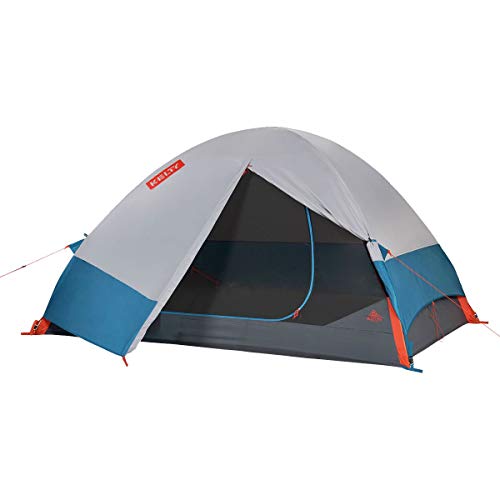
Kelty Late Start 4P Lightweight Backpacking Tent with Quickcorners, 4 Person Capacity

ATEPA Voyage 1-2 Backpacking Tent, Ultralight 20D SilNylon, 4000mm Waterproof

BISINNA Backpacking Tent 1/2/4 Person Lightweight Camping Tent


EchoSmile Lightweight Backpacking 2 Person Tent Waterproof Camping Tent

Woanger Emergency Tent 2 Person Tube Camping Tent 8 ft x 3 ft
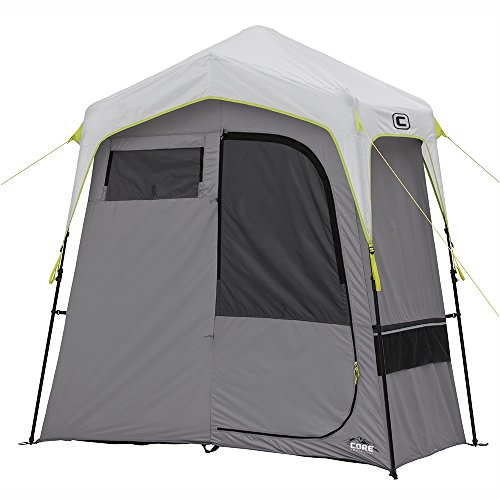
CORE Instant Camping Utility Shower Tent with Changing Privacy Room

Coleman Sundome Camping Tent with Rainfly, Sets Up in 10 Mins, Weatherproof

OneTigris Mesh Tent, Ultralight Ventilated 2 Person Tent with 3 Openings
Why These Options Stand Out
The Coleman Kids Wonder Lake is a small polyester shelter sized for one child and a buddy, and the glow-in-the-dark ceiling material turns a backyard pitch into a small adventure. It’s not the shelter you’d take on a wind-blown ridge, but for sleepovers and first-time campers that’s exactly the point.
You can pitch it in about ten minutes, the welded corners and inverted seams do a reasonable job keeping light rain out, and the included rainfly adds another layer if weather rolls in. The carry bag makes it easy to stash between weekends.
A Favorable Mix
- Glow-in-the-dark interior turns bedtime into a feature, not a fight
- Welded corners and inverted seams help block light rain during short storms
- 10-minute conventional pitch works well for first-time setup
- Frame rated for 35+ mph winds, which is more than most kids’ tents offer
- Compact carry bag fits in a closet or car trunk
Things To Consider
- 3 ft center height means adults will be crawling, not sitting up
- 7 x 4 ft floor only fits two small kids comfortably
- Polyester fabric needs proper drying before storage to prevent mildew
Quick Facts
Whose Shelf It Belongs On
Parents setting up backyard sleepovers and introducing young kids to the camping experience.
Skip It When
Adults who want a usable weekend shelter should look at the Coleman Sundome Tent instead, since it offers real sleeping space.
The Kelty Late Start 4P is built for campers who pull into a site after sundown and don’t want to wrestle poles in the dark. Quickcorner technology and pre-bent aluminum poles let two people pitch it in minutes, which is rare at this weight class.
The waterproof polyester fly handles steady rain, and the freestanding design means you can drop it on a platform or rocky pad without needing perfect staking. For small families and friend groups rolling in late, it solves a real problem.
Notable Upsides
- Quickcorner setup lets you pitch in low light without instructions
- Pre-bent poles widen the interior at shoulder height
- Aluminum pole frame keeps packed weight reasonable for backpacking
- Freestanding design works on platforms, sand, and rocky ground
Trade Offs
- Four-person rating assumes tight sleeping, so two adults get real comfort
- Single door design can feel cramped with a full house
- Polyester fly packs slightly larger than silnylon equivalents
Made For
Late-arrival car campers and small groups who prioritize fast pitch over ultralight weight.
Look Elsewhere When
Solo backpackers counting grams should consider the ATEPA Voyage 1-2 Backpacking Tent, which uses lighter 20D SilNylon fabric.
The ATEPA Voyage is a serious shelter for backpackers who count ounces and still want a four-season rating. The 20D SilNylon fabric keeps weight down without giving up the waterproofing, and the 4000mm rating handles sustained rain that would soak through cheaper builds.
Compared to the heavier Kelty Late Start 4P, this tent is aimed at a much different crowd: people covering real miles, bikepacking, or moving into spring and shoulder-season weather. The expandable vestibule is a nice touch for stashing muddy boots.
Good Reasons To Consider
- Ultralight 20D SilNylon construction suits long-distance treks
- 4000mm waterproof rating handles heavy rain and wet snow
- Freestanding geometry works in alpine and variable terrain
- Expandable vestibule gives gear room without crowding sleepers
Honest Caveats
- Thin 20D fabric needs careful handling around rocks and branches
- Two-person rated, so solo use means extra interior space but more weight carried
- SilNylon doesn’t breathe as well as mesh in warm weather
Feature Snapshot
Best Suited To
Backpackers, bikepackers, and mountaineers moving through variable weather where weight and waterproofing both matter.
Reach For A Different Pick When
Car campers wanting standing room should look at the CORE Instant Camping Utility Shower Tent, which pops up in a minute for non-sleeping tasks.
The BISINNA Backpacking Tent comes in 1, 2, and 4-person versions, so the same brand covers solo trips and family weekends without learning a new pitch system. Aluminum poles, taped seams, and a 190T polyester fly with PU3000 waterproofing give it a stronger weather spec than most budget shelters.
It’s a practical choice for someone buying their first tent and wondering if they’ll actually use it. The pole-sleeve structure adds stability in wind, and the Oxford floor fabric handles damp ground better than thin nylon.
A Few Highlights
- Available in three capacities for solo, couple, or family use
- Aluminum poles handle rough use better than fiberglass
- PU3000 rated fly with taped seams keeps rain out over long storms
- Oxford floor fabric resists wear from gravel and roots
Things To Weigh
- Not as light as dedicated ultralight options like the ATEPA Voyage
- Pole sleeves take longer to set up than clip-in designs
- Single-wall construction can trap condensation in humid air
Technical Sheet
Who It Suits Best
First-time backpackers and families wanting one brand that scales from solo to group trips.
Consider Something Else When
Hot, humid campers need more airflow and should look at the OneTigris Mesh Tent instead, which prioritizes ventilation.
The Coleman Sundome is the tent many people grew up with, and it remains one of the most recognized budget shelters on the market. The WeatherTec system combines welded floors, inverted seams, and covered zippers to keep rain from sneaking in during a typical summer storm.
You can pitch it in a few minutes with snag-free continuous pole sleeves, and the wider door makes it easier to climb in and out than narrower dome tents. It’s the kind of shelter that just works for a first car-camping trip.
A Few Strong Suits
- WeatherTec system handles wind-driven rain without soak-through
- Snag-free pole sleeves speed up setup for first-timers
- Wide door design simplifies entry and exit at night
- Affordable replacement parts available through Coleman’s catalog
Room For Improvement
- Fiberglass poles are heavier than aluminum and can crack in extreme cold
- Single-wall design traps heat on still summer nights
- Larger sizes get heavy for short hikes from car to site
Feature Rundown
The Right Fit
Weekend car campers and families looking for a familiar, easy-to-pitch shelter at a friendly price.
A Better Fit Elsewhere
Backpackers should pick the Kelty Late Start 4P instead, since aluminum poles and a freestanding frame suit trail use better.
The EchoSmile stands out for a feature budget shelters often skip: an extendable front vestibule that props up with trekking poles to create a sheltered porch. Cooking under cover during a rainstorm or keeping muddy boots outside the sleeping area are small wins that add up on a multi-day trip.
It’s a two-person build aimed at backpackers carrying real loads, and the lightweight fabric helps trim base weight. The standard tent entry is cramped, but once the front rolls back, the living space feels generous.
The Value In It
- Extendable vestibule creates a shaded cooking and changing area
- Prop-up entry keeps rain and sun off muddy gear
- Lightweight construction suits week-long backpacking routes
- Two-door options in some configurations ease entry for couples
Points To Note
- Trekking poles required to fully extend the vestibule
- Lightweight fabric needs careful staking in soft soil
- Condensation can build on still nights
Perfect Match For
Gear-heavy backpackers who want a covered area for cooking and stashing equipment on wet trips.
Swap It Out When
Dry, hot conditions call for the OneTigris Mesh Tent, which offers far more airflow through its three openings.
The Woanger is a different category entirely: a bulk pack of 8 x 3 ft tube tents sold in multiples of 4, 10, or 20. They pack flat, weigh almost nothing, and pull out of the bag ready to deploy in seconds, which makes them useful for emergency kits, group outings, and unexpected overnights.
These aren’t shelters you’d choose for a planned weekend at a developed campground. But for scout groups, vehicle emergency bags, or a low-cost way to cover a large group on a backpacking trip, the per-unit cost stays remarkably low.
What Pays Off
- Bulk pricing makes per-shelter cost very low
- Tube design deploys in under a minute
- Polyester film material resists light rain
- Useful as emergency backup or group event shelter
Worth Bearing In Mind
- No frame, so setup requires trees, posts, or guy lines
- Minimal weather protection compared to dome tents
- Limited ventilation in warm weather
Who Will Love This
Outdoor educators, emergency planners, and group leaders needing affordable backup shelter for many people.
Not Your Match When
Solo weekend campers should pick the BISINNA Backpacking Tent, which gives a real frame and weather protection for the same trip.
The CORE Instant Camping Utility is a pop-up shelter built for showers, changing, and portable privacy at a busy campground. Pre-attached poles lock into place in about a minute, which means no assembly frustration at the end of a long hike.
The H20 Block fabric carries a 1200mm water-repellent rating and fully taped seams, and a zippered door panel lets you split the interior into separate changing and shower zones. It’s a niche product, but for the right user, it solves a real problem.
Where It Delivers
- 60-second pop-up setup with pre-attached poles
- H20 Block fabric and taped seams handle shower spray
- Zippered divider creates separate changing and shower spaces
- Mesh roof and windows add airflow for steamy interiors
A Few Limitations
- Not designed as a primary sleeping shelter
- 1200mm rating handles spray but not heavy downpours
- Pop-up design packs larger than flat-folding options
Built With In Mind
Campers and beachgoers wanting portable privacy for showers, changing clothes, or a portable toilet enclosure.
Another Choice May Suit
Campers needing an actual sleep shelter should consider the Coleman Sundome Camping Tent, which offers full living space.
The current-generation Coleman Sundome updates the classic with multiple size options (2, 3, 4, and 6 person), an E-Port for running a power cable inside, and larger windows for better ventilation. It’s the same familiar 10-minute pitch, refined for festival weekends and backyard overnights.
Compared to the older Sundome (pick 5), this version adds features that matter for hot summer camping and group trips. The 4-person size fits a queen air bed, which is a useful benchmark for anyone tired of sleeping shoulder-to-shoulder.
Useful Highlights
- Multiple sizes cover everything from festival camping to family trips
- E-Port lets you run an extension cord inside for device charging
- Larger windows and ground vent improve airflow on hot nights
- Frame rated for 35+ mph winds for stormy weather
- Fits a queen air bed in the 4-person configuration
Worth Noting
- Fiberglass poles are heavier than aluminum alternatives
- Larger sizes become bulky to transport without a car
- Limited interior storage pockets in entry-level sizes
Feature Overview
Who Should Grab It
Festival-goers, family campers, and backyard hosts who want a versatile shelter that pitches quickly.
Where Another Pick Suits Better
Backcountry hikers will be happier with the ATEPA Voyage 1-2 Backpacking Tent, since it carries much lighter on the trail.
The OneTigris Mesh Tent is built for warm nights and humid climates, where a closed-wall shelter would turn into a sauna. Three large mesh openings create near-360 airflow, and the high-density mesh blocks insects while letting breeze move through freely.
It uses 70D nylon for the panels and a bathtub floor rated at 3000mm, with fully taped seams. So while it’s an airflow-first design, you don’t give up reasonable weather protection for the occasional rainy night.
Notable Gains
- Three large mesh openings create strong cross-ventilation
- 70D nylon panels resist abrasion better than ultralight mesh
- 3000mm bathtub floor keeps groundwater out during wet camps
- Ultralight construction suits bikepacking and short treks
Less Ideal Details
- Mesh walls offer little insulation in cold weather
- Less privacy than solid-wall shelters in crowded campgrounds
- Zipper placement requires care to keep insects out overnight
Best Suited To
Summer campers, tropical travelers, and bikepackers dealing with heat and humidity on overnight routes.
A Better Fit Elsewhere
Cold-weather campers need a more enclosed shelter like the ATEPA Voyage, which uses solid SilNylon panels for wind and rain protection.
How To Choose Budget Camping Tents That Actually Hold Up
Picking the right shelter comes down to matching the tent to where and how you’ll actually use it. A backpacker and a car camper need almost opposite features.
Capacity And Floor Space
Manufacturer ratings tend to be optimistic. A “4-person” tent fits two adults comfortably with gear, or four in a squeeze. For car camping, sizing up usually beats squeezing in. For backpacking, every ounce matters, so choose the smallest size that still lets you sleep and store gear.
Weight And Pack Size
Backpackers should look for tents under about 5 pounds for two-person shelters, with packed dimensions that fit a backpack. Car campers can ignore packed weight entirely and focus on interior space and weather protection. The ATEPA Voyage and OneTigris Mesh are clear ultralight picks for trail users.
Weather Protection And Season Rating
Three-season tents handle spring through fall in moderate climates. Four-season designs add pole structure and heavier fabrics for snow and high wind. Look at waterproof ratings (3000mm and up is solid for the fly), taped seams, and bathtub floors. Stormier regions call for the welded-seam protection found on Coleman tents.
Ventilation And Setup Speed
Hot climates need mesh walls and roof vents, which is where the OneTigris Mesh excels. Frequent movers and late arrivals benefit from fast-pitch designs like the Kelty Late Start with its Quickcorner system, or pop-up shelters like the CORE Instant for utility tasks.
Key Considerations Across These Picks
Where Shoppers Go Wrong
The most common mistake is buying the smallest capacity that “fits” your group. Tent ratings assume minimal gear, and a tight fit becomes miserable after one rainy night. For two adults plus a dog, choose a 3- or 4-person tent. The other pitfall is choosing ultralight weight over weather protection. Backpackers sometimes buy single-wall shelters for storm-prone regions and end up soaked, which is why four-season picks like the ATEPA Voyage exist.
Where The Extra Money Goes
Stepping up to a higher-tier tent typically buys stronger fabrics, better pole materials, and tighter seam construction. Aluminum poles resist breaking in cold weather where fiberglass cracks. Higher-denier fabrics last longer against abrasion and UV damage. Taped seams and higher waterproof ratings keep you dry through longer storms. For casual weekend camping, the budget tier is plenty. For regular use or harsh conditions, the upgrade pays off in fewer wet nights and longer tent life.
Frequently Asked Questions
What size tent do I need for two adults?
Most manufacturers rate tents for tight sleeping, so a “2-person” tent fits two adults with no gear. Adding a dog or any gear calls for a 3-person or larger model. For car camping, sizing up is almost always the right call.
Are budget tents waterproof enough for real rain?
Many budget tents use waterproof-rated fabrics and taped seams that handle moderate rain well. Look for ratings of 3000mm or higher on the fly, and check for inverted or welded seams. In sustained downpours, even good budget tents can leak at zippers and seams.
Can one person pitch a 4-person tent alone?
Most dome-style 4-person tents can be pitched solo, though it takes practice and a second pair of hands helps during windy setups. Pop-up designs like the CORE Instant lock in place without assembly, while freestanding designs like the Kelty Late Start make solo pitching easier.
What’s the difference between three-season and four-season tents?
Three-season tents handle spring through fall in moderate climates with mesh ventilation and rain protection. Four-season tents add stronger pole structures and heavier fabrics to handle snow loads and high winds, typically at the cost of ventilation and weight.
How long should a budget camping tent last?
With reasonable care, a budget tent lasts three to five seasons of regular use before seam tape and fabric show significant wear. Storing the tent dry, avoiding prolonged UV exposure, and patching small punctures early all extend its life considerably.
Closing Thoughts
The right budget tent depends entirely on where you’re headed. Backpackers will value the ATEPA Voyage or OneTigris Mesh for their low weight and weather handling. Car campers get more space and easier setup with the Coleman Sundome or BISINNA options. Pick the shelter that matches your trips, not the one with the most features on paper.