
A good camping mat transforms a restless night on hard ground into real rest, and you don’t need to overspend to get there. The budget space has quietly grown up, with foam pads, self-inflating mattresses, and sand-free outdoor rugs now offering genuine comfort under tight price tags. This roundup rounds up ten options that balance cost, comfort, and durability across car camping, backpacking, and family setups.
A Fast Comparison Of The Options

CGEAR Original Sand-Free Outdoor Camping Mat

TIXANF Camping Tent Carpet Mat (60×72)
Releep 3-Inch Dual-Sided Memory Foam Camping Mattress
Therm-a-Rest Z Lite Original Sleeping Pad
Featherstone El Cordion Insulated Foam Pad

G GOOD GAIN Waterproof Picnic Blanket 79″x79″

Zzuvjoy Memory Sleeping Pad 3.1″ Self-Inflating

Yamaziot 5×8 Reversible Outdoor Plastic Rug

Aehma Insulated Tent Floor Thermal Blanket

Elegear 4″ Thick Sleeping Pad with 9 R-Value
A Deeper Look At The Lineup
The CGEAR mat takes a different approach than the foam sleeping pads you’ll see later in this list. It’s a ground cover rather than a bed, built around a dual-layer weave that lets sand, dirt, and grit fall straight through instead of piling up under your towel. You can pick from four square footprints ranging from 6 by 6 feet up to 12 by 12, which means it scales from a couple’s beach afternoon to a full family picnic with room to spare.
For anyone who has packed out a sandy campsite or spent a beach trip shaking grit out of every corner, that single feature pays for itself. Unlike the closed-cell pads from Therm-a-Rest and Featherstone further down, this mat isn’t designed to sleep on; it’s the clean foundation you lay down first.
The Upside
- Sand and debris drop through the weave rather than collecting on the surface
- Four size options cover solo setups through larger group layouts
- Folds into a compact carry pouch for stashing in a trunk or beach bag
- Doubles as a picnic blanket, play surface, or tent footprint in soft sand
Things To Consider
- Not designed as a sleeping surface, so foam pads still belong on top for overnight use
- Open weave can snag on sharp rocks or roots, so choose your site carefully
Who It Suits Best
Beachgoers, picnic hosts, and families who want a clean, dry patch of ground on sand or grass without dragging half the beach home.
Look Elsewhere When
You need a bed for sleeping rather than a ground cover, in which case the Releep memory foam mat offers much more cushioning.
The TIXANF carpet mat is built for one specific job: making the inside of a tent feel a little more like home. Its top surface is a 100% PET felt that softens under bare feet, while the underside is waterproof and non-slip so it stays put on a slick tent floor. At 60 by 72 inches, it fits most two-person tents without trimming, though the edges won’t fray if you do need to customise the shape.
Where the CGEAR mat from earlier keeps grit outside, this one handles the sweat and condensation that show up once you’re inside for the night. It’s a layered approach to comfort, and it works especially well over a closed-cell pad.
Points In Its Favor
- Soft felt top absorbs moisture and adds a warm layer underfoot
- Cuttable to size without unraveling at the edges
- Rinses clean with a hose and air dries for quick turnaround between trips
- Non-slip base keeps it planted on the tent floor overnight
Worth Noting
- Needs hand washing or a gentle rinse, and bleach will damage the fibers
- Adds bulk and weight to your pack, so it’s better suited to car camping than long hikes
Made For
Campers who car-camp in two or three-person tents and want a softer, warmer floor without upgrading to a thick foam mattress.
Skip It When
You’re packing light on foot, where the Therm-a-Rest Z Lite packs down far smaller and adds almost nothing to your load.
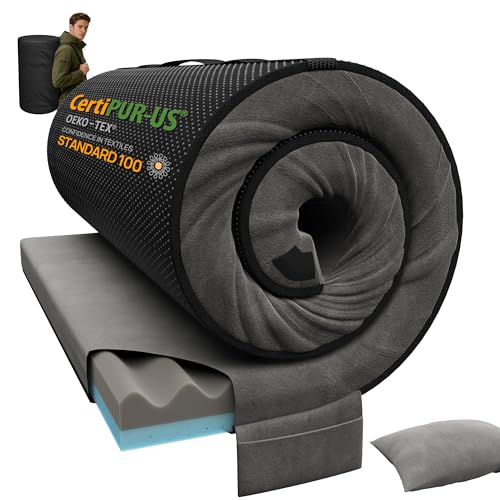
If you’ve ever envied the mattress at home while lying on thin foam, the Releep pad exists to close that gap. Three inches of dual-layer construction pairs gel-infused memory foam on top with high-density support foam underneath, so you get pressure relief plus the kind of stable base that keeps your spine aligned over a long night. It rolls up into the included carry bag and ships with a portable pillow, which simplifies packing for first-time campers.
Where the TIXANF felt mat from earlier adds softness under your feet, this one adds it under your whole body. It’s heavier and bulkier than a backpacking pad, but for car camping, SUV sleep setups, or hosting an overnight guest, the comfort jump is hard to beat.
Everyday Advantages
- Three inches of foam cushions hips and shoulders far better than a thin pad
- Dual-sided design lets you choose between a softer and firmer sleep surface
- Bundled pillow and carry bag save you from buying extras separately
- Works equally well as a guest bed at home, expanding its use beyond camping
Trade Offs
- Too bulky and heavy for backcountry trips; this is a car-camp mattress
- Memory foam can hold moisture longer than closed-cell foam, so thorough drying between trips matters
Best Suited To
Car campers, SUV sleepers, and anyone hosting overnight guests who wants a real bed feel without dragging out a full air mattress.
Consider Something Else When
You’ll be carrying your sleep setup for miles, where the Featherstone El Cordion offers insulation at a fraction of the weight.
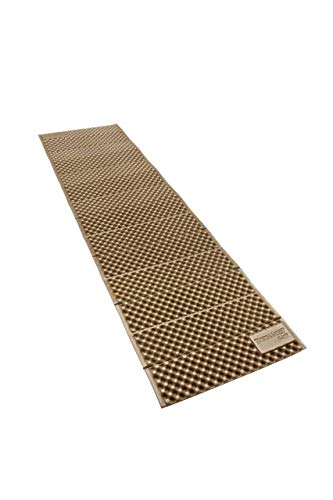
The Z Lite has earned its reputation over decades on the trail, and it remains the reference point for closed-cell foam pads (meaning dense foam that traps air in its structure rather than inflating). It folds accordion-style into a slab that straps to the outside of any pack, and the dimpled surface does double duty by adding a touch of softness while trapping warm air beneath you. There’s nothing to inflate, nothing to pop, and almost nothing that can go wrong.
Compared to the Releep mattress, the Z Lite feels minimalist, but that’s the point. Backpackers chasing ultralight setups rely on it because every ounce saved on sleep gear shows up in your legs the next morning. You can also fold two together for a thicker, warmer surface in cold conditions.
Useful Touches
- Closed-cell foam is virtually indestructible and shrugs off sharp ground
- Folds compactly and straps outside a pack without taking up interior space
- Dimple pattern traps warm air for cooler nights
- Foam construction means no valves, no leaks, and no overnight deflation
Honest Caveats
- Thinner and firmer than inflatable or memory foam options
- Bulky volume even when folded, so it doesn’t fit in smaller packs
Feature Snapshot
The Right Fit
Backpackers, thru-hikers, and anyone whose pack weight matters more than home-style comfort on the trail.
A Better Fit Elsewhere
Campers prioritising plush cushioning over pack size will find the Releep memory foam pad much more comfortable at camp.
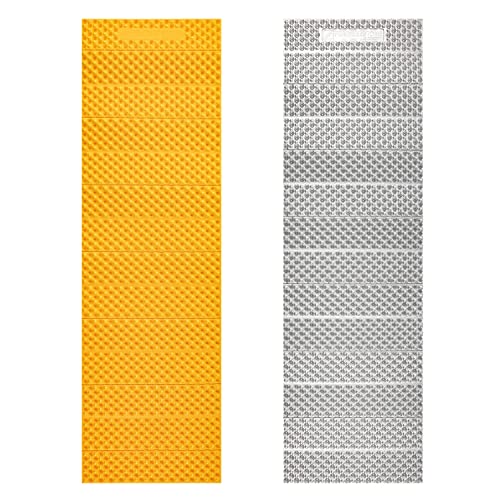
The Featherstone El Cordion takes the familiar closed-cell foam formula and adds genuine insulation. Inside the pad, a layer of irradiation cross-linked polyethylene foam (a denser, more durable foam structure) works with a dual-density heat-reflective film to bounce body heat back toward you. The result is an R-value of 2.1 (a standardised measure of insulation, where higher numbers mean more warmth), which is a step up from a basic foam pad and opens the door to shoulder-season backpacking.
The hexagonal surface nodes also give you more height and coverage than the traditional egg-crate pattern. Pair that with the featherweight spec sheet and you have a pad built for long miles where the temperature drops after sundown.
Strong Points
- R-value 2.1 handles cool nights better than a basic closed-cell pad
- Hexagonal nodes add cushion and increase ground clearance
- Lightweight enough for thru-hikers watching every ounce
- Closed-cell foam construction keeps it puncture-resistant
Possible Compromises
- Insulation still falls short for deep-winter or high-altitude conditions
- Folds to a larger volume than inflatable pads in the same warmth class
Built With In Mind
Three-season backpackers and section hikers who want more warmth than a basic foam pad without carrying an inflatable.
Swap It Out When
You camp in genuine cold weather on snow, where the Elegear 4″ pad’s much higher R-value delivers the warmth you need.
The G GOOD GAIN blanket trades the technical specs of a sleeping pad for sheer surface area. At 79 inches square, it comfortably fits six to eight adults, which means nobody’s sitting on the dirt at the next family cookout or outdoor concert. The waterproof backing keeps ground moisture from seeping up, and the whole blanket is machine washable, so the inevitable ketchup situation isn’t a crisis.
Where the CGEAR mat focuses on keeping sand out, this one focuses on keeping people comfortable on top of it. The hands-free carry strap with a padded shoulder patch is a small touch that earns its keep on longer walks from the parking lot.
Useful Highlights
- Generous 79 by 79-inch footprint seats a whole family without overlap
- Waterproof backing blocks damp grass and dewy ground
- Machine washable for easy cleanup after messy outdoor meals
- Padded shoulder strap makes carrying comfortable across longer distances
A Few Limitations
- Too bulky and cushion-thin to use as a sleeping surface
- Larger folded size makes it less practical for solo trips on foot
Feature Snapshot
Perfect Match For
Families and small groups who want a clean, dry, roomy base for picnics, concerts, festivals, or relaxed camp lounging.
Reach For A Different Pick When
You’re packing gear to sleep on, since the Releep memory foam mattress handles the overnight side of camping much better.
The Zzuvjoy pad brings the convenience of self-inflating foam together with a serious 3.1-inch thickness and a 9.5 R-value, putting it in proper cold-weather territory. Open all three valves and the foam core expands on its own for ten seconds, then a foot-operated pump tops it up to your preferred firmness without any huffing and puffing. A bundled pillow rounds out the setup so you don’t have to scrunch a jacket into shape at bedtime.
Compare that to the Releep memory foam mattress from earlier, and you get a different comfort story: that one emphasises plushness, while this one prioritises ease of inflation and high insulation. For campers who hate mouth-inflating pads at altitude, that foot pump alone is worth the trade.
What Stands Out
- Foot-pump inflation avoids breath-fogging exertion in cold weather
- 3.1-inch profile lifts you well off rocky or uneven ground
- 9.5 R-value handles frost-season camping without a second pad underneath
- Bundled pillow and self-inflating core simplify setup at the campsite
Things To Weigh
- Heavier than a backpacking-focused pad and best reserved for car camping
- Self-inflating foam cores take longer to fully dry if they absorb moisture
Who Will Love This
Car campers and cold-weather sleepers who want generous cushioning without manual lung-powered inflation.
Where A Sibling Pick Shines
Thru-hikers counting ounces will prefer the Featherstone El Cordion, which strips out the pump and insulation for the lightest possible pack.
The Yamaziot rug sits in a different category than the foam pads above; it’s a plastic straw mat made for high-traffic outdoor spaces. Woven from 100% UV-coated polypropylene, it handles sun exposure without cracking and cleans up with a quick shake or hose-down. The reversible design gives you two looks in one rug, so when the inevitable spill happens, you can just flip it over.
At 5 by 8 feet, it covers a generous stretch of patio, RV awning, or campsite kitchen. Compared to the G GOOD GAIN picnic blanket, this one trades softness for durability, which is exactly the right call under camp chairs and a clattering cook setup.
Why It Works Well
- Woven plastic straw handles weather and rough use better than fabric blankets
- Reversible design effectively doubles the lifespan before washing
- UV coating helps resist fading and brittleness in direct sunlight
- Wide 5 by 8-foot layout fits under a full camp kitchen or seating area
Factors To Consider
- Hard plastic surface isn’t comfortable to sleep or sit on directly without a layer above
- Edges can curl slightly over time, so weighing the corners helps it lie flat
Feature Snapshot
The Right Fit
RVers, van lifers, and patio campers who need a tough, weather-ready surface that shrugs off grease, mud, and UV.
Not Your Match When
You’re setting up a sleep system on the ground, where a foam pad like the Zzuvjoy delivers far more comfort per dollar.
The Aehma thermal blanket takes the minimalist route: a thin sheet of EPE foam sandwiched between two layers of aluminium foil, measuring roughly 78.7 by 59 inches. It weighs around 160 grams, which is lighter than a paperback book, and it folds down small enough to slip into a jacket pocket. The reflective surfaces bounce body heat back toward you rather than letting it soak into cold ground.
This isn’t a primary sleeping pad; it’s an additive layer. Slipped beneath a closed-cell foam pad, it bumps up warmth noticeably without adding weight you’d notice on a long hike. Think of it as a foil blanket that doubles as a tent floor.
Reasons It Performs
- Adds insulation beneath any existing pad for colder conditions
- Weighs only about 160 grams for ultralight packing
- Reflective surfaces minimise heat loss to frozen or damp ground
- Multi-use design works as an emergency thermal blanket in a pinch
Points To Keep In Mind
- Foam thickness is only about 0.2 cm, so it offers no real cushioning on its own
- Aluminium foil can crinkle loudly if you shift around a lot at night
Built With In Mind
Backpackers and budget-conscious campers layering extra warmth beneath a thin foam pad on shoulder-season trips.
Consider Something Else When
You want one piece of gear to do the whole job, since the Featherstone El Cordion already includes insulation in a thicker, more durable pad.
The Elegear closes out the list as the heavyweight option, and it earns that label honestly. Four inches of foam combined with a nine-layer insulation system delivers an R-value of 9, which is genuine cold-weather territory suitable for freezing nights and snow camping. The pad is self-inflating under the same logic as the Zzuvjoy, so setup stays simple despite the size.
Compared to the Featherstone and Therm-a-Rest pads earlier in the lineup, this is more pad than most casual campers need. But for anyone pushing into shoulder-season alpine trips, the warmth-to-weight story starts to make sense.
Practical Pluses
- R-value 9 keeps sleepers warm in genuinely cold conditions
- Four-inch thickness absorbs pressure from rocks and roots under the tent
- Self-inflating design simplifies a pad that’s otherwise bulky to wrestle
- Layered insulation system handles temperature swings across changing weather
Worth Bearing In Mind
- Heavier and bulkier than the backpacking-focused foam pads in this roundup
- Insulation overkill for summer camping in mild climates
Feature Snapshot
Who Should Grab It
Four-season campers, winter backpackers, and anyone camping at altitude where thin foam pads leave them cold by 3 a.m.
A Better Fit Elsewhere
Warm-weather campers will get plenty of value from the Zzuvjoy or Releep pads, which trade extreme insulation for lighter packs and lower cost.
What Matters Most Before Choosing Budget Camping Mats
The right camping mat depends on how you actually camp, so start with the basics. Backpackers should weigh every option against their pack capacity and care about R-value, which is a standardised measure of how well a material resists heat flow (higher numbers mean more insulation, and most three-season pads sit between 2 and 5). Car campers can ignore pack weight and focus on thickness and surface softness instead.
Family setups blur the lines. A ground cover like the CGEAR or G GOOD GAIN keeps the picnic area clean, while a foam mat underneath makes the tent itself feel more like a bedroom. Mixing categories usually gives the best result.
Material choices tell you a lot about durability and comfort. Closed-cell foam (dense foam that traps air internally and never needs inflating) is nearly indestructible and handles rough ground, but feels firmer. Open-cell memory foam cushions pressure points beautifully yet adds bulk and weight. Self-inflating hybrids split the difference, expanding partially on their own before you top them up by mouth or pump. For wet climates, prioritise waterproof backing and quick-drying materials, since trapped moisture leads to cold, clammy nights.
Key Considerations Across These Picks
Common Shopping Slip Ups
The easiest trap is buying a foam pad that’s too thin because the price looks right. A pad that compresses under your hip at home will feel twice as miserable after a day of hiking, so thickness and R-value matter more than the headline cost. Another slip is matching a backpacking pad to car camping or vice versa. A heavy memory foam mattress sounds appealing until you’re carrying it three miles into a site.
Where The Extra Money Goes
Higher-tier pads in this category typically buy you better insulation (higher R-value), thicker foam for cushioning, and convenience features like foot pumps or self-inflating cores. The upgrade makes the most sense when you camp often, in variable weather, or on trips where poor sleep ruins the next day’s hike. For occasional fair-weather weekends, the budget tier handles the job without straining your wallet.
Frequently Asked Questions
What thickness of camping mat is comfortable for most adults?
A thickness of around 3 inches generally balances cushioning and packability for most adults, with side sleepers benefiting from the extra room to keep hips and shoulders from bottoming out. Thinner foam pads under 1.5 inches work for ultralight backpackers who prioritise weight over comfort.
How do I clean and store a camping mat properly?
Most foam and self-inflating pads clean up with mild soap, water, and a soft cloth; avoid harsh detergents or bleach that break down fibers and coatings. Always air dry the pad fully before rolling it up, since trapped moisture leads to mildew and shortens the lifespan of foam cores.
Is a higher R-value always better for camping mats?
Higher R-values mean more insulation, but they only matter when you’re camping in genuinely cold conditions. A pad with an R-value of 2 to 3 handles most summer and shoulder-season nights fine, while values of 5 and above make sense for winter or high-altitude trips.
Can I use a camping mat on hard ground without a tent?
Yes, foam and self-inflating pads work fine on flat, relatively smooth ground without a tent underneath. For rocky or rooty terrain, look for pads at least 3 inches thick and consider a ground cover like the CGEAR mat to keep debris from working its way under you.
What’s the difference between a sleeping pad and a picnic blanket?
Sleeping pads prioritise insulation, thickness, and support for lying down over long periods. Picnic blankets focus on surface area, easy cleaning, and a barrier against ground moisture for sitting upright during the day.
Closing Remarks
Budget camping mats have come a long way from the thin foam rectangles of the past, and the ten picks above prove you don’t need to overspend for genuine comfort. Match the pad to your trip style, pay attention to thickness and R-value for your climate, and you’ll sleep better on your next night outdoors without lighting a fire under your budget.