
Great smoke starts long before food hits the grate. The right fuel shapes how a brisket crusts, how chicken thighs pull moisture, and whether ribs finish with a clean smoke ring or a bitter edge. Home pitmasters juggling offset smokers, kamados, and kettle grills all share the same first decision: which briquettes give a clean burn, steady heat, and authentic wood-fired character. This roundup sorts through charcoal briquettes, hardwood pellet blends, and a chimney starter worth owning alongside the fuel itself. Each pick fits a different cooking style, from weeknight burgers to low-and-slow weekend smokes.
A Snapshot Of The Selections

Kingsford Craftsmoke Premium Applewood Pellets 20 lb

Weber 1759180 Briquettes 8 kg Black

Kingsford Craftsmoke Hickory Pellets 20 lb

Kingsford Craftsmoke Cherry Hickory Oak Pellets 20 lb

Kingsford Original Charcoal Briquettes 16 lb

CADARA Galvanized Charcoal Chimney Starter

Kingsford Original Charcoal Briquettes Two 12 lb Bags
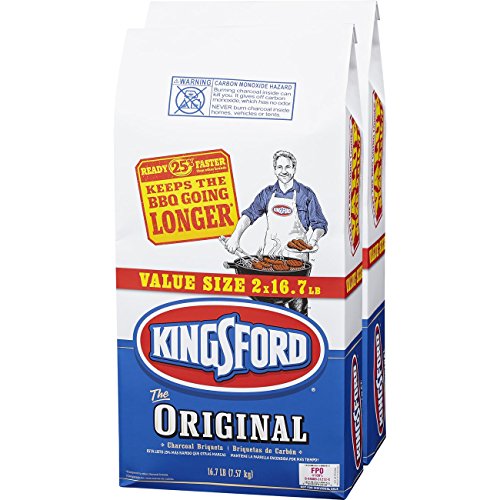
Kingsford Original Charcoal Briquettes Two 16.7 lb Bags

Kingsford Craftsmoke Mesquite Pellets 20 lb
The Picks, Examined More Closely
Applewood is the gateway smoke for most new pitmasters, and Kingsford’s Craftsmoke apple pellets lean into that role. Made from 100% natural hardwood, this 20-pound bag feeds pellet smokers and grills that burn compressed wood cylinders instead of chunks.
Where classic Kingsford briquettes lean neutral, these pellets push subtle fruity sweetness. Pork tenderloin, chicken thighs, and roasted vegetables all benefit without tasting perfumed. For a home cook just adding real smoke to weeknight dinners, the learning curve is friendly and the flavor profile is forgiving.
What Works In Its Favor
- Gentle, sweet smoke that pairs naturally with poultry and lighter proteins
- 100% natural hardwood composition with no filler additives
- 20-pound format covers roughly a season of weekly cooks for a home smoker
- Consistent pellet density, which helps feed systems run without auger jams
Things To Consider
- Designed for pellet-fed grills and smokers, not charcoal kettle grills
- Flavor profile runs mild; pitmasters chasing bold bark may want to layer with stronger woods
Who It Suits Best
New pellet-grill owners cooking pork, poultry, or vegetables and wanting an approachable smoke flavor that won’t overpower delicate foods.
Where Another Pick Suits Better
Brisket and rib cooks after a stronger smoke signature will get more from the Kingsford Craftsmoke Hickory Pellets 20 lb reviewed below.
Weber’s 8-kilogram briquettes target purists who want pure fuel in the firebox, not flavor built into the briquette itself. Sourced from natural carbon sources, these blocks deliver a clean burn across kettle grills, offset smokers, and ceramic cookers.
The trade-off versus the apple pellets above is neutrality. Weber’s briquettes don’t add fruity sweetness; they add consistent heat and a long burn window, which is exactly what indirect cooking needs. Compared to Kingsford Original, Weber skips the mineral additives and relies on compressed carbon for steady performance.
A Few Highlights
- Pure carbon construction keeps smoke flavor tasting like food, not fuel
- Long, even burn supports hours-long low-and-slow sessions
- Pairs cleanly with separate wood chunks for added smoke character
Worth Noting
- Higher ash output than some competitors, which can shorten intervals between grate cleanings
- 8 kg bag is heavy and bulky to haul from the car to the grill
- Neutral base means reaching deep smoke depth requires supplemental wood
Quick Facts
Made For
Experienced grillers running offset or kamado smokers who add their own wood chunks for flavor.
Consider Something Else When
Weeknight cooks wanting one-step convenience will find the Kingsford Original Charcoal Briquettes 16 lb faster to light and easier to manage.
Hickory is the reference wood against which all others get judged, and Kingsford’s Craftsmoke hickory pellets aim straight at that benchmark. Made from 100% natural hardwood with a hickory and oak blend, this 20-pound bag fuels pellet grills through the heaviest cooks of the year.
The flavor lands with that bacon-like depth serious BBQ fans chase. Beef ribs, brisket flats, and pulled pork shoulders all take on a stronger smoke signature than the apple pellets above. Where some woods fade into the background at long cook times, hickory holds its identity across eight or ten hours of combustion.
Notable Upsides
- Strong, classic smoke flavor that defines traditional American BBQ
- Hickory-oak blend softens the harshness pure hickory can deliver
- Large 20 lb bag suits serious pitmasters running multiple weekend cooks
- Pairs especially well with beef and heavier pork cuts
Trade Offs
- Smoke intensity can overpower chicken and fish if used carelessly
- Pellet format only works in pellet-fed grills, not charcoal kettles
- Hardwood density means the bag is heavy and needs dry storage
Right Fit For
Backyard pitmasters smoking brisket, ribs, or pork shoulder who want traditional smoke character without sourcing individual wood varieties.
Skip It When
Cooks focused on poultry, vegetables, or delicate seafood should reach for the Kingsford Craftsmoke Applewood Pellets 20 lb instead.
Hardcore BBQ obsessives tend to blend their own woods. The Grillmasters Choice blend from Kingsford does that work upfront, mixing cherry, hickory, and oak into a single 20-pound bag of natural hardwood pellets.
Cherry adds a subtle sweetness that softens hickory’s intensity, while oak lays down a neutral backbone that holds heat steady. The result is a balanced, all-purpose smoke profile that works across a wider range of proteins than any single wood can handle. For a cookout that runs burgers, ribs, and veggies on the same smoker, this blend simplifies the planning.
Key Advantages
- Three-wood blend adapts to multiple proteins in one cook session
- Cherry’s natural sweetness rounds out the heavier hickory notes
- Oak backbone delivers reliable burn time for longer smokes
- 100% natural hardwood composition matches the rest of the Craftsmoke line
A Few Limitations
- Single-wood purists lose the ability to tailor smoke to specific meats
- Blend ratios are fixed, so there’s no dialing the cherry sweetness up or down
- 20 lb bag is bulky and benefits from dry, sealed storage between cooks
Best Suited To
Hosts running multi-protein cookouts who want a single fuel choice that handles everything from chicken to brisket cleanly.
Not Your Match When
Traditionalists committed to hickory-only smoke will prefer the Kingsford Craftsmoke Hickory Pellets 20 lb for purer flavor control.
Kingsford Original is the charcoal aisle workhorse, and this 16-pound bag is the format most backyard grills were designed around. Where the wood pellets above target pellet-fed smokers, these pressed briquettes fit every kettle, barrel, and offset smoker in the garage.
The signature groove pattern catches flame quickly, so cookouts don’t stall waiting on coals to ash over. Compared to the Weber briquettes reviewed earlier, Kingsford Original contains binding additives that help shape consistency but contribute slightly more ash. For most home cooks, that trade-off is invisible, and the lighting speed more than makes up for it.
The Practical Payoff
- Fast lighting design gets coals ready for cooking in roughly 15 minutes
- Grove-shaped edges catch flame quickly and channel airflow for even heating
- Compatible with virtually every charcoal grill and smoker style
- 16 lb bag hits the sweet spot for most household storage areas
Honest Caveats
- Mineral binders contribute to higher ash output than pure-carbon alternatives
- Smoke flavor stays neutral, so bold BBQ character requires adding wood chunks
Feature Snapshot
Whose Shelf It Belongs On
Weeknight grillers running kettle grills who need fast, predictable charcoal for burgers, chicken, and steaks.
Look Elsewhere When
Pellet-grill owners will get better smoke delivery from the Kingsford Craftsmoke Cherry Hickory Oak Pellets 20 lb instead.
The CADARA chimney starter isn’t a fuel, but no briquette roundup is complete without one. This zinc-coated galvanized steel cylinder replaces lighter fluid by using a simple convection principle: newspaper at the bottom, charcoal up top, and rising heat does the rest.
While the briquettes and pellets above focus on what burns in the firebox, this tool changes how the fire starts. Skipping lighter fluid keeps chemical taste out of the food and speeds lighting to roughly the time it takes newspaper to fully ignite.
What Stands Out
- Eliminates lighter fluid, which keeps petrochemical taste off food
- Large-diameter base holes feed charcoal quickly once newspaper catches
- Side ventilation holes sustain strong airflow during ignition
- Zinc-coated steel construction resists rust across multiple seasons
Points To Note
- Handle gets hot during use, so heat-resistant gloves are a smart add-on
- Thin galvanized steel can dent if dropped on hard surfaces
- Holds enough charcoal for one load, requiring refills on larger cookouts
Feature Rundown
Who Should Grab It
Kettle-grill owners who want to ditch lighter fluid and start coals cleanly with newspaper or a fire starter cube.
Reach For A Different Pick When
Pellet-grill users won’t need a chimney since pellets feed automatically through the auger system.
This two-pack delivers the same Kingsford Original formula as the 16-pound bag above, but spread across two 12-pound bags. For households running two or more cookouts per month, the split offers practical handling benefits at roughly the same total weight.
Smaller bags stay sealed longer in storage, which keeps briquettes dry and ready. Lift one to the grill, leave the other on the shelf. Each bag produces roughly eight cooks, so a household running weekly sessions can stretch a single purchase through nearly four months.
Strengths Worth Knowing
- Total 24 lb volume suits families running frequent weekend cooks
- Smaller individual bags are easier to lift and pour
- Same 15-minute ready-to-cook performance as the single 16 lb format
- Sealed packaging protects unused briquettes from moisture
Possible Compromises
- Neutral smoke profile still requires wood chunks for deeper BBQ flavor
- Two bags take up more shelf space than the equivalent single bag
Feature Overview
Who Will Love This
Busy families and weekend hosts who grill often and want a charcoal supply that lasts across an entire summer without running out.
A Better Fit Elsewhere
Solo cooks running only occasional weeknight meals will find the single Kingsford Original Charcoal Briquettes 16 lb format easier to store.
At two 16.7-pound bags, this Kingsford Original format targets serious backyard crews. Total weight lands around 33 pounds of charcoal, enough to cover a full season of weekly grill sessions or a single catering-style weekend.
The Sure Fire Grooves that define Kingsford Original appear here in their largest retail format. Compared to the two 12-pound bags above, this option reduces bag changes and storage rotations for cooks who tear through fuel fast.
Bright Spots
- Large 33 lb total volume handles heavy-use households without frequent restocking
- Sure Fire Grooves deliver the same fast lighting as smaller Kingsford formats
- Natural ingredients and real wood composition match the brand’s standard
Where It May Fall Short
- Bags are heavy to haul from car to grill, especially for one person
- Larger format can lose freshness faster once opened if stored in humid sheds
- Smoke profile still leans neutral without supplemental wood chunks
Perfect Match For
Serious backyard pitmasters, tailgate regulars, and neighborhood cookout hosts who run through charcoal faster than typical households.
Where A Sibling Pick Shines
Cooks chasing real smoke depth in the bag itself should pick the Kingsford Craftsmoke Hickory Pellets 20 lb for built-in wood flavor.
Mesquite is the boldest wood in the Craftsmoke line, and these 20-pound pellets from Kingsford deliver the strongest smoke character in the lineup. The mesquite-and-oak blend softens pure mesquite’s edge while keeping its unmistakable intensity.
Steaks, burgers, and lamb take on a deep, earthy smoke that hickory can’t quite match. Where the apple pellets above play supporting roles for poultry, mesquite wants to be the headline. Cooks chasing Texas-style brisket profiles or grilled steaks with serious smoke rings will find this fuel worth the trade-offs.
Real Benefits
- Deepest smoke intensity in the Craftsmoke pellet range
- Mesquite-oak blend tempers the bitterness pure mesquite can produce
- 100% natural hardwood composition keeps flavor authentic
- Excellent match for red meat, lamb, and game
Less Ideal Details
- Smoke intensity can overpower chicken, fish, and lighter vegetables
- Pellet format limited to pellet grills and smokers
- Strong flavor demands careful timing on the grill to avoid bitterness
Key Attributes
Built With In Mind
Pellet-grill owners smoking steaks, brisket, and lamb who want a recognizable mesquite signature rather than a softer wood profile.
Swap It Out When
Weeknight cooks smoking poultry or vegetables will find the gentler Kingsford Craftsmoke Applewood Pellets 20 lb a smarter fit.
What Matters Most Before Choosing Briquettes For Smoking
Wood Type And Smoke Strength
Smoke intensity varies more than any other attribute across the picks above. Applewood runs delicate and sweet, mesquite hits bold and earthy, and hickory sits between them as the traditional BBQ reference. Matching wood strength to protein matters: delicate fish and chicken favor apple, while beef and lamb can take mesquite’s heavier profile. Pellet grills and traditional charcoal smokers don’t always accept the same fuels, so cross-check grill compatibility before stocking up.
Format: Briquettes Versus Wood Pellets
Briquettes are pressed carbon blocks shaped for long, even burns in charcoal kettles, offset smokers, and ceramic cookers. Wood pellets are small compressed cylinders that feed automatically through pellet grills’ auger systems. Choosing between them usually comes down to what equipment you own, not which is better overall.
Burn Time And Lighting Speed
Kingsford Original’s groove pattern lights in roughly 15 minutes, while pure-carbon briquettes from Weber often need slightly longer but burn slower once established. Pellet systems feed continuously, so lighting speed becomes automatic. For weeknight cooking, fast ignition matters; for overnight smokes, steady burn time matters more.
Storage And Handling
Briquettes and pellets both absorb moisture if stored carelessly. Sealed bags, dry sheds, and elevated shelving keep fuel ready. Lighter, smaller bags are easier to carry from the car to the grill, while bulk formats save trips but demand stronger hands.
Key Considerations Across These Picks
Pitfalls Shoppers Hit
A common misstep is buying wood pellets for a charcoal kettle or traditional briquettes for a pellet grill. Each fuel format fits specific equipment. Another trap is choosing overly bold woods for delicate proteins, which leaves chicken and fish tasting bitter. Matching wood strength to food matters as much as matching fuel to grill.
Why Top Tier Costs More
Premium hardwood pellets cost more per pound than commodity briquettes because the raw material is denser and the processing is more controlled. Craftsmoke pellets from Kingsford carry a higher price because the wood is sourced and milled for consistent pellet density, which keeps auger systems feeding cleanly. For pellet-grill owners, that consistency is worth paying for. For traditional charcoal cooks, premium briquettes like Weber’s pure-carbon option deliver cleaner smoke with less ash, justifying their step up from commodity blends.
Frequently Asked Questions
Are briquettes good for smoking meat?
Yes. Briquettes are the most common fuel for kettle grills and offset smokers because they hold steady temperatures for hours. Wood pellets serve the same purpose in pellet grills, but neither format outperforms the other when matched to its equipment.
How long do charcoal briquettes burn while smoking?
A standard chimney of briquettes typically runs 60 to 90 minutes at cooking temperatures, depending on airflow and grill size. Larger loads and restricted vents extend burn windows for low-and-slow cooks.
Can I mix wood pellets and charcoal briquettes?
You can, but only in setups that accept both. Some smokers run charcoal as a base with wood chunks for added flavor. Mixing pellets directly into charcoal grills is uncommon and may create uneven burns without proper airflow.
Do I need lighter fluid to start briquettes?
No. A chimney starter like the CADARA option above lights briquettes using only newspaper or a fire starter cube, which avoids chemical taste on food and speeds ignition.
What’s the difference between briquettes and lump charcoal?
Briquettes are pressed uniform blocks with consistent burn times. Lump charcoal is carbonized wood chunks that burn hotter and cleaner but less predictably. Briquettes favor steady smoking; lump favors high-heat searing.
The Takeaway
Great smoke comes from matching fuel to grill, wood to protein, and burn profile to the cook you’re planning. The picks in this roundup cover weeknight grilling, low-and-slow weekend smokes, and the chimney tool that ties them together. Trust your grill, your menu, and the flavor you actually want on the plate, and the right briquette will follow from there.