
A good night outdoors starts with the pad beneath you, not the tent over your head. Self-inflating mats, raised air beds, and thick foam pads each solve the same problem in different ways, and the right call depends on how you sleep, where you go, and what you drive. After sorting through nine solid options, this roundup covers everything from ultralight camp setups to in-home guest beds and even Tesla-specific cargo sleep systems, so you can match your pick to your actual situation.
The Main Contenders

Teton Outfitter XL Sleeping Pad for Cot
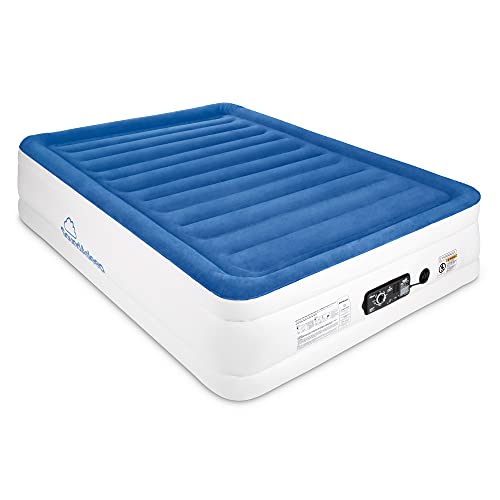
SoundAsleep CloudNine Series Raised Queen Air Mattress

SoundAsleep Camping Series Twin Air Mattress

LLUAII Self-Inflating Sleeping Pad with Electric Pump

Lost Horizon Self-Inflating Foam Camping Mattress for Model Y

SoundAsleep Dream Series Raised Queen Air Mattress

Lost Horizon Self-Inflating Foam Camping Mattress (Single, 3″)

Lost Horizon Option3 Self-Inflating Foam Camping Mattress (Full)

Elegear 4″ Thick Insulated Sleeping Pad (Single)
The Strengths Of Each Pick
The Outfitter XL is a roll-up foam pad built specifically to layer onto a camping cot, and it handles that job with a no-fuss, utilitarian approach. Its poly-canvas shell covers a thick foam core, giving car campers a soft top layer without the storage headache of a pump or the slow leak risk of an air mattress.
Where it really earns its place is base-camp setups where you drive right up to your tent and unpack once. The slip-resistant loops anchor the pad to a cot frame, so restless sleepers won’t slide off mid-night. Compared with the air-driven CloudNine later in this list, the Teton trades adjustable firmness for pure durability.
What It Does Well
- Poly-canvas exterior shrugs off abrasion from cot frames and rocky tent floors.
- Foam core stays supportive through cold nights without losing loft.
- Rolls tight for storage, so closet space isn’t a problem at home.
- No pump, no battery, no moving parts means zero inflation failures.
Things To Consider
- Bulky to haul on foot, so backpackers will want something lighter.
- Foam takes time to dry fully after a wet night, depending on airflow.
Key Specs
Who It Suits Best
Car campers and base-camp families who already own a cot and want a soft, dependable top layer that handles rough use over many trips.
Skip It When
Backpackers counting every ounce should reach for the lighter Lost Horizon Single pad instead, which packs down much smaller.
The CloudNine flips the usual air-bed script by running a second pump quietly in the background to keep firmness topped up overnight. That means you don’t wake up on a sagging mattress at 3 a.m., which is the most common complaint about raised air beds in the first place.
It’s a tall, queen-sized setup designed for bedrooms and guest spaces rather than tent floors. The three comfort levels let you tune firmness without re-inflating, and the primary pump fully inflates the bed in roughly four minutes. Compared with the Teton foam pad earlier, this is a totally different tool: plush, height-adjustable, and better suited to indoor use.
What Works In Its Favor
- Dual-pump design maintains firmness without manual top-ups, a real plus for guests staying multiple nights.
- Quick four-minute full inflation gets the room ready fast when company arrives.
- Raised height makes getting in and out easier for older guests or anyone with joint stiffness.
Honest Caveats
- Continuous pump operation adds a faint hum, so light sleepers in the same room may notice it.
- Power-cord dependent, which rules it out for tent use where outlets aren’t available.
- Heavier and bulkier than a foam pad when stored.
Made For
Hosts who want a guest bed that genuinely feels like a real mattress and don’t mind a quiet pump running through the stay.
A Better Fit Elsewhere
For a battery-powered version that travels, the SoundAsleep Camping Series twin takes the same brand DNA outdoors.
The Camping Series swaps the CloudNine’s wall-bound plug for a rechargeable external pump, which changes the whole use case. Now you’re looking at a twin air bed you can actually deploy at a remote campsite without a generator or inverter.
Inside, ComfortCoil technology with I-beam air coils gives the surface structure, and the PVC blend is engineered for outdoor conditions rather than carpeted floors. Compared with the foam Teton Outfitter, this is the inflatable path: more packable, fully adjustable, but with the usual air-bed trade-offs around temperature and ground prep.
Key Advantages
- Rechargeable pump means no outlet needed, which opens up real backcountry options.
- Twin footprint fits standard tents without overhang or wasted space.
- ComfortCoil construction distributes weight more evenly across the surface.
Small Caveats
- Cold nights lower internal pressure, so a few re-top-ups may be needed before bed.
- Pump battery must be charged in advance, so a backup plan helps on long trips.
- PVC material benefits from a ground sheet underneath on rocky terrain.
Feature Snapshot
Best Suited To
Campers who want the comfort of an air mattress away from the RV hookup and don’t mind carrying the pump module.
Consider Something Else When
For zero-pump convenience, the LLUAII electric-pump pad later on this list handles inflation with one button press.
The LLUAII leans into thickness, packing four inches of foam under a built-in electric pump, and the result is a pad closer to a portable mattress than a backcountry mat. The integrated pillow is a quiet luxury that adds up over multiple sleep sessions.
Press one button and it inflates in roughly a minute, which is a meaningful upgrade from the lung-powered mats many campers grew up using. It also works indoors, so the same pad can serve guests in a pinch. Compared with the SoundAsleep Camping Series, you trade the cordless pump for a more cushioned foam-and-air hybrid build.
Useful Strengths
- Four-inch foam depth absorbs shoulder and hip contact on hard ground.
- Integrated pillow saves packing weight and streamlines the bed kit.
- Electric pump makes setup feel like a home mattress rather than a camp chore.
Points To Keep In Mind
- Bulkier than a traditional foam roll-up, so storage space matters.
- First inflation requires the pad to rest and expand after unboxing.
Quick Facts
Right Fit For
Family campers and car-trippers who want a mattress-level feel without hauling a separate air pump or pillow.
Look Elsewhere When
Backcountry hikers should skip this for the lighter Lost Horizon Single pad, which shaves bulk for trail use.
This is the most specialized pad on the list, cut to fit the cargo area of a Tesla Model Y two-row. The shape isn’t rectangular, so a standard foam mat would leave awkward gaps and wasted space, but this one fills the floor contours.
Inside, four and a half inches of foam combine with air for support, while the listed 440-pound rating means two adults can share the space without bottoming out. Compared with the indoor CloudNine earlier, the priority here is vehicle fit and foam insulation rather than plush height.
Where It Delivers
- Custom shape eliminates dead space in the Model Y cargo area.
- Foam-and-air hybrid balances cushion with insulation.
- Higher weight capacity supports couples and gear-hauling trips.
Trade Offs
- Limited usefulness outside a Model Y two-row, so resale value is narrow.
- Bulky to store when not in vehicle use.
Perfect Match For
Model Y owners running road trips, car-camping weekends, or emergency in-vehicle sleep setups.
Swap It Out When
Anyone sleeping in a tent should reach for the LLUAII four-inch pad, which handles campsite use more flexibly.
The Dream Series keeps the SoundAsleep formula simple: built-in pump, flocked top, raised profile, forty internal air coils for stability. It targets the same guest-room use case as the CloudNine but at a more accessible tier, without the always-on secondary pump.
You give up the continuous-firmness feature, and in return you get a lighter, easier-to-store queen bed that still inflates on demand. The flocked top layer helps sheets stay in place overnight, a small detail that matters when guests are tossing and turning.
A Favorable Mix
- ComfortCoil design keeps the surface flat under two sleepers.
- Flocked top grips sheets so they don’t slide off mid-sleep.
- Built-in pump removes the hassle of hunting down a separate inflator.
Some Limits To Know
- Firmness drops slightly through the night and may need a quick top-up.
- Same power-cord limitation as other plug-in raised beds.
At A Glance
Who Should Grab It
Hosts who host occasionally rather than continuously and want a queen bed that’s ready in minutes without bells and whistles.
Reach For A Different Pick When
Long-stay guests benefit more from the CloudNine’s dual-pump system, which holds firmness without intervention.
At three inches of foam and a single-person footprint, the Lost Horizon Single is the entry point for self-inflating comfort without the bulk of its full-size sibling. The internal structure distributes air and foam evenly, so you don’t end up with one soft corner and one firm edge.
The 220-pound rating suggests it’s aimed at solo campers rather than shared setups, and that keeps the weight manageable on the trail. Compared with the LLUAII earlier, this pad sheds the electric pump and integrated pillow for a simpler, lighter package.
Notable Gains
- Lighter profile suits backpackers and bikepackers with limited pack volume.
- Three-inch foam still delivers meaningful insulation from cold ground.
- Self-inflating design saves the effort of mouth-inflation or hand pumping.
Worth Noting
- Thinner than the four-inch pads, so side sleepers may want more cushion.
- Weight capacity caps how much gear can rest on top during sleep.
Whose Shelf It Belongs On
Solo hikers and weekend campers who care more about pack size than maximum plushness.
A Better Fit Elsewhere
For cold-weather expeditions, the Elegear insulated pad at the end of this list offers thicker insulation at similar dimensions.
The Option3 takes the Lost Horizon formula and stretches it across a full-size footprint with deeper foam. Twelve pounds of foam filling and a 4.5-inch thickness put it in mattress territory, which is rare for self-inflating pads designed to roll up after the trip.
The 440-pound capacity lets two adults share the surface comfortably, making this a real tent-bed rather than a single-sleeper mat. It’s notably heavier than the single-person pad, so it’s better suited to car camping than backcountry hauls.
Notable Upsides
- Full-size footprint fits couples without the squeeze of a twin.
- Twelve pounds of foam filling holds its shape over multi-night trips.
- Higher capacity keeps the surface stable under heavier sleepers.
Practical Considerations
- Heavier than most pads on this list, so pack weight climbs quickly.
- Larger packed size demands more vehicle storage room.
Feature Rundown
Built With In Mind
Couples car camping in larger family tents who want tent sleep to feel closer to home-bed comfort.
Another Choice May Suit
For one-person trips where weight matters, the Lost Horizon Single pad trims the bulk significantly.
The Elegear’s headline feature is its nine-layer insulation system and an R-value of 9, which puts it deep into four-season territory. R-value measures how well a pad resists heat flow to the ground; higher numbers mean warmer sleep in cold conditions, and 9 is well above what most three-season pads offer.
At four inches of thickness, you also get solid cushioning on top of the thermal performance. Compared with the Lost Horizon Single earlier, the Elegear gives up a bit of packability in exchange for serious warmth, which matters most on shoulder-season and winter trips.
A Few Strong Suits
- High R-value handles cold ground and snow camping without extra layers.
- Four-inch depth cushions shoulders and hips on frozen, uneven terrain.
- Insulation system is independent of inflation, so cold doesn’t deflate the warmth.
Less-Strong Areas
- Bulkier than minimal summer pads, so summer-only hikers may over-pack.
- Specialized insulation makes it less versatile across the full calendar.
Who Will Love This
Four-season backpackers, winter campers, and shoulder-season hunters who need reliable thermal performance from a single pad.
Where Another Pick Suits Better
For warm-weather family camping, the LLUAII four-inch pad delivers similar cushion without the winter-rated insulation.
Matching The Pad To The Way You Actually Sleep
Start with where the pad will live. Indoor guest beds and bedroom air mattresses need built-in pumps and raised profiles, which is the lane the SoundAsleep CloudNine and Dream Series occupy. Outdoor pads split between self-inflating foam (Teton, Lost Horizon, LLUAII, Elegear) and inflatable air designs (SoundAsleep Camping), and each handles camp life differently. Foam pads trade weight for durability and insulation, while air pads pack smaller and adjust firmness on the fly.
Size And Footprint
Twin and full sizes fit standard tents, but a Model Y-shaped pad only makes sense if you’re sleeping inside that specific vehicle. Match the dimensions to your shelter, then check packed size against your storage space at home.
Thickness And Insulation
Side sleepers generally want four inches or more to keep shoulders and hips off the ground. R-value, which rates how well a pad blocks heat loss to cold earth, matters most in shoulder seasons and winter. Anything above 4 is solid for cool nights; 9 (Elegear) is genuinely winter-rated.
Pump Style And Power
Built-in electric pumps like the LLUAII’s inflate in about a minute but need a power source or charged battery. Rechargeable external pumps, like the SoundAsleep Camping Series, free you from outlets. Manual self-inflation takes longer but skips the power question entirely.
Weight Capacity And Use Case
Couples and heavier sleepers need pads with higher weight ratings, around 440 pounds for shared setups. Solo campers can usually work within 220 pounds and keep pack weight reasonable.
Practical Pointers Before You Pick
Wrong Turns To Avoid
Many shoppers grab a thick pad without checking packed size, then find it won’t fit in their pack or trunk. Others pick a low R-value for winter use and end up cold despite the pad’s thickness. Match the R-value to your coldest expected night, not your average.
Skimping on a ground sheet is another common miss. Even durable outdoor PVC benefits from a barrier against abrasion, and foam pads stay cleaner longer when lifted off dirt and pine needles.
Why Top Tier Costs More
Higher-tier pads add multi-layer insulation systems, thicker foam fills, and integrated pumps. The Elegear’s nine-layer build explains its cold-weather rating, and the LLUAII’s built-in pump and pillow justify its heavier design. The upgrade pays off when you camp often or push into shoulder seasons where warmth and speed of setup actually matter.
Frequently Asked Questions
How long does it take to inflate a self-inflating pad?
Self-inflating foam pads typically need one to three minutes after the valve is opened, plus top-off breaths if you want firmer support. Built-in electric pumps, like the LLUAII’s, cut that to about one minute with no effort.
What does R-value mean for a sleeping pad?
R-value measures insulation against ground cold, with higher numbers meaning more warmth. Summer pads often sit between 1 and 4, while four-season pads like the Elegear reach 9 for genuinely cold conditions.
Can air mattresses be used outdoors?
Yes, but only those built for outdoor conditions, like the SoundAsleep Camping Series with its PVC blend and rechargeable pump. Standard bedroom air mattresses can fail quickly on rough ground.
How thick should a sleeping pad be for side sleepers?
Side sleepers usually want at least three inches of foam or inflated support, and four inches (LLUAII, Elegear) provides better hip and shoulder relief on hard ground.
Do self-inflating pads need a pump?
Most expand on their own once the valve opens, but a few breaths or a small pump helps dial in firmness. Models with integrated electric pumps skip even that step.
The Takeaway
Match the pad to your sleeping environment first, then worry about features. Indoor hosts will lean toward the SoundAsleep raised beds, backpackers toward the lighter Lost Horizon and Elegear designs, and car campers toward the LLUAII’s plush hybrid build. The right pad quietly disappears under you at night, which is exactly what you want from something you rarely think about until it doesn’t work.