
Whether you’re clearing a quarter-acre of autumn leaves or running a small landscaping route, a backpack blower takes the weight off your shoulders and pushes it onto a frame built for the work. The trick is matching engine type, harness design, and air output to the way you actually use it. This roundup walks through ten solid options, from cordless convenience to commercial-grade gas power, so you can pick the right tool without overspending on features you won’t touch.
A Closer Look At The Lineup

Milwaukee 2724-20 M18 Fuel Blower (Bare)

Milwaukee 2724-21HD M18 Fuel Blower Kit

Husqvarna 150BT Gas Backpack Leaf Blower

Husqvarna 570BTS Backpack Leaf Blower

EGO 56-Volt Cordless Blower (Renewed)

VEVOR 63CC Backpack Leaf Blower

VEVOR 52CC Backpack Leaf Blower

Husqvarna 360BT Backpack Leaf Blower

VEVOR 26CC Handheld Gas Blower
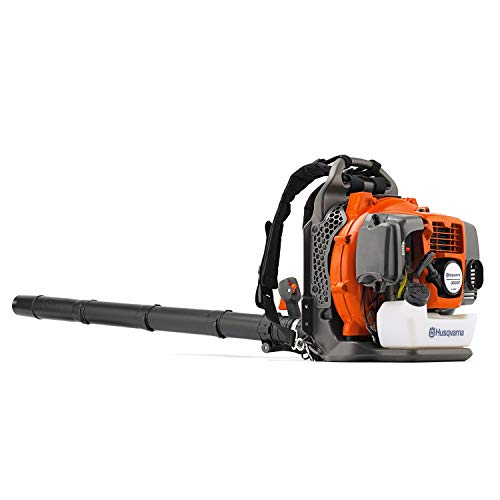
Husqvarna 350BT Backpack Leaf Blower
A Deeper Look At The Lineup
For anyone already invested in Milwaukee’s M18 platform (that’s the brand’s 18-volt cordless system that shares batteries across hundreds of tools), this blower slides into the rotation without buying into a new ecosystem. The bare-tool listing skips the battery and charger, which keeps the upfront cost down for users who already own compatible packs. You’ll get a brushless motor (brushless means no physical brushes wearing out inside the motor, which extends lifespan and improves efficiency), quick throttle response, and the kind of ergonomics that handle driveway cleanup comfortably.
The trade-off is straightforward: a “bare” tool means you need to bring your own M18 battery and charger. For homeowners with a stack of red packs in the garage, that is a non-issue. For first-time cordless buyers, scrolling down to the kit version below makes more sense.
Benefits That Matter
- Brushless motor for longer life and better efficiency under load
- Compatible with any Milwaukee M18 battery you already own
- Quieter operation than comparable gas blowers, friendly to early-morning yard sessions
- Zero fuel mixing, no pull-cord starting, no engine maintenance
- Lightweight enough for one-handed driveway sweeps between heavier chores
Things To Consider
- Runtime depends entirely on the amp-hour rating of your battery, so a small 2.0 Ah pack won’t last as long as a high-output HD pack
- Bare-tool pricing assumes you own M18 batteries; otherwise the kit version below is a better entry point
Who It Suits Best
Existing Milwaukee M18 platform users who want a cordless blower that drops into their existing battery collection without doubling up on chargers.
Where Another Pick Suits Better
The Milwaukee 2724-21HD kit is a smarter grab for first-time cordless shoppers who don’t yet own any M18 batteries.
Same blower body as the bare version above, but bundled with a high-demand 9.0 Ah battery that unlocks the motor’s full potential. Where the bare unit assumes you’re already running M18 gear, this kit is the clean on-ramp for someone stepping away from gas for the first time. You pull the trigger and it goes, no choke, no primer, no yanking on a starter cord.
The HD pack also matters for sustained output. Smaller batteries throttle down under load to protect cells; the 9.0 Ah keeps the airflow steady through long runs around a half-acre lot. The kit costs more than the bare tool, but you’re paying for the battery you need to actually use the tool.
A Few Highlights
- Includes the high-output 9.0 Ah battery that matches the blower’s full power curve
- Brushless motor with electronic overload protection built into the system
- Full throttle in under a second, so there’s no waiting around for ramp-up
- Lower vibration and noise compared to two-stroke gas in the same class
- Compatible with the wider M18 tool ecosystem for future expansion
Worth Noting
- Heavier than the bare tool once the 9.0 Ah pack is mounted, so fatigue builds during long sessions
- Charging a depleted HD battery can run over an hour, so a second pack helps for big jobs
Key Specs
Made For
First-time cordless blower shoppers who want a complete kit with a high-capacity battery ready to handle full-yard cleanup from day one.
Consider Something Else When
The Husqvarna 150BT is worth a look for buyers who need longer runtime than any single battery delivers and prefer gas-powered endurance.
The 150BT is Husqvarna’s entry into gas backpack blowers, sized for homeowners who want more air than a handheld can deliver without jumping straight into commercial pricing. A 51-cc two-stroke engine (a two-stroke engine fires once per piston revolution and mixes oil directly into the fuel, giving strong power at a lighter weight) sits on a ventilated harness with wide shoulder straps, which matters more than people expect once you’ve worn it for twenty minutes.
The X-Torq engine design (Husqvarna’s trade name for a stratified-charge engine that burns fuel more completely) trims emissions and stretches fuel economy, two things you feel at the pump and at the choke. Compared to the heavier 570BTS later in this list, this one is easier on the back during casual weekend work.
The Upside
- Strong air output at a friendlier entry-level price than commercial Husqvarna models
- Wide, padded shoulder straps with ventilation reduce hot spots during long jobs
- X-Torq engine design cuts emissions and improves fuel efficiency versus older two-strokes
- Offset handle keeps the grip ergonomic without twisting your wrist
Trade Offs
- Two-stroke engines require oil mixed into the fuel at a specific ratio, an extra step cordless owners skip
- Not as powerful as the 360BT or 570BTS for heavy commercial use
- Pull-start can be stubborn in cold weather, common with small two-strokes
Best Suited To
Homeowners on a budget who want genuine backpack ergonomics and gas endurance without paying for commercial output they’ll never use.
Skip It When
The Husqvarna 570BTS is a stronger match for full-time landscapers who need higher air volume every day.
This is the top of the Husqvarna residential-to-commercial food chain, built for crews that put a blower through a full workday. The 66-cc engine pushes serious CFM (cubic feet per minute, the volume of air a blower moves; higher numbers clear debris faster) and the harness system was clearly designed by people who actually wear it. Crucially, the 570BTS runs cooler and more efficiently than older big-displacement two-strokes, thanks to the same X-Torq technology found in the smaller 150BT.
For occasional homeowners it is more machine than needed. For anyone running leaf-clearing routes or maintaining large estates, the time savings per job justify the price premium over the 150BT in a hurry.
Standout Benefits
- High CFM output designed for heavy, sustained commercial cleanup
- Ergonomic harness system designed to reduce strain during full workdays
- Adjustable offset handle keeps wrist position natural across different tasks
- X-Torq engine lowers emissions and stretches fuel economy versus older two-strokes
Room For Improvement
- Heavier than homeowner-grade options, so fatigue is real during extended wear
- Price point overshoots what most casual users need
Quick Facts
Perfect Match For
Professional landscapers and estate maintenance crews who run a blower daily and need output that survives constant use.
A Better Fit Elsewhere
The Husqvarna 360BT hits a middle ground for serious users who don’t need quite this much output.
The EGO Power+ line (EGO’s outdoor brand of 56-volt cordless tools, marketed as a gas-replacement platform) earned a strong following for one reason: turbine fan engineering that moves air like a gas unit without the noise. This particular listing is a “Renewed” unit, meaning inspected and refurbished by the marketplace rather than factory-sealed. The savings versus a new unit can be meaningful for budget-conscious shoppers.
Variable-speed turbo gives you a quiet setting for patio corners and a full-power mode for the heavy pile by the curb. Battery and charger are not included, so plan accordingly if you don’t already run EGO’s 56V platform.
Positive Takeaways
- Turbine fan design delivers strong airflow with notably lower noise than gas
- Variable-speed trigger saves battery on light jobs and ramps up for heavy debris
- Brushless high-efficiency motor extends runtime and motor life
- Compact and light compared to backpack gas units
Honest Caveats
- Battery and charger sold separately, so factor in platform cost if you’re new to EGO
- Renewed condition means cosmetic and packaging differences from a new unit
Feature Snapshot
Right Fit For
Noise-sensitive suburban homeowners and apartment dwellers with adjacent neighbors who’d rather skip the gas racket entirely.
Look Elsewhere When
Buyers needing full-day runtime may find a gas unit like the Husqvarna 350BT more practical.
VEVOR carved out space by pricing aggressively on specs that match or beat mainstream brands. The 63-cc engine and 1.89L tank (larger than most home units, meaning fewer fill-ups during long sessions) put this into serious working territory. The high-strength nylon harness and shock-absorption setup are genuinely useful touches, not marketing filler, especially at this displacement.
The trade-off is brand familiarity. Husqvarna and Stihl have dealer networks and parts pipelines built over decades; VEVOR is a newer brand primarily sold online. For users comfortable handling basic maintenance and sourcing parts directly, the value is hard to argue with.
What Pays Off
- Top-tier CFM and mph ratings at a price well below commercial brands
- Larger 1.89L fuel tank extends runtime between refills
- Shock-absorption system reduces felt vibration during long shifts
- Adjustable padded straps and thick back cushion handle heavy wear comfortably
Points To Keep In Mind
- Newer brand means a thinner local dealer and service network than legacy names
- Two-stroke oil mix is required, similar to other gas units in its class
Feature Rundown
Who Will Love This
Large-property owners who want commercial-tier specs without paying the commercial-tier price, and who can handle their own basic maintenance.
Reach For A Different Pick When
The Husqvarna 360BT is a safer bet for users who value a long-standing service and parts network.
Step down from the 63-cc VEVOR above, and you land on a 52-cc two-stroke with a smaller 1.37L tank and slightly more modest airflow numbers. It’s the practical middle ground: real backpack performance without the extra cost of the bigger sibling. The same shock-absorbing harness design carries over, which is the kind of detail that matters when you’re wearing the thing for an hour.
For first-time gas backpack owners, this is a friendly entry point. You learn the oil-mix routine, the pull-start, and the choke without paying top dollar for the privilege.
Strong Points
- Honest mid-tier output at a starter-friendly price
- Shock-absorbing harness carries over from larger VEVOR models
- Compact 1.37L tank keeps overall weight manageable
- Suitable for leaf cleanup and light snow removal
Less-Strong Areas
- Output falls short of the 63-cc VEVOR for heavy commercial work
- Same online-brand limitations as the larger sibling: thinner service network
- Pull-start takes practice in cold weather
Who Should Grab It
First-time gas backpack owners who want a real frame and engine without overshooting into commercial pricing.
Not Your Match When
The VEVOR 63CC Backpack Leaf Blower is worth the step up for users with larger properties who’ll push the engine hard.
Sized between the homeowner-friendly 150BT and the commercial 570BTS, the 360BT is the sweet spot for many pros and estate managers. A 65.6-cc engine pushes serious CFM, and the ventilated load-reducing harness is the most comfortable in the Husqvarna lineup for full-day wear. Owners commonly mention the X-Torq efficiency gain over older two-stroke designs they used to run.
This is also one of the easier Husqvarna models to live with from a service standpoint: parts are widely available, and the design has been on the market long enough that common issues are well-documented in owner forums.
What Stands Out
- Mid-frame power that handles pro-level workloads without going full commercial
- Ventilated harness reduces back sweat during summer work
- X-Torq engine trims fuel use compared to older two-stroke designs
- Wide service and parts availability through Husqvarna’s dealer network
Points To Note
- Two-stroke oil mixing required, an extra step versus cordless options
- Heavier than entry-level gas units, so casual users may prefer something lighter
Spec Overview
The Right Fit
Daily-route landscapers and serious homeowners who want commercial-grade endurance without the price of the top-tier 570BTS.
Swap It Out When
The Husqvarna 570BTS makes more sense for crews running the blower non-stop on heavy commercial jobs.
A bit of a different animal on a backpack list: this is a handheld, not a backpack, and earns its spot because some jobs don’t need a full harness. A 26-cc engine delivers modest output for clearing porches, driveways, and walk-off mats in a fraction of the time it takes to strap on a backpack unit. It also converts to a vacuum with the included collection bag, a genuinely useful bonus for gathering leaves off a small patio.
For larger yards, this would be undersized. As a secondary tool next to a backpack blower, or as a primary tool for very small properties, it earns its place.
The Helpful Details
- Handheld size means quick grab-and-go for small jobs
- Two-in-one design converts to a vacuum with included collection bag
- 26-cc two-stroke engine with fuel-efficiency gains versus older designs
- Effective on wet leaves, sand, gravel, and light snow at this scale
Soft Spots
- Output is much lower than any backpack unit on this list, so it’s not a substitute for big-yard work
- Handheld form factor means arm fatigue grows on extended sessions
Built With In Mind
Small-yard homeowners and apartment-property keepers who want a quick, storable tool without the bulk of a backpack.
Another Choice May Suit
The Husqvarna 150BT is the right step up for users with bigger yards who want genuine backpack ergonomics.
The 350BT has been on the market long enough to earn a reputation as the suburban workhorse. The 50.2-cc engine is a touch smaller than the 360BT, but the harness system and X-Torq efficiency are essentially the same family. You trade a little raw power for a friendlier price, and most homeowners never notice the difference during routine yard work.
It’s also the model that gets recommended most often to people stepping up from a handheld. The transition from arm fatigue to harness-supported comfort tends to win people over fast, especially on multi-acre lots.
Features That Help
- Time-tested design with a strong reputation among suburban homeowners
- Ergonomic harness system carries weight comfortably across long jobs
- X-Torq engine balances power with better fuel economy than older two-strokes
- Wide service network through Husqvarna dealers for parts and warranty
Things To Weigh
- Output is lower than the 360BT and 570BTS, so heavy commercial use is a stretch
- Two-stroke maintenance required, including oil mix and periodic spark plug checks
Spec Snapshot
Whose Shelf It Belongs On
Suburban homeowners with multi-acre lots who want a proven, comfortable backpack blower without stepping into commercial pricing.
A Better Fit Elsewhere
The Milwaukee 2724-21HD kit is the smarter grab for users wanting to skip gas maintenance and noise entirely.
Factors To Consider When Choosing Blower Backpacks
Engine Type And Power Output
The core decision is gas versus cordless. Gas backpack blowers deliver unlimited runtime, higher CFM, and the muscle needed for wet leaves and commercial workloads. Cordless units offer quieter operation, zero fuel mixing, and simpler startup, but runtime is bound to battery capacity. CFM (cubic feet per minute) measures air volume, mph measures air speed, and high CFM moves bulk material fast while high mph tackles stubborn debris. Most homeowners do well with mid-range numbers; full-time landscapers usually want the top end.
Harness Comfort And Fit
A backpack blower lives or dies by the harness. Look for wide, padded shoulder straps, a ventilated back panel, and an adjustable hip or chest strap to distribute weight. Trying on a harness in person beats reading specs, but if ordering online, prioritize models with multiple adjustment points and load-reducing designs. Expect to spend a few minutes dialing in the fit before the first real job.
Noise And Neighborhood Etiquette
Gas backpack blowers run loud, loud enough to draw neighbor complaints in close-quarter subdivisions. Cordless units cut noise dramatically, which is why EGO and Milwaukee options earn their place in suburban settings. Some local ordinances also regulate blower noise and emissions, so it’s worth checking local rules before choosing between gas and battery.
Weight And Storage
Dry weight matters once you’re wearing the unit for an hour, but balance matters more. A slightly heavier blower with a well-designed harness often feels lighter than a lighter unit with a poor one. Storage is the other practical angle: backpack units take up more shed space than handhelds, so measure your storage spot before committing.
What To Watch Before You Buy
Common Shopping Slip Ups
A frequent mistake is chasing peak mph numbers without checking CFM. A blower with high speed and low volume can move a single stubborn leaf but struggles with a wide pile of dry debris. The opposite is just as bad: high volume at low speed shifts bulk material but won’t reach across a driveway. Balanced numbers win in real yards. Another trap is buying a bare-tool cordless unit without checking that you already own the right battery platform, a quick check that saves a frustrating return later.
When Paying More Pays Off
Stepping up from entry-level to mid-tier usually buys a better harness, more efficient engine design, and stronger parts support. Stepping from mid-tier to commercial buys raw output, longer service life under heavy use, and broader dealer support for repairs. The honest read is that most homeowners cap out at mid-tier; the upgrade to commercial only pays off if you truly wear the machine out in a season or two.
Frequently Asked Questions
What Is The Difference Between CFM And MPH On A Blower?
CFM (cubic feet per minute) measures how much air the blower moves, while MPH measures how fast that air travels. High CFM clears large volumes of loose leaves quickly. High MPH focuses that air into a fast stream for stubborn debris. Most quality backpack blowers balance both numbers rather than maxing out just one.
Are Gas Backpack Blowers Hard To Maintain?
Two-stroke gas blowers require oil mixed into the fuel at a specific ratio, plus occasional spark plug and air filter checks. The routine isn’t difficult, but it does add steps compared to cordless units. Owners commonly report that once you build the habit, the maintenance is a small price for unlimited runtime.
Can A Cordless Blower Handle Wet Leaves?
Modern high-voltage cordless blowers like the 56V EGO can shift lightly damp leaves, but heavy wet loads still favor gas. Battery output drops under sustained heavy loads too, so a fully cordless approach may need a backup battery for big jobs in damp conditions.
How Heavy Is A Typical Backpack Blower?
Most gas backpack blowers weigh between 15 and 25 pounds dry, and a bit more once fueled. Cordless backpack-style units run lighter, often in the 10 to 15 pound range without battery. Harness design affects perceived weight more than the spec sheet number suggests, so comfort trumps raw weight in practice.
Is A Backpack Blower Worth It For A Small Yard?
For very small yards under a quarter acre, a handheld blower is often enough. A backpack blower earns its keep once you’re spending 20+ minutes per session clearing debris, when harness support starts saving your arms and back meaningfully.
Wrap Up
The right blower backpack comes down to matching engine type, harness comfort, and air output to your specific yard or route. Cordless platforms like Milwaukee and EGO make sense for suburban homeowners who value quiet and convenience. Husqvarna gas models remain a strong choice for users who need runtime and commercial-grade output. VEVOR offers solid value for budget-focused shoppers willing to handle their own maintenance. Pick the one that matches the scale of your work, and the rest tends to fall into place.