
Tangled grass, stubborn weeds, and brittle trimmer line that snaps every five minutes make yard cleanup feel endless. Swapping to the right blade can change that entirely, giving you cleaner edges, faster passes, and far less downtime wrestling with your tool. This guide walks through nine options worth knowing, whether you maintain a tidy suburban lawn or clear heavy brush on a larger lot.
An Overview Of The Picks

AMTHKNO EB-007 Edge Hog Heavy-Duty Edger Replacement Blade (2PK)
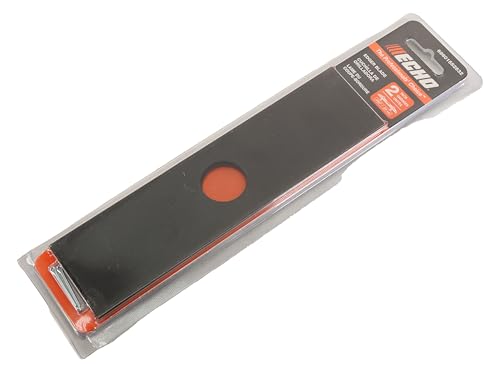
Echo & SHINDAIWA Genuine 69601552632 Standard .090 Edger Blade 2-Pack

Brush Cutter Blade Adapter Kit for S-TIHL String Trimmers

Aero-Flex Premium Replacement Flexible Line Blades 16-Pack

Aero-Flex No More Line Replacement Flexible Blades 96-Pack

Aero-Flex Premium Flexible Line Blades .240 (32-Pack)

Tayfeim 9″ 36T & 10″ 80T Carbide Brush Cutter Blades 2-Pack

Aero-Flex Universal Replacement Trimmer Head with Four Blades

Tayfeim 10″ 80T Carbide Steel Brush Cutter Blade
More Details On Our Top Picks
If you already own a Black & Decker 2-in-1 tool, this EB-007 replacement targets the edger function specifically, which is the job most trimmer line handles poorly. The 7-1/2-inch profile slots into LE-series models like the LE750, LE710, LE760, and LE760FF, giving you a clean install without adapters or shimming.
Two wear indicators are etched into the steel, so you can see at a glance when the blade has thinned enough to replace it. That visual cue removes a lot of guesswork from seasonal maintenance. A hardened steel construction holds up along driveways and sidewalk seams where concrete chew-up is a real concern.
The Practical Payoff
- Wear indicators built into the steel make replacement timing obvious
- Two-pack format covers a full season of edging
- Hardened steel resists chipping on pavement edges
- Direct fit for common LE-series Black & Decker tools
Things To Weigh Up
- Compatibility is limited to specific LE-series models, not universal
- Metal-on-concrete edging accelerates blade wear over many seasons
Quick Facts
Who Will Love This
Suburban homeowners with Black & Decker LE-series trimmers who want clean sidewalk and driveway edges without buying a separate edger.
Swap It Out When
The Aero-Flex Universal Replacement Trimmer Head suits you better if your tool is a different brand or you want flexible line-blade convenience over rigid metal edging.
OEM replacement parts carry weight because the dimensions, balance, and mounting match what the tool was engineered around. This Echo 2-pack carries part number 69601552632, with .090 thickness that mirrors the original factory blade on compatible edger attachments.
It replaces earlier part numbers 69601552630 and 99909-0020, which matters for anyone servicing older PE and PAS-series units. You get a 2-pack, so a backup sits ready when the working edge finally dulls. The standard profile suits routine lawn-edging rather than heavy brush work.
Real-World Strengths
- Genuine OEM construction matches original tool tolerances
- Two blades per pack keeps a spare on hand
- Replaces multiple legacy part numbers for older units
- Compatible with several PE and PAS-series edger attachments
Honest Caveats
- Priced higher than generic aftermarket options in most setups
- Only suits Echo and Shindaiwa attachment platforms
Right Fit For
Echo and Shindaiwa owners who want factory-spec reliability and are willing to pay a little more for peace of mind on fit and balance.
Another Choice May Suit
The Tayfeim 10″ 80T Carbide Steel Brush Cutter Blade serves you better if you cut woody brush rather than grass edges and need a universal 1-inch arbor fit.
Adapters rarely get attention, yet they decide whether a brush-cutter blade actually mounts on your trimmer. This kit replaces part numbers 4130 713 1600 and 4126 713 3100, the hardware that connects blade to gearbox on a wide spread of Stihl trimmers.
Compatibility spans the FS56RCE, FS91R, FS70R, FS94R, FS111R, and FS131, covering both homeowner and prosumer models. The direct-fit approach means no shimming or filing, so the blade sits true to the spindle. In our view, this kind of hardware matters most for owners converting from string to metal cutting.
What Helps Most
- Direct replacement for two common Stihl part numbers
- Matches original mounting dimensions with no modification
- Works across homeowner and prosumer Stihl trimmers
- Lets you convert string trimmers into brush-cutting tools
Trade Offs
- Only fits Stihl platforms, no cross-brand value
- Adapter hardware wears over time and may need thread inspection before reuse
Feature Snapshot
Best Suited To
Stihl trimmer owners upgrading from string to brush-cutter blades who need verified, direct-fit mounting hardware.
Look Elsewhere When
The AMTHKNO EB-007 Edge Hog fits better if you own a Black & Decker 2-in-1 and want ready-to-install edger blades rather than adapter hardware.
Flexible line blades sit between traditional string and rigid metal, and the Aero-Flex 16-pack leans into that middle ground. The pieces clip into compatible trimmer heads, replacing spools of line that tangle, weld together, or run out mid-job.
Sixteen replacement pieces cover most of a season for a typical suburban lot, depending on how often you trim. The aerodynamic profile is designed to perform at lower RPMs, which suits battery-powered tools that don’t spin as fast as gas units. Compared to the AMTHKNO EB-007 reviewed earlier, this option favors grass and light weeds over hard edging.
Bright Spots
- No spools, springs, or rewinding to manage
- Works well at lower RPMs on battery trimmers
- Won’t snap on contact with fence posts or small rocks
- Sixteen pieces keep spares ready through a busy season
Worth Noting
- Requires a compatible Aero-Flex trimmer head for mounting
- Not designed for thick brush or woody stems
Made For
Homeowners with battery trimmers who want the convenience of clip-in blades without committing to rigid metal cutting.
Not Your Match When
The Tayfeim 9″ 36T and 10″ 80T carbide combo fits your work better if you regularly cut brambles, saplings, or dense brush.
Bulk packaging changes the math for anyone managing multiple properties or large lots. This 96-pack of Aero-Flex flexible line blades covers years of typical residential trimming without reordering.
Storage is straightforward since the blades nest compactly in a single box. For landscape crews, this format cuts reordering trips, and for homeowners it amounts to a one-time purchase that handles most seasons. You may find, though, that storing 96 blades invites clutter if your shed space is already tight.
The Case For It
- Bulk 96-pack format reduces reordering frequency
- Compact storage shape compared to spools of line
- Same flexible-blade convenience as the 16-pack sibling
- Economical per-piece cost for high-volume users
Some Limits To Know
- Large quantity may exceed the needs of a small yard
- Still limited to grass and light weed duty
Whose Shelf It Belongs On
Property managers, small landscaping operations, or homeowners with extensive lawn areas who trim frequently across multiple seasons.
Where A Sibling Pick Shines
The Aero-Flex Premium Flexible Line Blades 16-Pack fits a single-property household better if you trim a modest lot and don’t need 96 spares on hand.
Within the Aero-Flex lineup, the .240 blade thickness is the heavier-duty option. The thicker profile resists fraying on tough grass and stands up to the kind of abuse that shreds thinner line in a single pass.
Thirty-two pieces in the box handle a long stretch of trimming before you need to think about restocking. The aerodynamic shape is engineered for low-speed operation, which is a real benefit on battery trimmers that run at lower RPMs than gas. Where the previous Aero-Flex entry handles routine work, this one leans into rougher conditions.
Notable Upsides
- .240 thickness outlasts standard line on tough grass
- Thirty-two-piece count covers extended use
- Engineered for low-RPM battery trimmer performance
- Same snap-in convenience as thinner Aero-Flex options
Points To Keep In Mind
- Requires a compatible Aero-Flex trimmer head to mount
- Heavier cut may demand slightly more battery runtime per pass
Key Product Details
Perfect Match For
Homeowners with thick grass, persistent weeds, or larger yards who want flexible-blade convenience without sacrificing durability.
Consider Something Else When
The Tayfeim 10″ 80T Carbide Steel Brush Cutter Blade suits you better if your trimming crosses into woody brush territory where flexible blades won’t hold up.
Two blade sizes in one package is rare and useful, and the 9-inch 36-tooth and 10-inch 80-tooth pairing covers a wide range of cutting conditions. The lower tooth count handles thick grass and light brush, while the finer 80-tooth design chews through denser bramble and small saplings.
Carbide tips resist dulling far longer than standard steel, which matters when you’re working through abrasive material like dried stalks. The included adapter kit broadens compatibility across Husqvarna and Stihl trimmer platforms. Carbide-tipped blades are steel with brazed carbide inserts on the teeth, giving you the toughness of carbide only where the cutting happens.
A Strong Showing
- Two distinct blade sizes handle varied cutting tasks
- Carbide tips extend usable life over plain steel
- Adapter kit included for multi-brand mounting
- 80-tooth design tackles saplings up to small diameter
Where It Is Less Suited
- Adapter hardware requires careful installation to stay balanced at speed
- Overkill for routine grass-only trimming
Built With In Mind
Property owners clearing overgrown areas, fence lines, or trails who need both grass capability and brush-cutting reach in one purchase.
Skip It When
The Aero-Flex Universal Replacement Trimmer Head fits routine lawn trimming better if your work is mostly grass with no woody growth to manage.
Replacing a whole trimmer head rather than just the line makes sense when you want to ditch spools, springs, and rewinding altogether. This universal head comes pre-loaded with four flexible Aero-Flex blades that snap in and out without disassembly.
Compatibility spans most gas and battery-powered bump-feed trimmers, which covers a wide swath of common homeowner tools. Reloading a fresh blade takes a fraction of the time of restringing, and the safety profile of flexible polymer blades beats rigid metal for everyday lawn work. In most yards, the convenience alone justifies the swap.
Useful Highlights
- Universal fit covers most bump-feed trimmers
- Snap-in blade replacement skips spool rewinding
- Flexible polymer safer than rigid metal near hard surfaces
- Four blades included for immediate use and a backup
Points To Note
- Universal fit may require minor adaptation on some trimmer models
- Not suited for woody brush or thick stem cutting
At A Glance
Who Should Grab It
Anyone tired of wrestling with trimmer line who owns a standard bump-feed trimmer and wants faster, simpler blade swaps.
A Better Fit Elsewhere
The Tayfeim 10″ 80T Carbide Steel Brush Cutter Blade suits you better if your priority is cutting woody brush and you have a trimmer rated for metal blades.
A 10-inch circular saw-style blade earns its place when the job crosses from grass into woody growth. The 80 carbide-tipped teeth stay sharp through thick weeds, bramble, and small saplings, far outlasting plain steel on abrasive material.
The 25.4mm (1-inch) arbor is the most common bore size across gas trimmers and brush cutters, which keeps compatibility broad. The trade-off is weight and demand on the tool: this blade needs a trimmer rated for metal cutting and a confident operator. Compared to the flexible Aero-Flex options reviewed earlier, this is firmly in the heavy-duty category.
A Favorable Mix
- 80 carbide-tipped teeth resist dulling on woody growth
- Universal 1-inch arbor fits most gas trimmers
- 10-inch diameter covers wider swaths in fewer passes
- Handles saplings and dense brush that line can’t touch
Practical Considerations
- Requires a trimmer rated for metal blade use
- Heavier than line or flexible blades, increasing operator fatigue
The Right Fit
Owners with heavy brush, neglected lots, or rural properties who already own a trimmer rated for metal blade attachments.
Reach For A Different Pick When
The Aero-Flex No More Line 96-Pack suits your routine better if your trimming stays in grass and light weeds where safety and ease matter more than cutting power.
What Matters Most When Choosing Replacement Trimmer Blades
Match The Blade To Your Trimmer Brand And Model
Compatibility is the single biggest filter. OEM replacements like the Echo 69601552632 fit precisely because they’re built to factory specs, while universal options like the Tayfeim 10-inch blade rely on a standard 1-inch arbor. Before anything else, check your tool’s model number and the bore size of its spindle, since a blade that doesn’t seat correctly is dangerous at speed.
Choose The Cutting Style That Fits Your Terrain
Flexible polymer blades, rigid metal, and toothed carbide each excel in different conditions. Flexible Aero-Flex styles handle grass and light weeds on battery trimmers without snapping on contact. Carbide-tipped circular saw blades like the Tayfeim 80T chew through woody brush and small saplings. Rigid steel edger blades, such as the AMTHKNO EB-007, suit pavement and curb work. Matching the cutting medium to your actual terrain prevents both underperformance and premature wear.
Count The Cost Per Cut, Not Just The Box Price
Higher tooth counts, carbide tips, and bulk packaging all push the upfront number up, but they extend service life. The Tayfeim 9-inch and 10-inch combo includes an adapter kit that broadens compatibility across brands, which adds real value beyond the blades themselves. Conversely, a 96-pack of flexible blades makes sense only if your trimming volume justifies the storage and expense.
Factor In Safety And Skill Level
Metal blades demand more from the operator than line or flexible polymer. Circular saw-style blades throw debris and can kick back on rocks, while flexible blades tend to deflect. Newer users with smaller yards are generally better served by flexible or line-style options, leaving rigid metal blades for experienced operators clearing heavy growth.
Key Considerations Across These Picks
Mistakes Worth Dodging
The most common slip is buying a blade before confirming the spindle size and brand compatibility. A 1-inch arbor is widespread, but not universal, and adapters don’t exist for every mismatch. Another trap is choosing a heavy-duty metal blade for routine grass work, which adds fatigue, noise, and risk without delivering any real benefit. Conversely, picking flexible line blades for thick brush leads to rapid wear and frustration, so match the blade to the actual workload.
What The Higher Tier Buys
Premium picks like the Tayfeim carbide-tipped combo and OEM Echo blades cost more because they last longer and cut more cleanly. Carbide tips stay sharp through abrasive material that dulls standard steel quickly, while OEM parts guarantee the fit and balance your tool was engineered around. For frequent users or anyone managing rough terrain, that durability pays back the difference over time. For occasional trimmers on tidy lawns, a flexible or standard steel blade covers the job without the premium.
Frequently Asked Questions
Can I use any blade on my string trimmer?
No. Blades must match the spindle bore size, the tool’s rated RPM range, and the brand’s mounting system. Universal blades like the Tayfeim 10-inch fit many gas trimmers through a standard 1-inch arbor, but battery trimmers and brand-specific models often need exact-fit replacements or adapter kits.
Are carbide-tipped blades worth the extra cost?
For heavy brush, bramble, or saplings, carbide tips hold their edge far longer than plain steel. For routine grass trimming, the extra cost rarely pays back. Match the blade material to the toughest material you actually cut, not to the worst-case scenario you’ll never face.
How do I know when to replace my trimmer blade?
Visible wear indicators, like those on the AMTHKNO EB-007, signal replacement directly. On blades without indicators, look for rounded teeth, chips along the cutting edge, or a noticeable drop in cutting performance. A blade that pushes through grass rather than slicing cleanly is usually due for swapping.
Will flexible line blades work on a gas trimmer?
Most flexible Aero-Flex blades are designed to work with both gas and battery bump-feed trimmers, though some require a compatible trimmer head. If your existing head uses spools, you’ll need to swap to the Aero-Flex universal head or a similar compatible mount.
Is it safe to use metal blades near pavement and rocks?
Rigid metal and carbide blades can chip or kick back on hard surfaces, so they’re best kept away from concrete, rocks, and fencing. Flexible polymer blades are safer for edging along pavement since they deflect on contact. Save metal blades for open ground and dedicated brush work.
Wrap Up
The right blade depends less on brand hype and more on matching your tool, your terrain, and your tolerance for blade changes. Aero-Flex flexible options suit most homeowners who want convenience, while Tayfeim carbide picks and OEM Echo blades earn their place when the work gets serious. Whatever you choose, confirming fit and cutting style upfront saves money, time, and a few headaches in the shed.