
Choosing a shelter for the backcountry comes down to trade-offs between weight, weather protection, and how quickly you can pitch when the light starts fading. This roundup covers eight options ranging from emergency tube shelters to roomy cabin tents, so solo hikers, families, and weekend overlanders can find a setup that matches their style of camping.
The Shortlist At A Glance
CORE Instant Cabin Tents | Family Cabin Multi Room Pop Up Tents

Mil-Tec Adult Ripstop Multi-Use Rain Poncho Bivouac Sack
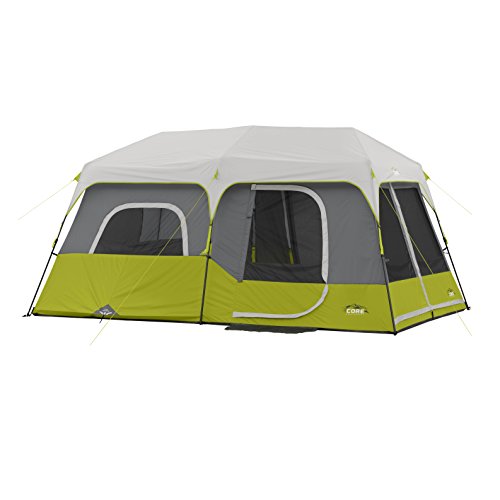
Core 9 Person Instant Cabin Tent 14′ x 9′ Green

Altair Two Ultralight Backpacking Tent 2 Person

Night Cat Ultralight 1 Person Backpacking Bivvy

Emergency Thermal Tent Reflective Mylar Survival Shelter

Altair One Ultralight Trekking Pole Backpacking Tent

CORE 4 Person Instant Cabin Tent Camping Set
A Deeper Look At The Lineup
Roomy family camping starts with a tent that disappears into the background once it’s standing. The CORE Instant Cabin uses pre-attached telescoping poles that lock into place, so the setup feels closer to unfolding a pop-up hamper than wrestling a tent bag. You pull it from the carrier, extend the legs, and stake the corners. From the parking lot to a standing shelter runs a couple of minutes, even on a first attempt.
Internal dividers split the cabin into separate sleeping rooms, which matters when parents want their own space and kids want theirs. Built-in storage pockets along the walls keep headlamps, books, and phones off the floor, and the mesh ceiling panels help with airflow on warm summer nights. Compared to the ultralight trekking options later in this list, the trade-off here is bulk: this is a car-camping tent, not a backpack shelter.
Practical Advantages
- Pre-attached pole system removes the part most beginners find frustrating
- Room dividers create privacy between parents and children without extra tarps
- Wall-mounted storage pockets cut down on floor clutter in tight quarters
- Cabin-style vertical walls maximize standing headroom for changing clothes
- Suitable for families who arrive at camp after dark and need shelter fast
Things To Consider
- Larger packed size means it lives in a trunk, not a backpack
- Heavier than trekking-focused options like the Night Cat Bivvy
Feature Snapshot
Who It Suits Best
Families who car camp at developed sites and want a standing shelter without a long setup routine.
Consider Something Else When
The Mil-Tec Rain Poncho Bivouac Sack fits backpackers who need one piece of gear that works as both rainwear and an emergency shelter.
Some gear earns its place in a pack by being two things at once, and the Mil-Tec poncho pulls double duty. Worn over the shoulders it sheds rain on the trail; stretched between two trees it becomes a low-profile shelter for an unplanned night out. Ripstop fabric helps the material resist small tears from branches or rocky ground, which matters more in survival conditions than on a calm weekend.
The hood adds head coverage during heavy weather, and the lightweight build keeps it from weighing down a daypack. For most campers, this is a backup piece rather than a primary shelter, and owners commonly report it works best in that secondary role.
What Earns Its Place
- Functions as both rainwear and an emergency bivouac shelter
- Ripstop fabric resists small punctures from brush or rocks
- Lightweight profile keeps it easy to stash in a daypack
- Integrated hood protects head and face in heavy weather
Worth Noting
- Comfortable enough for a night, not designed for extended trips
- Limited headroom when pitched as a shelter
- Not a substitute for a proper tent in prolonged bad weather
Made For
Hikers and day-trippers who want a backup shelter that doubles as rainwear without adding bulk.
A Better Fit Elsewhere
The CORE 4 Person Instant Cabin Tent Camping Set suits families looking for a full shelter setup with bundled camp furniture.
Bigger groups need bigger footprints, and this 14 by 9 foot cabin delivers floor space that swallows two queen air mattresses with room to spare. The instant pop-up frame means you skip the instruction sheet, and the 78-inch center height lets most adults stand upright while changing. For rainy weekends, the H20 Block fabric, taped rainfly, sealed seams, and fully zipped windows all work toward one goal: keeping the inside dry through hours of weather.
Compared to the smaller CORE 4 Person set later in this list, the trade-off is weight and packed size. You won’t carry this on a backpack, but for a car-loaded base camp it serves a group well.
Real Benefits
- Spacious 14×9 floor fits two queen air beds plus gear
- H20 Block fabric and taped rainfly handle sustained rain
- Pre-attached poles mean setup under two minutes
- Sealed seams reduce leak risk at stress points
Points To Keep In Mind
- Bulk makes it a car-camping only option
- Larger footprint needs a flat site with enough clearance
Feature Rundown
Best Suited To
Group campers running a base-camp style trip with multiple vehicles and a need for genuine standing headroom.
Skip It When
Solo backpackers will want the lighter Altair One Trekking Pole Tent instead, which trades floor size for trail weight.
Long-distance hikers measure shelter in ounces, and at 2.73 pounds total, the Altair Two keeps a low profile in the pack. The double-wall design means a separate rainfly sits over an inner mesh body, which improves airflow on warm nights and adds an insulating air gap on cold ones. Pitching relies on your trekking poles rather than dedicated tent poles, a tradeoff that saves weight if you already carry poles anyway.
The 20D ripstop silnylon fabric carries a 3000mm waterproof rating, which gives confidence during sustained rain. Three-season coverage handles spring, summer, and fall trips without dragging heavy fabric into the trail weight.
Bright Spots
- Trail weight of 2.73 lbs suits thru-hikers counting every ounce
- 3000mm silnylon fabric resists heavy rain and snow
- Double-wall design balances ventilation with weather protection
- Trekking pole pitch eliminates the need for dedicated pole weight
Honest Caveats
- Requires trekking poles you already own for setup
- Tighter floor than cabin tents; not ideal for two large adults
Technical Highlights
Perfect Match For
Thru-hikers and trekking pairs who want a weather-tough shelter that won’t tip their pack weight past comfort.
Not Your Match When
The Core 9 Person Instant Cabin Tent is the better call for groups who prioritize floor space over trail weight.
Solo hikers who want to keep their kit simple find a lot to like in a two-pound bivy tent. The Night Cat uses lightweight nylon that packs down small enough to disappear at the bottom of a pack, and the included stakes and guylines make pitching a quick process once you’ve picked a site. The waterproof rainfly handles heavy rain, while the mesh portions keep condensation under control on humid nights.
Because the design uses trekking poles for structure, you need to bring or borrow poles on the trail. The compact format works best for people who sleep light and don’t mind close quarters.
Practical Pluses
- Two-pound packed weight barely registers in a backpack
- Waterproof rainfly handles heavy precipitation
- Mesh body improves airflow versus solid-wall shelters
- Included stakes and guylines cover basic pitch needs
Soft Spots
- Trekking poles required but not included
- Tight interior suits one person with minimal gear
Who Should Grab It
Solo backpackers who already carry trekking poles and want a minimal shelter that handles serious weather.
Look Elsewhere When
The Mil-Tec Rain Poncho Bivouac Sack works for hikers who want a single piece that pulls duty as rainwear and emergency shelter.
Some shelters live in a pack not because you’ll use them every trip, but because the night you need them matters more than any other. The Grizzly Gear thermal tube folds small enough to fit in a glove box or bug-out bag, and the reflective Mylar interior bounces body heat back toward you. In real cold, that warmth retention makes the difference between shivering through the night and resting enough to function the next day.
Pitching is genuinely fast: pull the cord through the tube, tie off both ends between trees or anchors, and you’re sheltered. The 8 by 3 foot interior fits two adults, though in practice most users find one adult more comfortable for sleeping.
Useful Strengths
- Mylar lining reflects body heat back toward occupants
- Folds to a small size for vehicles and packs
- Pitches in seconds with a single cord
- Reusable design handles multiple deployments
A Few Limitations
- Not breathable; condensation builds in warm conditions
- Mylar can tear if snagged on rough branches
Whose Shelf It Belongs On
Preparedness-minded campers and hikers who want a compact emergency shelter that fits in a car or pack without adding weight.
Another Choice May Suit
The Night Cat Ultralight 1 Person Backpacking Bivvy suits hikers who camp often enough to want a more durable primary shelter.
The solo version of the Altair line keeps the same lightweight philosophy with a tighter floor plan. The double-wall construction, 20D ripstop silnylon, and trekking pole pitch carry over from the two-person model, which means solo backpackers don’t lose weather protection by going smaller. At roughly two pounds minimum trail weight, it leaves room in the pack for food, water, and a warmer sleeping bag on shoulder-season trips.
The 86.6 by 31.5 inch floor is sized for one person with a pad and minimal gear. Owners commonly mention that site selection matters more with a tight shelter, since poor pitching angles show up faster in a smaller tent.
Everyday Perks
- Minimal trail weight suits long-distance solo routes
- Double-wall design adds a thermal and condensation buffer
- Silnylon fabric handles wind, rain, and snow
- Compact packed size frees up pack space
Where It May Fall Short
- Trekking poles required and not included
- Floor width leaves little room for gear storage inside
Right Fit For
Solo backpackers and bushcrafters who already own trekking poles and want a weather-tough shelter with minimal pack impact.
Where A Sibling Pick Shines
The Altair Two Ultralight Backpacking Tent is the better choice when a partner is sharing the shelter or you want a bit more floor space.
Pulling into a campsite with everything you need in one bag changes the feel of a weekend trip. This CORE set bundles a four-person instant cabin tent with a folding table and two padded quad chairs, all packed in a single carry bag. The tent itself uses the same pre-attached pole system as the larger CORE cabins, and the 8 by 7 foot floor holds one queen air mattress comfortably for two campers with gear.
You may find the 54-inch center height low if you’re tall, but for most campers it works fine for sitting and changing. Compared to the CORE Instant Cabin in pick one, this set trades floor size for bundled camp furniture, which simplifies packing for short trips.
Good Reasons To Consider
- Single carry bag covers tent, table, and chairs
- Pre-attached poles cut setup to around a minute
- Folding table adds a usable surface for cooking or cards
- Padded chairs skip the need to bring separate camp seating
Some Limits To Know
- Lower center height than larger CORE cabins
- Two chairs included; useful for couples, less so for families
Built With In Mind
Couples or small families taking short weekend trips who want a complete camp kit without buying furniture separately.
Swap It Out When
The Core 9 Person Instant Cabin Tent suits larger groups who need genuine standing headroom and a bigger floor footprint.
Factors To Weigh Before Choosing A Bivouac Tent
Matching a shelter to your camping style starts with how you actually get to camp. Backpackers count grams and look for trekking pole compatibility, so the Altair One and Altair Two both fit that profile. Car campers care more about space and ease of setup, which is where the CORE cabin tents earn their place. Emergency-only users need something that lives in a pack or trunk year-round, and the Grizzly Gear thermal tube covers that niche well.
Weather matters as much as weight. A higher waterproof rating (measured in millimeters) means the fabric resists a taller column of water before leaking, so anything above 1500mm handles real rain. The Altair models and CORE cabins both use coated fabrics designed for sustained precipitation. Ventilation shows up in mesh body panels and rainfly coverage, which together manage condensation during humid nights.
Capacity is more than a sleep count. Manufacturers rate tents by packed occupants, but real comfort drops by one or two people once pads, gear, and clothing enter the floor plan. Solo backpackers can get by in a one-person bivy, while couples do better with a two-person shelter and room for a shared pack inside.
Finally, think about setup time and pole system complexity. Instant tents trade pack size for setup speed, and traditional tents trade speed for lighter packed weight. Choosing between them is really a question of how you arrive at camp and how often you move sites.
Key Considerations Across These Picks
Mistakes Worth Dodging
Choosing a shelter based on the rated capacity alone leads to cramped nights, especially on longer trips where gear accumulates. Most campers do better sizing up by one person beyond the listed capacity. Another common slip is buying a trekking pole shelter without confirming you already own compatible poles, since models like the Night Cat and Altair lines require poles you bring yourself.
Where The Extra Money Goes
Higher-tier shelters in this category invest in fabric quality, sealed seams, and stronger pole materials. The jump from a basic emergency tube to a double-wall trekking tent brings genuine weather protection, better ventilation, and longer service life. The upgrade pays off when you camp often enough to notice fabric wear or condensation buildup, but for occasional weekend use, a simpler shelter does the job just fine.
Frequently Asked Questions
What is a bivouac tent? A bivouac tent is a compact shelter designed for minimalists, backpackers, or emergency use. It prioritizes weight savings and weather protection over comfort and interior space.
Are bivouac tents waterproof? Most use coated nylon or similar waterproof fabrics with sealed seams. Check the millimeter rating: anything above 1500mm handles heavy rain, while lower ratings work for light precipitation.
Can two people sleep in a one-person bivouac? One-person bivouacs are sized for a single sleeper with minimal gear. Two adults can squeeze in for emergency use but it isn’t comfortable for regular trips.
Do I need trekking poles for these shelters? Trekking pole tents like the Altair One, Altair Two, and Night Cat require you to bring poles separately. Cabin-style tents come with their own integrated pole systems.
How do I store a bivouac tent between trips? Dry the tent fully, then store it loosely in a breathable bag rather than a tight stuff sack. Long-term compression in damp conditions damages coatings and encourages mildew.
The Takeaway
A bivouac tent that matches your travel style and weather expectations will earn its space in your pack for years. Solo backpackers gravitate toward the Altair line or Night Cat for trail weight, families find their rhythm with the CORE cabin setups, and preparedness-minded campers keep a thermal tube on hand for the worst-case night. The right shelter is the one you’ll actually carry and pitch without dread.