
A safari puts you face to face with animals at distances a casual pair of binoculars cannot bridge. The right optic turns a dust-colored shape on the horizon into a lion locking eyes with your vehicle, or a leopard draped across a distant branch you would otherwise miss. Magnification, objective lens size, weather sealing, and the steadiness of the image all matter when your game drive runs long and the light gets soft. This roundup walks through ten solid options for travelers, birders, and serious wildlife watchers heading into the bush.
Your Options, Compared

Vortex Diamondback HD 10×42 Binoculars
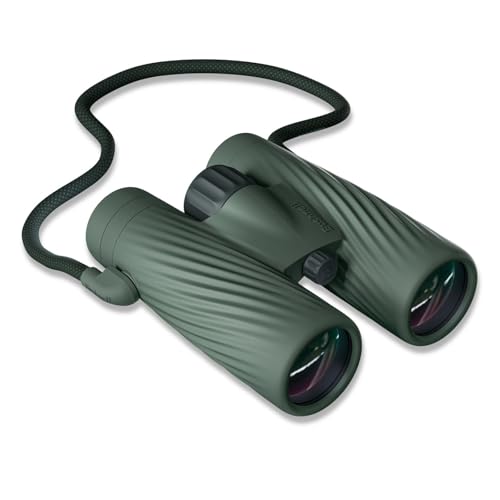
Bushnell A5 10×42 Binoculars (Cilantro Green)

Bushnell 10x42mm Trophy XLT Binoculars

Bushnell A3 8×32 Binoculars (Folkstone Gray)
Bushnell A3 10×32 Binoculars (Folkstone Gray)
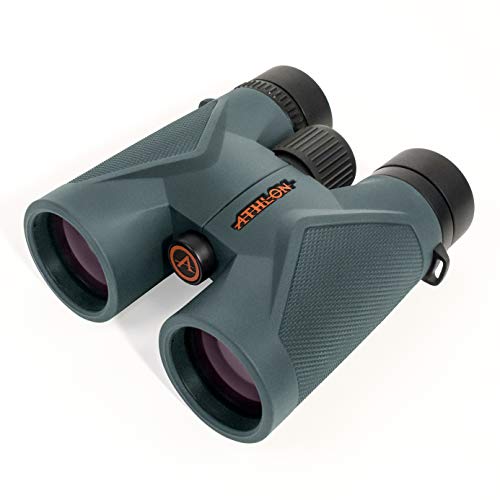
Athlon Optics 8×42 Midas UHD Binoculars (Gray)

Vortex Crossfire HD 10×42 Binoculars

Bushnell A1 10×25 Binoculars (Cilantro Green)
Bushnell A1 8×25 Binoculars (Cilantro Green)
Bushnell A5 8×42 Binoculars (Cilantro Green)
Meet The Standout Selections
The Diamondback HD 10×42 sits in that sweet spot where most safari travelers land: enough magnification to read a giraffe’s spots at a few hundred meters, but not so much reach that hand-shake ruins the image at dawn. The 42mm objective lenses (the large front glass elements) pull in solid light during golden-hour drives, and the chassis feels dense enough to take a knock against a roll-bar mount.
Vortex has built a loyal following around this model because the optical quality punches high above the price tier. Owners commonly report that the fully multi-coated lenses deliver sharp color across open savanna, and the rubber-armored body shrugs off dust. For a long-haul safari where reliability matters more than flashy extras, the Diamondback HD covers the bases that count.
Notable Upsides
- 10x magnification with HD glass elements for sharp, color-true images at typical safari ranges
- 42mm objective lenses gather enough light for the dim minutes before sunrise
- Rubber-armored, nitrogen-purged chassis (sealed and filled with inert gas to prevent internal fogging) handles dust and light rain
- Tripod-adaptable for long viewing sessions at distant waterholes
- Strong long-term owner support from Vortex, which is widely noted for honoring service claims
Worth Noting
- 10x reach makes a steady hold harder at full zoom without bracing on a vehicle window
- Larger 42mm format adds noticeable neck weight on full-day walks
Feature Snapshot
Who It Suits Best
Veteran safari travelers running multi-day drives who want a reliable full-size optic that survives bumpy roads and holds its value.
Where Another Pick Suits Better
Trekkers packing light on a walking safari will find the Bushnell A3 8×32 a noticeably lighter carry for the same basic viewing tasks.
Bushnell positions the A5 as the flagship of its A-series line, and the 10×42 config carries the most useful safari configuration. Dielectric and phase-coated prisms (prism coatings that boost light transmission and sharpen contrast) push color fidelity and contrast past what most travelers expect at this size, while the wave-pattern rubber armor keeps the grip steady when the road gets wet.
Compared to the Diamondback HD above, the A5 leans into color accuracy and a more tactile build. The green Cilantro finish stands out in a market of plain black housings, and the IP-rated sealing handles dust storms that roll in during the dry season. For viewers who want the brightest, most color-true image in the lineup, the A5 earns its place.
Positive Points
- Flagship-tier dielectric and phase coatings deliver vivid, accurate color across the savanna
- IP-rated waterproof sealing protects against sudden downpours and dust
- 42mm objectives gather enough light for early-morning predator sightings
- Wave-pattern rubber armor improves grip on sweaty palms and wet roll bars
Things To Consider
- Sits at a higher price tier than most 10×42 competitors in the roundup
- Cilantro Green finish may clash with classic field gear if that matters to you
Made For
Safari-goers who care deeply about color accuracy and want flagship coatings without stepping into much larger objective lenses.
Skip It When
Weight-sensitive travelers should look at the Vortex Crossfire HD 10×42 for a similar 10x reach with a slightly leaner carry.
The Trophy XLT 10×42 is the kind of binocular that quietly does its job across a wide range of travel scenarios. A 6.2-degree angular field of view (the width of the scene visible at a fixed distance) is generous for scanning a horizon full of game, and the waterproof chassis shrugs off the surprise afternoon thunderstorm common in East Africa.
Where the Diamondback leans toward premium glass and the A5 leans toward flagship coatings, the Trophy XLT sits in a comfortable middle ground. It handles cruise-ship pelican spotting at dawn and a hot savanna drive at noon with equal composure. If you want one binocular that covers birding, big game, and tactical-style observation, this is a versatile all-rounder at a reachable price.
Everyday Wins
- Wide 6.2-degree field of view makes scanning herds and flocks easier
- Waterproof and fog-proof construction for unpredictable weather
- 10×42 format balances reach and light gathering for most safari ranges
- Reachable price tier for first-time safari travelers
Trade Offs
- Heavier than compact 32mm alternatives on long walking days
- Optical coatings sit below flagship models in raw brightness
Right Fit For
Safari travelers on a budget who still want a robust waterproof binocular that covers birds, mammals, and coastal sightseeing on the same trip.
A Better Fit Elsewhere
Birders chasing fine plumage detail should consider the Athlon Optics 8×42 Midas UHD for noticeably stronger chromatic control at similar magnification.
The A3 8×32 trades some magnification and light-gathering for a format that disappears in a daypack. On a walking safari where every kilogram counts, 32mm objective lenses keep the body slim without giving up enough image quality to matter at typical viewing distances. Folkstone Gray is a neutral finish that blends with field clothing rather than standing out.
Against the 10×42 picks above, the A3 8×32 leans steady. An 8x image is noticeably easier to hold by hand from a bouncy seat, and the lighter chassis saves your neck on a three-hour walking loop. For travelers heading to remote camps with strict luggage weight, this is a sensible middle path.
The Case For It
- Lighter 32mm chassis is comfortable on long walks and quick hikes
- IPX7 waterproof rating handles immersion in sudden downpours
- EXO Barrier lens coating repels water, oil, and dust on the front glass
- 8x magnification produces a steady image for handheld viewing
Honest Caveats
- 32mm objectives gather less light than 42mm options for deep dusk viewing
- 8x reach falls short when you want to read a leopard’s spots across a wide valley
Best Suited To
Walking-safari travelers and pack-light adventurers who want solid waterproof optics without the bulk of a full-size 42mm binocular.
Look Elsewhere When
Predator-focused night drives benefit more from the Bushnell A5 8×42, whose larger objectives pull in noticeably more light after sundown.
The A3 10×32 lands in an interesting middle ground: more reach than the 8×32 sibling, but a slimmer profile than the 10×42 flagships. For travelers flying into a remote camp with strict carry-on weight, this format hits a real sweet spot. You keep the magnification needed to study distant game without hauling full-size glass across the savanna.
The Snap-Lock strap system and EXO Barrier lens coating stay consistent with the rest of the A3 family. The 10x reach is harder to hold steady than 8x, so bracing on a vehicle seat or monopod becomes more important. For someone upgrading from a pocket 8×25, this is a logical step up.
What Earns Its Place
- 10x reach in a slim 32mm chassis for pack-light travelers
- IPX7 waterproof sealing for sudden weather shifts
- EXO Barrier coating on external lens surfaces repels water and dust
- Snap-Lock strap keeps the binocular close during bumpy transfers
Points To Keep In Mind
- 32mm objectives dim noticeably compared to 42mm models in deep dusk
- 10x magnification amplifies handshake without a window brace
Who Should Grab It
Safari travelers flying on small charter planes with strict luggage who still want 10x reach and full waterproof confidence.
Another Choice May Suit
Predator hunters focused on low light should step up to the Vortex Diamondback HD 10×42 for noticeably brighter dusk performance.
The Athlon Midas UHD brings ED glass (extra-low dispersion glass that reduces color fringing around high-contrast edges) into a mid-tier price, which is exactly what safari viewers chasing sharp feather and fur detail want. The 8×42 format is a classic: enough light for dawn drives, enough reach for most game viewing, and a steady handheld image without a tripod.
Compared to the 10×42 flagships above, the Midas UHD is friendlier to younger travelers and casual viewers. The 17.2mm eye relief (the distance behind the eyepiece where the full image becomes visible, important for eyeglass wearers) is generous for glasses wearers, and the 2-meter close focus helps with insects and small birds around camp.
A Few Strong Suits
- ED glass controls chromatic aberration around high-contrast edges
- 8×42 format balances brightness with a steady handheld image
- Phase-corrected prisms (prism coatings that sharpen contrast) improve resolution across the field
- Wide interpupillary range fits both adults and older children
Room For Improvement
- 8x reach limits identification of distant predators across wide valleys
- Heavier 25-ounce carry than compact 32mm alternatives
Quick Facts
Perfect Match For
Family safaris where adults and kids share the optic, and birders who care about color accuracy without moving into flagship territory.
Reach For A Different Pick When
Predator-focused travelers who need to read a distant lion’s mane should look at the Bushnell A5 10×42 instead.
The Crossfire HD 10×42 is one of those workhorse binoculars that earns its reputation through consistency rather than flash. Vortex includes a GlassPak harness that lets you carry the optic across your chest for quick deployment, which is a real benefit when a guide suddenly points at something across the grass and you have two seconds to raise your optics.
The optical recipe mirrors the Diamondback HD’s: HD glass elements, fully multi-coated lenses, nitrogen purging. In real terms, the Crossfire HD delivers a slightly less bright image than the Diamondback but in a package that’s friendlier to carry for long stretches. For safari travelers who wear their binoculars as much as they use them, that harness setup is genuinely useful.
The Upside
- GlassPak harness keeps the binocular ready for fast deployment
- HD optics deliver sharp, color-faithful views across typical safari distances
- Nitrogen purging prevents internal fogging in temperature swings
- 10×42 format balances reach and light for dawn drives
Small Caveats
- Slightly less bright image than the flagship Diamondback HD
- Harness strap adds bulk if you prefer a traditional neck carry
Built With In Mind
Safari travelers who want quick-access carrying and a proven HD optic for daily game drives across varied terrain.
Swap It Out When
Pack-light hikers should consider the Bushnell A3 10×32, which trims weight without sacrificing the 10x reach.
The A1 10×25 is the smallest binocular in this roundup, and it earns its slot for a specific reason: it actually fits in a jacket pocket. On a safari where you bounce between vehicles, walking trails, and sundowner decks, having a binocular that disappears until you need it is a real luxury. The Cilantro Green finish is a fun break from the standard black.
Compared to the 10×42 picks earlier, the A1 10×25 makes obvious compromises in light gathering and exit pupil (the size of the beam of light leaving the eyepiece, which affects image brightness). For casual game viewing from a vehicle on bright mornings, though, the image is genuinely usable, and the IPX7 waterproof sealing is a rare find at this size.
What It Does Well
- Pocketable 25mm format for travelers who hate bulky optics
- 10x reach in a body that weighs little more than a phone
- EXO Barrier coating plus IPX7 sealing for unexpected weather
- SnapLok strap system for fast, secure carry on quick transfers
A Few Limitations
- 25mm objectives gather far less light than full-size safari binoculars
- 10x magnification in such a small body amplifies handshake noticeably
Whose Shelf It Belongs On
Travelers who hop between vehicles and want a binocular in a coat pocket more than they want flagship optical performance.
Not Your Match When
Serious wildlife photographers and predator-focused viewers will get more out of the Bushnell A5 8×42, which holds far more light after sundown.
The A1 8×25 is the most approachable binocular in the lineup. Dropping from 10x to 8x in a 25mm format gives a noticeably steadier image, which matters when you have not yet trained your arms to hold a binocular still. For first-time safari travelers, that stability removes one of the most common frustrations with pocket glass.
The trade-offs are the same ones the A1 10×25 carries: small objective lenses dim quickly at dusk, and the chassis is too compact for full-day use. As a grab-and-go companion for short game drives and birdwatching around camp, though, the A1 8×25 punches above its size. The waterproofing and EXO Barrier coating carry over from the larger A-series models.
Real-World Strengths
- 8x magnification produces a steady handheld image for new viewers
- Compact 25mm body slips into a pocket or small bag
- IPX7 waterproof sealing handles unexpected rain
- EXO Barrier coating sheds water and dust from the front lenses
Points To Note
- Limited light gathering for serious dawn and dusk predator viewing
- Modest reach compared to full-size 42mm safari binoculars
The Right Fit
First-time safari travelers who want a budget-friendly, easy-to-handle binocular for casual game viewing and camp-side birding.
Consider Something Else When
Birders focused on raptor identification across wide distances will benefit more from the Athlon Optics 8×42 Midas UHD and its ED glass.
The A5 8×42 closes the roundup as the flagship A-series model in a steadier, wider-field configuration. With the same dielectric and phase-coated prisms as its 10×42 sibling, this format trades a touch of reach for a wider field of view and a steadier handheld image. For tracking herds moving across the savanna, that wider view makes the difference between following the action and constantly refocusing.
Bushnell backs the A5 with a lifetime warranty and ships a matched optics case plus a Snap-Lock strap system. The IP-rated sealing holds against dust and rain, and the wave-pattern armor keeps the grip confident in wet conditions. For viewers who prize low-light color accuracy and a sweeping field of view over maximum reach, this is a fitting end to the safari binocular conversation.
Advantages To Know
- Flagship dielectric and phase coatings deliver vibrant, color-accurate images
- 8×42 format offers a wider field of view for tracking moving herds
- IP-rated waterproof sealing for rain and dust exposure
- Includes color-matched optics case, strap, and cleaning cloth
- 8x magnification produces a steady image without bracing on every surface
Where It May Fall Short
- 8x reach limits identification of very distant predators across wide valleys
- Sits at a higher price tier than mid-range alternatives
Who Will Love This
Safari travelers who prioritize low-light brightness, color accuracy, and a steady handheld image over maximum magnification reach.
Where A Sibling Pick Shines
Wildlife viewers needing to read fine detail across far distances will find the Bushnell A5 10×42 a stronger match for distant predator spotting.
What Matters Most Before Choosing Safari Binoculars
Magnification sets the reach, but it also amplifies every tiny hand movement you make. An 8x binocular produces a noticeably steadier image than a 10x or 12x model, and on a bumpy vehicle that gap widens. For most safari travelers, 8x or 10x hits the right balance between identifying distant game and keeping the view steady enough to enjoy.
Objective lens diameter drives how much light the binocular can use. A 42mm lens pulls in strong light for dawn and dusk drives, while a 32mm format keeps the body slimmer for walking safaris. Below 30mm, you trade meaningful light-gathering for pocketability, which works for casual viewing but limits serious low-light use.
Lens coatings and prism coatings shape color fidelity and contrast. Fully multi-coated lenses reduce glare, while dielectric and phase coatings on the prisms sharpen the image and improve brightness. ED glass (extra-low dispersion) controls color fringing around high-contrast edges, which matters when you stare at a dark-maned lion against pale grass for long minutes.
Weather sealing and armor matter more on safari than people expect. Dust, sudden rain, and the occasional drop onto a rocky track are real risks. Nitrogen- or argon-purged chassis (sealed and filled with inert gas to stop internal fogging) and rubber armor add durability without much weight. Eye relief (the distance behind the eyepiece where you see the full image) is worth checking if you wear glasses.
Weight and ergonomics shape daily comfort. A binocular that lives around your neck for ten hours needs to feel balanced. If you primarily ride in vehicles, larger 42mm models stay comfortable. On a walking safari, a 32mm format saves real fatigue over multi-day routes.
Key Considerations Across These Picks
Mistakes Worth Dodging
The most common safari binocular mistake is choosing too much magnification. A 12x or 15x binocular sounds impressive on paper, but hand-shake at full zoom turns animals into blurs. For handheld use, 8x and 10x remain the practical sweet spot for most travelers.
Another pitfall is ignoring weight and balance. A heavy binocular left dangling from a thin neck strap becomes a misery after a long game drive. Test the harness or strap setup before departure, and consider a chest harness if your pick supports one.
What The Upgrade Buys
Higher-tier models in this roundup buy better prism coatings, ED glass, and tougher weather sealing. For a once-in-a-lifetime safari, those upgrades show up as cleaner color at dawn, sharper detail on distant leopards, and confidence that a sudden rain squall will not fog the internal optics. For casual short-trip viewing, mid-tier options deliver plenty of usable image quality.
Frequently Asked Questions
What magnification is best for safari binoculars?
Most travelers do best with 8x or 10x. Higher magnification amplifies hand-shake and makes the image harder to hold steady from a moving vehicle.
Is 8×42 or 10×42 better for safari?
An 8×42 gives a steadier image and a wider field of view, while a 10×42 reaches farther. 8×42 suits walking safaris; 10×42 suits vehicle-based viewing where distance matters.
Are waterproof binoculars necessary for safari?
Weather on safari can shift without warning, and dust is constant. Waterproof and nitrogen-purged construction helps protect internal optics from fogging and grit.
Can compact 25mm binoculars work for safari?
Compact 25mm binoculars work for casual daytime viewing but gather far less light than 42mm models, which limits dawn and dusk performance.
How important is ED glass on safari binoculars?
ED glass controls color fringing around high-contrast edges, which becomes more noticeable at higher magnification. For long viewing sessions on fine detail, ED glass adds meaningful sharpness.
Closing Remarks
The right safari binocular is the one that lives around your neck without complaint and pulls the savanna close when it matters. Match the format to your trip style, prioritize weather sealing and steady magnification, and your game drives will reward you with views you would otherwise miss at the horizon.