
Bikepacking asks more of a tent than most camping does. Your shelter has to weigh very little, fit on a loaded bike, survive wet ground and surprise wind, and still feel livable after a full day of pedaling. Most weekend campers never worry about packed weight or how a tent packs down next to a frame bag. You do. This list mixes ultralight backpacking-style shelters with a few storage-focused bike covers, so you can pick by use case: sleep on the trail, or keep your rig safe at home between trips. Each pick below is judged on real bikepacking demands, not just a spec sheet.
The Leading Options At A Glance

ALPS Mountaineering Lynx 2-Person Backpacking Tent

ALPS Mountaineering Lynx 1-Person Backpacking Tent
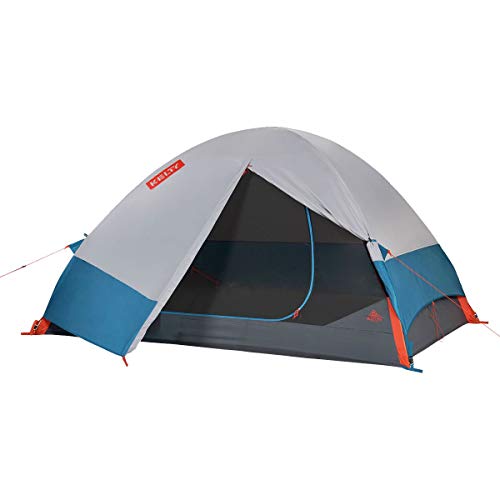
Kelty Late Start 4P Lightweight Backpacking Tent

camppal 2-3 Person Backpacking Tent Double Door

MSR Elixir 2 Backpacking Tent
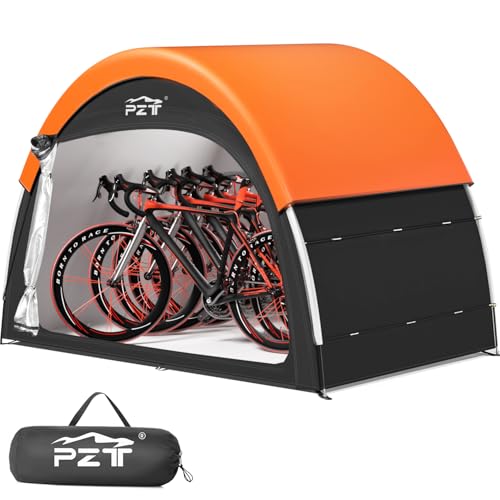
PZT Bike Tent Outdoor Storage Shed 4-5 Bikes

PZT Bike Tent Outdoor Storage Shed 2-3 Bikes
PZT Bike Tent Outdoor Storage Shed 6-10 Bikes
What Each Pick Brings To The Table
The Lynx 2 is the kind of tent most first-time bikepackers end up buying, and for good reason. It’s a freestanding dome built around aluminum poles (lightweight metal tubing that resists bending) instead of fiberglass, so the packed weight stays friendly for a handlebar roll. Two doors and two vestibules (small covered porches outside the doors that keep rain and boots away from the sleeping area) let you and a riding partner exit without crawling over each other at 5 a.m.
Compared to the solo Lynx 1 coming up next, this version is the right pick when you’re splitting gear between two riders. Wall mesh covers a big chunk of each side, so humid summer nights don’t turn the interior into a sauna. Owners commonly report the rectangular floor plan feeling roomier than the listed dimensions suggest.
Features That Help
- Aluminum pole frame keeps weight manageable on a fully loaded bike
- Mesh-heavy walls move air through the tent, a real comfort after a long climb
- Dual vestibules protect panniers and boots from overnight rain
- Freestanding design lets you rotate the tent for the best windbreak before staking
- Rectangular floor fits two wide sleeping pads without a squeeze
Points To Keep In Mind
- Not the lightest shelter in this roundup, so weight-obsessed riders may want to look elsewhere
- Stakes and footprint are sold separately in many listings, worth budgeting for
Feature Snapshot
Best Suited To
Two-person teams splitting weight across two bikes on three-season routes.
Where Another Pick Suits Better
Solo riders should consider the ALPS Mountaineering Lynx 1, which trims the footprint for single-bike setups.
The Lynx 1 takes everything useful from the two-person Lynx above and shrinks it down to a solo footprint. Aluminum poles keep the packed weight sensible, and the freestanding layout still sets up cleanly in tight campsites wedged between trees. Mesh walls dominate the upper body, which helps when you stop sweating after a 4,000-foot descent and want the breeze to keep flowing.
Where the larger Lynx leans toward two-up comfort, this one trades interior space for a smaller packed size. That matters when your frame bag already holds tools, food, and a layer. For most solo riders on standard weekend loops, the trade is the right one.
A Favorable Mix
- Compact packed size slides into a half-frame bag or seat pack
- Mesh-dominant walls cut down on condensation in warm weather
- Freestanding geometry forgives imperfect ground on dispersed campsites
Trade-Offs To Consider
- Tight fit for taller riders over six feet, plan a trial pitch at home first
- Single door means a wet entry on rainy mornings, the vestibule helps but only so much
- Storage space inside is minimal, you live out of your bags
Right Fit For
Solo bikepackers running light on multi-day routes through mild three-season conditions.
A Better Fit Elsewhere
Riders tackling cold shoulder-season trips should look at the MSR Elixir 2, which handles more demanding weather.
The Late Start 4P is built around the idea that you’ll arrive late and tired. Quick Corner technology and pre-bent aluminum poles aim to cut setup down to a few minutes, even by headlamp. A waterproof polyester fly (the outer rain-resistant layer of a tent) keeps the inside dry while the shape holds up to gusty ridge-line camps.
Compared to the solo shelters earlier in this list, this one leans into group comfort. The aluminum frame keeps it from feeling like a car-camping tent in a backpack shell. You trade some packed size for livable interior room and a setup you can teach a riding buddy in a single demo.
Key Advantages
- Quick Corner setup shaves real time off the end of a long day
- Pre-bent poles add headroom, useful when sitting up to cook
- Aluminum frame stays light enough to load across two bikes
- Waterproof polyester fly handles steady drizzle without fuss
Honest Caveats
- Four-person rating means a snug fit for four adults, more comfortable with three
- Larger packed size demands a bigger frame bag or external roll
Core Details
Who It Suits Best
Small groups or two-up riders who want fast camp after dark on three-season bikepacking trips.
Not Your Match When
Solo weight-conscious riders should look at the ALPS Mountaineering Lynx 1, which packs down much smaller.
The camppal 2-3 Person tent is built around weather protection. A 3500mm-rated rainfly (the mm rating describes how tall a column of water the fabric can hold before leaking) and a 4000mm bathtub floor (a floor whose edges curve upward like a bathtub to keep groundwater out) pair with seam-taped construction (heat-sealed tape applied over stitched seams to block water entry) to handle long rainy days. The two-door, two-vestibule layout keeps gear separate and dry on multi-day trips.
Compared to the lighter Kelty Late Start above, this tent is heavier and built more like a small basecamp shelter. For wet Pacific Northwest loops or shoulder-season rain, that extra fabric weight pays off. You give up some of the lightness bikepackers prize, but you gain real storm confidence.
Notable Upsides
- Seam-taped rainfly and floor block prolonged rain from soaking through
- Dual doors and vestibules let two riders move around without trampling each other’s gear
- UPF 50+ rated fabric (blocks 98% of UV rays) cuts sun exposure on exposed alpine camps
- 3-season rating covers spring, summer, and fall routes
Small Caveats
- Packed size is on the larger side for bikepacking, plan frame bag space accordingly
- Heavier than ultralight picks, weight savings matter on long climbs
- Zippers tend to run stiff at first, owners commonly report they loosen with use
Made For
Riders tackling wet routes and shoulder-season weather who value dryness over minimum weight.
Consider Something Else When
Riders chasing the lightest possible shelter should look at the ALPS Mountaineering Lynx 1 for a simpler weight-friendly option.
The MSR Elixir 2 sits at the premium end of this roundup. A blend of 75% polyester and 25% nylon in the tent body balances durability and weight, and the nearly vertical walls with a true rectangular floor fit wide, thick sleeping pads. MSR has built its name around gear you trust at altitude, and the Elixir is the company’s most versatile two-person shelter.
Compared to the ALPS Lynx 2 earlier in this list, the Elixir asks more from your wallet and gives back in livability and finish. Strategically placed mesh panels handle condensation without throwing away cold-weather performance. For year-round riders, that versatility is worth the step up.
Everyday Advantages
- Rectangular floor plan sleeps two comfortably with wide pads
- Mesh panels manage condensation without killing cold-weather performance
- Polyester-nylon blend balances tear resistance and weight
- Included gear loft keeps small essentials off the tent floor
Less Ideal Details
- Premium pricing puts it out of reach for casual weekend riders
- Packed weight still heavier than true ultralight shelters
Quick Technical Notes
Perfect Match For
Year-round bikepackers who camp in mixed conditions and want one shelter to cover most trips.
Look Elsewhere When
Budget-focused riders should consider the camppal 2-3 Person tent, which trades premium refinement for a friendlier price.
Shifting gears from shelters to storage, the PZT Bike Tent covers four to five bikes in a single covered footprint at 79 × 59 × 67 inches. A rain cover on top keeps weather off stored bikes, and the layout doubles as general outdoor storage for lawn equipment and tools between bikepacking weekends.
Where the backpacking tents above protect you on the trail, this one protects your fleet at home. Compared to the smaller 2-3 bike version coming next, this size gives households with multiple riders breathing room to walk bikes in and out without scraping handlebars.
The Practical Payoff
- Fits four to five standard bikes in one footprint, useful for households with multiple riders
- Top rain cover adds a layer of weather protection over the stored bikes
- Doubles as outdoor storage for mowers and garden gear
- Freestanding design sits on a driveway or patio without permanent anchoring
A Few Limitations
- Fabric shell won’t match the security of a locked garage, treat it as weather protection rather than theft protection
- Larger footprint demands open yard or driveway space
- Setup requires a flat, level area to keep the rain cover from pooling water
Feature Overview
Whose Shelf It Belongs On
Households with several bikes looking for covered, breathable storage between rides.
Swap It Out When
Smaller households with only a couple of bikes may prefer the more compact PZT 2-3 Bike Storage Shed.
This compact PZT shed is the right scale for riders without a garage. 210D Oxford fabric (a tightly woven polyester cloth that resists tearing) with a PU4000 waterproof coating (a polyurethane layer rated to resist a 4000mm water column) keeps rain off stored bikes, and the small window plus internal storage pocket add ventilation and a place for locks and lights.
Compared to the larger 4-5 bike shelter just above, this one fits tighter patios and side yards. For a single rider or a couple, it covers the basics without taking over the driveway.
What Works In Its Favor
- Compact footprint fits narrow side yards and small patios
- 210D Oxford fabric with PU4000 coating sheds rain well in shoulder seasons
- Heat-sealed internal stitching helps block water at the seams
- Window adds airflow that prevents trapped moisture inside
Some Limits To Know
- Only fits two to three bikes, growing families will outgrow it quickly
- Fabric shell is weather protection, not a security solution for high-theft areas
Built With In Mind
Single riders or couples with limited outdoor space who want covered bike storage.
Reach For A Different Pick When
Larger households with multiple bikes should consider the PZT 4-5 Bike Storage Shed for breathing room.
The largest PZT shelter in this roundup measures 79 × 97 × 67 inches and fits six to ten standard bikes or several electric bikes side by side. It covers a family fleet, a small rental fleet, or a group of riding buddies who share a garage but lack the indoor space.
Compared to the 4-5 bike version earlier, this one trades compactness for genuine storage scale. Where a small shed protects a single rider, this one handles the kind of multi-bike clutter that builds up when kids grow into riding age.
Notable Gains
- Fits six to ten standard bikes, ideal for families or shared housing
- Handles multiple electric bikes at once without crowding
- Larger footprint allows easy walk-in access for organizing gear
- Top rain cover adds weather protection beyond a basic fabric shell
Potential Compromises
- Requires a sizable outdoor footprint, not workable on small patios
- Fabric design is weather-only protection, so consider anchoring in windy areas
Who Should Grab It
Large households, group rentals, and multi-bike families needing one shelter for the whole fleet.
Skip It When
Riders with only a couple of bikes should choose the more compact PZT 2-3 Bike Storage Shed instead.
Matching The Right Shelter To Your Bikepacking Style
Choosing a bikepacking tent starts with how you ride. Riders chasing long mileage care most about packed weight and how the tent loads onto the bike, while riders planning shorter overnighters can afford more comfort. Pay attention to the rainfly rating (how tall a water column the fabric resists, expressed in millimeters) and the floor rating, since heavier rain on multi-day trips exposes weak waterproofing fast.
The second decision is capacity. Solo riders do well in a one-person shelter because every gram of unused interior space is wasted weight. Pairs should think about sleeping pad widths and how much gear needs to stay inside versus stored in vestibules. Group riders should pay attention to setup speed, since pitching a four-person tent in the dark after a long day is a real test.
Finally, material choice affects how long the tent lasts. Aluminum frames outlast fiberglass, and higher-denier fabrics (the denier number reflects fiber thickness, with higher numbers being tougher but heavier) hold up to repeated stuffing into a frame bag. Match the tent to your riding, not to a spec sheet.
Common Considerations Across These Picks
Where Shoppers Go Wrong
A common mistake is buying a tent rated for four people and expecting four adults to sleep comfortably. Ratings reflect tight capacity, not livable space. Another pitfall is ignoring packed size. A great shelter that won’t fit on your bike is the wrong shelter, no matter how well it handles weather.
Why Top Tier Costs More
Premium models like the MSR Elixir 2 carry a higher cost because of better fabrics, tighter tolerances, and longer warranties. The extra weight of construction often pays back in years of use rather than a single season. Spending up makes sense when you camp monthly, not when you ride twice a year.