
Bike camping changes the math on what a shelter needs to do. You can’t just toss a bulky dome tent onto a rear rack and expect a pleasant ride, and the weather that rolls through remote trailheads rarely cooperates with ultralight ambitions. The right tent for this niche has to balance pack size, weight, weather resistance, and pitch speed while staying strapped down over washboard gravel for hours.
You might be planning a first overnight along a converted rail trail, scheming a week-long tour across the Rockies, or just want a lean shelter for weekend bikepacking loops. This guide covers ultralight shelters built specifically for bikepackers, roomier tents that still pack small enough for handlebar bags, and a few heavy-duty storage sheds for people who need a place to keep their fleet at home. Each pick earns its spot on real spec details, real tradeoffs, and the kind of conditions you actually ride into.
The Picks In Brief

ATEPA Voyage 1-2 Backpacking Tent (Ultralight 20D SilNylon)

BISINNA 2/4 Person Camping Tent
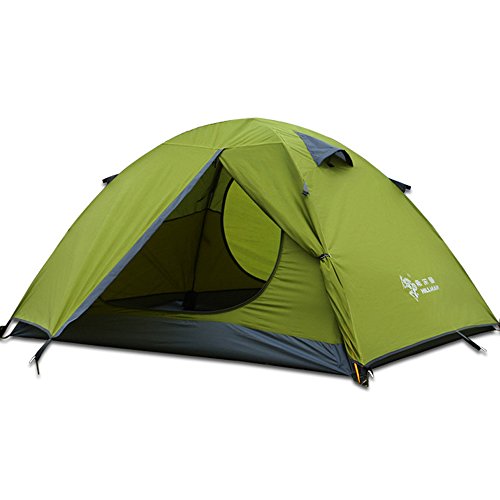
HILLMAN 1/2/3/4 Person Camping Tent

Naturehike Mongar 2 Person Backpacking Tent

Naturehike Dune Hot Tent with Stove Jack

MSR Hubba Hubba Bikepack 2 Person Tent

Naturehike Backpacking Tent for 1 Person
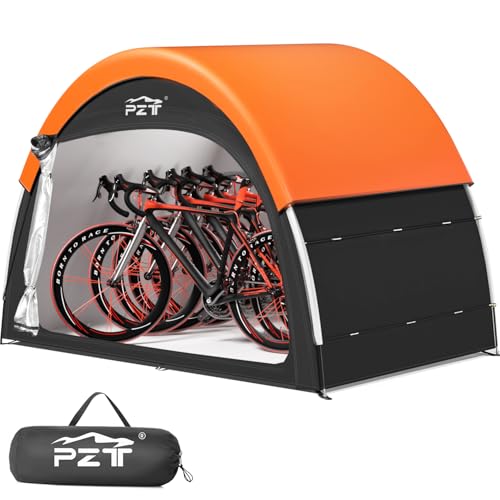
PZT Upgraded Bike Tent (4-5 Bikes)

PZT Bike Tent for 2-3 Bikes (Oxford)
PZT Bike Tent (6-10 Bikes)
A Breakdown Of The Leading Choices
The ATEPA Voyage earns its spot for riders who pack into shoulder seasons and don’t want a flimsy shelter when the weather turns. Built around 20D silnylon (a silicone-coated nylon prized for strength at a thin denier) with a 4000mm waterproof rating, it handles steady rain without bulk. Silnylon is lighter than comparable PU-coated fabrics but doesn’t stretch or sag as much as cheaper polyester, which means fewer middle-of-the-night tensioning sessions.
An expandable vestibule gives you covered space to stash a pannier or cook under shelter on fast, dry evenings, and the freestanding design (poles that hold the tent’s shape without stakes) lets you pitch on a rocky pull-off without a fight. Two adults fit comfortably, though a roomier two-person ride with full kit bags will find it snug.
A Favorable Mix
- True four-season construction handles snow load and shoulder-season storms.
- Expandable vestibule creates sheltered storage for cooking and gear.
- Freestanding geometry saves setup time on rocky or sandy pull-offs.
- 20D silnylon balances low weight with tear resistance for rough trail use.
Things To Consider
- Silnylon doesn’t pack as small as Dyneema (an ultralight stretch-resistant fabric) alternatives, so bulky handlebar bags may struggle to swallow it.
- Two-person rating is honest, not generous; solo riders get the most breathing room.
- Requires seam-sealing care out of the box for full waterproof performance.
Feature Snapshot
Who Should Grab It
Riders tackling shoulder-season tours in wet climates where a flimsy three-season shelter will soak through.
Consider Something Else When
Soul riders chasing absolute minimum pack size should look at the MSR Hubba Hubba Bikepack for shorter pole sections that fit better on handlebars.
The BISINNA serves riders testing the bike-camping waters without dropping serious coin. The rainfly uses 190T polyester with a PU2000mm coating, which is plenty for moderate rain, and the inner tent pairs B3 no-see-um mesh (a tightly woven mesh that blocks tiny biting insects) for airflow on warm nights. 7001 aluminum poles keep the weight reasonable while handling gusty conditions.
It runs a touch heavy compared to dedicated bikepack shelters, so it works better on credit-card tours (lightweight trips where you resupply at motels or stores) than ultralight weekenders. First-timers get a forgiving platform that doesn’t punish imperfect pitching.
Advantages To Know
- PU2000mm rainfly handles standard wet-weather trips without leaks.
- No-see-um mesh keeps biting insects out during warm overnighters.
- 7001 aluminum poles resist bending under moderate wind loads.
- 2-person and 4-person versions accommodate couples or group rides.
Trade Offs
- Heavier than dedicated bikepack designs; longer tours notice the extra grams.
- Polyester stretches when wet, so occasional re-tensioning may be required.
- Packed size pushes the limits of a standard handlebar roll.
Made For
Newcomers running entry-level tours or shorter credit-card trips who want a forgiving shelter at a fair price.
Skip It When
Riders planning long-distance tours should consider the Naturehike Mongar 2 Person Backpacking Tent for its lighter packed weight.
The Hillman is a hybrid pick: more tent than most bike campers want, but a smart choice when your ride mixes pavement with a car shuttle or you simply want extra space at camp. At roughly 5 pounds for the two-person configuration, it’s not ultralight, but the trade-off is a roomy dome with two D-shaped doors and twin vestibules.
It carries well on a rear rack or in a large frame bag for riders running a Sag Wagon support setup, and the quick-pitch design beats fumbling with poles in fading light. For most bike campers doing weekend loops with the option of a vehicle cache, this is the sensible middle.
Noteworthy Benefits
- Dual doors and vestibules let two sleepers move independently.
- Quick-pitch design cuts setup time on tired legs.
- Multi-person options scale up for group riders or family shakedowns.
- Rear-rack friendly packed dimensions for hybrid tourers.
Honest Caveats
- 5-pound weight rules it out for serious distance tours.
- Polyester construction holds heat on summer nights without strong ventilation.
Quick Facts
Best Suited To
Riders mixing bike and vehicle support on weekend trips who want more shelter space without bikepack-level weight obsession.
A Better Fit Elsewhere
Long-distance tourers chasing under-3-pound shelters should look at the ATEPA Voyage 1-2 Backpacking Tent instead.
The Mongar is the sweet spot for three-season touring. At roughly 5.3 pounds including the included groundsheet, it’s lighter than most family-style tents but heavier than premium bikepack builds, which keeps the cost approachable. The Y-frame structure with simple pole geometry pitches in minutes, and Naturehike includes setup instructions sewn right into the stuff sack.
210T polyester with a 3000mm waterproof coating handles the rain you’ll hit on summer thunderstorm routes, though it stretches a touch in heavy downpours. The double-wall design (a separate inner mesh tent plus a waterproof rainfly) manages condensation better than single-wall shelters when nights run humid.
The Practical Payoff
- 3000mm waterproof coating handles standard summer storm cycles.
- Y-frame pitch is intuitive for first-time setup.
- Double-wall design reduces condensation in humid climates.
- Includes groundsheet for added floor protection on rough ground.
Small Caveats
- 5.3-pound weight lands between ultralight and standard categories.
- Polyester stretches in steady rain; tension checks help after storms.
The Right Fit
Touring riders on a budget who mostly ride fair-weather three-season routes and want a forgiving shelter.
Look Elsewhere When
Snow-season campers should consider the Naturehike Dune Hot Tent with Stove Jack for true four-season warmth.
The Dune is the rare bike-camping tent built for genuinely cold nights. A stove jack lets you run a small wood or titanium stove inside the shelter, transforming a winter overnighter from miserable to manageable. The 75D polyester shell with silver coating hits UPF50+ (an ultraviolet protection rating that blocks 98% of UV rays) and a 3000mm waterproof rating, so it doubles as a summer sun shelter when the stove sits idle.
Four doors make entry and ventilation easy when the stove is roaring, and a snow skirt keeps wind-blown powder from creeping under the walls. You’ll need a sled or rack support to haul it on a bike; this is a dedicated winter expedition piece, not a summer shuttle.
Where It Delivers
- Integrated stove jack enables true winter heat inside the shelter.
- Snow skirt blocks wind-driven snow from entering the tent.
- Four doors improve ventilation when the stove runs hot.
- 75D shell with UPF50+ doubles as summer sun shelter.
A Few Limitations
- Heavier than summer-only shelters, demanding stronger bike-hauling setups.
- Stove compatibility requires careful research to avoid fabric damage.
Feature Rundown
Whose Shelf It Belongs On
Riders planning shoulder-season or winter bike overnights in regions where standard tents won’t cut it.
Reach For A Different Pick When
Three-season-only tourers will find the ATEPA Voyage lighter and easier to handle for non-winter trips.
The Hubba Hubba Bikepack is MSR’s answer to the question every bikepacker eventually asks: how do you fit a real backpacking shelter on a bike without weird load geometry? The trick is shorter DAC NSL poles (a premium aluminum alloy pole from DAC, a major tent-pole maker), which sit across a handlebar bag instead of sticking out awkwardly. The whole package is lighter than the standard Hubba Hubba while keeping MSR’s livable two-person floor plan.
This is a real bikepacking tent, not a hiking tent adapted with shorter poles. The trade-off is the cost. Riders running multi-week routes with limited resupply will appreciate the packability; casual weekend warriors may find the value tougher to justify.
Useful Highlights
- Shortened DAC NSL poles reduce handlebar leverage and fatigue.
- True bikepack-specific geometry fits standard 14L handlebar rolls.
- Lighter than the standard Hubba Hubba while preserving livability.
- Premium materials handle long-distance use and frequent pitch cycles.
Points To Note
- Premium pricing puts it out of reach for casual weekend campers.
- Two-person rating is tight for two riders plus full kit bags.
Perfect Match For
Multi-day tourers who obsess over packed size and load balance and want a purpose-built bikepacking shelter.
Swap It Out When
Budget-focused riders should look at the Naturehike Mongar for similar livability at a fraction of the cost.
The solo rider who counts grams will appreciate this Naturehike. The 20D silicone-coated rainfly with a 4000mm waterproof rating stands up to serious weather, and taped seams plus a 7001 aluminum pole set keep the shelter planted when winds pick up across exposed ridgelines. A footprint is included, which saves you from picking up an extra groundsheet.
It’s a tight fit for a tall rider with a packed frame bag, but for sub-six-foot cyclists on fast overnighters, the livability is honest. Long-distance solo riders running credit-card tours will love how small it packs.
What Pays Off
- 20D silicone-coated fly hits 4000mm waterproofing for serious storms.
- Taped seams prevent slow leaks on multi-day trips.
- Included footprint removes a separate purchase.
- Compact packed size fits frame bags and small handlebar rolls.
Worth Bearing In Mind
- Tight interior for riders over six feet with full gear inside.
- Single-wall sections can collect condensation in humid climates.
Key Product Details
Built With In Mind
Solo riders focused on weight savings who don’t need a partner’s worth of interior space.
Not Your Match When
Riders tackling shoulder-season snow should consider the Naturehike Dune Hot Tent with Stove Jack instead.
Sometimes “bike tent” means a place to keep your fleet at home. The PZT 4-5 bike shed measures roughly 79 x 59 x 67 inches, enough for standard bikes or four e-bikes, and the upgraded rain cover helps the top fabric resist tear-through from wind and pooling water. It’s a hybrid: covered parking for your bikes plus a portable shed for lawn equipment, pool toys, and garden tools.
The frame uses a steel tube skeleton with a coated fabric cover, and setup is closer to a pop-up canopy than a backpacking tent. Anchor it well on windy sites; a lightweight portable shed needs solid tie-downs to behave.
Everyday Advantages
- Generous footprint covers 4-5 bikes or 4 e-bikes.
- Upgraded rain cover resists top-fabric failure from pooling water.
- Doubles as outdoor storage for lawn and garden equipment.
- Pop-up style assembly avoids permanent construction.
Some Limits To Know
- Not a portable backpacking shelter; this is a stationary bike shed.
- Requires solid anchoring on exposed sites to handle strong winds.
Right Fit For
Households with a multi-bike fleet who need covered outdoor storage without building a permanent structure.
Where Another Pick Suits Better
Riders storing just 2-3 bikes should consider the PZT Upgraded Bike Tent for 2-3 Bikes for a tighter footprint.
The smaller sibling in this shed lineup suits couples and small households with 2-3 bikes. The 210D Oxford shell (a dense, abrasion-resistant woven polyester) carries a PU4000 coating that resists rain well, and heat-sealed tape at internal stitching positions keeps leaks from sneaking through the seams. A small window aids ventilation, and an interior pocket stores accessories.
It also works as a motorcycle cover and a place to keep a lawn mower out of the rain. For most urban riders with limited garage space, this hits the sweet spot of size and weather resistance.
Notable Gains
- 210D Oxford fabric with PU4000 resists steady rain and abrasion.
- Heat-sealed seams prevent slow leaks through stitching points.
- Built-in window improves airflow to reduce moisture buildup.
- Versatile footprint works for bikes, motorcycles, and garden tools.
Potential Drawbacks
- Capacity caps at 2-3 standard bikes or 2 e-bikes.
- Anchor points remain essential on open driveways.
Who Will Love This
Couples and small households that need compact covered storage without a permanent structure.
Where A Sibling Pick Shines
Households running a larger fleet should look at the PZT Upgraded Bike Tent for 6-10 Bikes.
Big households, hostels, and small bike-share operations need a shed that swallows a fleet, and this 79 x 97 x 67-inch PZT covers 8-10 standard bikes or 5-7 e-bikes. The upgraded rain cover tackles the top-fabric tear problem that plagued earlier versions, and the pop-up frame keeps assembly tool-light.
Used honestly, it’s a portable bike barn. Used as a long-term outdoor structure, expect UV degradation on the fabric over multiple seasons; rotating placement or adding a UV-resistant tarp helps extend life.
Everyday Perks
- Large footprint covers a full household fleet.
- Upgraded rain cover addresses top-fabric tearing.
- Pop-up design assembles without specialty tools.
- Multi-use storage handles bikes plus yard and pool equipment.
Factors To Consider
- Fabric may degrade under prolonged UV exposure without rotation.
- Large footprint requires a level site and solid tie-downs.
Best Suited To
Large families, shared housing, and small rental fleets that need flexible covered storage without permanent construction.
Where It May Fall Short
Riders needing 4-5 bike capacity should consider the PZT Upgraded Bike Tent (4-5 Bikes) for a tighter footprint.
Choosing The Right Shelter For Two-Wheel Travel
Picking a bike camping tent starts with how you ride, not how you camp. Ultralight bikepackers chasing 200-mile days need shelters that pack small enough for handlebar rolls and weigh under four pounds. Weekend riders running credit-card tours can stretch to five pounds if it means more livable space at camp.
Freestanding designs (tents that stand on their own without stakes) save time on rocky or sandy pull-offs where staking isn’t easy. Non-freestanding shelters pack smaller and lighter, but demand good ground. Pole length matters: long poles may not fit across handlebar bags without sticking out awkwardly.
Waterproof ratings between 3000mm and 4000mm handle most rain you’ll encounter. Higher ratings matter for puddle-prone sites and snow. Ventilation is the underrated spec. Single-wall tents pack smaller but collect condensation in humid conditions. Double-wall designs manage moisture better on warm nights.
Match Capacity To Riding Style
A solo rider focused on fast tours gets the most value from a 1-person tent that fits inside a frame bag. Couples running 2-person setups should treat “2-person” as a starting point: tight for two adults with full kit bags, comfortable for two with trimmed-down packing. Three-person and 4-person tents rarely fit bike-camping loads; they target car camping and hybrid trip styles.
Handlebar And Frame Compatibility
Bikepacking bags come in standard sizes, and your tent needs to fit them. Short pole sections pack across handlebar rolls. Long pole tents need frame bags or rear rack space. Quick-pitch designs matter when you arrive at camp tired. Pop-up instant tents trade weight for speed.
Weather And Season Rating
Three-season tents handle spring, summer, and most fall riding. Four-season construction stands up to snow load and high winds. Hot tents with stove jacks enable winter bike camping in sub-freezing conditions but add significant bulk. Match the rating to your riding calendar, not your aspirations.
Key Considerations Across These Picks
Hidden Buying Traps
The most common bike-camping tent mistake is trusting the “person” rating without checking actual dimensions. Most 2-person tents fit two adults and nothing else; with kit bags inside, you’ll be sleeping on top of your panniers. Look for honest floor dimensions, not capacity labels.
Another trap is overlooking pole length. A great tent that doesn’t fit your handlebar roll isn’t great. Pack size in liters matters more than weight for bikepacking. And waterproof ratings under 2000mm won’t hold up to steady downpours, no matter what the marketing says.
When Paying More Pays Off
Premium tents earn their higher cost by packing smaller, lasting longer, and shedding weather better. A $400 bikepack shelter typically lasts twice as many pitch cycles as a $150 alternative and packs into half the space. For riders running multi-week tours, that durability and packability justify the investment.
Higher-tier models also tend to use better fabrics. Silnylon and Dyneema composite (DCF, a laminate of Dyneema fibers in a polyester matrix) pack smaller and resist stretching better than entry-level polyester, which translates to fewer middle-of-the-night tension checks and longer service life.
Frequently Asked Questions
What size tent do I need for bike camping?
Solo riders fit comfortably in a 1-person tent with trimmed packing; couples need a true 2-person with 30+ inches of width per person. Avoid 3+ person tents for bike travel, since they push the limits of standard bikepacking bag systems.
Can I use a regular backpacking tent for bikepacking?
Standard backpacking tents work but often have long pole sections that don’t fit handlebar bags. Dedicated bikepacking tents use shorter poles specifically to solve this. Most riders find a bikepack-specific design worth the upgrade.
How waterproof is waterproof enough?
A 3000mm rating handles steady rain and most thunderstorm cycles. For puddle-prone sites and shoulder-season storms, 4000mm or higher provides better margin. Anything under 2000mm struggles in real wet-weather conditions.
Do I need a four-season tent?
Only for winter riding, snow camping, or high-altitude shoulder-season routes with potential storms. Three-season tents handle spring, summer, and most fall riding without the bulk of four-season construction.
Where do I put a tent on my bike?
Standard setups split the load: tent body and poles in a handlebar roll, footprint and rainfly in a frame bag. Rear rack space works for heavier tents but adds leverage on the bike. Match your tent’s packed dimensions to your bag system before buying.
Closing Remarks
The right shelter turns a tough ride into a great trip, and the wrong one makes you rethink the whole sport. Match the tent to how and where you ride, not to the wish list in your head. Bike camping rewards gear that does its job without getting in the way, and the ten options above cover nearly every style of two-wheel travel from weekend loops to winter expeditions. Pick the one that fits your routes and your bike, and get out there.