
When the party moves outdoors or the campsite stretches into a long haul, capacity and ice retention start to matter more than anything else. A genuinely big ice cooler keeps drinks cold through a full afternoon on the patio or a full day at the lake, and the right one matches how you actually use it. This shortlist covers seven picks across very different formats, from a stainless tabletop ice bucket to commercial-grade beverage fridges built for serious volume.
How The Shortlist Stacks Up

YETI Beverage/Ice Bucket 3 Bottles of Wine
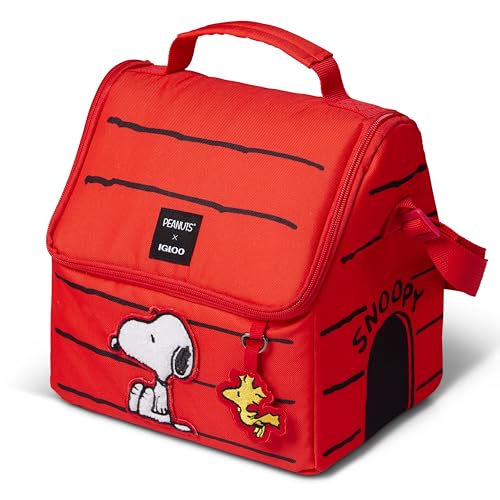
Igloo Peanuts Snoopy Soft Sided Cooler

Fit & Fresh Cool Coolers Lunch Ice Packs 4pk

ThisWear Slim Can Coolers 12-Pack Black

EchoSmile Rotomolded Cooler 25-75 Quart

BODEGACOOLER 12 Cu.Ft 3-Door Bar Cooler

BODEGACOOLER 9 Cu.Ft Glass Door Beverage Fridge
The Strengths Of Each Pick
Tabletop entertaining has its own definition of “big enough,” and this YETI bucket fits right into that world. Built from 18/8 stainless steel, the body shrugs off fingerprints better than most barware and cleans up easily in a dishwasher at the end of the night.
Capacity here means six longneck bottles standing upright or three standard wine bottles laid on their sides, which covers a small gathering without constant refills. The included lid keeps ice from melting on a sunny afternoon, and the whole unit nests inside itself once the lid comes off, so storage between events stays painless.
Benefits That Matter
- Kitchen-grade stainless construction resists rust and pitting from regular ice exposure.
- Dishwasher-safe interior cuts cleanup time after a party.
- Six-longneck capacity comfortably serves a small group without constant ice top-offs.
- Stackable, lid-on design tucks neatly inside a cabinet or pantry between uses.
- Versatile shape accepts both wine bottles and standard longnecks for mixed drink menus.
Things To Consider
- Holds far less than a full-size patio cooler, so larger gatherings will need backup.
- Stainless exterior shows water spots if you skip drying after each cycle.
Quick Facts
Made For
Hosts who run patio dinners, dinner parties, or cocktail nights where a small but reliable ice presentation matters.
Consider Something Else When
You need tailgate-level volume; the EchoSmile Rotomolded Cooler handles full-day outdoor hauling far better.
The Igloo Peanuts Snoopy soft-sided design is built for movement. Unlike the rigid YETI bucket, this one folds flat once you empty it, so it disappears into a closet or trunk when the day ends.
The main zippered compartment reportedly holds around 16 cans, which fits a small family picnic or a long afternoon at the park. A foam-insulated liner is what keeps drinks cold, while a leak-resistant inner lining simplifies cleanup when the ice finally melts. You can carry it over a shoulder or grab the top handle, depending on the load.
The Value In It
- Lightweight soft construction is easier to carry than a hard cooler of comparable size.
- 16-can capacity handles a typical family outing without overflow.
- Adjustable shoulder strap frees up your hands on longer walks to the picnic spot.
- Zipper-top opening makes grabbing a drink faster than lid-lifting a rigid cooler.
- Folds flat for off-season storage in tight closets.
Worth Noting
- Foam insulation holds chill for hours, not days, so longer trips need backup ice.
- Soft-sided construction can flex under heavy loads, so packing matters.
- Printed graphics may wear at high-friction corners over years of use.
Right Fit For
Families packing a park lunch or a beach afternoon where carrying comfort beats raw ice retention.
Reach For A Different Pick When
You want a multi-day tailgate rig; the EchoSmile Rotomolded Cooler is built for that workload.
This set of four slim ice packs is the side ingredient that makes almost any cooler work harder. Each panel measures roughly 4.75 by 3.15 inches and only a quarter inch thick, which is the difference-maker when you are packing a narrow lunch box.
Stack them flat against a sandwich container, slide one along the side of a water bottle, or layer two at the bottom of a soft cooler for extra chill. Compared to bulky reusable ice packs, the slim shape gives you far more layout flexibility.
Good Reasons To Consider
- Slim quarter-inch profile slides into lunch bags without crushing food.
- Four-pack format means you can keep a pair in the freezer as backup.
- Compact 4.75″ x 3.15″ footprint fits standard lunch compartments cleanly.
- Reusable design replaces disposable ice packs over time.
Honest Caveats
- These are ice packs, not a cooler; you pair them with a bag.
- Smaller surface area means shorter chill times than block-style packs.
- Plastics can show wear or slow leaks after years of freeze-thaw cycles.
Feature Snapshot
Best Suited To
Parents and office commuters who want reliable, slim chilling for a packed lunch without ice-melt mess.
Look Elsewhere When
You need a primary cooler for a group; the Igloo Peanuts Snoopy Soft Sided Cooler is a better main bag for several people.
A twelve-pack of slim can insulators is a different kind of “big,” and it matters in its own context. Each sleeve fits a standard 12-oz slim can or a 16-oz slim bottle, so a backyard gathering becomes much easier to manage.
The polyfoam material, around an eighth-inch thick, does the actual insulating work. Designs print across the full sleeve in two-sided sublimation, and the sleeves are machine washable, which is a real perk when condensation or sticky drinks leave residue on the foam. They also fold flat for storage in a kitchen drawer.
Real Benefits
- Twelve-pack covers a typical party crowd with sleeves for everyone.
- Fits both 12 oz and 16 oz slim cans for drink variety.
- Folds flat when not in use, saving drawer space.
- Machine-washable material handles sticky drink residue without fuss.
Points To Keep In Mind
- Thin polyfoam insulates, but does not actively chill; cans still need pre-cooling.
- Printed graphics may fade after many wash cycles.
- Won’t fit standard 12-oz cans, only slim profiles.
Feature Card
Who Should Grab It
Hosts running backyard parties, bachelorette weekends, or any group event where matching slim sleeves beat mismatched koozies.
Where Another Pick Suits Better
You want a single vessel for keeping many drinks cold at once; the EchoSmile Rotomolded Cooler does the central-job job.
For real outdoor hauling, a rotomolded cooler is in a different weight class entirely. The EchoSmile comes in six sizes from 25 quarts to 75 quart, which means you can scale capacity to your trip rather than oversizing for a single use.
The rotomolded shell, where plastic is rotationally molded into a single seamless body, is what gives this cooler its durability. A polyurethane insulation core holds internal temperatures for multi-day use, and a sealed lid design supports ice retention that softer coolers cannot match. For a long weekend at a lake house or a multi-day tailgate, this is the kind of gear that earns its keep.
Notable Upsides
- Six size options from 25 to 75 quarts let you right-size the cooler to your trip.
- Rotomolded construction resists dents and cracking on rough roads.
- Polyurethane insulation extends ice retention across multiple days.
- Sealed lid design improves ice life in direct sun on the tailgate.
Trade-Offs
- Heavier than soft-sided coolers, especially at the 60- and 75-quart sizes.
- Premium construction sits at a higher price point than basic coolers.
- Larger sizes take up significant truck bed space when full.
Quick Facts
Built With In Mind
Campers, hunters, and tailgaters who need genuine multi-day ice performance and aren’t worried about the extra weight.
Swap It Out When
You just need a tabletop presentation; the YETI Beverage/Ice Bucket covers entertaining with far less bulk.
Stepping into commercial-grade territory changes the whole definition of “big.” The BODEGACOOLER 12 cubic foot triple-door beverage fridge is built for bars, restaurants, and venues where drinks need to stay consistently cold and visibly presented.
Three glass doors let you sort beers, seltzers, and mixers separately, while interior LED lighting shows off the display. The unit runs on a temperature range of roughly 32 to 50 degrees Fahrenheit, which covers most beverage storage needs. Casters on the bottom make repositioning easier in tight back-bar layouts, and the stainless steel countertop doubles as a workspace.
What It Does Well
- 12 cu.ft interior holds a significant stock of cans and bottles for busy service.
- Three glass doors allow organized separation of drink types for browsing customers.
- Interior LED lighting improves product visibility in dim bar lighting.
- Castors support repositioning during cleaning or layout changes.
Possible Compromises
- Counter-height footprint requires dedicated placement rather than casual home use.
- Commercial build assumes stable power and proper ventilation in the install location.
- Glass doors need regular cleaning in high-traffic environments.
Perfect Match For
Small bars, event venues, or serious home bar owners with the space and power setup for a commercial unit.
Not Your Match When
You only need occasional drink chilling; the YETI Beverage/Ice Bucket is far simpler for casual entertaining.
The 9 cubic foot sibling of the larger triple-door unit keeps a similar feature set in a more approachable size. The glass front door is what turns the fridge into a display piece, and the four adjustable shelves with multiple slot positions let you reshape the interior as inventory shifts.
Reported capacity reaches up to 234 standard cans, which makes it useful for office break rooms, cafes, or a well-stocked home bar. Unlike the triple-door model above, the single door takes up less wall space and suits narrower back-bar layouts.
What Helps Most
- Adjustable shelves reshape the interior for cans, bottles, or mixed inventory.
- Single glass door makes contents visible without opening, which cuts temperature swings.
- Rapid cooling design brings new stock down to temperature faster.
- Quiet operation suits office and home bar environments.
Room For Improvement
- Single door means longer reach times when drinks sit at the back.
- Glass door shows fingerprints in busy spaces.
- Still requires dedicated outlet and ventilation clearance.
Feature Overview
Whose Shelf It Belongs On
Cafes, office break rooms, and home bars that want display presentation in a smaller footprint than the triple-door model.
A Better Fit Elsewhere
You need to sort three drink types behind separate doors; the BODEGACOOLER 12 Cu.Ft 3-Door Bar Cooler handles that workflow better.
What Matters Most Before Choosing Biggest Ice Coolers
Capacity is the obvious starting point, but how you measure capacity matters just as much. A 75-quart rotomolded cooler holds raw volume; a 9 cu.ft beverage fridge holds organized, on-demand volume; and a tabletop ice bucket holds presentation volume. Match the format to the use case first, then size up.
Insulation and ice retention are the next axis. Rotomolded coolers with polyurethane cores run multi-day ice life under typical conditions. Foam-insulated soft coolers run hours. Beverage fridges run indefinitely as long as power holds. Choosing between them is really about how long you need things cold and whether power is available.
Mobility and storage round out the decision. Soft-sided coolers and small tabletop buckets fold or nest into tight closets; commercial fridges and large rotomolded coolers want a permanent spot with ventilation and clearance. Honest read: the biggest mistake is buying for maximum spec rather than the format that fits how you actually use it.
Common Shopping Slip Ups To Avoid
Buying too big is the trap most first-timers fall into. That 75-quart cooler sounds impressive until it sits empty in a garage for ninety percent of the year. Right-sizing the cooler to your typical trip length avoids the storage and weight penalty of oversized gear.
Another common slip is ignoring power and ventilation requirements for beverage fridges. Commercial units need stable power, breathing room behind the coils, and proper leveling for compressor health. Skip the install planning, and you risk noise, overheating, or shortened component life.
What The Higher Tier Buys
The upgrade from a basic foam cooler to a rotomolded shell is mostly about durability and ice retention. Thicker walls and tighter seals mean fewer ice runs on multi-day trips, which compounds in real time on a long weekend. For casual day use, the basic tier handles the job; for serious outdoor use, the higher tier earns its keep.
The jump from a residential beverage fridge to a commercial display unit pays for itself when presentation matters to revenue. Glass doors, LED interior lighting, and high-closed shelving all improve how customers browse your stock, and that visibility tends to lift turnover in busy environments.
Frequently Asked Questions
How Big Should An Ice Cooler Be For A Weekend Trip?
A 40 to 60 quart cooler typically covers a small family for two to three days with smart ice management. Larger groups or longer trips usually justify stepping up to 60 or 75 quarts.
Do Rotomolded Coolers Really Hold Ice Longer?
Rotomolded coolers with polyurethane insulation generally outperform foam-insulated soft coolers by a wide margin on ice retention. The thicker walls and tighter seals reduce melt rates across multi-day windows.
Can A Beverage Fridge Replace A Traditional Cooler?
Beverage fridges and traditional coolers serve different jobs. Fridges are best when you have stable power and want organized, on-demand access; coolers are best for off-grid days where portability and ice retention matter.
Are Soft-Sided Coolers Durable Enough For Regular Use?
Soft-sided coolers with foam insulation handle daily picnics and park trips comfortably. Heavy hauling or rough terrain usually calls for a rigid shell, but for casual use, soft-sided construction holds up well.
What Maintenance Does A Commercial Beverage Fridge Need?
Plan for regular coil cleaning, gasket inspection, and proper ventilation clearance. Annual deep cleaning of the interior and door seals helps the compressor and extends service life in busy environments.
Bottom Line
The biggest ice cooler is the one that matches your use case without overbuilding. A tabletop bucket earns its place at small gatherings, a rotomolded cooler wins on multi-day outdoor trips, and a commercial beverage fridge reshapes how a bar or office serves drinks day after day. Picking the format that fits your routine will serve you better than chasing raw capacity alone.