
Choosing a big tent feels simple until you start measuring doorways, counting guests, and picturing a sudden rainstorm. Whether you’re hosting a backyard reception, organizing a vendor fair, or loading gear for a multi-day trek, the right shelter shapes the whole day. This guide walks through nine tents built for very different versions of “big,” from ultralight backpacking shelters to commercial event canopies. Each pick below is matched to a specific scenario so you can skip the guesswork and move straight to the option that fits your plans, your crew, and your patch of ground.
The Leading Options At A Glance

Big Agnes Copper Spur HV Ultralight Backpacking Tent

PHI VILLA Party Tent 20x40ft Heavy Duty

PHI VILLA 20x40ft Commercial Event Canopy

PHI VILLA Party Tent 16x32ft Heavy Duty

Big Agnes Tents Copper Spur
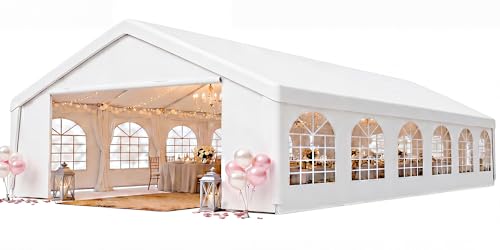
Aoxun 20×40 Party Tent Heavy-Duty Canopy

PHI VILLA Party Tent 16x20ft Heavy Duty

PHI VILLA Party Tent 16x32ft Heavy Duty
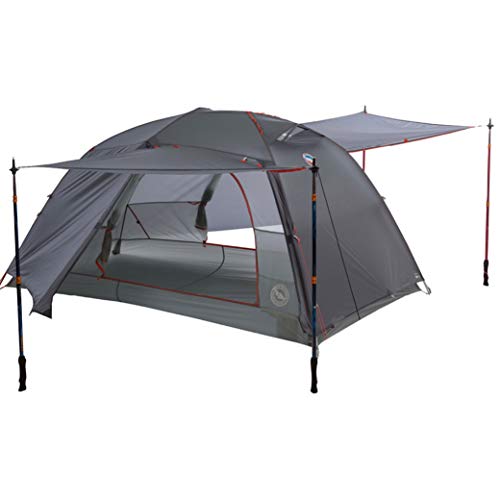
Big Agnes Copper Spur HV Ultralight Bikepack
More Details On Our Top Picks
The Copper Spur HV earns the top spot on this list by rethinking what “ultralight” actually means in the backcountry. Big Agnes built the High-Volume architecture (a pole geometry that pushes walls more vertical, expanding interior room without adding weight) around steeper walls and a hub-and-pole structure that opens up the floor plan. The result feels closer to a small basecamp tent than a cramped two-person shelter.
Backpackers splitting the weight between two packs, or solo travelers chasing a touch more space, will appreciate how the geometry adds usable square inches for sleeping pads, packs, and boots. The single-door, single-vestibule layout is the main compromise: it works fine for one person, but two campers will need to coordinate entries. A quick-stash door keeper on the tent body lets you roll the door open without fumbling with toggles.
Strengths Worth Knowing
- High-volume hub geometry creates near-vertical walls, giving two sleepers real elbow room
- Single-door design means fewer zippers and fewer points of failure over the life of the tent
- Two-tone mesh ceiling supports privacy and stargazing depending on how you set the fly
- Storm-flap-protected vestibule zipper keeps driving rain out of the covered storage area
- Freestanding structure lets you reposition the pitch without disassembling the poles
Points To Keep In Mind
- One door and one vestibule ask for coordination between two campers entering or exiting
- Polyester construction handles sun exposure better than long-term UV abuse in alpine settings
Who It Suits Best
Backpackers tackling multi-day routes who want genuine two-person livability without crossing into three-pound-plus tent territory.
Where Another Pick Suits Better
For bicycle tourers juggling handlebar loads and panniers, the Big Agnes Copper Spur HV Ultralight Bikepack offers a two-door, two-vestibule layout that fits how you actually enter camp on two wheels.
This 20×40 party tent from PHI VILLA fills the gap between backyard pop-ups and full commercial rentals. Eight hundred square feet of covered space swallows dance floors, buffet tables, and a string band with room to spare. Unlike smaller canopies that feel cramped after the cake is cut, this one holds a real reception.
The standout design choice is the removable sidewall panels, each fitted with zipper doors that let you pull them off independently. Hot summer afternoons turn manageable when you can pop off three or four panels for cross-breeze. Wedding planners running tight timelines will appreciate how quickly a small crew can adjust the airflow without dismantling the whole frame.
Advantages To Know
- 800 square feet accommodates 60 to 80 seated guests depending on table layout
- Each sidewall removes on its own, letting you create open-air sections mid-event
- Zipper door panels double as access points, so catering can stage from a back corner
- Heavy-duty frame supports full coverage through spring and summer event seasons
Worth Noting
- Staking and assembly realistically require four adults on a calm morning
- Storage between events demands a dry, critter-free space to keep fabric from mildew
Built With In Mind
Event hosts running weddings, anniversaries, or milestone birthdays who need real square footage and want flexible airflow control throughout the day.
A Better Fit Elsewhere
For hosts planning a smaller backyard gathering with under 50 guests, the PHI VILLA Party Tent 16x20ft Heavy Duty offers the same removable-wall approach in a footprint that fits tighter lawns.
The commercial sibling to PHI VILLA’s party tent trades event styling for raw interior volume. At roughly 19.7 by 39.4 feet with a 10-foot center height, this canopy is tall enough for anyone over six feet two to walk upright down the middle. That headroom changes how you use the space, opening it up for vehicles, equipment staging, or vendor setups where standing comfort matters.
Two door positions make the layout work for working use. A wide 14.8-foot front door swallows ATVs, motorcycles, and small equipment, while a smaller 6.2-foot back door handles foot entries and quick access without exposing the whole interior. Compare that to single-door commercial canopies, and you get genuine two-way traffic flow.
Everyday Advantages
- 10-foot center height accommodates adult standing and tall equipment without ducking
- Front roll-up door opens wide enough for ATVs and small utility vehicles
- Rear door creates a separate entry point for foot traffic and quick jobs
- 6.6-foot wall height adds usable vertical space along the sides
Trade Offs
- Commercial footprint demands a level pad and significant staking room on all sides
- Not styled for weddings; bare canopy aesthetic suits storage and work uses more than celebrations
Made For
Homeowners with motorcycle or ATV fleets, small workshop operators, and event vendors staging equipment who need sheltered square footage with drive-in access.
Reach For A Different Pick When
For a wedding reception where guests outnumber equipment, the PHI VILLA Party Tent 20x40ft Heavy Duty delivers the same dimensions with removable sidewall panels designed for social events.
Stepping down from a 20×40, this 16×32 PHI VILLA model lands in the sweet spot for medium-size weddings and corporate gatherings. About 512 square feet of covered footprint handles 40 to 60 seated guests comfortably, leaving room for a dance floor or buffet without forcing guests to squeeze past each other.
What makes this tent work across seasons is the four-season general-purpose design language. Removable sidewalls and zipper entry panels let you open the space up for summer cross-breeze or seal it tight against spring winds. The frame and cover are built for year-round hosting in mild climates, which means you’re not storing the tent for half the calendar.
Everyday Perks
- 512 square feet handles mid-size wedding receptions without crowding the dance floor
- Four-season frame supports spring and fall events in mild-climate regions
- Removable walls and doors configure for open-air or fully enclosed setups
- Footprint fits on most suburban backyards with room for guest parking
Honest Caveats
- Setup benefits from a second pair of hands; solo hosts find the frame slow going
- Fabric care matters: damp storage commonly leads to mildew along seams over time
The Right Fit
Mid-size wedding hosts and event planners running quarterly gatherings who need a tent that adapts to spring, summer, and fall conditions.
Swap It Out When
For gatherings under 40 people where lawn space is limited, the PHI VILLA Party Tent 16x20ft Heavy Duty covers the same architectural approach in a tighter 320-square-foot footprint.
The standard Copper Spur takes the high-volume pole architecture that defined the HV line and scales it into a roomier three-person layout. Steeper walls mean two sleepers sit up without bumping elbows, and a third camper fits comfortably for shorter trips without forcing gear onto the floor.
Compared to the two-person Copper Spur HV, this version trades a touch of trail weight for genuine three-season livability. Big Agnes designed it for backpackers carrying group gear or paddlers on multi-day river trips who want standing-up room inside the tent. The polyester construction and full-coverage fly handle weather exposure well, though the trade-off is pack weight relative to Dyneema (an ultra-high-strength, low-stretch fiber often used in premium ultralight gear) competitors.
The Helpful Details
- Three-person floor plan adapts well to two adults plus a dog, or a pair of adults with gear
- Steep-wall geometry creates usable sitting headroom across the full width of the tent
- Full-coverage fly shields mesh panels from direct rain in shoulder-season storms
- Multiple interior pockets keep headlamps, books, and small items off the floor
Small Caveats
- Heavier than dedicated two-person ultralight shelters on long-distance routes
- Single-door layout can frustrate two campers entering and exiting at different times
Feature Snapshot
Whose Shelf It Belongs On
Backpackers and paddlers running three-season routes where two adults want real living space and the option of a third sleeper for shorter trips.
Consider Something Else When
For solo thru-hikers chasing every ounce, the Big Agnes Copper Spur HV Ultralight Backpacking Tent keeps the same pole architecture in a lighter two-person package built for shorter loads.
Aoxun’s 20×40 canopy leans hard into weather protection, which matters more for outdoor weddings than for indoor receptions. The top cover carries a UPF 30+ rating (UPF stands for Ultraviolet Protection Factor, a measure of how much UV radiation the fabric blocks) and 500ml water pressure resistance, meaning it sheds rain rather than pooling it. The steel frame and full-coverage sidewalls handle wind, dust, and light showers without leaking guests’ patience.
The tall peaked ceiling sets this canopy apart from flat-top competitors. Guests don’t bump heads walking across the dance floor, and air circulates more freely even with all walls attached. For hosts planning ceremonies in late afternoon sun, the UPF-rated cover cuts glare and shade-related discomfort without darkening the interior.
Standout Benefits
- UPF 30+ top cover reduces direct sun exposure during afternoon ceremonies
- 500ml water pressure rating sheds moderate rain without pooling on the roof
- Tall peaked ceiling creates airy headroom across the entire 800-square-foot footprint
- Full-coverage sidewalls seal off wind and dust when conditions turn rough
Things To Consider
- Steel frame adds weight; transportation typically requires a truck or trailer
- Anchor staking demands serious commitment on grass or soft ground in windy conditions
Who Should Grab It
Hosts planning all-weather receptions in regions with strong afternoon sun or unpredictable rain, where fabric ratings translate directly to guest comfort.
Look Elsewhere When
For purely summer parties where airflow matters more than sun rating, the PHI VILLA Party Tent 20x40ft Heavy Duty offers more flexible wall removal for cross-breeze.
The smallest tent on this list still earns its place for hosts working with tight lawns or modest guest lists. At 16×20, the footprint delivers 320 square feet, which suits gatherings in the 25 to 40 guest range. Birthday milestones, retirement dinners, and small wedding receptions all fit comfortably without forcing guests into single-file traffic patterns.
The removable sidewall design carries over from the larger PHI VILLA tents, including the independently removable panels and zipper doors. Smaller hosts get the same flexibility, just in a package that fits a typical suburban backyard without dominating the entire lawn. Compared to the 16×32 sibling, this one saves setup time and footprint without sacrificing wall-removal versatility.
What Earns Its Place
- 320 square feet handles 25 to 40 seated guests across two or three tables
- Independent wall removal creates partial-open layouts for shaded plus sun-exposed zones
- Compact footprint fits backyards that would feel cramped with a 20-foot tent
- Faster setup time compared to larger PHI VILLA canopies on the same crew
Possible Compromises
- Limited interior space excludes live bands and large dance floors
- Tight quarters during hot weather, since fewer walls mean less shade depth
Perfect Match For
Suburban hosts running milestone birthdays, anniversaries, and small receptions where the lawn size dictates the tent footprint more than the guest count.
Not Your Match When
For wedding ceremonies with 60 or more guests or full dance-floor setups, the PHI VILLA Party Tent 16x32ft Heavy Duty offers the same wall-removal system in a roomier footprint.
Sharing its footprint with the wedding-focused 16×32, this PHI VILLA tent delivers the same 512-square-foot interior at a budget-conscious price point. Hosts prioritizing tent capacity over premium aesthetics find a workable middle ground. The frame and fabric construction match the brand’s other heavy-duty canopies, with removable panels that adapt the setup throughout the day.
Compared to the larger 20×40 canopies, this tent cuts setup time roughly in half and asks for less staging space. Hosts handling their own setup rather than hiring a crew find that time savings adds up. The trade-off is reduced ceiling height and less interior volume for very large receptions, but for 40 to 60 seated guests, the math works.
The Value In It
- Lower entry cost compared to larger PHI VILLA canopies of similar build quality
- Removable wall panels handle mid-event weather shifts without major rework
- 512 square feet suits 40 to 60 seated guests across typical table arrangements
- Frame and fabric construction matches the brand’s premium event tents
Where It Is Less Suited
- Not the roomiest in the lineup for receptions with live entertainment
- Basic finish lacks the trim details of higher-tier event canopies
Best Suited To
Hosts working with tighter event budgets who still want heavy-duty construction, removable walls, and enough capacity for a mid-size gathering.
Skip It When
For wedding receptions where ceiling height and premium aesthetics matter as much as capacity, the PHI VILLA Party Tent 20x40ft Heavy Duty delivers a more polished event profile.
The bikepack-specific Copper Spur answers a question long-distance cyclists ask constantly: how do you sleep comfortably when your tent has to clear handlebars and panniers? Two doors and two vestibules solve the entry problem first, letting you walk in without climbing over your riding partner or your gear.
Compared to the standard Copper Spur HV, this version adds bike-friendly hardware like the TipLok Tent Buckle (a buckle that secures the pole tip, attaches the fly, and tension the guy line in a single motion) that combines pole-tip capture, fly attachment, and guy-line tensioning into one motion. Setup at dusk after a long ride matters when you’re tired, and shaving steps off the pitch keeps things simple.
A Strong Showing
- Two-door, two-vestibule layout separates sleepers and gear staging areas
- TipLok buckle simplifies setup when arriving at camp after dark
- Proprietary corner construction speeds the pitch without sacrificing structure
- Ultralight build keeps total pack weight reasonable on multi-day routes
Points To Note
- Specialized hardware can be harder to replace on remote routes than standard clips
- Premium build carries a price tag above basic two-person bikepack tents
Who Will Love This
Bicycle tourists and bikepackers running multi-day routes where sleeping comfort and quick setup matter as much as low pack weight.
Another Choice May Suit
For backpackers prioritizing minimal trail weight over entry convenience, the Big Agnes Copper Spur HV Ultralight Backpacking Tent keeps the same pole geometry in a lighter, single-door package.
What Matters Most Before Choosing Big Tents
Big tents split into two camps: backpacking shelters designed to disappear in your pack, and event canopies built to dominate your yard. Knowing which camp you live in is the first filter. Backpackers chase materials, pole architecture, and packed weight. Event hosts chase square footage, weather ratings, and setup logistics. Trying to evaluate both with the same yardstick leads to frustrating purchases.
Footprint matters more than most people realize. A 20×40 canopy sounds enormous until you measure your lawn and remember the guest parking, buffet table, and dance floor all need their own zones. For backpacking tents, footprint translates to where you can actually pitch, and the high-volume designs make a small footprint feel roomier than the dimensions suggest.
Weather protection shows up differently in each camp. Backpackers want a tent that sheds rain without pooling and holds up in wind without flexing the poles. Event hosts want a cover that blocks UV, sheds moderate rain, and keeps sidewalls sealed when weather shifts mid-party. Match the rating to your climate, not your worst-case fantasy.
Setup reality matters too. The number of people you need to raise the frame, the time it takes, and how it breaks down for storage all affect whether you actually use the tent you buy. A canopy that takes four adults half a day to set up isn’t useful for casual hosts, regardless of how good it looks in photos.
Key Considerations Across These Picks
Mistakes Worth Dodging
The most frequent misstep in this category is buying a tent for a guest count you’ve never hosted. Pick capacity based on real numbers from your last event, not the maximum a sales page suggests. Crowding ruins the atmosphere faster than any other variable. The second common mistake is underestimating anchoring. Event canopies without proper staking can shift in moderate wind, and lightweight backpacking tents without proper guying can flex poles in real gusts. Both situations end with damaged gear and disappointed users.
Where The Extra Money Goes
Higher-tier models in this category typically deliver three upgrades: stronger pole materials, better fabric treatments, and more refined hardware. Backpacking tents gain lighter, stronger fabrics and easier-setup hardware like the TipLok system. Event canopies gain reinforced frames, better UV protection, and removable panels with cleaner zippers. The upgrade makes sense for frequent hosts and serious backpackers, while casual users often find mid-tier options deliver enough performance for the few events or trips they actually plan.
Frequently Asked Questions
How many guests fit comfortably in a 20×40 party tent?
A 20×40 tent typically seats 60 to 80 guests depending on table layout, with room for a dance floor and buffet. Standing receptions fit more, but seated events need the extra space for chairs and traffic flow between tables.
What is high-volume pole architecture?
High-volume architecture uses a hub-and-pole geometry that pushes tent walls more vertical than traditional designs. The walls open up usable floor space without changing the footprint, giving sleepers more elbow room at a minor weight cost.
Can event tents handle heavy rain?
Most heavy-duty canopies shed moderate rain thanks to coated covers and sealed seams, but sustained downpours can overwhelm any party tent. Sidewall sealing helps, and proper guying and staking keep the frame stable in wind-driven rain.
How long does a backpacking tent last?
Three-season tents typically last five to ten years of regular use, depending on UV care, storage conditions, and storm exposure. Keeping the tent dry before storage and limiting direct sun exposure both extend the life of polyester and coated fabrics.
Do I need to anchor an event canopy?
Yes, all event canopies require anchoring. Stakes work on grass, while weights or concrete blocks suit pavement. Unanchored canopies catch wind and can become dangerous, especially on hard surfaces where stakes aren’t an option.
Closing Thoughts
The right big tent depends almost entirely on where you plan to set it up, who you’re sheltering, and how often you’ll actually use it. Backpackers will find their answer in the Copper Spur line, and hosts planning outdoor events will find theirs among the PHI VILLA and Aoxun canopies. Pick the one that matches your real scenario, and you’ll spend less time worrying about your tent and more time enjoying what’s underneath it.