
A big tent changes the whole rhythm of a family trip. Instead of cramming pads and gear into a cramped backpacking shelter, you walk in standing up, sort sleeping bags while rain taps the fly, and the kids argue over the divider curtain. The right shelter holds weather, fits your crew, and goes up without a tantrum. This shortlist focuses on family-scale and group-scale tents that balance living space, weather protection, and packable weight for car campers, base campers, and bikepackers who need room.
The Shortlist At A Glance
CORE Instant Cabin Tents Family Cabin Multi Room Pop Up Tents Car Camping

Big Agnes Copper Spur HighVolume Ultralight Backpacking Tent
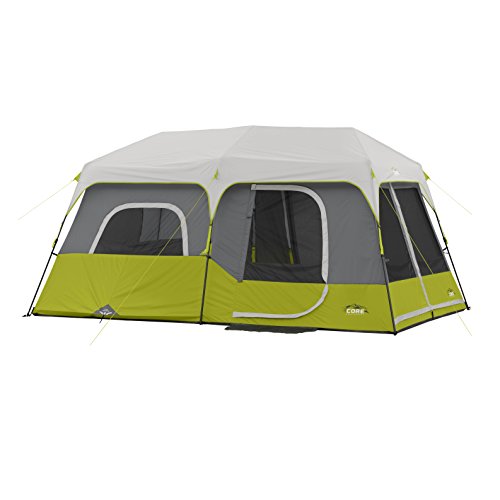
CORE 9 Person Instant Cabin Tent 14′ x 9′ Green
KTT Extra Large Tent 8-10-12-14 Person (Style A)
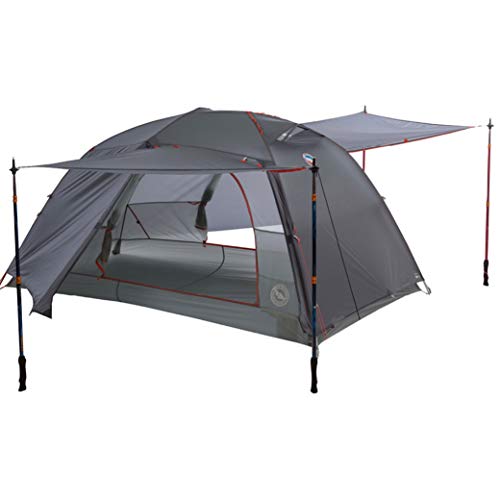
Big Agnes Copper Spur HV Ultra Light Bikepack
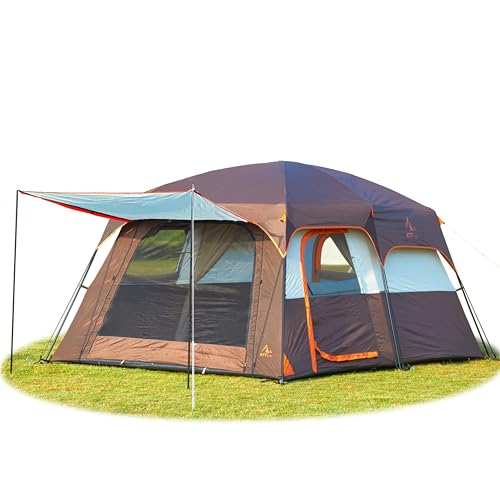
KTT Extra Large Tent 10-12-14 Person (Style B)

CORE 4 Person Instant Cabin Tent Camping Set
More On The Choices That Made The List
This CORE cabin leans into the “instant” promise: pre-attached poles that lock into place so you skip the parts-sorting stage entirely. For parents rolling into a campground after a long drive, that speed is the whole point. Built for family car camping, the multi-room layout uses an internal divider to give kids and adults their own corners without forcing anyone into a separate tent.
Storage pockets along the walls keep headlamps, phones, and small camp tools within reach, which matters more than it sounds on a rainy morning. Compared with the ultralight Big Agnes options later on this list, this CORE trades pack weight for living space and cabin-style vertical walls. You give up trail-friendly portability and gain somewhere you can actually stand up to change a diaper.
The Practical Payoff
- Pop-up design cuts setup down to minutes, useful after sunset arrivals.
- Divider curtain creates genuine privacy between sleeping areas.
- Vertical cabin walls maximize usable floor space for cots and gear bins.
- Built-in storage pockets reduce clutter around sleeping pads.
- Family-scale footprint swallows coolers, backpacks, and a dog crate.
Honest Caveats
- Bulkier packed size makes it impractical for backpacking or motorcycle trips.
- Cabin-style frames catch wind more than low-profile dome designs, so staking matters in gusty sites.
- Owners commonly report the fabric needs re-tensioning after the first heavy rainstorm.
Right Fit For
Families driving to a developed campground who want standing-headroom living space and a setup that doesn’t eat the whole evening.
Reach For A Different Pick When
Backpackers splitting weight across miles should look at the Big Agnes Copper Spur HighVolume Ultralight Backpacking Tent, which keeps livable space while cutting serious pack weight.
The Copper Spur HV is Big Agnes’s answer to a real backpacker complaint: ultralight tents usually feel like coffin pods. The high-volume pole architecture pushes the walls steeper, which sounds like a marketing line until you sit up inside and realize your elbows aren’t touching nylon. Two-tone mesh adds privacy without killing the star-gazing appeal on clear nights.
Storm flaps on the vestibule zipper and a quick-stash door pocket show that the brand thought about how people actually use the shelter in weather. Compared with the roomy CORE cabin at #1, this tent is the minimalist sibling: same livability ambition, far less weight, far smaller footprint when packed.
What Works In Its Favor
- Steep walls create genuine interior space in a backpacking-weight package.
- Two-tone mesh balances airflow with overnight privacy.
- Vestibule storm flaps protect zippers in sideways rain.
- Available in 2-person and 3-person versions for solo or duo trips.
Points To Keep In Mind
- Single-door, single-vestibule layout gets awkward for two occupants sharing gear.
- Ultralight fabrics demand careful handling around rocks and pine branches.
- Price premium is real compared with car-camping cabin designs.
Key Specs
Built With In Mind
Thru-hikers and weekend backpackers who refuse to crawl into a tiny shelter but still count every pack ounce.
Look Elsewhere When
Car campers hauling coolers and kids should skip this and consider the KTT Extra Large Tent 8-10-12-14 Person (Style A), which trades pack weight for roomy two-room living.
This is the shelter that turns a rainy Saturday into a campsite living room rather than a misery contest. The instant pop-up frame has the poles pre-attached, so setup claims to run about two minutes once you wrestle the bag out. With a 14 by 9 foot footprint and a 78-inch center height, two queen air beds fit side by side and most adults can stand up straight inside.
CORE rates the capacity at “up to nine without gear” or four people comfortably with gear, which lines up with the way families actually pack. Compared with the multi-room CORE cabin at #1, this one is a single open space, so you lose privacy but gain easier gear sorting and the ability to spread out.
Everyday Wins
- Standing-height ceiling means adults walk in without ducking.
- Two queen air beds fit with room for duffel bags between them.
- Pre-attached frame collapses the setup process to a couple of minutes.
- Single-room layout simplifies kid-wrangling during morning breakfast.
Some Limits To Know
- No internal divider means everyone shares one bright space at sunrise.
- Larger packed size demands a roomy trunk or truck bed for transport.
- Wind performance lags low-profile dome designs in exposed sites.
Feature Snapshot
Whose Shelf It Belongs On
Group car campers, scout troops, and multi-family trips who want one large shared shelter rather than a divided layout.
Swap It Out When
Privacy between adults and kids matters more than open living space, in which case the KTT Extra Large Tent 10-12-14 Person (Style B) offers a divider curtain.
The KTT Style A treats a family tent like a base camp command center. The interior runs roughly 12.5 by 8.5 feet with a 6.2-foot ceiling, so four full air mattresses line up without crowding. A separation curtain splits the space into two rooms, three mesh doors keep airflow moving, and three windows prevent the cave feeling that plagues big family tents.
Straight walls maximize the rectangle, which means fewer awkward gaps between mattress and tent edge. Compared with the CORE 9 Person at #3, this KTT adds the privacy curtain and a more structured room layout, but requires a longer, more deliberate setup than instant-cabin designs.
The Upside
- Two-room divider gives parents and kids separate sleep zones.
- Three mesh doors and windows prevent stale, humid mornings.
- Straight-wall geometry fits standard rectangular air mattresses cleanly.
- Eight top corner hooks and a middle hook add lantern and gear hanging points.
Trade Offs
- Manual pole setup takes longer than instant-cabin competitors.
- Larger packed footprint demands SUV or truck-bed transport.
- Two-room layout leaves a narrower central corridor when divider is in use.
Best Suited To
Multi-family base camps, reunions, and picnic-style weekends where two-room privacy and serious square footage both matter.
A Better Fit Elsewhere
Solo travelers and lightweight packers should consider the Big Agnes Copper Spur HV Ultra Light Bikepack instead, which trades space for trail-friendly weight.
This is the Copper Spur HV tuned for two-wheeled adventures rather than backpack hauls. Two doors and two vestibules matter when your bike is your tent mate, because each occupant gets their own entry without climbing over gear. Bike-friendly features throughout the body and pole structure reduce the awkwardness of stuffing a frame bag into a shelter.
Big Agnes also simplified setup with proprietary corner construction and a TipLok buckle that combines multiple functions, which translates to fewer fiddly steps at the end of a long ride. Compared with the standard Copper Spur HV at #2, this Bikepack version is the same ultralight DNA with bikepacking-specific touches.
Practical Pluses
- Two-door, two-vestibule layout suits two riders sharing camp.
- Bike-friendly features throughout body and poles.
- Simplified setup with TipLok buckle and corner construction.
- Ultralight weight keeps it bikepacking-packable.
Worth Noting
- Premium materials and bikepack-specific design raise the cost.
- Interior space stays ultralight-tight for two adults plus gear.
Quick Facts
Perfect Match For
Gravel riders, route builders, and tour cyclists who want a real tent at the end of a long day in the saddle.
Where A Sibling Pick Shines
Family campers and base campers will get more usable room from the KTT Extra Large Tent 8-10-12-14 Person (Style A) at #4, which prioritizes square footage over trail weight.
Style B is the sibling to the KTT model at #4, and the differences show up where you actually sleep. The interior stays at the same 12.5 by 8.5 foot footprint with a 6.2-foot ceiling, but the hook count shifts, and the divider setup creates a slightly different feel between rooms. Oxford polyester with mesh panels keeps weight manageable for the size while supporting airflow through three mesh doors and three windows.
PE-coated polyester on the floor shrugs off damp ground in spring or late-fall sites. The included repair patches and buckles acknowledge that big tents take real-world abuse. Compared with Style A at #4, this B variant feels more like a refinement than a redesign, with subtle changes in gear-hanging layout.
Where It Delivers
- Two-room separation curtain supports shared family living.
- Oxford polyester shell resists wear on rougher camp surfaces.
- Three doors and three windows with mesh prevent stagnant air.
- Repair patches and buckles included for trail-side fixes.
Things To Consider
- Manual setup is slower than instant-cabin competitors.
- Two-room corridor can feel tight with both rooms in use.
- Larger packed size means it is car camping only.
Feature Card
Who Should Grab It
Outdoor hosts running family reunions, summer picnics, or weekend base camps where two-room separation plus repair-friendly design adds real value.
Consider Something Else When
Backpackers and bikepackers need something radically lighter, and the Big Agnes Copper Spur HV Ultra Light Bikepack at #5 fits that brief.
This CORE bundle solves a real first-timer problem: you need a tent, chairs, and a table, and you want them to all fit in one bag. The 4-person instant cabin tent pops up in about 60 seconds thanks to pre-attached poles, and the package adds an outdoor table plus two padded quad chairs. For new campers, that single-bag convenience removes a lot of decision fatigue.
Footprint measures 8 by 7 feet with a 54-inch center height, fitting one queen air bed and realistically hosting two campers with gear. Compared with the larger CORE 9 Person at #3, this set is the small-format starter option, and the included furniture does most of the work for newcomers.
Features That Help
- All-in-one bundle covers tent, table, and chairs in one purchase.
- 60-second setup removes the steepest learning curve for first-timers.
- Single carry bag simplifies transport and storage between trips.
- Compact 8 by 7 foot footprint fits smaller drive-in campsites.
Where It Is Less Suited
- Small floor area cramps families with more than two kids.
- 54-inch center height means adults stoop to dress inside.
- Included chairs and table are entry-level rather than premium.
Made For
New family campers, casual weekend trippers, and parents introducing kids to car camping without overbuying gear.
Skip It When
You already own chairs and tables, or your family needs more room, in which case the CORE 9 Person Instant Cabin Tent at #3 offers far more square footage.
What Matters Most Before Choosing Big Tents For Camping
Capacity And Sleeping Layout
Manufacturer capacity numbers look generous on the page, but real-life fit depends on how much gear joins you. A 4-person tent often hosts two adults comfortably with packs, while family-scale shelters like the KTT Style B fit four full air mattresses in actual use. For mixed groups of adults and kids, count on one adult per claimed capacity slot, then subtract one.
Room dividers, like those on the KTT Style A and B, change the way space feels at night. Parents who want their own corner should treat divider tents as a near-necessity. Open-floor designs work better for single families or relaxed friend groups where privacy matters less than spreading out.
Setup Style And Frequency Of Use
Instant cabins win on arrival time, especially after sunset drives. Pre-attached poles turn a 20-minute pitch into a 2-minute one, and that difference compounds across a camping season. Manual pole designs offer better wind performance and lighter packed weight but cost more setup effort.
Seasonal campers who set up once and leave the tent for a month often prefer traditional pole designs for sturdiness. Weekend trippers moving camp every couple of nights benefit more from instant-cabin speed. Bikepackers and backpackers should ignore cabin speed entirely and chase pack weight instead.
Weather Performance And Floor Protection
Coatings, taped seams, and rainfly coverage determine how a tent handles real rain. PE-coated polyester floors shrug off damp ground in spring or fall, and Oxford polyester shells survive rougher brush. Wind exposure matters more than rain in open plains and ridge campsites, where low-profile designs hold ground better than tall cabin walls.
For most developed campgrounds, weather ratings on mainstream family tents are more than adequate. In alpine or coastal environments, seek out storm flaps on zippers and reinforced pole attachments, because gusts find every weakness in a shelter.
Key Considerations Across These Picks
Wrong Turns To Avoid
Capacity inflation trips up a lot of first-time buyers, since “9 person” tents don’t actually fit nine adults with gear. Subtract two to three slots from any rating for realistic family use, and verify the footprint in feet rather than trusting the count. Floor dimensions tell the truth that headcount claims hide.
Another common slip is choosing ultralight shelter design for car camping, where pack weight doesn’t matter but living space does. Backpacking tents feel cramped on a base-camp weekend. Match the architecture to the trip, not the spec sheet.
Why Top Tier Costs More
Premium tents earn their higher price through material upgrades: stronger denier fabric, better zippers, and reinforced seams that survive seasons rather than trips. Bike-specific designs like the Copper Spur HV Bikepack add niche features that cost real engineering money, which is reflected in the sticker.
For most family car campers, mid-tier options deliver the best mix of durability and value. Premium tiers earn their place when weight, weather, or specialized features match a real trip, not just a wish list.
Frequently Asked Questions
How Many People Can A Big Family Tent Realistically Sleep?
Most “X person” ratings assume no gear, so for a comfortable family fit, count on one adult per claimed slot and lose two. A 9-person shelter like the CORE 9 Person typically hosts four with full gear.
Are Instant Cabin Tents Worth It For Weekend Campers?
For weekend car campers setting up after dark or with kids underfoot, instant cabins are a huge quality-of-life upgrade. Backpackers and bikepackers should skip them and chase lighter weight instead.
What Makes A Big Tent Hold Up In Rain?
Taped seams, a full-coverage rainfly, and coated floor fabric are the three big factors. Look for H20 Block ratings and sealed window zippers for serious weather exposure.
Can One Big Tent Replace Multiple Smaller Tents?
For families or groups, yes: a single big tent simplifies logistics, gear storage, and kid management. The trade-off is less individual privacy compared with separate shelters.
How Do I Store A Large Family Tent Between Trips?
Dry the tent fully before folding to prevent mildew, then store loosely in a breathable bag rather than the tight stuff sack. Long-term compression damages coatings and seams over multiple seasons.
Wrap Up
Big tents for camping reward shoppers who match the shelter to the actual trip, not the biggest spec sheet. A backpacking family gets little from a 9-person cabin, and a base camp full of coolers hates a coffin-sized ultralight. Pick the design that fits how you really camp, check the floor dimensions against your gear, and the rest sorts itself out once you arrive at the site.