
Standard mummy bags pinch at the shoulders and crowd the toes for taller folks and restless side sleepers. Big sleeping bags solve that squeeze with extra width, extra length, and a rectangular shape that lets you actually stretch. This roundup covers four roomy options designed for adults who need more space, more warmth, or a drier shell for unpredictable nights outside.
The Lineup, Simplified

TANSTRIDER Cotton Flannel XXL Winter Sleeping Bag 90×39 Inch

VENTURE 4TH Backpacking Sleeping Bag Single, XXL & Double
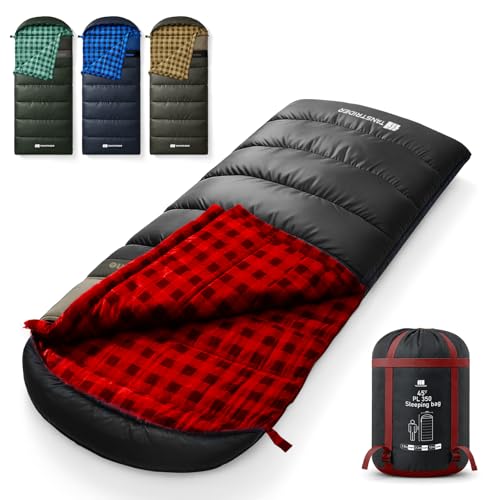
TANSTRIDER Cotton Flannel XXL Cold Weather Sleeping Bag 6.2lb

TANSTRIDER XXL Flannel Sleeping Bag with Foot Ventilation
A Deeper Look At The Lineup
Tall campers and side sleepers who feel cramped in a standard mummy bag will recognize the appeal here. The TANSTRIDER Cotton Flannel XXL Winter Sleeping Bag stretches roughly 90.5 by 39.4 inches, giving restless sleepers the room to shift without unzipping themselves out of the bag. The flannel lining adds a layer of softness that feels closer to home bedding than traditional nylon interiors.
A two-way zipper (a zipper that opens from either end) runs the full length, which makes ventilation adjustments easier on warmer nights and gives quick access without fully unzipping. The shell carries a waterproof rating intended to shed damp ground and morning dew. That puts this bag closer to a car-camping comfort pick than a long-distance backpacking tool, since the rectangular shape and flannel interior add weight and pack volume.
Real Benefits
- Generous 90.5 x 39.4 inch rectangular cut lets tall sleepers fully extend their legs without foot crowding.
- Flannel lining feels noticeably softer against skin than standard nylon shells, especially on cool nights.
- Two-way zipper lets you vent from the foot end to cool down without leaving your sleeping pad.
- Waterproof shell handles damp grass, dew, and light rain without soaking through to the liner.
- Machine-washable construction simplifies post-trip cleanup, a real perk after dusty weekends.
Things To Consider
- The rectangular shape and flannel liner make it bulkier to pack than a backpacking-specific mummy bag.
- Drying time after a machine wash can be lengthy due to the absorbent flannel layer.
Who Should Grab It
Anyone over six feet tall, restless side sleepers, and car campers who prioritize sleep comfort over pack weight will appreciate this bag most.
Consider Something Else When
Long-distance backpackers should look at the VENTURE 4TH, which trims weight and offers a more trail-friendly pack profile.
Where the TANSTRIDER models lean into car-camping comfort, the VENTURE 4TH Sleeping Bag stretches across three configurations to fit different trip styles. The single, XXL, and double options mean you can pick a wider cut for solo trips or a roomy shared bag for two campers. The hollow fiber fill (a synthetic insulation made of fine hollow polyester strands that trap warm air) keeps weight reasonable for the warmth it delivers.
Rated for a comfort range of roughly 30 to 70°F, this bag covers spring through fall for most campers. The water-resistant polyester shell handles light moisture, though heavy rain calls for a separate tarp or tent fly. For backpackers counting ounces, this bag splits the difference between ultralight mummy bags and the flannel-lined comfort of the TANSTRIDER XXL options earlier in this roundup.
What It Does Well
- Three size configurations let you match the bag to solo or shared trips without buying two.
- Hollow fiber insulation delivers warmth at a lighter carry weight than cotton-filled alternatives.
- Broad temperature range covers three-season use for most North American camping climates.
Points To Note
- Water-resistant shell handles mist and light rain, but persistent downpours will overwhelm the coating over time.
- Synthetic fill dries slower than down if it gets soaked, which matters on multi-day wet trips.
- No flannel lining means the interior feel runs cooler against bare skin on chilly mornings.
Feature Snapshot
The Right Fit For
Backpackers and weekend campers who want one bag that adapts between solo hikes and shared basecamp nights will find this versatility useful.
Look Elsewhere When
Campers chasing the soft flannel feel of the TANSTRIDER XXL Winter Sleeping Bag should stay with the comfort-focused pick instead.
Chilly nights ask more from insulation than summer weekends do, and the TANSTRIDER Cotton Flannel XXL Cold Weather Sleeping Bag answers with extra fill weight. At roughly 6.2 pounds, this bag trades packability for warmth, which makes sense for car campers and basecamp setups rather than long trail days. The comfort range sits around 40 to 45°F for most sleepers.
The shared dimensions with the other TANSTRIDER XXL bags here (about 90.5 by 39.4 inches) keep the fit consistent across the lineup, so choosing between them really comes down to weight versus temperature needs. The flannel interior and waterproof shell mirror the Winter model reviewed earlier, but the heavier fill pushes this version deeper into shoulder-season territory.
A Favorable Mix
- Heavier fill weight delivers genuine warmth for nights dipping into the low 40s°F.
- Familiar oversized cut stays consistent with other TANSTRIDER XXL bags in this roundup.
- Flannel lining and waterproof shell carry over from the Winter model for the same dry, cozy feel.
Trade Offs
- Extra fill weight makes this a poor choice for backpackers counting every pack pound.
- Compression into a pack sack takes more effort, and bulk grows quickly with the heavier insulation.
Whose Shelf It Belongs On
Car campers, truck-bed campers, and anyone camping in cooler shoulder seasons will find the warmth-to-space ratio worthwhile.
Swap It Out When
Backpackers needing a lighter carry should reach for the VENTURE 4TH, which sheds weight at the cost of some cold-weather performance.
Hot sleepers know the struggle of waking up clammy inside a sealed bag, even when the air temperature feels mild. The TANSTRIDER XXL Flannel Sleeping Bag adds a foot ventilation feature (a zippered opening at the bottom of the bag that lets excess heat escape) to the same oversized 90.5 by 39.4 inch footprint used across this brand’s XXL lineup. That detail alone changes how the bag handles summer nights.
At roughly 5.3 pounds with a comfort range around 40 to 50°F, this bag lands between the heavier Cold Weather model and a true summer-weight bag. The lighter build makes it more packable than the 6.2-pound sibling, while the waterproof shell still sheds ground moisture. For campers who run warm or camp in variable shoulder-season weather, this is a reasonable middle path.
Everyday Advantages
- Foot-end ventilation lets you dump excess heat without unzipping the whole bag on muggy nights.
- Lighter 5.3-pound weight compresses more easily than the heavier Cold Weather model in this roundup.
- Waterproof exterior and machine-washable flannel liner match the convenience of the other TANSTRIDER XXL bags.
- Roomy rectangular cut keeps the spacious feel consistent across the brand’s big-and-tall line.
Some Limits To Know
- Open foot vent pulls in cool air and insects, so it works best inside a tent or shelter.
- Lighter fill means cold snaps below 40°F will leave most sleepers reaching for extra layers.
Made For
Warm-weather campers, hot sleepers, and anyone camping in shoulder seasons with mild overnight lows will appreciate the venting most.
Reach For A Different Pick When
Campers facing consistently chilly nights should step up to the TANSTRIDER Cotton Flannel XXL Cold Weather Sleeping Bag for more insulation.
Choosing Big Sleeping Bags That Actually Fit
Start With Real Measurements, Not Listed Sizes
A “big” sleeping bag only helps when it matches the camper using it. Measure from the top of your head to your toes while lying flat, then add a few inches for pillow space and foot-box comfort. Width matters just as much for side sleepers who curl up or stretch their arms out. Bags measuring around 39 inches wide give noticeably more room than standard 30-inch mummy bags, and that extra space often matters more than the listed length.
Match Fill Weight To Your Typical Nighttime Low
Temperature ratings only mean something when you trust them. Synthetic hollow fiber fills like the kind in the VENTURE 4TH bag handle damp conditions and wash cycles well, though they pack larger than down. Heavier cotton and flannel-lined bags weigh more but feel cozier against skin. Match the bag’s weight and insulation to the coldest night you realistically expect, not the average.
Decide Between Comfort And Packability Early
Rectangular bags with flannel liners sleep better but take up far more space in a pack. Backpackers carrying gear for miles will notice every liter of pack volume. Car campers and short-distance hikers can prioritize comfort without much penalty. Settling this trade-off first narrows the list fast and keeps you from buying a bag that fights you on every trip.
Watch For Shell Details That Matter In The Field
A waterproof or water-resistant shell sounds good on a product page, but the difference matters when you’re sleeping on damp ground. Reinforced stitching, draft tubes along the zipper, and covered zipper flaps all add real comfort without adding much weight. Foot ventilation, like the zippered opening on the TANSTRIDER XXL Flannel Sleeping Bag, can change how a bag handles summer nights more than any spec sheet suggests.
Key Considerations Across These Picks
Where Shoppers Go Wrong
Picking a bag by temperature rating alone is a common trap, since ratings often reflect survival limits rather than comfortable sleep. Another frequent mistake is ignoring pack dimensions until the first trip, when a too-bulky bag turns a short hike into a slog. Measure your pack before you buy, and lean toward bags whose packed size fits your typical loadout. Skipping a test night at home in the bag also leads to returns; even a backyard night reveals fit and warmth issues before you’re miles from the trailhead.
What Separates Premium From Basic
The jump between budget-friendly and premium big sleeping bags usually shows up in shell fabric, fill loft, and zipper hardware. Tougher polyester shells resist abrasion from rocky ground and rough tent floors. Higher loft fills trap more warm air without adding weight. YKK-grade zippers (industry-standard heavy-duty zippers known for smooth operation and durability) and anti-snag flaps prevent frustrating mid-night failures. For campers logging dozens of nights a year, those details save real headaches. For occasional weekend use, a solid mid-range bag often does the job just as well.
Frequently Asked Questions
How Wide Should A Big Sleeping Bag Be?
For most adults, a width around 39 inches gives enough room to sleep on your side without feeling boxed in. Campers with broader shoulders or who shift around frequently may want even more room. Narrower bags under 34 inches start to feel restrictive for restless sleepers.
Are Cotton Flannel Liners Worth The Extra Weight?
Flannel liners feel softer and warmer against bare skin than standard nylon, which matters on cool nights. The trade-off is weight and slower drying time after washing. Car campers usually find the comfort worth it, while backpackers often prefer lighter synthetic linings.
Can Big Sleeping Bags Work For Backpacking?
Yes, but it depends on the bag’s packed size and weight. Synthetic-filled bags with hollow fiber insulation typically pack smaller than cotton-filled comfort bags. Backpackers carrying gear for long distances should prioritize bags under five pounds and verify the packed dimensions fit their pack.
What Temperature Rating Do Most Campers Need?
A three-season bag rated for roughly 30 to 70°F covers spring, summer, and fall for most North American camping climates. Campers heading into winter or high-elevation trips need bags rated for lower temperatures. Buying a bag rated colder than you need adds weight without much practical benefit for summer trips.
How Do I Clean A Big Sleeping Bag At Home?
Most modern bags are machine washable on a gentle cycle with mild detergent, then air-dried flat or hung loosely. Front-loading washers handle bulky bags better than top-loaders with agitators. Always check the care label, since some insulation types need specific washing conditions to maintain loft.
The Takeaway
Big sleeping bags come down to fit, warmth, and how far you carry them. Tall campers and restless sleepers get the most from oversized rectangular bags, while backpackers lean toward lighter synthetic options with hollow fiber fill. Match the bag to your typical trip, and the rest takes care of itself.