
Late summer brings warm evenings, blooming clover, and a steady stream of yellow jackets drifting around the patio. One sting from a disturbed nest turns a calm cookout into a sprint indoors, and most standard household sprays simply don’t reach high enough or hit hard enough to matter. The right aerosol or granular product can end a nest in a single evening if you match the format to the threat.
A quick word on what’s ahead. The lineup below spans contact aerosols with 20 to 22 foot jet streams, hose-end sprays for broad garden coverage, dust formulations for burrowing species, and granular perimeter barriers. Each entry below breaks down real strengths, honest trade-offs, and the homeowner profile it suits most.
A Quick View Of The Lineup

Raid Wasp and Hornet Killer 17.5 oz

SpectracidePRO Wasp & Hornet Killer 18 oz

Spectracide Wasp & Hornet Killer Twin Pack

Sevin Insect Killer Ready-to-Use 1 Gallon

Sevin Insect Killer Ready-to-Spray II 32 oz

Sevin Garden Perimeter Insect Killer Granules II
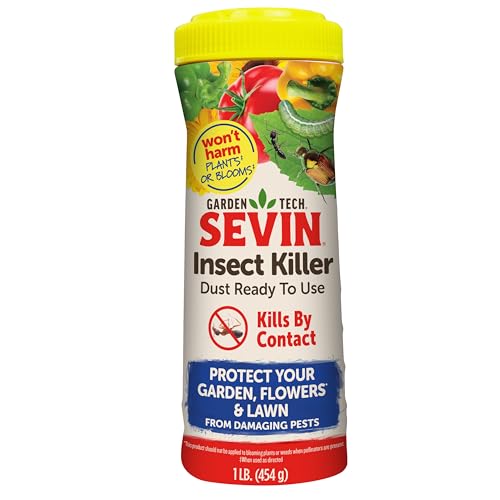
Sevin Insect Killer Dust 1 lb

Raid Wasp & Hornet Killer 22 ft Pack of 5
The Strengths Of Each Pick
For a single nest tucked under an eave or behind a shutter, a compact 17.5 ounce aerosol hits the sweet spot between reach and shelf-friendly size. The jet stream handles wasps and hornets on direct contact, and the residual chemistry keeps working on returning foragers for a window after application. You spray, you wait at least a day, then the nest comes down.
Unlike the SpectracidePRO entry below, which leans into pro-grade claims and a longer reach, this one keeps things straightforward. It’s a familiar can that most homeowners already know how to use, and that predictability matters during a stressful encounter with a hornet’s nest.
A Favorable Mix
- Single-can format fits in a kitchen drawer or garage shelf without crowding other gear.
- Targets wasps and hornets on contact, so a quick burst ends the immediate threat.
- Residual action helps prevent the same colony from rebuilding after treatment.
- Lightweight enough to handle from a short ladder or step stool without fatigue.
Points To Keep In Mind
- Single-can purchases mean a second nest later in the season requires another trip.
- Reach is shorter than the SpectracidePRO and 22-foot Raid options, so very high nests may still need a ladder.
Right Fit For
Homeowners dealing with one visible nest per season who want a recognized brand in a manageable can.
Look Elsewhere When
You’d rather skip a ladder, since the SpectracidePRO Wasp & Hornet Killer 18 oz reaches roughly 20 feet from the ground.
Tall two-story eaves, second-floor soffits, and mature tree canopies all share the same problem: the nest sits well out of arm’s reach. SpectracidePRO’s 20-foot jet stream is built for exactly that scenario, and the 47,300 volt dielectric breakdown rating (meaning the spray resists electrical conduction up to that threshold, which matters around outdoor fixtures and wires) gives a real safety margin near porch lights and junction boxes. Apply at sunrise or sunset when the colony is settled, then leave it untouched for at least 24 hours before removing the structure.
The “PRO” branding isn’t just window dressing. Coverage extends to yellow jackets, hornets, and mud daubers, and the residual claim runs up to four weeks on returning insects. Compared to the Raid single-can above, you trade portability for reach and longer-lasting action.
Where It Excels
- 20-foot jet reduces the need for ladders on typical two-story homes.
- Covers wasps, hornets, yellow jackets, and mud daubers in one formulation.
- Dielectric rating adds confidence near outdoor wiring and fixtures.
- Four-week residual window handles returning foragers across multiple broods.
- Application timing guidance (sunrise or sunset) is printed right on the workflow.
Honest Caveats
- Outdoor-use-only restriction rules out any attic or enclosed crawlspace application.
- Full 24-hour wait before nest removal requires patience during peak summer activity.
Quick Facts
Who Will Love This
Two-story homeowners with nests above ground-floor reach who value distance and electrical safety.
A Better Fit Elsewhere
Gardeners fighting a colony at ground level get more coverage from Sevin Insect Killer Ready-to-Spray II 32 oz.
One can handles one nest. Most properties with active stinging-insect pressure end up needing two or three cans per season, which is where a twin pack earns its keep. Two 18.5 ounce cans in a single shipment lower the per-unit cost and keep a backup ready when the second nest appears two weeks after the first.
Beyond wasps and hornets, this formula also lists tent caterpillars, scorpions, and ants on the label, so it doubles as a general-purpose yard spray in a pinch. The recommended application window is sunset, and standing with the wind at your back keeps drift off exposed skin. Compared to the Raid single-can entry above, you’re paying slightly more up front for an extra can and a broader pest list.
Why It Works Well
- Two-can format lowers the per-can cost versus single-can purchases.
- Broader pest coverage includes tent caterpillars, scorpions, and ants.
- 18.5 ounce cans offer a slight volume bump over the standard 17 to 18 ounce options.
Trade Offs
- Bulkier packaging takes more shelf or garage space than a single can.
- Lacks the long 20 to 22 foot reach of dedicated pro-grade aerosols.
- Sunset-only timing may not suit everyone who prefers to handle pests earlier in the day.
Built With In Mind
Homeowners expecting multiple nests in a season who want spares on hand without reordering.
Consider Something Else When
Your priority is maximum reach, since the Raid Wasp & Hornet Killer 22 ft Pack of 5 leads on jet distance.
When a single nest becomes a colony and the foraging extends across vegetable rows, flower beds, and the kids’ playset, an aerosol can feels undersized. Sevin’s ready-to-use gallon jug shifts the workload from spot treatment to broad-coverage spray without any mixing. You pump the trigger, fan it across foliage, and move on.
The one-gallon format suits a homeowner treating several raised beds or a sizable backyard in a single session. Compared to the SpectracidePRO aerosol above, this is a contact-and-residual garden spray rather than a directed jet, so it shines on plants and ground cover where wasps and other listed pests forage. Owners commonly report storing the jug in a garage or shed between treatments, and the trigger handle tends to hold up well across a full season of intermittent use.
The Practical Payoff
- One gallon covers a backyard or several raised beds in a single session.
- Ready-to-use format eliminates measuring and mixing steps.
- Suitable for vegetables, flowers, trees, and shrubs when applied as directed.
- Larger volume reduces the number of refill trips per season.
- Trigger handle design supports repeated spraying without hand fatigue.
Practical Considerations
- Heavier jug weight may be awkward for anyone with limited grip strength.
- Not designed for high-reach jet applications on tall eaves.
- Requires more storage space than a small aerosol can.
Feature Snapshot
Best Suited To
Home gardeners treating multiple beds or a large yard where a single can wouldn’t realistically finish the job.
Skip It When
You’re only chasing one nest in an eave, since the Raid Wasp and Hornet Killer 17.5 oz fits that smaller task.
Hose-end sprays earn their place when the goal is even coverage across long garden rows. Attach the 32 ounce bottle to a standard garden hose, turn on the water, and walk backwards down the bed as the product meters itself out. The result is a consistent fan pattern that hand-pump triggers rarely match on long runs.
The ready-to-spray format is gentler on listed plants and blooms when used as directed, so a vegetable patch or flower border stays productive through treatment. Compared to the Sevin gallon jug above, this version trades raw volume for a lighter bottle and a more controllable fan, making it a sensible pick for typical suburban plots.
A Few Strong Suits
- Hose-end design produces even coverage across long garden rows.
- Plant-friendly formula supports use around vegetables and blooms when applied correctly.
- Lighter 32 ounce bottle is easier to handle than a full gallon jug.
- Self-metering action removes the need to hand-pump during application.
Small Caveats
- Requires a standard garden hose and an outdoor spigot to operate.
- Coverage depends on water pressure, so low-pressure setups may need a second pass.
- Not suited for spot treatment of an individual elevated nest.
Made For
Vegetable gardeners and flower-bed owners who want broad, plant-safe coverage without hand-pumping.
Reach For A Different Pick When
The target is a single elevated nest, since the SpectracidePRO Wasp & Hornet Killer 18 oz handles that scenario more directly.
Prevention costs less than treatment, and granular perimeter products turn that idea into a practical workflow. The granules spread along the edge of a lawn, garden, or foundation, and a single application is labeled to last up to three months. That’s the entire summer nesting window for most stinging species covered by a single spring treatment.
Unlike the aerosols earlier in this list, granules work by contact as insects cross the treated zone, so the strategy is to ring the property rather than chase individual nests. Compared to the Sevin hose-end spray above, this format requires no hose, no mixing, and no protective gear beyond gloves for spreading.
A Strong Showing
- One application lasts up to three months, covering the full summer season.
- Spreader-friendly format works without a hose or sprayer.
- Perimeter strategy prevents infestations rather than reacting to them.
- Effective by contact as listed pests cross the treated barrier.
Room For Improvement
- Granules need rain or watering to activate, so dry climates may need supplemental irrigation.
- Not a direct knockdown product for an active nest that needs immediate attention.
- Requires a spreader or careful hand application for even coverage.
Feature Rundown
Whose Shelf It Belongs On
Homeowners who want a set-and-forget seasonal barrier rather than reactive nest-by-nest treatments.
Where Another Pick Suits Better
Active colonies already in place call for an aerosol, and the Raid Wasp & Hornet Killer 22 ft Pack of 5 handles them at distance.
Some pests don’t build hanging paper nests where a jet stream can reach them. Ground-nesting yellow jackets, burrowing wasps, and colonies tucked behind siding or inside wall voids call for a delivery format that settles into crevices. A one-pound dust shaker does exactly that: a thin, even layer on the upper and lower sides of leaves, stems, and entry points.
Unlike liquid sprays, dust holds its position after application, so it keeps working on insects that cross the treated surface later. Owners commonly report using a bulb duster or the built-in shaker cap to push the product deeper into tight gaps where sprays can’t reach. Compared to the perimeter granules above, dust is a precision tool rather than a broad barrier.
Everyday Wins
- Dust settles into crevices and burrows that sprays can’t reach.
- Stays in place after application for ongoing contact action.
- Plant-safe formula protects listed blooms when applied as directed.
- Built-in shaker cap supports direct application without extra tools.
Worth Noting
- Wind can displace dust during application, so calm conditions matter.
- Not designed for high-volume broad-coverage spraying.
- Requires careful handling to avoid inhaling product during shaking.
Perfect Match For
Homeowners tracking ground-nesting wasps, wall-void colonies, or pests hiding in tight garden crevices.
Not Your Match When
You need fast knockdown of an aerial nest, since the SpectracidePRO Wasp & Hornet Killer 18 oz is built for that.
For households that treat stinging insects as a recurring seasonal chore rather than a one-off surprise, a five-can pack turns a stockpile into a strategy. Each can sprays up to 22 feet, which is the longest reach in this lineup, so two-story peaks and tall trees stay reachable from the ground. The dielectric claim of up to 32,500 volts adds a margin of safety near outdoor fixtures.
Paper wasps, yellow jackets, mud daubers, and bald-face hornets all sit on the label, so this one can handle most above-ground encounters across multiple broods in a single season. Compared to the single-can Raid entry above, you trade shelf space for a meaningful per-can discount and a longer reach window.
Reasons It Performs
- 22-foot jet reach leads the aerosols in this lineup.
- Five-can pack supports multiple nests across the full summer.
- Covers paper wasps, yellow jackets, mud daubers, and bald-face hornets.
- Dielectric rating up to 32,500 volts for safer use near outdoor wiring.
- Bulk format lowers the per-can cost versus single-can purchases.
Some Limits To Know
- Larger pack size requires dedicated storage space in a garage or shed.
- Cans have a shelf-life window, so storing past two seasons may reduce pressure.
- Bulk purchase makes less sense for a single visible nest.
Who Should Grab It
Homeowners who expect to fight multiple nests every summer and want the longest reach on hand.
Swap It Out When
You’re treating garden beds rather than aerial nests, since Sevin Insect Killer Ready-to-Spray II 32 oz suits that work.
What Matters Before Choosing A Bee And Wasp Spray
A few attributes separate a useful can from a frustrating one, and most of them come down to matching the format to the threat. Reach, residual window, and application surface all matter, and ignoring any one of them tends to mean a second trip to the retailer.
Reach And Application Height
Two-story eaves and tall trees change the math fast. A 20-foot or 22-foot jet stream handles most elevated nests from the ground, while a standard aerosol forces a ladder into the workflow. For ground-level pests, reach matters less and coverage volume matters more.
Format And Delivery Method
Aerosols, hose-end sprays, dusts, and granules each solve a different problem. Aerosols target individual nests, hose-end sprays cover broad garden rows, dusts settle into crevices and burrows, and granules build a long-lasting perimeter barrier. Mixing formats across the season is normal for active properties.
Residual Action And Timing
Contact kill ends the immediate threat, but residual action decides whether the colony comes back. Products with multi-week residual windows reduce follow-up trips, while quick-knockdown formulas need careful timing around sunrise or sunset when insects settle.
Safety And Surface Compatibility
Plant-safe formulas matter in vegetable plots and flower borders, while dielectric ratings matter near outdoor wiring. Outdoor-use-only labels should be respected, and protective clothing during application is a practical step most owners already follow.
Key Considerations Across These Picks
Mistakes Worth Dodging
Spraying mid-day is one of the most common errors. Active wasps and hornets defend aggressively in warm daylight, so applications at sunrise or sunset catch the colony when it’s settled and less reactive. Another slip is reaching for a broad-coverage garden spray when the actual problem is a single elevated nest: the right tool is a directed aerosol with a long jet, not a hose-end bottle. Treating without confirming the species can also backfire, since ground-nesting yellow jackets, paper wasps, and bald-face hornets respond to different delivery formats.
When Paying More Pays Off
Premium positioning in this category usually means longer jet reach, multi-week residual action, or higher dielectric ratings. For two-story homes with multiple nests per season, those upgrades translate into fewer ladder climbs, fewer repeat applications, and safer use near outdoor wiring. For single-nest scenarios on a one-story home, the value math tilts back toward standard aerosols and the savings matter more than the reach bump.