
Starting a backyard hive in 2026 is a quieter kind of ambition, the kind where you’re measuring wood grain as carefully as honey yields. The right gear saves your colony through its first winter and protects your back during long inspections. This roundup focuses on frames, hive shells, hand tools, and honey straining gear that hold up to real outdoor use, so you can match each piece to the kind of beekeeper you actually want to be.
The Essentials At A Glance

TRINFREE 20 Pack Medium Bee Frames with Beeswax-Coated Foundations

Cinnvoice 1 Set Beehive Parts Kit for 10 Frame Hive

Cinnvoice 2 Set Beehive Parts Kit for 10 Frame Hive

Cinnvoice 3 Set Beehive Parts Kit for 10 Frame Hive
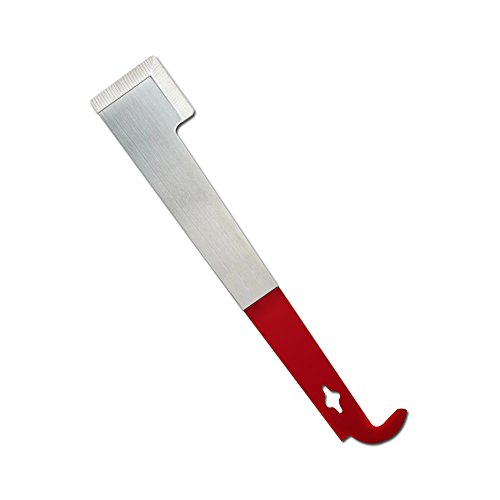
KINGLAKE Steel J Hook Hive Tool 10-1/2-Inch
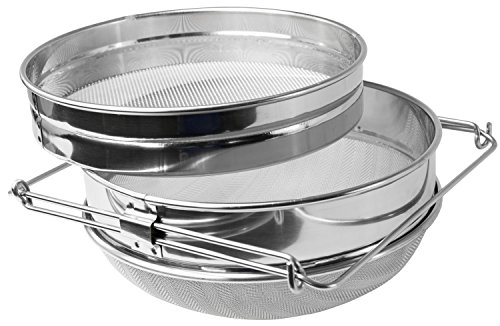
VIVO Double Sieve Stainless Honey Strainer BEE-V101H

KINGLAKE Polished Stainless Hive Scraper 10-Inch

Colingmill Telescoping Cover and Inner Cover for 10 Frame Hive

Colingmill Telescoping and Inner Cover 4 Pcs for 10 Frame Hive

Colingmill Telescoping and Inner Cover 8 Pcs for 10 Frame Hive
A Closer Look At Each Pick
Frames are the skeleton of the whole hive, so what you start with shapes everything that follows. TRINFREE’s twenty-pack of medium frames gives a new keeper enough foundation to outfit a deep brood box plus a medium honey super without scrambling for extras. The wooden pieces are unfinished natural pine, which means you can decide whether to leave them raw or seal them based on your climate.
Each frame comes with a plastic foundation sheet pre-coated in beeswax, which encourages bees to start drawing comb faster than bare plastic alone. For a first-season beekeeper installing two colonies, twenty frames usually covers the full configuration with a couple left over as spares.
Everyday Wins
- Twenty frames per pack covers a typical starter apiary with spares on hand.
- Pine wood cuts cleanly and accepts nails without splitting, helpful for hands-on keepers.
- Pre-waxed plastic foundations shorten the time bees need to begin drawing comb.
- Unassembled shipping fits flat-pack storage if your build schedule runs in stages.
Things To Consider
- Assembly takes time and basic tools, so plan a weekend workshop before your nuc arrives.
- Unfinished pine benefits from an exterior seal in wet climates to slow weathering.
Who It Suits Best
First-year beekeepers setting up one or two colonies who want enough frames to fill a deep brood box plus a honey super with breathing room.
Where Another Pick Suits Better
Backyard keepers outfitting three or more colonies at once find better value per hive in the Cinnvoice 3 Set Beehive Parts Kit.
Most first-year mistakes happen because the hive shell itself is incomplete, not because the bees are picky. This single-set kit from Cinnvoice covers the four structural pieces that turn a stack of boxes into a functioning home: a telescoping top cover, an inner cover, a screened bottom board, and an entrance reducer. Each piece is dipped in beeswax, which helps wood resist moisture and gives the hive a familiar scent.
The screened bottom board doubles as a mite-monitoring tool, since you can slide a sticky sheet underneath and track what’s falling out of the colony. For someone running exactly one hive in a small yard, this kit keeps the parts list tidy without surplus.
A Few Strong Suits
- Beeswax-dipped finish adds moisture resistance out of the box.
- Screened bottom board supports integrated mite counts during inspections.
- Entrance reducer helps a small colony defend its doorway in early weeks.
- One-kit sizing removes guesswork for first-time builders.
Points To Note
- Fir wood benefits from a coat of exterior paint if exposed to heavy rainfall.
- Galvanized top cover can develop condensation in cold months without venting.
Quick Facts
Made For
Single-hive beekeepers building a Langstroth setup from a flat pack and wanting every structural piece accounted for in one shipment.
Consider Something Else When
Anyone running two side-by-side colonies saves money per hive by stepping up to the Cinnvoice 2 Set Beehive Parts Kit.
Two colonies side by side is a common setup for first-year beekeepers who want a backup if one swarm fails, and it doubles your honey potential without doubling your work. Cinnvoice’s two-set kit gives you the structural pieces for both hives in one shipment: two telescoping covers, two inner covers, two screened bottom boards, and two entrance reducers. Everything matches, which keeps an apiary looking tidy.
The beeswax dip on these parts serves the same protective role as on the single kit, helping fir resist swelling during wet stretches. For keepers who already know they want a paired setup, this kit avoids the awkward mismatch of buying the single kit twice.
Features That Help
- Matched pieces simplify a side-by-side colony layout.
- Screened bottoms on both hives make parallel mite tracking easier.
- Beeswax dip shortens the seasoning time before bees arrive.
- One shipment replaces multiple separate orders.
Worth Noting
- Two full hive shells take up considerable staging space during assembly.
- Standard 10-frame sizing means deep supers are not included.
Right Fit For
Backyard beekeepers planning a matched pair of colonies from the start, especially those who want a comparison hive for learning purposes.
Skip It When
Solo keepers with a small lot are better served by the Cinnvoice 1 Set Beehive Parts Kit and its single-hive footprint.
Three hives is the threshold where beekeeping starts to feel like a small operation rather than a hobby, and you’ll want hive shells that arrive together for consistency. This three-set Cinnvoice bundle includes the same four structural pieces per hive as the smaller kits, scaled across three colonies. Every cover, bottom board, and reducer is interchangeable, which simplifies repairs.
The fir-and-galvanized construction mirrors the rest of the line, so a single paint or stain purchase covers the whole row. For a serious backyard keeper stepping up from a single hive, this is the most cost-efficient way to build out a real apiary at once.
Why It Works Well
- Bulk pricing per hive beats buying singles three times.
- Matched parts across three colonies simplify future swaps and spares.
- Three screened bottoms support coordinated mite counts across the yard.
- Beeswax-dipped fir handles a range of weather conditions.
Trade Offs
- Storage space matters: three unassembled kits need a dry corner.
- Each piece ships flat-packed, so build time multiplies with hive count.
Best Suited To
Beekeepers scaling from one or two hives to a small backyard apiary, especially those who plan to compare colonies side by side.
Look Elsewhere When
New keepers still figuring out whether one hive suits them should start with the Cinnvoice 1 Set Beehive Parts Kit before committing to three.
Every inspection starts with prying and ends with scraping, and a flimsy tool makes both jobs harder. KINGLAKE’s J-hook hive tool is built from 304 stainless steel, which is the same grade often used in kitchen equipment for its corrosion resistance. The painted red finish makes it easy to spot in tall grass if you set it down mid-inspection.
The 10-1/2-inch length gives enough leverage to pop apart boxes sealed with propolis, while the J-hook end slides under frame lugs for lifting. It’s the kind of tool that lives in your bee jacket pocket for the entire season.
The Value In It
- 304 stainless steel resists bending during heavy pry work.
- Red paint finish improves visibility in tall grass and gravel yards.
- J-hook end lifts frames cleanly without crushing comb edges.
- Ten-inch length balances leverage and control.
Honest Caveats
- Sharp scraper edge benefits from a brief sharpening session each spring.
Quick Facts
Who Should Grab It
Working beekeepers who inspect hives weekly and need a tool that handles propolis-sealed boxes without flexing.
Reach For A Different Pick When
Traveling demonstrators who prefer a slimmer carry profile may prefer the lighter KINGLAKE Polished Stainless Hive Scraper.
Honey straight from the extractor carries wax bits, propolis flecks, and the occasional bee wing, so a two-stage strainer earns its keep the first time you uncap a frame. VIVO’s BEE-V101H stacks a coarse mesh over a finer mesh so debris drops out in steps rather than clogging a single screen. The whole assembly is 201 stainless steel, which holds up to repeated rinsing without rusting.
Most backyard harvesters run a few supers per season, and this strainer handles that volume without slowing you down. The double-sieve design lets you swap the top screen for a finer one later if you want clearer jar presentation.
What Pays Off
- Two-stage filtration catches debris before it reaches the storage bucket.
- Stainless mesh rinses clean under hot water without residue.
- Wide bowl shape accepts a steady pour from extractor gates.
- Replaces improvised cheesecloth setups that shred mid-pour.
Practical Considerations
- Fine mesh slows noticeably when filtering double-digit super harvests.
- Drying between uses prevents moisture spots on stored screens.
Feature Snapshot
Perfect Match For
Mid-season honey harvesters running a few supers who want cleaner jars without building a custom filtration setup.
A Better Fit Elsewhere
Commercial operators processing pallets of frames need a heated settling tank rather than any countertop sieve.
A second hive tool is more useful than a backup anything else in the bee yard, especially when the first one walks off in the grass. KINGLAKE’s polished stainless scraper is the slim sibling to the J-hook model, with a flat body and a hanging hole punched through the end. The polished finish sheds propolis more easily than a painted surface, which keeps cleanups short.
It still serves as a mini pry bar for separating hive bodies and supers, just with a slimmer profile. For keepers who carry two tools at once or store one in the truck, this is a quiet workhorse.
Real-World Strengths
- Polished finish reduces propolis buildup during repeat use.
- Hanging hole fits a carabiner or lanyard for belt carry.
- Ten-inch length fits easily in standard bee jacket pockets.
- Stainless body holds up to bleach rinses between seasons.
Small Caveats
- Without a J-hook end, lifting frames takes more wrist rotation.
Who Will Love This
Beekeepers who want a slim carry-along scraper and prefer polished steel for easier propolis cleanup.
Swap It Out When
Anyone who regularly pries deeply propolized frames benefits from the KINGLAKE Steel J Hook Hive Tool’s curved lifting end.
A hive cover does more than keep rain out: it manages ventilation, insulation, and how easily bees regulate their interior climate. Colingmill pairs a galvanized-iron telescoping cover with a fir inner cover, and the fir resists the warping and shrinking that plagues cheaper plywood tops in wet seasons. The two-piece design creates an insulating air gap that helps colonies in spring and fall.
The telescoping top measures roughly 21.85 by 17.83 inches with a 2.56-inch sidewall, so it sheds water away from the joint with the box below. The inner cover adds a ventilation channel that reduces condensation dripping back onto the cluster during cold snaps.
Good Reasons To Consider
- Galvanized top cover sheds water across multiple seasons.
- Fir inner cover resists warping during freeze-thaw cycles.
- Insulating air gap supports temperature stability in shoulder seasons.
- Standard 10-frame dimensions fit common Langstroth boxes.
Points To Keep In Mind
- Single-pair sizing suits one-hive owners; multi-hive keepers need larger packs.
- Galvanized top can scuff during transport and may benefit from touch-up paint.
Key Product Details
The Right Fit
Single-hive beekeepers in climates with strong rain or temperature swings who want better weather protection than a basic lid.
Another Choice May Suit
Beekeepers outfitting two or three hives save effort by ordering the Colingmill four-piece cover bundle.
Adding a second or third hive without matching covers leads to a yard that looks patchy and weathers unevenly. This four-piece Colingmill bundle ships two telescoping covers and two inner covers, giving you roofed protection for a pair of 10-frame hives. The materials match the single-pair set, so the same paint or stain carries across both colonies.
The fir inner covers continue to do the heavy lifting on insulation and ventilation, while the galvanized tops handle rain runoff. For a small growing apiary, having spare covers on hand means faster recovery if a storm knocks a lid loose.
What Earns Its Place
- Two-hive coverage from one matched shipment.
- Galvanized iron tops last longer than painted steel alternatives.
- Fir inner covers provide consistent insulation performance.
- Spare covers simplify repairs after wind or bear incidents.
Less Ideal Details
- Four pieces stack awkwardly during shipping if you have limited storage.
- Each top cover adds noticeable weight to a fully loaded hive.
Built With In Mind
Two-hive beekeepers who want matched roof protection and a spare cover for emergencies or new colony splits.
Not Your Match When
Single-hive owners pay for unused inventory and are better served by the Colingmill two-piece cover bundle.
Mid-size apiaries run on consistency, and the eight-piece Colingmill bundle supplies four telescoping covers plus four inner covers in one shipment. That’s enough matched roof protection for four colonies, with a spare set ready when weather claims a cover. The fir-and-galvanized construction keeps repair parts interchangeable across the yard.
Each inner cover supports ventilation and insulation duties, while the galvanized tops handle the long-term sun and rain exposure. For a hobby operation planning to expand over a few seasons, this bundle avoids the piecemeal purchases that leave mismatched gear around.
What Works In Its Favor
- Eight pieces cover four colonies with full spare sets.
- Galvanized iron resists rust across multiple winters.
- Fir inner covers hold shape through humid summers.
- Bulk pack simplifies future expansions.
Trade-Offs To Consider
- Shipping weight is significant, so plan a delivery window with help on hand.
- Storage before assembly needs a dry, flat area out of direct sun.
Whose Shelf It Belongs On
Mid-size backyard or sideline beekeepers running four colonies who want matched gear and spares staged for the season.
Where A Sibling Pick Shines
Two-hive keepers save money and storage space by choosing the Colingmill four-piece bundle instead.
Key Decisions Before You Stock Your Apiary
Picking the right gear matters more than picking the most gear, because bees adapt to almost anything if the basics are sound. Frames determine how comb gets drawn, hive shells set the climate your colony lives in, and a single good pry tool outlasts three cheap ones. Spend a minute on each decision below before adding anything to your cart.
Frames And Foundation Choices
Medium frames work for both brood boxes and honey supers, which simplifies inventory for new keepers. Pre-waxed plastic foundations give bees a head start on comb drawing compared to bare plastic or unwaxed sheets. Wood species matters less than finish: pine and fir both handle the work if you seal the exterior with a weatherproof coat suited to your rainfall.
Hive Shell Construction And Sizing
Standard 10-frame Langstroth dimensions keep frames, covers, and bottom boards interchangeable across brands, which makes expansion painless. Screened bottom boards pull double duty as ventilation and mite-monitoring stations. Telescoping covers paired with inner covers add an insulating air gap that helps colonies handle temperature swings better than a single lid alone.
Hand Tools And Honey Processing Gear
One quality stainless steel hive tool handles prying, scraping, and frame lifting for years. A double-sieve strainer cleans honey faster than cheesecloth and rinses clean between batches. Plan tool purchases around the inspections you actually do, not the gear catalogs suggest.
Common Slip Ups And Where The Money Goes
Pitfalls Shoppers Hit
Buying hive bodies without inner covers leaves colonies exposed to condensation drips that fall onto winter clusters. Skipping an entrance reducer in early weeks weakens small colonies against robbing by stronger nearby hives. Ordering frames without confirming they’re medium or deep sized means they’ll never fit your boxes. And underestimating paint needs leads to fir warping after one wet season.
Where The Extra Money Goes
Higher-tier hive kits typically upgrade from staples and glue to pre-dipped beeswax finishes, which buy you a season of weather protection before you need to seal anything. Stainless steel tools cost more than painted steel but hold an edge and resist bending under load. Multi-piece cover bundles ship at lower per-unit cost than singles, so expanding apiaries save meaningful money by ordering once. The honest read is that most upgrades pay off in saved maintenance time, not flashy new features.
Frequently Asked Questions
Do I need a full bee suit before any of these supplies?
A veil and gloves handle most backyard inspections, so bee keeping supplies like frames and covers can arrive and be assembled before protective clothing. Many keepers order both shipments in the same week.
Can I mix medium and deep frames in one hive?
Yes, but only inside the boxes they were designed for. Medium frames fit medium supers, deep frames fit deep brood boxes, and forcing one into the other leaves gaps bees fill with burr comb.
How long do galvanized hive covers last?
Galvanized iron typically outlasts painted steel by several seasons in outdoor conditions, though coastal salt air shortens that window. Touch-up paint on scuffs extends the life further.
What’s the difference between a screened and solid bottom board?
Screened bottoms let debris and mites fall through, supporting colony health monitoring, while solid bottoms retain more warmth in cold months. Many beekeepers use screened year-round with a tray insert during winter.
Is a double sieve necessary for small harvests?
For two or three supers, a single coarse mesh handles most debris, though the second fine stage noticeably clears jar appearance. The upgrade is small for backyard volumes.
Closing Remarks
Matching your bee keeping supplies to your actual colony count keeps money in the bank and your yard uncluttered. Start with the frames and shells that fit your real plan, add one good pry tool, and only scale up cover packs when the second hive is on the way. The right pieces, ordered once, set up a season that’s easier to manage from the first inspection to the final harvest.