
Camping on cold ground with a deflating pad can ruin a trip fast. You want a bed inside your tent that feels like a real bed at home, and you don’t want to wrestle with a complicated setup at midnight. This roundup compares cots and sleeping pads across the price spectrum, from lightweight inflatable mats to heavy-duty raised beds. You’ll see which setups work for car camping versus backpacking, and which ones actually fit inside a two-person tent without crowding your gear.
The Essentials At A Glance

Disc-O-Bed Youth Double Cot Kid-O-Bunk (200 lb)

HiiPeak Memory Sleeping Pad 3″ Foam Mat

Lost Horizon Option3 Self-Inflating Mattress Queen 4.5″

Kamp-Rite Tent Cot Original Size (Green)

Coleman ComfortSmart Big & Tall Cot
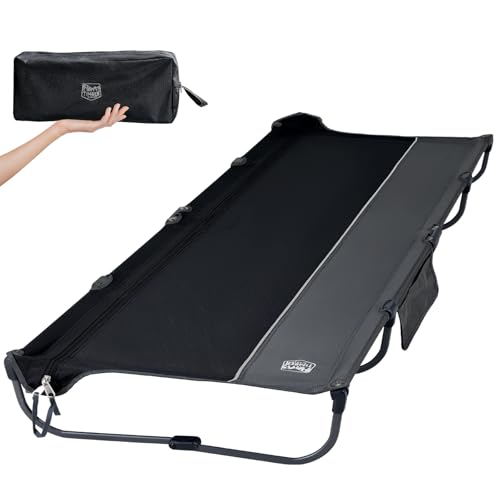
TIMBER RIDGE 20-Second Aluminum Folding Cot

Lost Horizon Option3 Self-Inflating Mattress Twin 4.5″

Lost Horizon Option3 Self-Inflating Mattress Full 4.5″
The Details Behind The Selections
A stackable bunk cot built specifically for kids aged roughly seven through twelve solves the bedtime pile-up problem that plagues family tent camping. Two single cots stack together using the included adapters, which means two children share a single tent footprint instead of spreading sleeping bags across the floor.
Compare that to the HiiPeak foam pad coming up next: the Kid-O-Bunk keeps kids up off the ground, away from cold seepage and crawling critters. Parents packing for summer campouts or backyard sleepovers will appreciate the 200-pound per-cot weight capacity and the carry bags that split the load between two packs.
Well-Handled Touches
- Locking straps prevent the stacked bunks from sliding apart mid-sleep
- Modular design separates into two single cots when kids want their own space
- Elevated sleeping keeps children off cold, damp tent floors
- Carry bags let two adults split the hauling weight on the trail to the site
Things To Consider
- The 200-pound limit rules out older teens and most adults per cot
- Stacked height may feel tall inside low-ceiling dome tents
- Owners commonly note that initial frame assembly takes patience the first time
Whose Tent It Belongs In
Families camping with kids between seven and twelve who want a bunk-style setup that keeps the tent floor clear for gear.
Look Elsewhere When
You’re outfitting one or two adults, in which case the Coleman ComfortSmart Big & Tall Cot offers a far roomier single sleeper.
An R-value measures how well a sleeping pad blocks cold from seeping up through the ground into your body, and the HiiPeak Memory Sleeping Pad posts a strong 9.5 rating that handles frosty nights. The three-inch foam construction folds down small enough for backpackers but still cushions hips and shoulders on rocky terrain.
Unlike the stackable Kid-O-Bunk we just covered, this is a single-sleeper mat aimed at hikers who carry everything on their back. The integrated pillow section saves you from packing a separate camp pillow, and the self-inflating design means less lung power after a long day on the trail.
Where It Delivers
- 9.5 R-value keeps sleepers warm in shoulder-season and winter conditions
- Memory foam construction holds its shape under body weight without bottoming out
- Built-in pillow saves pack space and weight
- Folds compactly to fit alongside a tent in a backpack
Worth Noting
- Three-inch thickness may feel low for side sleepers used to plush home mattresses
- Foam pads run heavier and bulkier than inflatable air-only alternatives
- Self-inflating recovery typically requires a few manual breaths to reach full firmness
Key Product Details
Right Fit For
Backpackers and hikers who camp in cold weather and want a packable mat with high insulation value.
Another Choice May Suit
Car campers who want a wider surface and more cushion should look at the Lost Horizon Option3 Self-Inflating Mattress Queen 4.5″.
A queen-size mattress inside a tent sounds like overpacking, but the Lost Horizon Option3 delivers hotel-style sleep on car camping trips where weight doesn’t matter. The 4.5-inch profile packs thirteen pounds of foam filling, which means two adults can share it without fighting for the center.
Stepping up from the HiiPeak pad’s compact three-inch foam, you trade packability for genuine sleeping comfort. The internal structure spreads air and foam evenly across the surface, so you won’t wake up on a hard ridge in the middle of the night.
Why It Works Well
- 4.5-inch depth mimics a real mattress far better than thinner pads
- 440-pound weight capacity handles two adults plus restless sleepers
- Queen footprint fits inside large family tents without dominating floor area
- Foam-and-air construction insulates from cold ground
Points To Note
- Thirteen-pound fill weight rules out backpacking or any trip with a long walk from the car
- Queen dimensions need a sizable tent, generally six-person capacity or larger
- Pads this thick take longer to fully inflate than thinner self-inflating mats
Who It Suits Best
Couples car camping who want a shared sleep setup that rivals home comfort in a large tent.
Skip It When
You’re camping solo or sharing a small backpacking tent, where the Lost Horizon Option3 Twin 4.5″ saves space.
The Kamp-Rite Tent Cot collapses the traditional two-piece setup into one piece: the tent and the bed are the same structure. You sleep off the ground inside a shelter that requires no separate rainfly or footprint, which simplifies gear lists dramatically.
Unlike the foam-pad options earlier in this list, this is a raised cot platform with an integrated tent body. Campers who hate crawling on the ground to enter their tent will appreciate the elevated design, though the taller profile demands open sites with room to stake out vestibules.
What Stands Out
- All-in-one design eliminates the need for a separate tent body and footprint
- Elevated sleeping position keeps you clear of mud, puddles, and crawling insects
- Polyester construction from a brand with a long track record in camp furniture
- Setup works for indoor emergency use as well as outdoor camping
Trade Offs
- Bulkier packed size than a standard backpacking tent-plus-pad combo
- Heavier total carry weight than ultralight inflatable options
- Ventilation inside the tent-cot can feel stuffy on warm nights
Feature Snapshot
Best Suited To
Campers who want a single combined shelter-and-bed unit for car camping or emergency preparedness kits.
A Better Fit Elsewhere
Backpackers needing a lighter pack should consider the HiiPeak Memory Sleeping Pad instead.
Tall campers know the frustration of standard cots that pinch your feet at the ankles and leave you staring at the tent ceiling. The Coleman ComfortSmart stretches long enough for sleepers up to six feet six inches and supports up to 300 pounds on its steel frame.
Switching from the Kamp-Rite tent cot’s enclosed shelter, this option stays open-air and pairs with any standard tent you already own. The coil suspension and included plush pad combine to soften the rigid cot surface that ruins sleep on cheaper models.
Everyday Advantages
- Steel frame supports up to 300 pounds without flexing
- Fits campers up to six feet six inches, well above average cot dimensions
- Folding design fits inside most vehicle trunks for transport
- Plush pad softens the rigid cot surface significantly
Minor Gripes
- Steel frame adds noticeable carry weight compared to aluminum cots
- Plush pad can compress over time and may need replacement after heavy use
- Taller height raises your center of gravity inside the tent
Who Should Grab It
Tall or heavy adults who struggle to find a cot long and supportive enough for their frame.
Swap It Out When
Weight matters and you camp solo, where the TIMBER RIDGE 20-Second Aluminum Folding Cot saves pounds.
A setup that takes twenty seconds changes how you approach arriving at camp after dark. The TIMBER RIDGE cot unfolds from its carry bag with a single zipper pull, no pole assembly required, which beats fumbling with frame connectors when you’re exhausted.
Compared to the Coleman ComfortSmart’s heavier steel frame, this aluminum version drops the carry weight down to 7.1 pounds while still supporting 225 pounds. The trade-off shows up in the capacity number, but for solo campers under that weight threshold, the lighter build pays off on the walk from car to campsite.
What Helps Most
- Twenty-second setup eliminates frustrating frame work after long drives
- 7.1-pound aluminum carry weight beats steel cots by several pounds
- Pre-attached frame design means no lost parts in transit
- U-shape aluminum structure spreads weight evenly across the body
Softer Spots
- 225-pound capacity is lower than heavier steel-frame competitors
- Aluminum frame can feel less sturdy under restless sleepers
- Compact folded size still takes up a corner of the trunk
Core Details
Made For
Solo campers under 225 pounds who want fast setup without hauling a heavy steel frame.
Reach For A Different Pick When
You share the tent with a partner or exceed the weight capacity, where the Lost Horizon Option3 Full 4.5″ handles two sleepers.
A twin-size mattress hits the sweet spot for solo car campers who don’t need a full queen footprint but still want real sleeping comfort. The Lost Horizon Option3 Twin delivers the same foam-plus-air design as its queen sibling, just trimmed down to fit smaller tents.
The 8.5-pound fill weight drops noticeably from the queen’s thirteen pounds, which makes this version more reasonable to handle solo. With a 300-pound capacity, it covers most adult sleepers without giving up the 4.5-inch depth that makes foam mats worth carrying in the first place.
A Strong Showing
- 4.5-inch profile matches the queen version’s comfort depth
- Twin footprint fits inside two-person and three-person tents without dominating space
- 300-pound rating covers most solo adult sleepers
- Self-inflating design requires less manual pumping than pure air pads
Honest Caveats
- 8.5-pound weight rules out backpacking despite the smaller size
- Twin width feels tight for restless sleepers who roll side to side
- Self-inflating recovery takes longer than a quick-blow air mattress
Perfect Match For
Solo car campers with a two-person tent who want 4.5 inches of comfort without a queen-size footprint.
Where A Sibling Pick Shines
Couples sharing a larger tent get more usable surface from the Lost Horizon Option3 Queen 4.5″.
A full-size mattress stretches wider than a twin without jumping to the queen’s two-person footprint, which works beautifully for solo sleepers who sprawl. The Lost Horizon Option3 Full combines the same 4.5-inch foam depth as the twin and queen versions, just with extra elbow room.
The 440-pound capacity actually exceeds the queen’s rating, which suggests a denser foam fill designed to support heavier sleepers or two smaller adults. Stepping up from the twin, you gain width at the cost of twelve pounds of pack weight, which still keeps it squarely in car-camping territory.
The Case For It
- Full-size width gives solo sleepers room to stretch out fully
- 440-pound capacity exceeds the queen version’s rating
- 4.5-inch depth matches the comfort profile of smaller Lost Horizon mats
- Twelve-pound weight splits the difference between twin and queen
Where It May Fall Short
- Full dimensions need at least a three-person tent for comfortable fit
- Twelve-pound carry weight still excludes it from backpacking
- Self-inflating foam takes noticeably longer to set up than air-only pads
Quick Facts
Built With In Mind
Solo campers who want a wide sleep surface without jumping to a queen, or two smaller adults sharing a tent.
Consider Something Else When
Weight and packability matter more than surface area, where the TIMBER RIDGE aluminum cot trims pounds.
What To Match With Your Tent And Trip Style
Picking the right camping bed starts with honestly answering how you reach your campsite. Backpackers carrying gear over miles need packable mats like the HiiPeak foam pad, where ounces and rolled-down volume matter more than absolute thickness. Car campers unloading from a trunk can prioritize comfort with the Lost Horizon foam mattresses or the Coleman ComfortSmart cot, since drive-up weight limits don’t exist.
Next, measure your tent floor before falling in love with a queen-size mattress. A four-person tent typically fits a full-size pad with room for gear at the foot end, but a two-person dome leaves zero space for a mattress wider than twin. Tents with low ceilings also rule out tall cot stacks like the Disc-O-Bed Kid-O-Bunk, since vertical climbing space disappears fast.
R-value, the insulation number that rates how well a pad blocks ground cold, matters more than you might expect. Shoulder-season camping in the mountains drops nighttime temperatures well below what thin summer pads handle, so the HiiPeak’s 9.5 rating earns its place for cold-weather trips. Foam-and-cot combinations naturally insulate since air trapped between you and the ground warms up quickly.
Setup time and breakdown effort deserve a hard look too. The TIMBER RIDGE twenty-second claim isn’t marketing fluff; it genuinely transforms late arrivals. Families with kids melting down at sunset benefit enormously from gear that deploys without a manual.
Key Considerations Across These Picks
Wrong Turns To Avoid
Buying by size alone skips the tent-fit check that ruins more camping trips than bad weather. A mattress that fits your bedroom at home may not fit the tent you actually own, so measure the tent floor before picking a mattress.
Another common trap: underestimating how much cold seeps up through the ground on cool nights. A thin summer mat feels fine in July but wakes you shivering in May or September, so match R-value to your shoulder-season plans.
What The Higher Tier Buys
Premium-tier camping beds typically invest the extra money in materials and construction rather than features. Thicker aluminum alloy, denser foam fills, and welded frame joints cost more to manufacture but extend product life across years of trips.
You pay for sleep quality too. Higher-end foam mattresses at the 4.5-inch depth distribute body weight more evenly, which means fewer pressure points and less tossing at night. For frequent campers, that comfort delta often justifies the upgrade.
Frequently Asked Questions
What size bed fits inside a two-person tent?
A twin-size mattress fits most two-person tents with narrow clearance for gear, while a full or queen works only in larger four-person tents. Always measure the tent floor before choosing.
Are cots more comfortable than sleeping pads?
Cots keep you elevated off cold and uneven ground, which many campers find more comfortable, but they add weight and bulk. Foam pads pack smaller and insulate better for cold-weather trips.
How thick should a camping sleeping pad be?
Three inches handles most warm-weather camping comfortably, while 4.5 inches suits side sleepers and cold-weather trips. Thicker pads also insulate better from frozen ground.
Can kids use adult camping cots?
Standard adult cots typically exceed the 200-pound limit by wide margins and work fine for older children, but very young kids need smaller bunk-style options like the Disc-O-Bed Kid-O-Bunk for safer sizing.
Do self-inflating pads need a pump?
Self-inflating pads use foam that expands when you open the valve, but most require a few manual breaths to reach full firmness. A small pump speeds up the final topping-off step.
Bottom Line
Your tent and trip style together drive the right pick more than any single spec. Backpackers will lean toward packable foam pads like the HiiPeak, while car campers with space to spare get the most comfort from the Lost Horizon foam mattresses or the Coleman ComfortSmart cot. Match the bed to your real-world setup, and the next trip ends with actual sleep instead of floor-pad regret.