
A great cookout starts with the fire. Whether you’re slow-smoking ribs, searing burgers over high heat, or pulling a quick weeknight dinner off a backyard kettle, the charcoal you choose shapes everything: the flavor on the plate, how long the fire lasts, how fast you get cooking, and even how much ash you clean up afterward. This lineup mixes grills with fuel, covering both 22-inch workhorses and a 16-pound bag of briquettes, so you can build a setup that matches how you actually cook outside.
A Closer Look At The Lineup
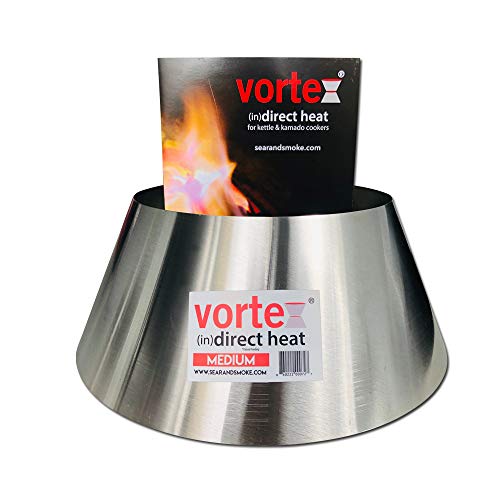
Medium BBQ Vortex for Kettle and Kamado Grills
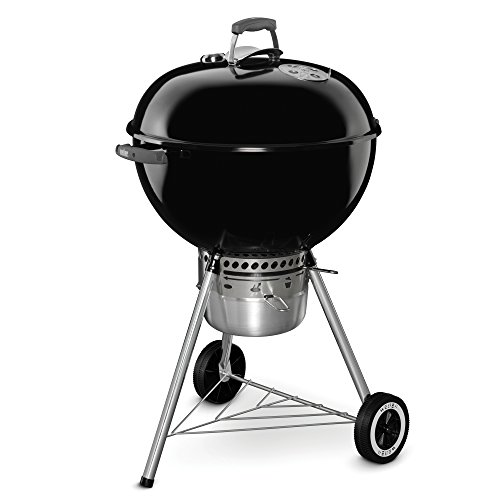
Weber Original Kettle Premium Charcoal Grill 22-Inch
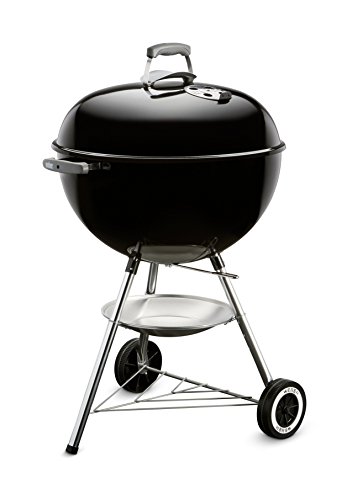
Weber Original Kettle Charcoal Grill 22-Inch

Weber Jumbo Joe Charcoal Grill 18-Inch

Kingsford Original Charcoal Briquettes 16 Pounds

Royal Gourmet CC1830V 30 Barrel Charcoal Grill
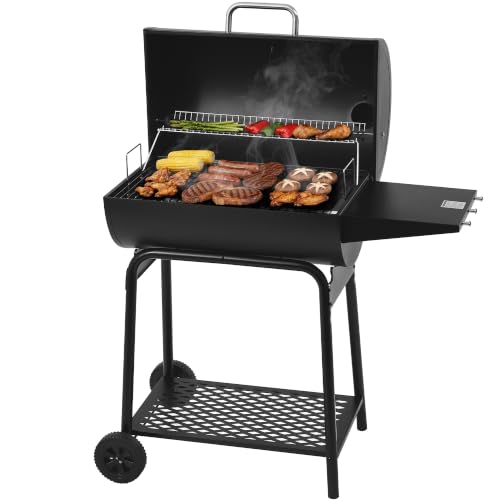
Royal Gourmet CC1830 28 Barrel Charcoal Grill

Olivette Organic BBQ Charcoal Briquettes 4-Bag Case
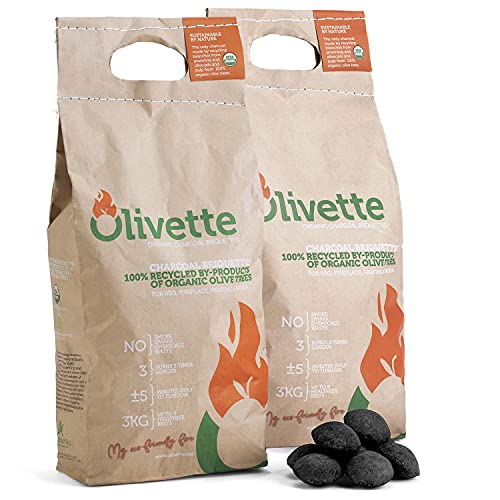
Olivette Organic BBQ Charcoal Briquettes 2-Bag Pack

Royal Gourmet CC1830S Charcoal Grill and Offset Smoker
A Deeper Look At The Lineup
This isn’t a grill, it’s an accessory that changes how a grill cooks. The Vortex drops into a standard kettle or kamado and concentrates lit coals into a tight ring, which creates a fierce radiant heat zone in one spot while the rest of the grate stays cooler for indirect work.
For a backyard cook chasing restaurant-style sear marks, that’s a useful tool. It’s made in the USA and ships with a trademarked color brochure to confirm authenticity, so there’s no guessing whether the unit you receive is genuine.
Good Reasons To Consider
- Turns any kettle or kamado into a direct-heat searing station
- Built for two-zone cooking, so you can sear over the cone and finish away from it
- Compatible with widely owned kettle and kamado grills already in many backyards
- Made in the USA, sold by the official manufacturer listing
Things To Consider
- You’ll still need a full grill to host it, since the Vortex is an insert, not a stand-alone cooker
- Charcoal usage rises during long sear sessions because the cone pulls a lot of fuel
Who It Suits Best
Cooks who already own a kettle or kamado and want steakhouse-style sears without buying a second grill.
Consider Something Else When
You don’t yet own a compatible grill, in which case the Weber Original Kettle Premium Charcoal Grill covers the host unit as well as the sear.
Weber’s Premium tier takes the classic 22-inch kettle and layers on small upgrades that matter during a long cook. The hinged cooking grate swings open so you can drop fresh charcoal on the fire without lifting the grate or losing heat through the lid.
For weekend cooks who fire up the kettle for burgers, chicken, and an occasional low-and-slow shoulder, the upgrades pay off fast. A high-capacity ash catcher and the One-Touch cleaning system (a trio of vents in the bowl that you sweep to push ash into a tray) keep ash management from becoming the worst part of the cook.
Key Advantages
- Hinged grate means no food shuffle when refueling mid-cook
- Larger ash catcher reduces mid-cook emptying
- Classic 22-inch cooking surface fits a full meal for a family
- Compatible with the wide range of Weber kettle accessories already on the market
Worth Noting
- Costs more than the standard Original Kettle covered in Pick 3
- Steel legs and wheels sit light, so you’ll want a sheltered spot in windy areas
Quick Facts
Made For
Backyard hosts who grill most weekends and want the smoother workflow of the Premium version over the standard kettle.
Look Elsewhere When
You need a portable setup, in which case the Weber Jumbo Joe Charcoal Grill 18-Inch folds up for tailgates and park days.
This is the kettle that put charcoal grilling on the map. The 22-inch bowl holds a generous spread of food, and the porcelain-enameled lid and bowl hold heat well, which is a fancy way of saying they shrug off rust and keep your cooking temperature steady.
Aluminum dampers on the lid and bowl give you genuine control over airflow, so a low-and-slow pork shoulder and a hard-seared steak are both in play. For someone buying their first charcoal grill, this is the safe, well-documented choice.
A Few Strong Suits
- Proven design refined over decades, with replacement parts widely available
- Porcelain-enameled finish stands up to weather and scrubbing
- Adjustable dampers make two-zone cooking straightforward
Honest Caveats
- Lacks the hinged grate and larger ash catcher of the Premium model in Pick 2
- Single-walled design loses heat faster than a kamado when it’s cold outside
- Wheeled legs work best on flat patios, so a windy corner of a yard can feel tippy
Right Fit For
First-time charcoal owners who want a known quantity with strong parts and accessory support.
A Better Fit Elsewhere
If entertaining is the main goal, the Royal Gourmet CC1830V 30 Barrel Charcoal Grill brings a side table that this kettle doesn’t.
The Jumbo Joe is the kettle for people who don’t keep a kettle at home. The 18-inch plated steel cooking grate offers 240 square inches of working area, which is a real number worth holding onto, since that’s enough for roughly a dozen burgers at once.
It folds down to a small footprint with a handle on top, so it goes in a trunk for a tailgate or a camp pad without a fight. The porcelain-enameled bowl and lid are the same family of materials you’d find on the bigger 22-inch Weber, just sized for life on the move.
What It Does Well
- 240 square inches of cooking area in a portable form
- Plated steel grate heats evenly and resists sticking
- Rust-resistant aluminum dampers hold up to salt-air trips to the coast
Points To Keep In Mind
- Smaller grate than the 22-inch Weber kettles, so big brisket cooks stay home
- Legs don’t lock, so a windy beach day calls for a sandbag or steady hand
Feature Snapshot
Who Will Love This
Tailgaters, campers, and apartment dwellers with a balcony who want a real charcoal fire, not a small gas number.
Reach For A Different Pick When
Your cooking happens in a fixed backyard, in which case the Weber Original Kettle Charcoal Grill 22-Inch is the better long-term home base.
Fuel is half the cookout, and Kingsford Original Briquettes are the default in most American backyards. The 16-pound bag is the workhorse format: enough for several weeknight cooks, easy to lift, easy to stack in a garage or shed corner.
Briquettes (compressed uniform blocks of charcoal, fillers, and binders) burn with predictable heat and a steady rate, which is why people reach for them when they want a fire they don’t have to babysit. Compared to lump charcoal, briquettes tend to light more reliably and cost less per cook.
A Few Highlights
- Compressed shape gives a uniform fire and a consistent cooking temperature
- Generates a steady bed of coals suited to long cooks and quick sears alike
- 16-pound bag is a manageable size for a couple of cooks per week
Small Caveats
- Produces more ash than hardwood lump, so cleaning the firebox matters
- Adds a lighter, less woodsy smoke profile than lump or natural briquettes
Best Suited To
Anyone who wants dependable, no-fuss charcoal for weeknight grilling without overthinking the choice.
Skip It When
You’re after a more pronounced wood-fired flavor, in which case the Olivette Organic BBQ Charcoal Briquettes 2-Bag Pack uses olive wood for a different aroma.
The CC1830V is a barrel-style charcoal grill with a side table mounted on the front, which sounds like a small thing until you’ve tried to plate chicken with no surface in reach. The 30-inch barrel offers enough grate to feed a crowd, and the side table gives you prep space next to the fire.
For someone who hosts regularly, that side table moves a Royal Gourmet from a basic barrel grill into something that supports a real cooking workflow. Plating, resting, and seasoning can all happen without running back to a kitchen counter.
Where It Excels
- Front-mounted side table adds usable workspace at the grill
- 30-inch barrel swallows burgers, chicken, and kebabs for a group
- Barrel shape supports two-zone charcoal setups for varied heat
Things To Weigh
- Barrel grills weigh more and take more storage than a kettle
- Wheels are functional but not heavy-duty, so plan the spot before assembling
At A Glance
Who Should Grab It
Backyard hosts who run regular cookouts and need built-in prep space without buying a separate grill cart.
Another Choice May Suit
You mostly want to slow-smoke rather than host buffet-style, in which case the Royal Gourmet CC1830S BBQ Charcoal Grill and Offset Smoker is purpose-built for that.
The CC1830 shares the barrel layout with its sibling in Pick 6 but swaps the side table for a warming rack, the upper-tier grate where finished food rests and stays hot while the next round cooks. For family dinners, that rack is a quieter, more useful upgrade than a side table.
It parks buns and finished burgers off the main heat, and it doubles as an indirect-cooking surface for vegetables or fish. The 28-inch barrel is still generous, and the lid closes cleanly for indirect heat work.
Well-Handled Touches
- Warming rack keeps cooked food ready while the next batch goes on
- 28-inch barrel fits a family meal with room to spare
- Closed-lid design supports indirect cooking and longer cooks
Trade Offs
- No integrated side table, so prep happens elsewhere
- Warming rack sits close to the lid, so very tall items need the main grate
Perfect Match For
Family cooks who want a hot staging area for buns and finished items during a busy cook.
Not Your Match When
You’d rather have a built-in prep surface, in which case the Royal Gourmet CC1830V 30 Barrel Charcoal Grill is the better fit.
Olivette briquettes are made from recycled olive pulp, olive pits, and olive pruning branches, a blend that turns an agricultural byproduct into a clean-burning fuel. The 4-bag case at 6.6 pounds each gives you around 26 pounds of charcoal, which covers a stretch of regular grilling.
The briquettes are organic-certified, contain no chemical additives, and are described by the maker as producing a light olive-wood smoke, a subtle note that suits fish, vegetables, and chicken in particular. For cooks who care about sourcing, that’s the draw.
Real-World Strengths
- Made from recycled olive byproducts, a real eco angle rather than marketing
- Olive-wood smoke gives food a distinct, lighter aroma than standard briquettes
- 4-bag case spreads the cost across multiple cooks
Practical Considerations
- Lights a little slower than Kingsford, so allow extra time before grilling
- Olive briquettes can cost more per pound than mainstream charcoal
- Smaller bag format (6.6 lb) means more frequent repurchasing for high-volume cooks
Feature Rundown
Built With In Mind
Eco-conscious regular grillers who want a fuel that aligns with how they shop for the rest of their kitchen.
Where A Sibling Pick Shines
You want to test the flavor before committing to a case, in which case the smaller Olivette Organic BBQ Charcoal Briquettes 2-Bag Pack is a sensible first step.
This is the smaller version of the same organic blend, two 6.6-pound bags instead of four. For someone curious about olive-wood charcoal but not ready to commit to a full case, that’s a useful format: enough to run a few cooks and form an opinion.
The briquettes still light from a chimney starter and burn with the same mild, olive-wood profile as the larger case. It’s the lowest-risk way to find out whether the flavor suits your usual menu.
Why It Works Well
- Smaller pack keeps the upfront cost down for first-time buyers
- Same olive-wood profile as the 4-bag case
- Organic-certified blend with no chemical additives in the listed formulation
Some Limits To Know
- Two-bag format runs out faster for cooks who fire up the grill weekly
- Per-pound cost is typically higher than the larger 4-bag case
Whose Shelf It Belongs On
Curious first-time buyers who want to sample organic olive briquettes before scaling up to a larger case.
Swap It Out When
You find you reach for it often, in which case the Olivette Organic BBQ Charcoal Briquettes 4-Bag Case lowers the per-cook cost.
The CC1830S adds a small offset smoker box to the side of a barrel grill, which is the entry point into two-zone, low-and-slow cooking. The main barrel handles direct grilling, while the side box burns a small fire of its own for smoke.
For beginners who want to try ribs or a brisket without a dedicated smoker, this combined setup costs less and stores more compactly than buying two separate units. A built-in temperature gauge on the lid and liftable cooking grates make heat control more approachable.
Useful Highlights
- Combined grill and offset smoker cuts the gear list in half
- Side firebox gives beginners a real two-zone, smoke-and-roast workflow
- Temperature gauge on the lid supports more confident indirect cooks
Less-Strong Areas
- Offset boxes run hotter on one side, so plan to rotate and flip for even smoking
- Steel components need covering or sheltering in rain to avoid early rust
Technical Highlights
The Right Fit
Beginners stepping into smoking who want one piece of gear that handles both grilling and a first attempt at ribs or a shoulder.
Where Another Pick Suits Better
You mostly want a straightforward charcoal grill without the offset firebox, in which case the Weber Original Kettle Premium Charcoal Grill 22-Inch is simpler to learn.
Picking Charcoal That Matches How You Cook
Matching the right charcoal and grill to your cooking style matters more than chasing the most expensive option. Lump charcoal (irregular pieces of real wood charcoal) lights fast and burns hot, which makes it a strong match for searing steaks and high-heat grilling. Briquettes, the compressed, uniform blocks, hold a steady temperature for longer, which suits indirect cooking and low-and-slow sessions. Olive-based organic briquettes sit in between, with a distinctive aroma that complements fish, vegetables, and lighter meats.
Grill Size And Cooking Area
A 22-inch kettle feeds a family of four with room to spare, while an 18-inch portable kettle or 30-inch barrel grill changes the equation for tailgates or larger gatherings. Match the cooking surface to how many people you typically feed, not the maximum crowd you might host once a year.
Build Materials And Weather Resistance
Porcelain-enameled bowls and lids shrug off rust and scrubbing, which matters if the grill lives outside year-round. Bare steel components save cost but need a cover or a sheltered spot to last. For coastal or humid climates, rust-resistant aluminum dampers help parts hold up.
Two-Zone Capability
Most charcoal cooking leans on two zones: a hot side for searing and a cooler side for finishing. Kettles, barrel grills, and kamado-style cookers all support this with a lid closed. If you plan to smoke, an offset box or a kamado setup expands the range.
Fuel Format And Storage
Briquettes stack neatly in a bag, and 16-pound or larger bags fit a garage shelf. Lighter bags are easier to lift but run out faster. If you cook once a week, two-bag or four-bag cases of specialty charcoal balance cost and storage.
Key Considerations Across These Picks
Mistakes Worth Dodging
A common slip in this category is buying the largest grill available without thinking about where it will live. A 30-inch barrel takes a real footprint and a flat surface, so measure the patio or deck first. Another trap is matching an organic or specialty briquette to a quick weeknight cook. The flavor shines on slower cooks, while a fast sear of burgers is a fine place for standard briquettes. Finally, skipping a cover or sheltered spot for a steel-bodied grill in a rainy climate is the kind of small choice that costs years off a cooker’s life.
The Case For Spending Up
Higher-tier grills in this category earn their place through build details, not just size. A hinged grate, a larger ash catcher, and rust-resistant dampers add up to less daily friction and longer service life. Premium models also tend to hold heat more steadily, which is a real advantage on cold or windy days when a basic grill fights the weather. For someone who grills most weekends, the upgrade typically pays back through years of easier cooking rather than through any single feature.
Frequently Asked Questions
How Much Charcoal Do I Need Per Cook?
Most weeknight meals on a 22-inch grill need roughly 30 to 50 briquettes, while longer cooks may use several pounds. Larger barrel grills with more grate area use more fuel per cook.
How Long Does Charcoal Stay Good In The Bag?
Stored in a dry garage or shed, sealed bags of briquettes or lump keep for years. Moisture is the main threat, so keep bags off the ground and away from leaks.
Can I Mix Lump Charcoal And Briquettes?
Many cooks do, using lump to build a hot base quickly and briquettes to keep the temperature steady for the rest of the cook. The result is a faster light with longer, more even heat.
Are Organic Briquettes Worth The Higher Cost?
The trade-off is flavor and sourcing, not performance. Olive-based organic briquettes produce a distinct, lighter smoke and avoid chemical additives in the listed formulation, which matters most on longer, lower-temp cooks.
How Do I Dispose Of Used Charcoal Ashes?
Let ashes cool completely in the grill or in a metal container for at least 48 hours, then place them in a metal ash container away from the house. Wet them down before final disposal to reduce airborne dust.
Final Verdict
The right pick depends on where and how you cook. Backyard regulars gravitate toward a 22-inch Weber, traveling grillers lean on the Jumbo Joe, and those chasing smoke turn to the CC1830S. Match the fuel to the menu, give the gear a sheltered spot, and the rest of the season sorts itself out.