
Cold nights in the backcountry don’t have to mean frozen fingers and restless sleep. The right tent heater turns a frosty four-season shelter into something you actually want to crawl into, and the cordless options on this list have come a long way. From radiant propane units that warm ice-fishing shanties to electric PTC heaters for grow tents and remote-compatible indoor models, the category has matured into something every cold-weather traveler should understand.
A Side-By-Side Look
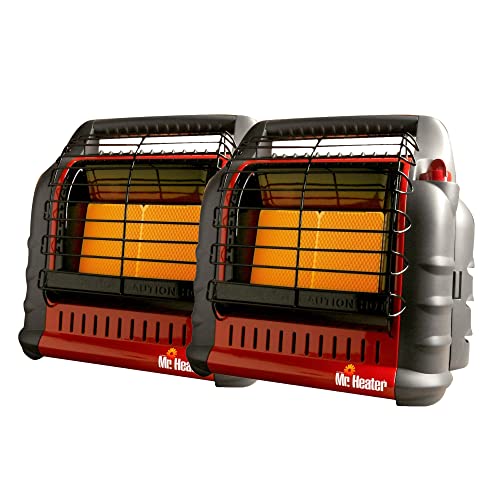
Mr. Heater F274805 Big Buddy Propane Tank Powered Heater

HEATHIVE Portable Propane Heater for Camping

CAMPLUX 8,500 BTU Portable Propane Heater

JIBUFI Portable Space Heater with 70° Oscillation and Remote

Intcoll PH001PRO Portable Propane Heater

Comfort Gear Portable 10,000 BTU Propane Heater
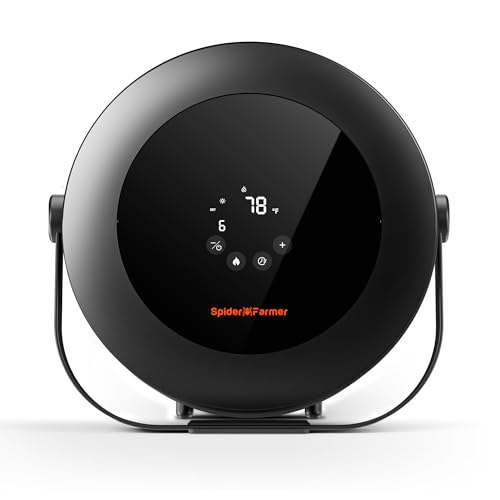
Spider Farmer 530W PTC Heater for Grow Tent
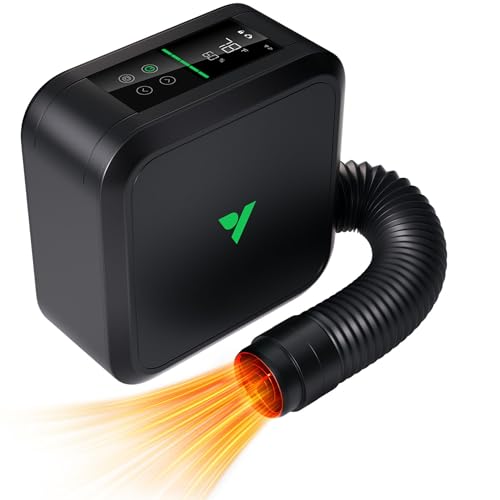
VIVOSUN AeroFlux 700W PTC Grow Tent Heater with Thermostat and APP

Fitfirst Portable Propane Heater 9000 BTU
A Closer Look At Each Pick
The Big Buddy sits at the heavy end of portable propane heating, and that weight translates directly into heat output. Three BTU settings, 4,000, 9,000, and 18,000, give you real range control rather than the simple on-and-off pattern of smaller units. For hunters running a wall tent or campers wintering in a four-season shelter, the Big Buddy handles spaces that smaller picks like the HEATHIVE simply cannot reach.
You run it off either a disposable propane cylinder or a larger tank with the right adapter, which makes it flexible for both weekend trips and extended basecamps. A single control knob, an accidental tip-over shut-off, and an oxygen-depletion sensor (ODS, a safety feature that cuts the flame if breathable oxygen drops too far) round out a heater designed for enclosed spaces, not just open air.
Positive Takeaways
- Three BTU settings cover everything from a gentle preheat to a full mid-winter tent warmup.
- ODS and tip-over shutoff make it safer for fully enclosed canvas and cabin tents than radiant-only units.
- Accepts a larger propane tank with an adapter, cutting down on cylinder swaps during multi-day trips.
- Heats areas roughly the size of a large wall tent or small cabin, which smaller picks struggle to match.
Things To Consider
- It is heavier and bulkier than the HEATHIVE or CAMPLUX, so it shines in car-camping setups more than backpack trips.
- Ventilation matters; even with ODS, you need a cracked vent in fully sealed shelters.
Feature Snapshot
Who It Suits Best
Car campers, hunters, and ice anglers running larger enclosed shelters where the HEATHIVE would run out of steam.
Where Another Pick Suits Better
Solo backpackers counting ounces should look at the HEATHIVE Portable Propane Heater for Camping instead.
Where the Mr. Heater Big Buddy is a heater you wheel to a basecamp, the HEATHIVE is one you throw in a pack. The foldable tank holder and the small frame make it the kind of heater you actually carry on a winter hike into a tent site. There is no battery pack or power cord required, so you stay untethered.
You screw on a standard 1-pound propane cylinder, press the ignition button, and adjust the flame with the control knob. A brass connector keeps the gas line secure, and the protective front grill reduces the chance of a stray jacket or sleeping bag brushing into the radiant surface.
The Helpful Details
- One-push ignition gets heat going fast when you arrive at a cold camp.
- Foldable tank base collapses for transport, saving space in a packed vestibule.
- Runs cleanly on a small 1-pound cylinder that is easy to stock in any outdoor shop.
Trade Offs
- Coverage drops fast in larger wall tents, so it fits one-person or two-person shelters best.
- The propane cylinder is sold separately, which catches first-timers off guard.
Right Fit For
Winter backpackers, solo campers, and ice anglers working a small shelter who want a heater they can shoulder.
Swap It Out When
You run a four-person or family-sized shelter, where the Comfort Gear Portable Propane Heater has the BTU range to keep up.
The CAMPLUX strikes a useful middle ground: more heat than the HEATHIVE, less bulk than the Big Buddy. At roughly 4.2 pounds with a detachable tripod base, it is the kind of heater you carry from the truck to the tent without thinking twice, especially with the included storage bag.
Two heat settings give you more control than a single-flame radiant head, and the safety tilt switch plus ODS make it usable in partially enclosed spaces like a garage or a well-vented tent vestibule. The tripod base matters more than it sounds, because uneven ground at a campsite is the rule, not the exception.
Positive Points
- Light enough to carry one-handed on a hike-in site.
- Detachable tripod stabilizes the unit on gravel or grass where flat ground is rare.
- ODS and tilt switch add redundancy for garage and workshop use.
- Storage bag keeps the burner and base together between trips.
Worth Noting
- 8,500 BTU falls between sizes, so it underperforms the Comfort Gear for very large spaces.
- Tripod adds a small setup step that simpler tabletop units skip.
Feature Snapshot
Best Suited To
Campers who split time between tents, tailgates, and fishing trips and want one heater that handles all three.
Consider Something Else When
You heat a workshop regularly, where the Comfort Gear Portable Propane Heater is built for longer runtimes.
The JIBUFI is the one electric unit on this list, and the one that makes sense when you camp with a power source. The 70-degree oscillation sweeps warmth across a wider footprint, which matters in a small cabin or an indoor tent where a single radiant point leaves cold corners behind. Owners commonly park it by a desk or beside a bed for targeted heat.
The remote is the kind of detail you stop noticing until you use it. Reaching across a cold floor to bump the temperature is exactly the kind of small friction a remote solves, and tip-over protection with an automatic shutoff makes it suitable to leave running while you drift off.
Useful Strengths
- Oscillation spreads warmth across the room, unlike single-direction radiant heaters.
- Remote lets you adjust settings without leaving a sleeping bag.
- Tip-over shutoff makes it safer to leave on overnight in a tent or yurt with power.
Honest Caveats
- Requires wall power or a portable power station, which rules out off-grid use.
- Heat range suits indoor tents and small rooms, not full canvas wall tents.
Whose Shelf It Belongs On
Glampers, indoor campers, and anyone running an electric tent setup with a generator or battery station.
Look Elsewhere When
You camp far from outlets, where the Fitfirst Portable Propane Heater runs cleanly on a 1-pound cylinder.
The Intcoll’s biggest selling point is also its least obvious: it runs on either a 1-pound propane cylinder or an ISO-butane canister. For travelers crossing borders or buying fuel in unfamiliar stores, that flexibility is the difference between finding a fuel source and shivering through a trip. The self-ignite button skips the lighter ritual of older propane heaters.
The included base keeps the unit planted on uneven tent pads and tailgate beds. Without that base, smaller radiant heaters tip at the worst possible moment, so the engineering decision to bundle one in earns its keep the first time you set up.
The Case For It
- Dual-fuel design removes the “wrong cylinder” problem in remote locations.
- Self-ignite button means one less piece of gear to remember.
- Stable base lowers the tip-over risk that plagues small radiant units.
Points To Note
- Heat output sits in the personal-shelter range rather than wall-tent territory.
- ISO-butane availability varies by country, so the propane fallback is the more useful path.
Made For
International campers and overlanders who need fuel flexibility without carrying two heaters.
A Better Fit Elsewhere
You mostly camp at home with standard propane cylinders, where the Fitfirst Portable Propane Heater has a more familiar BTU curve.
The Comfort Gear is the workhorse of the roundup. With adjustable settings of 5,500, 9,000, and 18,000 BTU and coverage up to roughly 450 square feet, it handles the spaces most personal propane heaters simply cannot: large garages, jobsite trailers, and family-sized tents.
The retractable carry handle and freestanding frame make it portable for a unit this powerful. ODS makes it usable indoors with proper ventilation, and the sturdy base plus tip-over shutoff cover the basics for tent use.
The Good Stuff
- Three BTU settings let you tune heat output to room size instead of guessing.
- ODS unlocks indoor use in ventilated spaces like garages and workshops.
- Roughly 450 square feet of coverage beats most portable propane units in its class.
- Tip-over shutoff and a protective guard keep paws and gear away from the radiant surface.
Practical Considerations
- It is larger and heavier than tent-specific picks like the CAMPLUX, so portability suffers.
- High-BTU mode burns propane quickly, so a larger tank is the practical pairing.
Spec Overview
Who Should Grab It
Homeowners with cold garages, workshop users, and family campers who need serious BTU behind their heat.
Not Your Match When
You mostly want a backcountry heater, where the HEATHIVE Portable Propane Heater for Camping packs down smaller.
The Spider Farmer is built for a different tent entirely. Rather than chasing campers, this PTC (Positive Temperature Coefficient, a heating element that self-regulates its temperature and runs more safely than coil heaters) unit targets grow rooms where consistent temperature matters for plant health. Ten heat levels give growers finer control than a simple low-high dial, which is the difference between a steady 72°F and a temperature that swings five degrees every hour.
Its zone-based temperature regulation cycles the heater on and off less aggressively than fixed-temperature units, reducing wear on the element over years of daily use.
Strong Points
- Ten heat levels suit growers who want precise environmental control rather than simple on-and-off cycling.
- PTC element runs cooler to the touch and tends to last longer than resistive coil heaters.
- Compact form factor fits inside a grow tent without dominating the canopy space.
Room For Improvement
- It requires power, so it is not a battery-tether-free heater for off-grid camping.
- Heat range is tuned for plant environments, not personal warmth in cold overnight camping.
Perfect Match For
Indoor gardeners maintaining stable temperatures in a small grow tent or propagation space.
Reach For A Different Pick When
You camp on weekends, where the Fitfirst Portable Propane Heater is more useful without wall power.
The VIVOSUN AeroFlux is the smarter sibling to the Spider Farmer. With app control, VPD (Vapor Pressure Deficit, a measurement that tracks the relationship between temperature and humidity to help growers dial in plant transpiration) tracking, and five heat settings, it speaks to growers who manage their environment from a phone rather than walking into the tent to bump a dial.
The 700W output is stronger than the Spider Farmer, which means faster recovery after a door opens or a light cycle ends. Tip-over, overheat, and V0 (a flame-retardant material rating) protections make it a heater you can leave running unattended in a closed tent.
What It Does Well
- App control means you adjust settings from across the house.
- VPD tracking helps growers dial in transpiration alongside temperature.
- Stronger 700W output warms grow tents faster than smaller PTC units.
- Multiple safety protections support unattended operation in a sealed environment.
Factors To Consider
- Heavier price tag than the Spider Farmer makes it overkill for casual gardeners.
- Requires a Wi-Fi connection to unlock the smart features, with reduced utility offline.
Built With In Mind
Tech-forward growers who treat climate as a connected system rather than a manual dial.
Skip It When
You just need a reliable heat source without the app ecosystem, where the Spider Farmer 530W PTC Heater is the simpler call.
The Fitfirst closes the roundup as the practical option that does the basics without drama. Two heat settings delivering roughly 6,000 to 9,000 BTU cover a typical small tent or an ice-fishing shelter, and the carry handle makes the unit easy to grab with one hand on a cold morning.
Tip-over protection and ODS cover the safety basics for an enclosed space, and the unit runs up to roughly 3.5 hours on a standard 1-pound cylinder, which fits a typical overnight camp without refueling.
Notable Gains
- Two settings give usable low-and-high modes without a complicated control panel.
- Roughly 3.5 hours of runtime on a 1-pound cylinder covers most overnight stays.
- Tip-over and ODS protections meet the basic safety expectations for indoor shelter use.
Less Ideal Details
- Coverage caps around 225 square feet, which falls short of the Comfort Gear for larger rooms.
- Plastic housing feels less rugged than metal-bodied propane heaters over the long haul.
Feature Card
Who Will Love This
Weekend campers, RV travelers, and ice anglers who want a no-fuss propane heater for short cold outings.
A Better Fit Elsewhere
You need serious BTU for a family-sized tent, where the Comfort Gear Portable 10,000 BTU Propane Heater delivers far more heat.
Picking The Right Heater For Your Shelter
The first decision is fuel type. Propane units like the Mr. Heater Big Buddy or the HEATHIVE run without any power source, which makes them the right pick for backcountry tents and ice-fishing shanties far from outlets. Electric PTC heaters like the Spider Farmer and VIVOSUN AeroFlux require a wall socket or a portable power station, but reward you with finer temperature control and indoor-friendly operation without combustion gases.
Second, look at coverage area. A solo tent in the woods is a different beast than a four-person family shelter, and the gap between a 225-square-foot pick like the Fitfirst and the 450-square-foot Comfort Gear is the difference between a toasty shelter and a lukewarm one. Match the heater’s coverage to your tent’s floor area, then add a small safety margin for severe cold.
Third, consider ventilation and safety. ODS and tip-over shutoff are not optional in enclosed shelters, especially for families with kids or pets. Even with ODS, you want a cracked vent or a partially open door to keep breathable oxygen at safe levels during overnight runs.
Real Talk On Cold-Weather Choices
Common Buying Traps
The biggest trap is matching a small personal heater to a large family tent. Shoppers see “propane heater” and assume any unit will warm any shelter, which is rarely true. The HEATHIVE is a one-person workhorse, not a four-season family solution. Pick the heater to your tent size first, then refine by weight and fuel.
Where The Extra Money Goes
Premium-tier units like the VIVOSUN AeroFlux or the Mr. Heater Big Buddy earn their keep through better safety layers, finer temperature control, and stronger build quality. For weekend campers, the value tier holds up fine. For growers managing a year-round tent or hunters running a wall tent in serious cold, the upgrade pays for itself in reliability and control.
Frequently Asked Questions
Are battery powered tent heaters safe inside enclosed shelters?
Most modern units include ODS and tip-over shutoff, but no heater is truly safe in a fully sealed shelter. You still need ventilation, usually a cracked door or a vent flap, to keep breathable oxygen at safe levels.
How long does a 1-pound propane cylinder last?
A 1-pound cylinder typically runs a small personal heater for around three to five hours, depending on the BTU setting. Heavier output cuts runtime, while low settings stretch it further.
Can I use a propane heater in a canvas wall tent?
Yes, with proper ventilation and a heater rated for enclosed use. The Mr. Heater Big Buddy and Comfort Gear are common picks for canvas wall tents, provided you leave airflow paths open.
Do grow tent heaters work for camping?
Not really. Grow tent heaters like the Spider Farmer require power and are tuned for plant temperature ranges, not personal comfort in sub-freezing weather. A propane unit is the better camping pick.
What size heater for a four-person tent?
For a typical four-person tent, you want at least 9,000 BTU at the high setting, with the Comfort Gear’s 18,000 BTU mode giving meaningful headroom on cold outings.
The Takeaway
The right tent heater depends on your shelter size, your fuel access, and how much heat you actually need to stay comfortable. Backpackers gravitate toward the HEATHIVE and Intcoll, families and hunters lean into the Mr. Heater Big Buddy and Comfort Gear, and growers find their match in the Spider Farmer and VIVOSUN AeroFlux. Pick the one that fits your shelter and your fuel situation, and the cold nights become a lot easier to manage.