
When the campfire fades and the tent goes up, the right light source shapes the entire night. A dependable battery lantern keeps meal prep safe, helps kids find their sleeping bags, and gives you hands-free visibility during a sudden storm. The trick is matching lumen output, runtime, and ruggedness to the way you actually camp.
An Overview Of The Picks
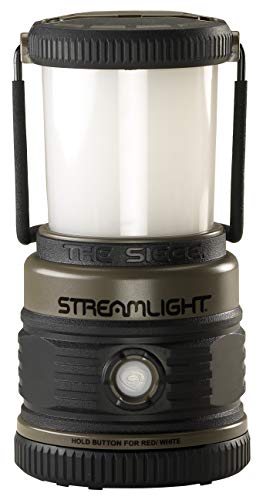
Streamlight 44931 Siege Compact Lantern (Coyote)

Glocusent 106 LED Camping Lantern 5000mAh
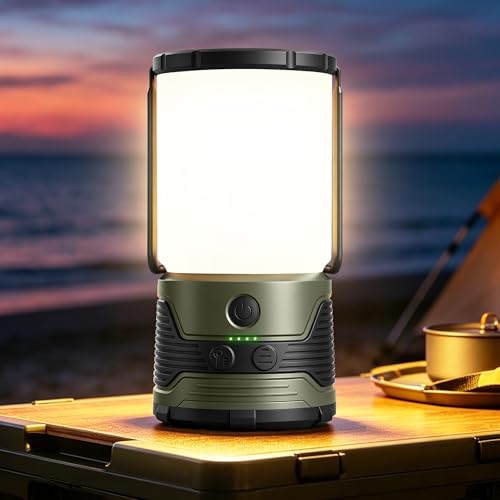
Glocusent 1200LM LED Camping Lantern Rechargeable
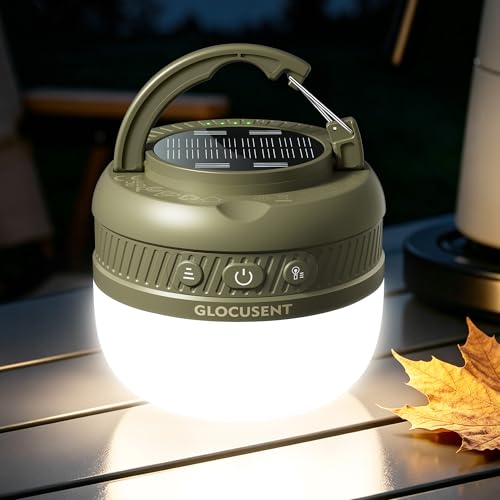
Glocusent 400H Camping Lantern Solar Pocket
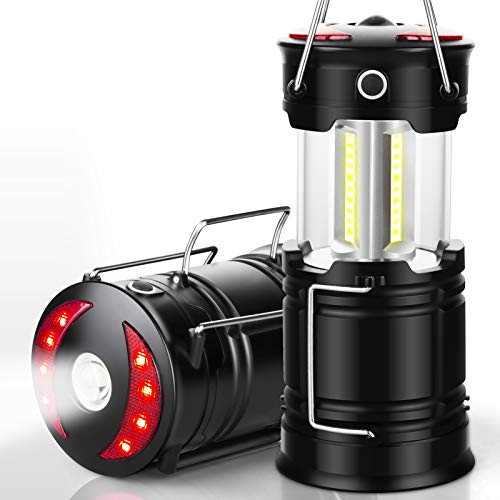
EZORKAS 2 Pack Camping Lanterns

Ropelux LED Camping Lantern 1500lm Rechargeable

Glocusent LED Rechargeable Camping Lantern 5000mAh
Inside Each Recommended Option
Small enough to toss in a daypack yet bright enough to light up a four-person tent, the Streamlight 44931 Siege Compact Lantern punches above its size. The coyote finish gives it a low-profile look that blends into camp life rather than screaming “gadget.” Compared to the Glocusent models coming up, this lantern trades rechargeable convenience for rugged, no-nonsense AA power, which many backpackers still prefer.
Owners commonly appreciate the rubberized base that grips uneven surfaces and the removable globe for easier cleaning after dusty trips. The reduced footprint makes it a natural pick for tight tent platforms or shared picnic tables.
What Helps Most
- Compact body slips easily into packs and limited storage cubbies
- Rubberized base resists slipping on slick tent floors or rocky surfaces
- Multiple brightness settings let you tune output for cooking versus reading
- AA battery compatibility means replacements are available at almost any gas station
Things To Consider
- Lacks a built-in rechargeable cell, so long trips require spare batteries
- Output falls short of the higher-lumen Glocusent models for large group use
Feature Snapshot
Who It Suits Best
Solo backpackers and small-group campers who value compact gear and simple AA power over rechargeable convenience.
Look Elsewhere When
You camp with a large group and need the wider area coverage of the Glocusent 1200LM LED Camping Lantern Rechargeable.
Rough trips call for gear that shrugs off bad weather, and the Glocusent 106 LED Camping Lantern is built with that exact scenario in mind. Its reinforced shell has been tested against repeated high drops, and an IP68 waterproof rating means a sudden downpour or a river-crossing slip won’t end the night. Set beside the Streamlight above, this lantern trades ultralight simplicity for genuine impact resistance.
The 5000mAh rechargeable cell handles multiple nights of moderate use, and the integrated handle doubles as a hanging loop for tarp setups or tree-branch lighting.
What Works In Its Favor
- IP68 waterproofing protects against rain, splashes, and brief submersion
- 5000mAh rechargeable battery cuts down on disposable battery waste
- Reinforced housing absorbs drops that would crack lesser lanterns
- Reliable for storm prep, hunting trips, and remote work sites
Trade Offs
- Heavier than compact models, so backpackers may leave it at basecamp
- Bulkier shape takes up more room in a crowded gear bin
Core Details
Made For
Campers who frequent wet, rocky, or rough terrain and need a lantern that takes abuse without quitting.
Where Another Pick Suits Better
Weight-conscious backpackers should consider the Streamlight 44931 Siege Compact Lantern for its smaller pack footprint.
Big gatherings demand real area lighting, and the Glocusent 1200LM LED Camping Lantern Rechargeable delivers exactly that. The frosted diffuser softens the beam so you can hang it near a dining table without blinding your group, while the 1200-lumen boost mode handles the moments when you need to locate gear across a wide yard. Compared to the compact Streamlight up first, this model trades portability for serious lumen count.
Stepless dimming lets you fine-tune output for reading versus cooking, and the wider lighting area means fewer dark corners around shared tents.
The Helpful Details
- 1200-lumen boost handles large campsite illumination during setup
- Stepless dimming adjusts smoothly from ambient glow to full brightness
- Frosted diffuser reduces harsh glare at eye level
- Rechargeable design removes the cost of constant AA replacements
Minor Gripes
- Boost mode runs hot and drains the battery faster than expected
- Larger size is less practical for solo backpacking
Best Suited To
Group campers and car-camping families who light up dining and kitchen areas at shared sites.
Skip It When
You pack light and prefer the lower-output Glocusent 400H Camping Lantern Solar Pocket instead.
Multi-day trips punish gear that needs constant recharging, which is exactly why the Glocusent 400H Camping Lantern Solar Pocket exists. With up to 400 hours of runtime on lower settings, you can leave it in your tent for an extended backcountry loop and still have light on day five. Pair that with solar topping for daytime top-ups and the lantern becomes a quiet safety net.
The semi-cylindrical shape distributes light evenly across a 161-square-foot footprint, which is enough for most two-to four-person shelters.
Positive Points
- 400-hour runtime at low output covers extended trips without recharging
- Solar assist extends battery life during long daylight stretches
- Five dimmable levels handle everything from cooking to nighttime reading
- Even light spread minimizes shadows inside tents and small shelters
Points To Note
- Lower max brightness compared to the 1200LM Glocusent model
- Solar charging is slower than USB wall top-ups in cloudy weather
Quick Facts
Right Fit For
Extended-trip campers and backpackers who prioritize runtime over maximum lumen punch.
Consider Something Else When
You host larger gatherings and need the Glocusent 1200LM LED Camping Lantern Rechargeable instead.
Buying one lantern per tent quickly adds up, which is where the EZORKAS 2 Pack makes sense. The collapsible COB LED design pulls open for full brightness and collapses down for compact storage, so two of them fit in the same space as a single rigid lantern. Compared to the rugged Glocusent models above, this pair trades premium build materials for accessible pricing.
Owners commonly stash one in the family tent and one in the kitchen area to avoid trekking back and forth.
The Case For It
- Two-lantern pack simplifies outfitting multiple tents at once
- Collapsible design shrinks to pocket size when not in use
- Four lighting modes cover reading and emergency signaling
- Lower entry price for first-time campers building a kit
Softer Spots
- Output and battery performance trail the Glocusent 5000mAh models
- Plasticky finish can scuff if dropped on rough surfaces repeatedly
Who Will Love This
Families outfitting a tent for the first time or anyone stocking a multi-room shelter on a budget.
Not Your Match When
You want rugged, weather-sealed performance and should pick the Glocusent 106 LED Camping Lantern instead.
The Ropelux LED Camping Lantern leans into versatility with a multi-head design that splits its beam across front, side, and rear emitters. That makes it equally handy as a focused flashlight for night hikes and a wide floodlight for cooking setups. Eight lighting modes, including a red strobe, cover both everyday camping and genuine emergency scenarios.
Pair it with a power bank on long trips and the built-in rechargeable cell keeps you off disposable batteries entirely.
The Upside
- Multi-head design replaces a separate flashlight in many camping kits
- Red strobe mode serves as a clear emergency signal
- 1500-lumen peak handles wide-area lighting for group cooking
- Rechargeable cell reduces reliance on AA batteries over the season
Worth Noting
- More complex controls can confuse kids or first-time users
- Multi-head design adds weight compared to single-source lanterns
Feature Card
Perfect Match For
Campers who want one device to cover flashlight, lantern, and emergency signaling duties in the field.
Reach For A Different Pick When
You prefer simple single-knob operation and should consider the Glocusent LED Rechargeable Camping Lantern 5000mAh.
Rounding out the list is a balanced lantern that handles most weekend trips without specialization: the Glocusent LED Rechargeable Camping Lantern 5000mAh. Its 135-LED array fills a 200-square-foot area, which covers most family tents and picnic shelters. Five dimmable levels let you scale output from soft reading light to full kitchen brightness.
Compared to the 1200-lumen Glocusent above, this model trades raw output for a gentler, more even beam that works well at eye level.
A Few Strong Suits
- 5000mAh cell powers several nights at lower brightness settings
- Five dimmable levels cover reading, cooking, and ambient use
- 200-square-foot coverage fits most four-person tents comfortably
- Soft beam reduces glare during card games or mealtime
Possible Compromises
- Not the brightest pick for very large group gatherings
- Recharge time can stretch several hours from a low battery state
Who Should Grab It
Family campers and weekend trip planners who want one lantern that handles most situations without juggling extras.
A Better Fit Elsewhere
Large-group hosts lighting a shared dining canopy should consider the Glocusent 1200LM LED Camping Lantern Rechargeable.
What Matters Most Before Choosing Battery Lanterns For Camping
Brightness and Beam Spread
Lumens tell you how much light a lantern pushes out, but beam spread tells you how that light lands. A high-lumen lantern with a narrow beam can feel harsh up close, while a wide-spread lantern at the same output feels softer and more even. For tent use, even coverage usually beats raw output, so look for frosted diffusers or 360-degree emitter layouts.
Runtime and Charging Style
Runtime determines how long your light lasts before you reach for a cable or spare batteries. Rechargeable lanterns cut long-term costs and let you top up from a power bank or car adapter, while AA-powered models offer simple field replacement. For multi-day trips, a lantern with solar assist can stretch battery life without adding gear weight.
Durability and Weather Resistance
Campsites are rough on gear, so look for reinforced housings, rubberized bases, and meaningful ingress protection ratings. IP ratings indicate how well a lantern shrugs off splashes, rain, or accidental submersion, which matters most for kayak trips, river crossings, and unpredictable shoulder-season weather.
Smart Buying Advice For Outdoor Light Buyers
Pitfalls Shoppers Hit
A common trap is buying the brightest lantern in the lineup only to discover it drains too fast at high output. Match lumen count to your tent size rather than chasing peak numbers, and confirm the runtime at the brightness level you actually plan to use. Another frequent mistake is ignoring charging style; a rechargeable lantern is only convenient if you carry a compatible cable or power source.
When Paying More Pays Off
Higher-priced models typically add ruggedness, longer runtime, and better thermal management during sustained high output. The upgrade is worth it for frequent campers, wet-weather travelers, and anyone who relies on their lantern for emergency prep. Casual weekend campers with mild conditions may find a budget-friendly option covers their trips just as well.
Frequently Asked Questions
How many lumens do I need for a camping lantern?
A range of 200 to 500 lumens covers most tent and picnic-table needs. Larger group sites or cooking shelters benefit from 800 lumens or more.
Are rechargeable lanterns better than battery-powered ones?
Rechargeable lanterns save money over time and reduce battery waste, but they require a charging source. Battery-powered lanterns offer simple swap-out convenience in remote areas.
Can I use a camping lantern in the rain?
Look for an IPX4 rating or higher for rain resistance, and IP67 or IP68 if submersion is possible. Not all lanterns handle wet weather equally.
How long should a camping lantern last on one charge?
Runtime varies widely by brightness level. Lower settings can stretch to 100+ hours on some rechargeable lanterns, while high modes may only last a few hours.
What’s the difference between a lantern and a flashlight for camping?
Lanterns provide 360-degree area lighting for shared spaces, while flashlights offer focused beams for navigation. Some multi-mode lanterns handle both roles.
Wrap Up
The right battery lantern comes down to matching output, runtime, and ruggedness to your usual trips. Compact backpackers tend to favor the Streamlight, while group campers lean toward the brighter Glocusent options. Pick the model that fits your real campsite, not just the spec sheet, and your nights outdoors get a lot easier.