
Swapping a tired cell back into a cordless mower feels great on the first cut, but the wrong replacement kills runtime and slowly drags down the whole tool. The seven options below cover walk-behind cordless mowers, riding tractors, and the shared 18V/20V platforms your other yard gear already runs on. Pick by platform first, capacity second, and you’ll spend more time mowing and less time watching a battery gauge drop.
A Fast Comparison Of The Options

Ibanti 56V 10000mAh Replacement for EGO

Boetpcr 2-Pack 56V 10000mAh BA2800 Replacement

RYOBI ONE+ 18V 4.0 Ah Battery (2-Pack)
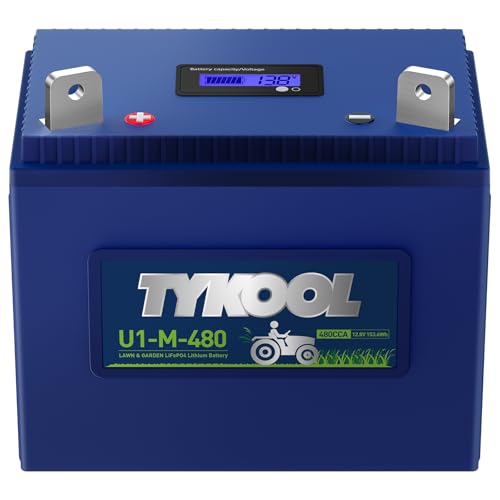
TYKOOL 480CCA U1 LiFePO4 Lawn Mower Battery

EGO Power+ 56V 12.0Ah BA6720T 2-Pack

Worx WA3575 20V PowerShare 2.0 Ah Battery
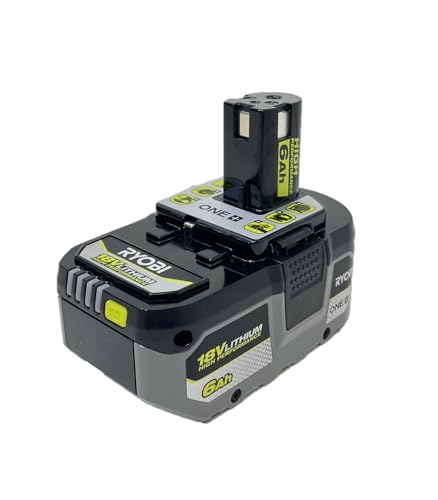
Ryobi P193 18V 6.0 Ah ONE+ Battery
A Breakdown Of The Leading Choices
Running an EGO mower on a single battery means downtime whenever that cell is on the charger, and the Ibanti 56V replacement is built for that exact gap. It’s a 56V lithium-ion pack rated at 10Ah (amp-hours, a measure of how long a battery can deliver a given current), and it’s listed as compatible with the EGO BA1400, BA2800, BA4200, and BA5600 series along with the CH2100 charger.
For homeowners who already own a real EGO charger, this is a way to keep a second pack ready without paying full name-brand pricing. The trade-off is brand-name ecosystem support, so firmware updates and warranty handling go through the seller rather than EGO directly. Anyone with a small yard and a single-battery routine will find this fits the bill.
The Practical Payoff
- Drops into existing EGO 56V tools and chargers with no adapter needed
- 10Ah capacity covers a typical suburban front-and-back mow on a single charge
- Single-pack purchase keeps upfront cost lower than multi-pack rivals
- Lithium-ion cells hold charge well during winter storage in an unheated garage
Things To Consider
- Warranty and support go through a third-party seller rather than EGO
- One pack means no rotation if the cell runs flat mid-cut
Key Product Details
Made For
Solo EGO 56V owners with small lots who want a spare pack without stepping up to a multi-battery kit.
Consider Something Else When
Large-lot mowers will get more done between swaps with the EGO Power+ BA6720T 2-Pack reviewed further down.
Two batteries in one box changes the rhythm of a Saturday mow, because you can run one down and slide a fresh one in without a charging pause. The Boetpcr 2-Pack ships two 56V 10Ah lithium-ion packs that slot into the same EGO BA1400, BA2800, and BA4200 footprint used by the original brand. An onboard LED power indicator is the small touch that makes the difference when you’re standing at the back door deciding which pack to grab.
This is the upgrade path for an EGO household that already owns one tired pack and a CH2100, CH2800D, or CH5500 charger on the wall. The honest read is that two packs means rotation, but rotation also means both cells need occasional equalizing charges to stay matched. Anyone who mows front-and-back on a quarter-acre lot will appreciate the redundancy.
Useful Highlights
- Two-pack format removes mid-mow charging downtime
- LED fuel indicator lets you check state of charge at a glance
- Fits EGO BA1400, BA2800, and BA4200 tool families
- Works with CH2100, CH2800D, and CH5500 chargers you likely already own
Trade Offs
- Third-party seller means EGO’s own warranty doesn’t apply
- Two packs need periodic equalizing charges to stay balanced
- Storage gets bulky with two full-size 56V bricks on the shelf
Right Fit For
EGO households with quarter-acre yards who want continuous mowing through battery swaps rather than long charge waits.
Skip It When
You’d rather have factory firmware support and should reach for the genuine EGO Power+ BA6720T 2-Pack below.
The RYOBI ONE+ system has been around long enough that “one battery, many tools” is more than marketing copy. This 2-Pack delivers two 18V 4.0Ah lithium-ion cells that drop into over 300 tools on the platform, from string trimmers and leaf blowers to mowers and work lights. Compared to the Boetpcr’s two-pack format above, RYOBI trades some raw capacity per cell for ecosystem maturity.
For a household already running RYOBI drills, impact drivers, and trimmers, picking up two mower-ready packs at 4.0Ah each is a tidy consolidation. The honest tradeoff is that 4.0Ah won’t stretch as far per cell as the 10Ah 56V options from EGO on big lots, so larger yards may need both packs in rotation. Most suburban lots finish in a single 4.0Ah cycle.
Good Reasons To Consider
- Cross-platform use across 300+ RYOBI ONE+ tools
- Two-pack format covers most lawns without mid-mow swaps
- 18V form factor keeps battery weight easy to handle
- Lithium-ion cells resist self-discharge across the off-season
Points To Keep In Mind
- 4.0Ah per cell is modest for half-acre or larger lawns
- Older HP-brushless tools may want the higher-capacity P193 pack reviewed last
Built With In Mind
Suburban homeowners already invested in the RYOBI ONE+ platform who need dependable spare batteries for both mower and trimmer duty.
Look Elsewhere When
You want longer per-pack runtime in a single 18V cell and should consider the Ryobi P193 6.0Ah battery with onboard gauge below.
Every pick until this point has been a cordless walk-behind battery, but riding tractors play by different rules. The TYKOOL U1 is a lithium LiFePO4 (lithium iron phosphate) starting battery rated at 480 CCA (cold cranking amps, a measure of how much current a battery can deliver for engine starting in cold weather) with a 12Ah capacity, designed to replace the lead-acid box under the seat of mid-sized garden tractors. It’s listed as compatible with John Deere, Cub Cadet, Craftsman, Troy-Bilt mowers, and generators using the U1 group footprint.
For anyone tired of testing a lead-acid battery with a multimeter every spring, this is the modern alternative. LiFePO4 chemistry holds voltage through long storage and doesn’t sulfate the way flooded cells do. The catch is that older tractors with voltage-regulated charging systems may need a quick check to confirm compatibility before the swap.
What Earns Its Place
- 480 CCA delivers strong cranking even on cool spring mornings
- LiFePO4 chemistry resists sulfation during winter storage
- Fits the common U1 group size used across many tractor brands
- 12Ah capacity supports engine starting plus accessory loads
Honest Caveats
- Older tractors may need charging-system verification before swap-in
- Heavier upfront investment than a basic lead-acid replacement
Feature Snapshot
Who Should Grab It
Riding mower owners on John Deere, Cub Cadet, Craftsman, or Troy-Bilt tractors who want a set-and-forget starting battery upgrade.
Reach For A Different Pick When
You run a cordless push mower and should step back up to the Ibanti 56V replacement in pick one.
When the lawn is more than a postage stamp, capacity per pack is the metric that matters, and the EGO BA6720T tops this list at 12.0Ah per cell. The ARC Lithium (EGO’s branded cell design with arc-shaped cooling channels) build claims active heat management so the pack holds full output longer under load, and the shock-resistant outer shell is built for the kind of bumps a mower deck delivers. Two packs in the box doubles the runtime advantage over the Boetpcr 2-Pack reviewed earlier.
This is the genuine-EGO path, which means firmware, fit, and warranty all go through the brand rather than a third-party seller. For anyone with a half-acre or larger lot who mows in thick spring growth, the extra amp-hours pay back in fewer mid-mow pauses. The honest read is that the price step up from aftermarket packs is real, but so is the peace of mind on big cuts.
Everyday Advantages
- 12.0Ah per cell handles large-lot mows in a single charge
- ARC Lithium design manages heat for sustained output
- Two-pack format gives true rotation through long sessions
- Shock-resistant outer shell survives deck-level drops
- Direct EGO warranty and firmware support
Less Ideal Details
- Higher upfront cost than aftermarket single-pack options
- Heavier in the hand than smaller 4.0Ah 18V alternatives
Spec Overview
Who Will Love This
EGO owners with half-acre or larger yards who want factory warranty coverage and the longest runtime per pack on this list.
A Better Fit Elsewhere
Small-lot mowers with tight budgets should drop down to the Boetpcr 2-Pack reviewed in pick two.
Small lots and quick trims reward a light battery more than a heavy one, and the Worx WA3575 lands at 2.0Ah in a 20V form factor that doesn’t drag down the handle. It’s built for the Worx PowerShare platform, which spans string trimmers, drills, leaf blowers, and compact mowers all running on the same cell. Compared to the RYOBI 4.0Ah pack reviewed above, this trades runtime for noticeably less weight in the hand.
For households already standardized on Worx tools, picking up a couple of these as spares is a sensible play. The honest read is that 2.0Ah won’t finish a thick lawn in one pass, so you’ll want two on hand or a quick charger nearby. Anyone running a small yard with a Worx mower will find this fits the system cleanly.
Notable Upsides
- Lightweight 20V form factor reduces arm fatigue on long trims
- Shares across the Worx PowerShare tool family
- Compact size stores easily on a small shelf or hook
- Lithium-ion cells hold charge through winter storage
Things To Weigh
- 2.0Ah is tight for full-lot mows on anything but the smallest yards
- Best paired with a second pack or fast charger in the garage
Best Suited To
Worx PowerShare households with compact 20V mowers and a preference for lightweight handling over maximum per-cell runtime.
Swap It Out When
You need longer runtime per pack and should step up to the RYOBI ONE+ 18V 4.0Ah 2-Pack reviewed in pick three.
One small feature on a battery changes how often you walk back to the charger, and the onboard fuel gauge on the Ryobi P193 is exactly that feature. The P193 ships as a single 18V 6.0Ah lithium-ion cell with HP (High Performance) communication electronics, designed to push more demanding brushless tools and HP-rated mowers harder than standard packs. Compared to the RYOBI 4.0Ah 2-Pack earlier, this trades a second cell for 50% more capacity in one brick.
For anyone with a RYOBI HP brushless mower, the P193 is the pack that unlocks the motor’s full potential. The four-bar fuel indicator on the side is the kind of detail you stop noticing until you’ve used it for a season, then can’t go back. The honest read is that one 6.0Ah pack costs more than two 4.0Ah cells, but the runtime per cycle is meaningfully longer.
A Few Strong Suits
- Onboard fuel gauge shows remaining charge at a glance
- HP communication electronics optimize output for brushless tools
- 6.0Ah capacity handles most suburban mows on a single charge
- Drops into any RYOBI ONE+ 18V tool
- Lithium-ion cells hold charge through long storage periods
Points To Note
- Single-pack purchase means no built-in rotation spare
- Higher cost per cell than the 4.0Ah 2-Pack option
Whose Shelf It Belongs On
RYOBI ONE+ households with HP-brushless mowers who want longer runtime per pack and the convenience of an onboard fuel gauge.
Where Another Pick Suits Better
You’d rather have two spare batteries for continuous rotation and should choose the RYOBI ONE+ 18V 4.0Ah 2-Pack reviewed in pick three.
What Matters Most Before Choosing Battery For Lawn Mower
Match The Platform Before Anything Else
Cordless mower batteries only work on the platform they were designed for. A 56V EGO pack won’t drop into a RYOBI 18V tool, and a Worx 20V cell won’t start a riding tractor. Confirm your mower’s brand and model number before anything else, then look at compatible battery SKUs.
Aftermarket packs offer a budget path within the same platform, but warranty handling goes through the seller rather than the original brand. Genuine packs cost more but route support through the manufacturer.
Capacity Per Pack Versus Pack Count
A single 10Ah cell covers more ground than a single 4.0Ah cell, but two 4.0Ah packs in rotation cover more ground than one 10Ah pack waiting on a charger. Big-lot mowers often benefit more from the multi-pack approach, while small-lot mowers get more from a single high-capacity cell.
Amp-hour ratings tell you how long a pack can deliver a given current, and higher numbers mean longer runtime per cycle. Cold weather, thick grass, and uphill mowing all drain capacity faster than the label suggests.
Riding Mowers Play By Different Rules
Riding tractors use a starting battery, not a propulsion pack, so the chemistry and ratings look completely different. LiFePO4 replacements like the TYKOOL U1 swap in for lead-acid starter boxes and offer longer cycle life, lower self-discharge, and lighter weight. CCA ratings matter more than amp-hours here, because the job is a short burst of cranking current.
Older tractors with simple charging systems may need a quick check before swapping in lithium chemistry, since voltage regulation can vary by model year.
Key Considerations Across These Picks
Common Shopping Slip Ups
Picking by amp-hours alone is the most common mistake, because a high-capacity pack on the wrong platform is useless. Always confirm brand compatibility first, then look at capacity, then look at pack count.
Another trap is buying a single pack and expecting it to cover a multi-hour session. Most cordless mowers need at least two packs in rotation for uninterrupted cuts on anything larger than a small yard.
Why Top Tier Costs More
Genuine-brand packs carry a premium because firmware, fit tolerance, and warranty support all flow through the manufacturer. ARC Lithium designs, HP communication electronics, and onboard fuel gauges add features that aftermarket cells don’t replicate.
For frequent mowers with larger lots, the upgrade pays back in fewer mid-cut pauses, longer service life, and a direct support path if a cell fails early. For occasional mowers on small yards, a budget aftermarket pack on the right platform is often the smarter spend.
Frequently Asked Questions
How long does a cordless mower battery typically last?
Most lithium-ion mower batteries hold useful capacity for three to five years of regular use before runtime noticeably drops. Storage conditions and charge habits affect that window more than brand.
Storing packs at room temperature and avoiding full-charge storage for long stretches helps extend service life across all the options on this list.
Can I use a higher-capacity battery on my current mower?
Yes, as long as the voltage and brand match, a higher amp-hour pack will simply run longer per charge. The motor and charger don’t know the difference.
Higher-capacity packs are heavier, so balance and handling may shift slightly, especially on walk-behind mowers with top-mounted battery bays.
Are aftermarket mower batteries safe to use?
Reputable aftermarket packs use quality lithium-ion cells and include the safety circuitry required for the platform. The trade-off is support: warranty claims go through the seller rather than the original brand.
Checking seller return policies and customer feedback history is the practical way to gauge reliability before purchase.
What’s the difference between a propulsion battery and a starting battery?
Propulsion batteries power the mower’s motor continuously through the cut, while starting batteries deliver a short burst of cranking current to turn over an engine. They use different chemistries and carry different ratings.
The TYKOOL U1 reviewed above is a starting battery, while the rest of this list covers propulsion packs for cordless mowers.
Should I buy one large battery or two smaller ones?
Two smaller batteries in rotation remove mid-mow charging pauses, which matters more on large lots. One large battery simplifies storage and works well for small yards that finish in one cycle.
Pairing a primary pack with a smaller backup is a common compromise that covers most real-world mowing schedules.
The Takeaway
Match your existing platform first, then choose between a single high-capacity pack or a rotation-friendly multi-pack based on lot size. For riding tractors, a LiFePO4 starting battery swaps out the old lead-acid box with longer life and better cold-weather starts. The right cell turns a mower from a chore back into the quick weekend job it should be.