
A first camping trip feels exciting until you realize how much small gear quietly holds the whole thing together. Knives, lights, a basic medical kit, and somewhere to lounge after the hike are the unglamorous basics that turn a rough night outside into a smooth one. This list covers ten pieces of basic camping gear that handle those jobs without weighing your pack down, so you can focus on the trail and the view.
A Quick View Of The Lineup
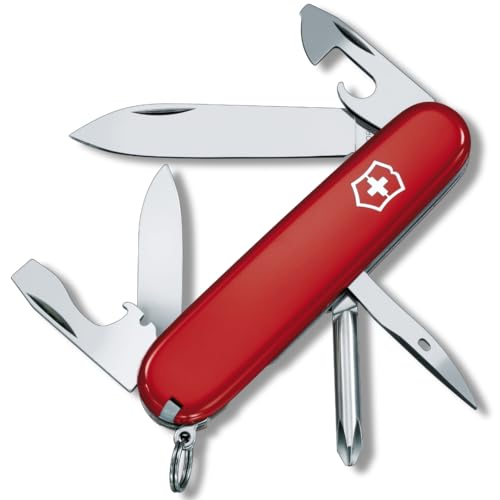
Victorinox Tinker Swiss Army Knife Multipurpose Pocketknife

Victorinox Hiker Swiss Army Knife, 13 Function Pocket Knife (Red)

Victorinox Classic SD Swiss Army Knife, 7-Function Pocket Knife (Black)

Victorinox Climber Swiss Army, 14-Function Pocket Knife (Blue Transparent)

Surviveware Comprehensive Premium Survival First Aid Kit
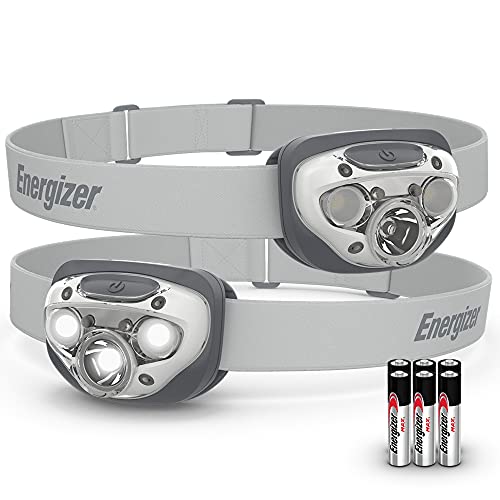
Energizer LED Headlamp PRO (2-Pack), IPX4 Water Resistant

Energizer Universal LED Headlamp (2-Pack), IPX4 Water Resistant

Energizer PRO-260 LED Headlamp, IPX4 Water Resistant
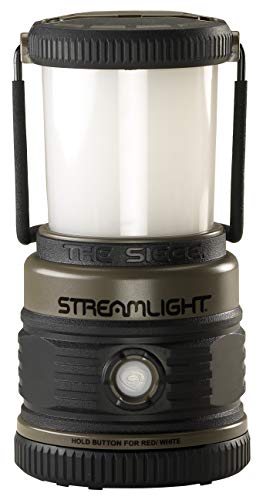
Streamlight 44931 Siege Compact Lantern (Coyote)

Wise Owl Outfitters Double Camping Hammock (Navy & Lt Blue)
Meet The Standout Selections
Camp repairs rarely announce themselves. A zipper pulls loose, a stove leg wobbles, a battery hatch refuses to close, and suddenly you need pliers more than you need a knife blade. The Victorinox Tinker leans into that reality with a flathead and Phillips screwdriver (a screwdriver is a tool shaped to drive fasteners into a screw head) wrapped around a sturdy blade, a small scissors pair, and a built-in key ring loop. The stainless steel tools feel reassuringly stiff, and the scales sit comfortably in a pocket without printing like a brick.
For a first camping trip, this pocketknife doubles as a quietly capable multitool around the house too. Think loose eyeglass screws, opening stubborn packaging, or trimming paracord (a thin nylon cord used for lashing and utility work) for a clothesline. Most weekend campers will find the 12 functions cover the awkward middle ground between a basic knife and a full-sized Leatherman-style tool.
Good Reasons To Consider
- The flathead and Phillips drivers handle the most common camp-stove and lantern battery screws.
- Stainless steel tools resist rust in damp tents and humid mornings on the trail.
- Compact enough to ride on a keychain loop or slip into a pocket without weighing you down.
- Scissors and pliers cover gear repair jobs a plain blade cannot reach.
Things To Consider
- At roughly 2.3 ounces, it is a touch heavier than the slimmer Swiss classics.
- The blade is short, so it shines on detail work more than chopping kindling.
At A Glance
Whose Pack It Belongs In
First-time campers who want one tool that covers knife, screwdriver, and scissors chores without buying separate gear.
Swap It Out When
The Victorinox Hiker makes more sense for campers who cook on a camp stove and want a dedicated wood saw and bottle opener in the same handle.
The Hiker is what most people picture when they imagine a Swiss Army Knife. Red scales, a wood saw that actually bites, and a corkscrew (a spiral tool for pulling wine corks) that earns its place at the end of a long trail day. With 13 functions, this model sits in a sweet spot between the bare-bones Classic SD and the gear-heavy Climber. You get two blades (a large one for food prep, a small one for fine cuts), a real Phillips screwdriver, and a bottle opener that pulls double duty as a wire stripper.
Compared to the Tinker reviewed above, the Hiker trades a pair of pliers for a wood saw, which makes more sense if you cook on a camp stove or process kindling with a folding saw and a baton (a stick used to strike and drive another stick through a log to split it). Most first-time campers will appreciate the bottle opener on Friday night around the fire, and the can opener tucked alongside.
Well-Handled Touches
- Two blades let you keep one clean for food and one for utility tasks.
- The wood saw handles small camp chores and feather sticks (small carved sticks used to start fires).
- Bottle and can openers handle post-hike meals without a second tool.
- Red scales are easy to spot on a cluttered picnic table.
- Compact enough to ride in a pocket or clip onto a backpack strap.
Worth Noting
- No pliers, so it cannot replace a dedicated repair tool.
- Wood saw teeth require occasional cleaning to stay sharp in sappy wood.
Who Should Grab It
Campers who cook on a camp stove and want a versatile pocketknife with a saw and bottle opener built in.
Look Elsewhere When
The Victorinox Tinker fits better for campers who expect to do real gear repair, since it includes pliers the Hiker omits.
Sometimes the only tool you actually need is a small blade, a tiny screwdriver, and a pair of scissors that lives on your keychain. The Classic SD is the smallest knife in the Victorinox lineup, and it leans into that role without pretending to be more. The 7 functions cover everyday odd jobs: opening packages, tightening a loose eyeglass screw, snipping a stray thread, or scraping gunk off a tent zipper.
For camping, think of the Classic SD as a backup blade that lives in your pocket while a larger knife does the real work. It also doubles as a great first knife for campers who feel uneasy carrying a large folder. The slim cellidor scales (a tough molded plastic handle material) barely make a dent in a pocket, and the whole package weighs less than a single energy bar.
A Few Highlights
- Fits on a keychain, so you never leave it behind on a day hike.
- Slim stainless steel tools hold up to pocket sweat and weather.
- Affordable entry point into Swiss-made construction.
Trade Offs
- The blade is short, so it cannot handle food prep or rope cutting comfortably.
- Lacks pliers, saw, and most of the tools found on the Tinker or Hiker.
- The small screwdriver works for eyeglasses, not for camp-stove maintenance.
Best Suited To
Campers who want a tiny everyday tool for light odd jobs and prefer to carry a separate larger knife for trail chores.
Consider Something Else When
The Victorinox Hiker is the smarter choice for campers who want saw, bottle opener, and dual blades in one pocketknife.
The Climber earns its name honestly. With 14 functions including scissors, a multipurpose hook, and a corkscrew, it covers more ground than the Hiker or the Tinker. The transparent blue scales show off the layered stainless tools inside, which is a small touch but a fun one for first-time buyers. You also get a small Phillips driver, a bottle opener, and the same can opener that has been on Swiss Army Knives for decades.
Compared to the Hiker reviewed above, the Climber adds the scissors and hook, which makes it a stronger pick for hammock setup (the hook helps tension straps) and fishing trips. Most casual campers will not use every tool, but having them all in one handle keeps you from packing a separate scissors or hook.
Features That Help
- Scissors handle blister tape cuts and food prep with equal ease.
- Multipurpose hook helps tension hammock straps and carry bundles.
- 14 functions cover almost any chore around a campsite.
- Compact frame keeps weight near the 3-ounce mark.
Points To Keep In Mind
- Tool count makes the handle slightly thicker than the Classic SD.
- Some tools rarely get used and add weight you carry anyway.
- No pliers, so a separate multitool is still needed for heavy repair work.
Right Fit For
Campers who want maximum versatility in one pocket folder and do not mind carrying a slightly thicker handle.
A Better Fit Elsewhere
The Victorinox Tinker suits campers who expect pliers-heavy repair work, since the Climber lacks that tool.
A basic camping gear list always looks complete until someone burns a finger on a camp stove or rolls an ankle on a tree root. The Surviveware kit fills that gap with 98 pieces organized in labeled compartments (clear pockets marked by injury type, so you do not hunt through the bag in a panic), a removable CPR pouch (a small red pocket-mask kit for safe rescue breathing), and a printed first aid guide. The bag itself uses a water-resistant fabric (a coated nylon that shrugs off light rain) that handles the damp conditions of a forest floor or a wet car trunk.
For family campers and small groups, the labeled layout is the real win. You do not need medical training to find the right bandage type at a glance. The kit also includes moleskin (a soft adhesive pad used to prevent blisters), trauma shears, and a generous roll of medical tape.
Positive Points
- Labeled compartments cut response time during a stressful moment.
- Removable CPR pouch lets one camper carry the essentials while another handles the full kit.
- Printed guide supports beginners who have never used a tourniquet.
- Wide handle and MOLLE-style loops (rows of webbing on the back of the bag that attach to backpack straps) let you strap the kit to a pack or throw it in a car.
- Family-sized supply count covers groups up to four campers.
Potential Drawbacks
- Bulkier than a single-user kit, so it lives in the car more than the pack.
- Supplies have fixed expiration dates and need periodic replacement.
- No prescription medications included, so pack your own if needed.
Key Product Details
Who It Suits Best
Family campers, car campers, and group leaders who want a clear, well-stocked first aid bag without building one from scratch.
Not Your Match When
The Energizer PRO-260 LED Headlamp is a stronger priority for backpackers focused on weight, since this kit is better left in a vehicle than carried on long miles.
Two headlamps solve a problem most couples hit on night one: one person has light, the other does not. The Energizer LED Headlamp PRO ships as a two-pack, so each camper gets their own beam without buying separately. With 260 lumens (a unit measuring how bright a light appears, where higher numbers mean more brightness) and an 80-meter beam reach, this model handles trail walks after dark, late-night latrine trips, and reading in a tent.
The IPX4 water-resistance rating (a standard that rates protection against splashing water from any direction) means the headlamp survives rain and the occasional drop into a puddle. Compared to the Energizer Universal covered below, this PRO version pushes more lumens on high and throws a longer beam, which is the difference between walking a short trail and reading a trail marker from a distance.
The Good Stuff
- Two headlamps in one box covers couples or a primary plus a backup.
- Strong 260-lumen output handles most camp chores and short night hikes.
- IPX4 rating shrugs off rain and accidental splashes.
- Long runtime keeps light going through a full evening at camp.
Room For Improvement
- Battery life drops noticeably on the highest setting.
- Elastic band can feel tight on bare skin in cold weather.
- Single-button mode cycling takes a moment to learn.
Made For
Couples and pair campers who want bright, reliable hands-free lighting without buying two separate headlamps.
Reach For A Different Pick When
The Energizer PRO-260 LED Headlamp is the better call for solo campers who want a red night-vision mode and multiple beam patterns.
The Universal LED Headlamp is the lighter, simpler sibling in the Energizer lineup. Where the PRO version covered above throws a strong 260-lumen beam, this Universal model focuses on compact comfort and ease of use. The headlamp weighs noticeably less, which makes it a smart pick for stashing in a glove box, an emergency drawer, or a backpack pocket where weight matters more than raw brightness.
For first-time campers, the Universal headlamp also ships with batteries included, so you can toss it in the car and forget about it until the power goes out or the trail turns dark. The IPX4 rating keeps it working through drizzle and the occasional splash, and the wide elastic band adjusts to fit a beanie or a bare head.
What It Does Well
- Lightweight frame is comfortable for long wear around camp.
- Two-pack design gives a primary plus a household spare.
- Batteries included so you can use it the moment it arrives.
Smaller Caveats
- Lower lumen count compared to the PRO-260 model.
- Beam reach is shorter, so it suits close-range tasks more than trail scanning.
- Fewer lighting modes means less fine-tuning for battery savings.
Who Will Love This
Campers who want a comfortable backup headlamp for the house, car, or emergency kit and do not need maximum brightness.
Skip It When
The Energizer LED Headlamp PRO is a stronger pick for campers who plan to hike at night and need a brighter, longer-reaching beam.
Night hiking changes the math on what a headlamp needs to do. The PRO-260 handles that shift with 260 lumens, an 80-meter beam distance, and a red night-vision mode (a low red light that preserves your eyes’ natural dark adaptation) that protects your eyes when checking a map or reading a compass. Multiple modes including high spot, low spot, high wide, low wide, and red let you tune brightness to the task and stretch battery life.
Compared to the two-pack PRO reviewed earlier, this single-unit PRO-260 gives solo campers the same beam strength plus the red mode the two-pack lacks. Storm prep also gets easier because the IPX4 rating shrugs off heavy rain, and the wide elastic band stays put when you are moving fast on rough ground.
Useful Touches
- Red night-vision mode keeps your eyes adjusted to dark surroundings.
- Multiple beam patterns cover both distance and close-up tasks.
- Batteries included so it works out of the box.
- IPX4 rating handles rain, sleet, and accidental drops in water.
- Tilted housing lets you aim the beam where you need it.
Where It May Fall Short
- Higher lumens drain batteries faster on max mode.
- Slightly heavier than the Universal headlamp covered earlier.
- Mode switching takes a beat to learn the first few times.
Feature Snapshot
Perfect Match For
Solo night hikers, storm-prep campers, and runners who want a bright headlamp with red mode for map reading.
Where A Sibling Pick Shines
The Streamlight 44931 Siege Compact Lantern handles tent lighting better, since a lantern spreads light across the whole space instead of a focused beam.
Headlamps are great for walking, but a lantern rules a tent or picnic table. The Streamlight Siege throws 540 lumens in a 360-degree pattern, which fills a four-person tent without blinding whoever sits across from you. The coyote color blends with most camp gear, and the rubberized base takes the kind of knocks a campsite hands out.
Modes matter here too. The white light steps down from high to medium to low, and a red LED with both steady and SOS flash settings (a repeated Morse-code distress signal, three short, three long, three short) covers night vision and emergency signaling. Compared to the headlamps reviewed above, the Siege trades focused beam for area lighting, which is exactly what you want after sunset.
Standout Benefits
- 540-lumen output lights up a large tent or picnic table.
- Red SOS mode covers emergency signaling needs.
- Compact size fits on a picnic table or hangs from a tent loop.
- Multiple modes let you stretch battery life on quiet evenings.
Honest Caveats
- Bulkier than a headlamp, so it does not pack down as small.
- Battery life shortens sharply on high mode.
- Brightest setting can feel too strong for a small two-person tent.
Built With In Mind
Campers who want one bright lantern for tent lighting, card games, and post-dinner cleanup without carrying extra gear.
Another Choice May Suit
The Energizer LED Headlamp PRO is the better fit for backpackers focused on weight, since lanterns add bulk compared to a worn headlamp.
After the stove is off and the dishes are done, the best part of camping is doing nothing at all. The Wise Owl double hammock sets up between two trees in minutes and folds into a stuff sack small enough to clip to a backpack. The 10-foot by 6.5-foot cut fits two adults, or one adult who likes to sprawl out with a book and a dog.
The parachute nylon fabric (a soft, breathable, fast-drying woven nylon originally developed for parachutes) dries quickly after rain and feels softer against bare skin than the stiff nylon on cheaper hammocks. Compared to the tools and lights above, this is the gear piece that handles the part of camping most people forget to pack: actual rest. Navy and light blue color blocking stays visible at dusk, which helps avoid the trip-and-fall moment on a dark trail.
A Favorable Mix
- Roomy double size fits two campers or one sprawled-out sleeper.
- Parachute nylon feels soft and dries fast after a rain shower.
- Lightweight build packs down small for backpacking trips.
- Two-color scheme stays visible at dusk.
- Quick setup between trees with included straps.
Things To Weigh
- Needs two sturdy trees spaced 10 to 15 feet apart.
- Not a substitute for a tent in cold or wet weather.
- Strap quality can vary, so check knots and tension before leaning back.
Made For
Car campers, backyard loungers, and basecamp relaxers who want a comfortable spot to read, nap, or watch the stars.
Where Another Pick Suits Better
The Streamlight Siege lantern makes more sense for campers focused on shelter lighting, since a hammock only solves the rest part of the equation.
Choosing The Right Basic Camping Gear For Your First Trips
Basic camping gear earns its place by handling jobs you forget to plan for. A pocketknife tightens a loose stove screw. A headlamp lights a midnight latrine trip. A first aid kit covers a burned finger. None of these are glamorous, but all of them show up on every trip.
Match The Tool To The Trip
Car campers can carry more weight, so a 14-function knife and a full first aid kit make sense. Backpackers need to be stricter, which usually means a single multitool, one headlamp, and a compact first aid kit tucked in the lid of a pack. Day hikers often only need a knife, a headlamp, and a small first aid kit stashed in a daypack. Think about how you move before you decide how much gear to bring.
Light And Visibility Choices
A 260-lumen headlamp covers most camp chores, while a lantern fills a tent with area light. Look for IPX4 water resistance (a standard meaning the light survives splashing water from any direction) at minimum so a sudden rain does not kill your light. Red night-vision modes help preserve dark adaptation when checking a map or a stove.
Knife Functions That Matter
Blade length, screwdriver type, and saw presence are the three big decision points. A blade around 2.5 inches handles food and rope work. A Phillips driver covers most camp-stove screws. A wood saw handles feather sticks and trail chores. Pliers matter only if you expect gear repair; otherwise leave them out and save weight.
First Aid Kit Sizing
A 98-piece kit works for a small group or a family. Solo backpackers can usually get by with a much smaller pouch. Look for labeled compartments and a removable CPR pouch, since both save time when someone is hurt and adrenaline is high.
Common Buying Slip Ups And Where Extra Money Goes
Pitfalls Shoppers Hit
The most common mistake is buying the smallest knife on the market and expecting it to handle firewood duty. A keychain knife is great for packages and loose screws, not for splitting kindling. Another trap is grabbing a single headlamp for two campers. One beam, two people, and someone always ends up holding the light while the other works. Skipping a first aid kit is the third common miss. Bandages and tape are cheap, and nobody ever complains about having them along.
What The Higher Tier Buys
Higher-tier headlamps add red night-vision modes and longer beam reach, which matter once you start hiking after dark. Premium knives add pliers and stronger drivers, which save real frustration on broken gear. A larger first aid kit adds labeled organization and trauma tools (items designed for serious bleeding, like tourniquets and pressure dressings) that turn a stressful moment into a managed one. The upgrade is worth it once you start camping more than once a year, but a basic kit covers most first-trip needs.
Frequently Asked Questions
What basic camping gear do first-timers actually need?
A pocketknife, a headlamp, a basic first aid kit, and a source of light for inside the tent cover the most common needs. Add a water bottle, a lighter, and a simple shelter for a complete starter setup.
Is a Swiss Army Knife enough for camping?
For most first trips, yes. A 12 to 14 function model covers food prep, gear repair, and small camp chores. Heavy firewood processing still calls for a folding saw or an axe.
How many lumens should a camping headlamp have?
Around 200 to 300 lumens handles most camp chores and short night hikes. Anything below 100 lumens tends to feel weak at the trailhead.
Do I need a tent lantern if I have a headlamp?
A headlamp focuses light where you point it, while a lantern spreads light across a tent or table. For shared spaces and late-night card games, a lantern is the more comfortable pick.
How big should a beginner first aid kit be?
A 50 to 100 piece kit covers solo and small-group trips. Look for labeled compartments, bandages, tape, antiseptic wipes, and a small pair of trauma shears.
Closing Thoughts
Start with the gear that solves the most common problems: a reliable knife, a bright headlamp, and a clear first aid kit. Add a lantern when you start camping with a partner, and toss in a hammock when rest stops matter as much as the trail. Basic camping gear should make the trip easier, not heavier, and the ten picks above keep that promise for first-time and repeat campers alike.