
Heading into a weekend at the campground or just setting up a backyard shelter for the kids, having the right basic camping equipment changes everything. This roundup skips the hype and gets specific about the gear that earns its space in your pack: power adapters that tame generator chaos, axes that actually bite into hardwood, multitools that survive a weekend, water bottles built for rough trails, first aid kits sized for real emergencies, tarps that shrug off weather, and compact survival kits for day-hikers. You’ll find honest notes about who each pick suits and where another option on the list is a smarter call.
The Main Contenders

Champion 30-Amp Generator Y-Adapter (3-Foot)

Fiskars 28″ Chopping Axe for Felling Trees

ONEAGE Multitool Knife Engraved “Best Son Ever”

Nalgene HDPE Wide Mouth 32 oz Water Bottle

AMORNING 276-Piece Camouflage First Aid Kit
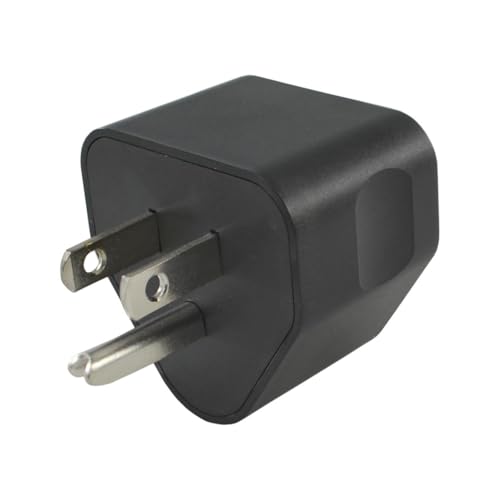
Conntek 14101 15A to TT-30R RV Adapter

LUXMOM 142-Piece Survival Kit with First Aid

CARTMAN 2-Pack 8x10ft Waterproof Poly Tarp

TARPAL 6x14ft 10.5mil Heavy Duty Tarp

Dusor 19-in-1 Survival Kit for Men
More Details On Our Top Picks
Generators put out a single locking outlet, and most camp electronics want a standard household plug. The Champion 3-Foot 30-Amp Generator Y-Adapter bridges that gap by splitting one L14-30P locking input into two 5-20R household receptacles, letting you run a couple of low-draw items at once from a generator.
For most tailgates and RV pads, this is the kind of accessory you forget about until you need it. Setup is just plugging in and distributing power across extension cords or smaller appliances, and the 3-foot length keeps the connection close to the generator without forcing everything to crowd the source.
Practical Advantages
- Splits one 30-amp locking outlet into two standard household receptacles, expanding how you use a generator.
- The Y-style configuration keeps both receptacles accessible without stacking cords awkwardly.
- Three feet of cable gives enough reach to position the adapter without stressing the plug.
- Useful for emergency power setups when you want lights and a small appliance running from the same source.
Things To Consider
- Only suitable for generators that use a 30-amp L14-30P locking receptacle, so it won’t help every setup.
- Sharing one 30-amp feed across both outlets means total load has to stay within the generator’s capacity.
Who It Suits Best
Tailgaters, RV owners, and homeowners running a portable generator during a power outage.
Consider Something Else When
You need to plug an RV directly into a household outlet; the Conntek 14101 15A to TT-30R RV Adapter handles that single-purpose job more cleanly.
Campfires need wood, and wood needs an axe that bites. The Fiskars 28″ Chopping Axe is built around an ultra-sharp, low-friction coated blade designed to glide through logs with cleaner cuts. The 28-inch handle gives real leverage without being a bear to pack to a campsite.
Felling small to medium trees or splitting kindling for the fire ring is the sweet spot here. The balance feels tuned for chopping rather than hacking, and the head stays tight on the handle through repeated swings.
What Works In Its Favor
- Low-friction coating helps the blade pull itself through wood, reducing the energy you put into each swing.
- Weight distribution is tuned for chopping power, so smaller logs come apart quickly.
- Versatile enough for felling saplings and breaking down firewood at the campsite.
- Compact 28-inch length is easier to transport than full-size mauls.
Worth Noting
- Edge retention depends on what you cut, and wet hardwood can dull blades faster than expected.
- Carrying it on foot into remote sites gets tiring; a sheath and a sturdy pack help.
Made For
Car campers and backcountry campers who split their own firewood and want a tool that lasts beyond a season.
Skip It When
You want a do-everything pocket tool instead; the ONEAGE Multitool Knife packs pliers and a blade into something that fits on a belt loop.
Multitools earn their space when you stop noticing them until the moment you need pliers or a blade. The ONEAGE Multitool Knife bundles the usual suspects: knife, pliers, can opener, bottle opener, and a handful of secondary tools, all folded into a pocket-friendly stainless frame. The “Best Son Ever” engraving pushes it firmly into gift territory, perfect for grads and first-time campers.
For a son who borrows your tools at every visit, this is an honest intro to real utility without the weight of a full-size axe or the cost of a premium brand.
Key Advantages
- Combines knife, pliers, can opener, and bottle opener into a compact folding body that fits on a belt or in a pocket.
- Lightweight enough that day-hikers barely notice the weight.
- The engraved handle gives it a personal touch as a graduation or holiday gift.
Trade-Offs
- Tool steel on budget multitools rarely holds up to heavy use, so it works better for light camp chores than daily construction.
- Smaller tools like the can opener can feel fiddly for people with larger hands.
Right Fit For
Parents shopping for a teen or adult son heading into their first camping trips, who want a small everyday carry tool with sentimental value.
Look Elsewhere When
You want a more complete emergency bundle; the LUXMOM 142-Piece Survival Kit covers tools plus a first aid refill in one package.
Hydration is the unsexy hero of any camping list, and the Nalgene HDPE Wide Mouth has earned its spot in packs for decades. HDPE, or high-density polyethylene, is a lightweight plastic that shrugs off bumps and drops better than glass or aluminum. The wide-mouth opening (about 63 mm) makes it easy to drop ice cubes in or scrub the inside with a bottle brush.
At 32 ounces, it’s a meaningful load of water for a day hike without weighing down your pack. Pair it with a filter and you’ve got a trail-ready water station that handles boiling, freezing, and the occasional toss across the car trunk.
Everyday Advantages
- HDPE construction keeps weight low while staying tough against campsite knocks.
- The wide-mouth opening accepts standard water filters and ice cubes without forcing anything through a narrow neck.
- BPA-free plastic means no plastic-taste complaints on long hikes.
- Compatible with common camp filtration systems, simplifying water treatment on the trail.
Soft Spots
- HDPE can absorb odors and flavors over time, so flavored drinks tend to linger between washes.
- The wide opening leaks more easily than narrow-mouth bottles when the cap is loose in a pack.
Quick Facts
Best Suited To
Day hikers and backpackers who want a no-fuss bottle that works with off-the-shelf filters and survives rough handling.
Another Choice May Suit
Anyone who wants a curated hydration-plus-tool bundle; the Dusor 19-in-1 Survival Kit even includes a water bottle clip for hands-free carry.
A first aid kit is the piece of basic camping equipment you never want to need and always want to have. The AMORNING 276-Piece Camouflage First Aid Kit packs a substantial supply count into an EVA (ethylene-vinyl acetate, a tough foam-style shell) carry bag. EVA is water-resistant, shock-absorbing, and lightweight, so the kit holds up to being tossed in a trunk or stuffed in a backpack.
For families who camp with kids or take long road trips, having 276 pieces of bandages, antiseptic, and basic wound care items means you can patch up small injuries on the spot without searching for a store.
The Value In It
- 276 pieces cover the routine scrapes, cuts, and blisters that pop up at any campsite.
- EVA shell resists water and shocks, protecting the contents in rough conditions.
- Compact dimensions let it slide into a trunk, boat, or backpack without rearranging everything else.
- Camouflage exterior hides scuffs and matches outdoor aesthetics.
Honest Caveats
- Supply count is high, but individual item quantities are small, so heavy users may need to refill bandages and tape frequently.
- Best for minor injuries, not a substitute for proper wilderness medical training.
Perfect Match For
Families and drivers who want a grab-and-go first aid kit for camping, road trips, and home emergencies.
Reach For A Different Pick When
You want first aid bundled with survival tools in a single pack; the LUXMOM 142-Piece Survival Kit combines medical supplies with fire-starting and fishing gear.
RV outlets look nothing like the plugs in your living room, and adapters exist precisely because of that mismatch. The Conntek 14101 converts a standard NEMA 5-15P household plug (the kind on every wall outlet in North America) into a TT-30R receptacle, the standard 30-amp outlet found on most RVs.
For storing an RV at home or pre-cooling the fridge before a trip, this little plug is genuinely useful. It carries up to 1,875 watts, which is enough for most 15-amp household circuits.
What Makes Sense
- Converts a standard household outlet to an RV-compatible receptacle without rewiring anything.
- 1,875-watt capacity handles most 15-amp circuits without tripping breakers under normal loads.
- Compact and lightweight, easy to toss in an RV storage bay.
Some Limits To Know
- Limited to the 1,875-watt ceiling of a 15-amp circuit, so it won’t run high-draw RV appliances like roof air conditioners.
- Won’t adapt the other direction (RV outlet back to a household plug), so plan ahead for that scenario.
Built With In Mind
RV owners who want to plug their travel trailer into a household outlet for short-term power needs.
Where A Sibling Pick Shines
For generator-based power at the campsite, the Champion 30-Amp Generator Y-Adapter handles splitting generator output across multiple devices.
Most compact survival kits lean heavily on either first aid or fire-starting, rarely both. The LUXMOM 142-Piece Survival Kit covers both angles with around 21 multipurpose survival tools plus a 106-piece first aid refill, plus a fishing kit tucked into a MOLLE-compatible pouch (MOLLE, or Modular Lightweight Load-carrying Equipment, is the webbing standard used on tactical packs and pouches). MOLLE compatibility means it attaches cleanly to a backpack or range bag.
For an overlanding trip or a long weekend in the woods, having fire-starting, basic medical, and fishing tools in one organized pouch beats digging through loose gear.
Positive Takeaways
- Combines survival tools and first aid supplies in one organized MOLLE pouch.
- Includes a fishing kit for campers near lakes or streams.
- Designed to attach to packs and gear with standard MOLLE webbing.
- Useful range from fire-starting to wound care without buying separate kits.
Points To Keep In Mind
- Quality of individual tools varies, and the included flashlight is usually a basic LED model.
- Bulkier than a pure multitool or first aid kit alone, so it takes up meaningful pack space.
Feature Snapshot
Who Will Love This
Overlanders and multi-day campers who want a single pouch covering medical, fire, and signaling basics.
Swap It Out When
You want a lighter pocket-friendly carry for day hikes; the Dusor 19-in-1 Survival Kit condenses the idea into something that fits in a glovebox.
Tarps are the unsung workhorses of camping: ground cover, rain fly, gear shelter, firewood cover. The CARTMAN 2-Pack gives you two 8×10-foot sheets in green poly at 8 mil thickness (mil is a thousandth of an inch, so 8 mil is roughly the thickness of a heavy-duty trash bag, sturdy but not heavy).
For group campsites or family trips, having two tarps means a wet-weather cooking shelter plus a dry gear area. The listed size is the finished size you actually measure, not a nominal cut size.
Why It Works Well
- Two-pack configuration covers multiple camp setups without buying separately.
- Waterproof poly keeps rain off firewood, gear, and cooking areas.
- Finished size matches the listed dimensions, so 8×10 is what you actually get.
- Lightweight poly folds small for transport in a car trunk.
Small Caveats
- 8 mil thickness is light-duty, so heavy winds or sharp branches can puncture it.
- Grommets can be a weak point under tension; reinforcing with cord helps in gusts.
Whose Shelf It Belongs On
Family campers and casual weekend trip planners who need affordable rain and ground cover for multiple setups.
Not Your Match When
You camp in storm-prone areas where tear-resistance matters more; the TARPAL 6x14ft 10.5mil Heavy Duty Tarp is thicker and built for harsher weather.
Where the CARTMAN tarp leans light-duty, the TARPAL 6×14 ft 10.5mil tarp leans serious. At 10.5 mil thick and 5 ounces per square yard, the silver-and-black cover uses reinforced materials aimed at resisting tearing and aging under sun and wind exposure.
For storm-prone camp setups, long-term outdoor storage, or anyone tired of replacing thin tarps after one rough trip, the extra weight pays off.
The Upside
- 10.5 mil thickness stands up to harsh weather better than entry-level poly tarps.
- Reinforced materials resist tearing in strong winds and around sharp branches.
- Silver-and-black coloring reflects sunlight, protecting gear stored underneath.
- 6×14-foot dimensions suit vehicle covers and extended shelters.
Practical Considerations
- Heavier than entry-level tarps, so folding and transport take a little more effort.
- Higher price per sheet than budget options, though fewer replacements offset that.
Core Details
Built With In Mind
Campers in storm-prone regions and anyone storing gear outdoors who wants a tarp that lasts more than one season.
Look Elsewhere When
You want lightweight throwaway coverage for a single trip; the CARTMAN 2-Pack handles that job at lower cost.
Glovebox survival kits tend to be junk-drawer kits in disguise, but the Dusor 19-in-1 Survival Kit aims higher. Inside the gift box you’ll find a flashlight, a multifunctional spoon and card tool, a wire saw, a whistle, a fire starter with ruler markings, a water bottle clip, an emergency blanket, a tactical pen, a keychain screwdriver, a small fishing kit, and a compass, plus a survival bracelet.
For casual campers or as a stocking-stuffer gift, the kit covers the basics in a tidy package that doesn’t demand a backpack.
Everyday Perks
- Compact kit fits in a glovebox, drawer, or small daypack without rearranging gear.
- Includes fishing kit, fire starter, and emergency blanket for genuine overnight scenarios.
- Tactical pen and whistle add signaling and writing tools in one bundle.
- Gift box presentation works well for holidays and graduations.
Honest Caveats
- Compact tools trade durability for portability, and the wire saw works best on small branches.
- 19 tools packed into one box means each tool is small, which limits heavy-duty use.
The Right Fit
Casual campers, gift-givers, and people who want a tidy emergency kit in the car without buying separate pieces.
Skip It When
You want a more comprehensive medical bundle included; the AMORNING 276-Piece Camouflage First Aid Kit focuses on wound care with deeper supply counts.
Choosing Basic Camping Equipment That Earns Its Place
Camping gear lives or dies on how it performs in real weather, with real messes, after real mileage. A few attributes separate the items that become permanent parts of your kit from the ones that migrate to the back of the closet.
Match The Gear To The Trip
Day hikes and weekend car camping demand completely different things from your equipment. For short trips, the Nalgene HDPE bottle and the Dusor 19-in-1 survival kit cover hydration and basic emergency needs. Multi-day trips justify the heavier LUXMOM survival pouch and a tarp that handles serious weather. RV-based travel leans more toward power adapters like the Champion Y-Adapter and Conntek 14101. Match the weight and complexity to how far you go from the car.
Prioritize Repair And Longevity Over Initial Cost
A cheaper axe or tarp often costs more in the long run when you replace it after one season. Thicker tarps like the TARPAL 10.5mil outlast budget poly in storm-prone areas, and coated blades like the Fiskars stay sharper longer between sharpenings. Look for materials, thicknesses, and construction details that signal durability: HDPE over thin plastic, reinforced grommets over punched holes, MOLLE-compatible pouches over floppy fabric bags.
Build Around The Essentials First
Before adding gadgets, lock in the basics: water, fire, shelter, first aid, and cutting tools. The picks in this list cover each category without doubling up, so you can mix and match to your trip rather than buying one of everything. A small first aid kit plus a multitool covers the day-hiker minimum; add a tarp and water filtration capacity for overnights.
Balance Weight And Capability Honestly
Every item you pack costs energy to haul. A 142-piece survival kit is impressive, but if you’re day-hiking, the weight matters more than the count. Conversely, a flimsy 8 mil tarp that tears in the first storm costs you a dry night’s sleep. Match the gear’s capability to the conditions you’ll actually face rather than the worst-case scenario in your head.
Smart Choices Across This List
Common Shopping Slip Ups
The most common mistake is buying based on piece count rather than actual capability. A 276-piece first aid kit with mostly bandages and tape isn’t better than a smaller kit with a real emergency blanket, gloves, and trauma dressings. Look at what each kit actually contains, not just the headline number. Another trap is buying too much multitool and not enough dedicated gear: multitools handle small jobs, but for serious firewood, a real axe like the Fiskars is faster and safer. Lastly, skipping tarp reinforcement turns a budget cover into a single-use cover.
What Separates Premium From Basic
In camping gear, the price jump usually buys three things: material weight, construction details, and longevity. The TARPAL 10.5mil tarp costs more than entry-level poly because thicker material resists tearing and UV aging. The Fiskars axe justifies its price through blade coating, balance, and weight distribution that cheaper axes miss. Premium doesn’t always mean better for your trip, but for gear that sees hard use, paying for material upgrades pays back in fewer replacements.
Frequently Asked Questions
What should every beginner camping kit include?
Start with water storage (like the Nalgene HDPE bottle), a basic first aid kit, a fire-starting tool, a cutting tool, and a tarp for shelter. Add a multitool for camp chores. This list covers all five categories without overspending on gear you don’t yet need.
How thick should a camping tarp be?
For most weekend camping, 8 to 10 mil poly handles typical rain and wind. Storm-prone areas or long-term outdoor storage benefit from 10 mil or thicker, with reinforced grommets that survive tension.
Are multitools enough for camp cutting tasks?
For small chores (opening packages, light food prep, occasional cord cutting), multitools like the ONEAGE Multitool Knife handle the job. For firewood processing, a dedicated chopping axe like the Fiskars is safer and faster.
What’s the difference between a generator Y-adapter and an RV adapter?
A generator Y-adapter like the Champion splits one locking outlet into multiple household plugs. An RV adapter like the Conntek 14101 converts a household outlet into the RV-specific TT-30R receptacle. Different jobs, different plugs.
Do survival kits replace first aid kits?
No. Survival kits focus on tools for staying alive in emergencies: fire, signaling, shelter. First aid kits like the AMORNING 276-Piece kit handle medical needs. Many campers carry both because the tool sets rarely overlap.
Bottom Line
Camping gear earns its place by surviving weather, distance, and the small mistakes that happen on every trip. The picks here cover water, fire, shelter, medical, power, and cutting needs across a range of trip styles. Match the item to your typical trip, weight the trade-offs honestly, and build up gradually rather than buying everything at once. The right basic camping equipment keeps you comfortable, safe, and ready for whatever the weekend brings.