
A patio only holds up if what’s underneath it holds up first. The right base keeps pavers from sinking, spreading, and pooling water after a few seasons, and choosing well saves you from tearing everything out later. This shortlist walks through permeable grids, recycled rubber tiles, and snap-together deck systems that each solve the same problem a different way. Whether you’re laying a backyard dining area or a quiet side-yard retreat, the right foundation sets the tone for everything you build on top.
How The Shortlist Stacks Up
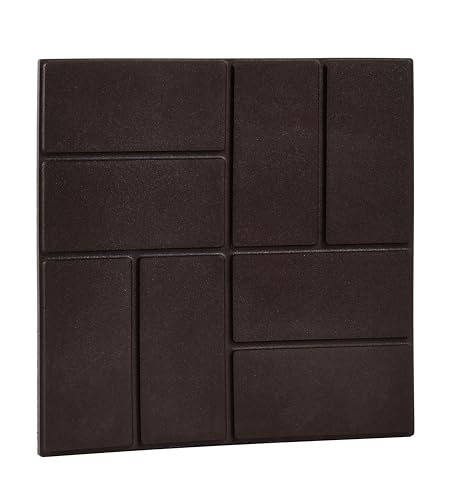
EcoPaver 16 in. Square Recycled Rubber Paver 6-Pack (Brown)

Vodaland Permeable HexPave Gravel Grid System (22 Units)
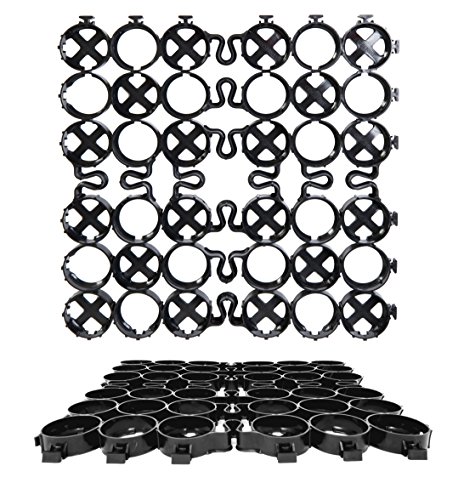
TRUEGRID PRO LITE Permeable Paver (Pack of 18)

PebbleLock Interlocking Permeable Paver Grid 12 Pack

EchoDeck Woodgrain Interlocking Deck Tiles 54 Pack

EchoDeck 8-Slat Interlocking Deck Tiles 54 Pack

EchoDeck Vertical Interlocking Deck Tiles 27 Pack

EchoDeck Diagonal Interlocking Deck Tiles 54 Pack

ToLanbbt Plastic Interlocking Deck Tiles 9 Pack (Dark Grey)
A Breakdown Of The Leading Choices
The EcoPaver square tile brings a recycled-rubber approach to a market dominated by concrete and plastic. Each 16-by-16-inch paver flips over to reveal two different looks: one face mimics worn cobblestone, the other a tighter brick pattern. That dual-sided design gives you flexibility on a small patio where you might want one texture near a seating area and another along a walkway.
For homeowners laying down a balcony pad, garage floor, or garden path over an existing hard surface, these tiles sit directly on top with minimal prep. The rubber construction stays cooler underfoot than poured concrete in summer sun, which matters on bare feet. They also absorb sound, so a courtyard feels less echoey when the grill is firing.
What It Does Well
- Two surface textures in a single tile, letting you mix patterns across the same space.
- Recycled rubber construction that diverts tire waste from landfills.
- Drop-in installation over existing flat concrete or compacted soil.
- Comfortable, slip-resistant surface that’s easier on joints than stone.
Things To Consider
- Smaller coverage area per pack means larger patios require several orders.
- Rubber can fade over years of direct UV exposure, depending on climate.
Who It Suits Best
Homeowners refreshing a small patio, balcony, or garden path with minimal excavation and a soft underfoot feel.
Where Another Pick Suits Better
For large driveway installations requiring serious load capacity, the Vodaland HexPave System handles heavier vehicle traffic.
Vodaland’s HexPave grid takes the opposite approach from the rubber tiles: it’s a rigid plastic honeycomb you lay down and fill with gravel or grass. Each unit measures roughly 22.875 by 19.875 inches with a 1.125-inch profile, and 22 pieces cover about 65 square feet. The hexagonal cell pattern locks aggregate in place so it doesn’t migrate under foot traffic or tires.
Where this system shines is under load. The manufacturer rates it to handle up to 27,000 pounds when installed over a properly compacted base, which is enough for passenger vehicles, small trailers, and most shed foundations. The recycled PPE plastic construction also keeps rainwater moving through the surface instead of pooling, which helps with drainage in clay-heavy soils.
What Helps Most
- 27,000-pound load capacity supports driveways, RVs, and shed bases.
- Permeable design allows stormwater to recharge the ground naturally.
- Recycled PPE plastic keeps the environmental footprint low.
- Modular grid simplifies layout around curves and obstacles.
Points To Note
- Requires a properly compacted sub-base to hit rated load specs.
- Gravel fill must be sourced separately, adding to the total project scope.
- Visible plastic edges remain between cells, which some find industrial-looking.
Made For
Driveway installers and shed builders who need a gravel-locking base that handles heavy rolling loads.
Consider Something Else When
For a finished patio surface you can walk on barefoot, the TRUEGRID PRO LITE offers a cleaner profile.
The TRUEGRID PRO LITE is the lighter sibling in a well-known paver-grid lineup, and 18 pieces cover roughly 72 square feet. Made in the USA from post-consumer recycled HDPE (high-density polyethylene, a tough rigid plastic used in milk jugs and bottle caps), it snaps together without special tools and lays flat over a leveled sub-base.
Where this grid earns its keep is in all-weather durability. The PRO LITE handles freezing temperatures, spring thaw cycles, and snowplow scraping without shifting, which matters for northern patios and driveways. It also drains instantly, so puddles don’t sit on the surface after heavy rain. For a first-time patio builder, the lightweight panels cut install time noticeably compared to hauling individual stones.
Standout Benefits
- Snowplow-compatible construction for cold-climate patios.
- Lightweight panels reduce install fatigue for solo DIYers.
- Recycled HDPE content supports a circular material story.
- 100% permeability eliminates standing water on the surface.
Honest Caveats
- Requires thorough ground leveling to prevent low spots over time.
- Cell depth may need topping off as gravel settles during the first season.
Best Suited To
First-time DIYers installing a permeable patio in a climate with freeze-thaw cycles or snow removal.
A Better Fit Elsewhere
For an interlocking deck surface with no gravel infill, the EchoDeck Woodgrain tiles offer a more finished look.
PebbleLock arrives as a 12-panel set covering roughly 64 square feet, with a reinforced honeycomb cell structure designed to lock gravel in place under significant weight. Unlike lighter grid systems, the manufacturer rates this grid for high-traffic residential and light commercial use, including fire lanes and event pathways.
For larger patio layouts where you want a single product run without mixing brands, the 64-square-foot pack reduces seams across the finished surface. The interlocking edges pull together firmly, which limits the creeping and shifting you sometimes see with cheaper grids. It’s also marketed for erosion-prone areas, so sloped sections of a yard stay put under heavy rain.
Key Advantages
- Reinforced cell walls resist deformation under repeated vehicle traffic.
- Generous 64-square-foot coverage reduces seam visibility across a patio.
- Erosion control makes it suitable for sloped landscape transitions.
- Interlocking edges create a tight, unified surface after install.
Room For Improvement
- Heavier panels than the TRUEGRID PRO LITE, so hauling takes more effort.
- Larger pack size may exceed the footprint of small repair projects.
Right Fit For
Homeowners planning a full-size patio or extended driveway where seam-free coverage and erosion resistance matter most.
Skip It When
For a quick weekend balcony refresh, the ToLanbbt 9-pack plastic tiles are easier to maneuver upstairs.
EchoDeck shifts the conversation from underneath the pavers to the surface itself. These 12-by-12-inch tiles snap together on all four sides and present a printed woodgrain pattern on top, giving you a deck-look surface without the maintenance of real lumber. The 54-pack covers a generous patio footprint in a single order.
Built from high-hardness PP plastic (polypropylene, a rigid plastic common in containers and automotive parts), the tiles resist warping, cracking, and splintering through seasonal swings. For renters or condo owners who can’t build a permanent deck, this is a reversible way to dress up a concrete balcony without drilling or adhesives.
Everyday Perks
- Four-sided snap design lays down without tools or fasteners.
- Woodgrain finish offers a warm, residential look in all-plastic tile.
- PP construction holds shape through rain, sun, and temperature swings.
- Reversible install makes it renter-friendly for balcony upgrades.
Trade Offs
- Plastic surface can heat up under direct summer sun, depending on shade.
- Pattern repetition is noticeable across larger open areas.
Who Should Grab It
Renters and condo owners upgrading a concrete balcony or small patio without permanent modifications.
Reach For A Different Pick When
For an actual gravel-locking base under pavers rather than a finished surface, the TRUEGRID PRO LITE fits the build.
This EchoDeck variant trades the woodgrain print for a traditional eight-slat pattern that mimics a classic wood deck. Each tile uses the same PP plastic body and four-sided snap connection as the rest of the EchoDeck line, so installation speed stays consistent across the series. The 54-pack gives you the same broad coverage as the woodgrain version.
For homeowners who want a deck-style look without committing to lumber sealing and staining, the slatted finish reads more architectural than a printed pattern. Water drains between the slats quickly after rain, and the lighter brown tone stays in step with most exterior color palettes.
Where It Helps
- Classic slatted pattern suits traditional home exteriors.
- Drainage gaps between slats dry fast after rainfall.
- Consistent tile sizing simplifies replacing a damaged section later.
- Same PP durability as the rest of the EchoDeck line.
Worth Noting
- Plastic slats feel different underfoot than real wood boards.
- 54-pack size may overshoot smaller balcony projects.
Perfect Match For
Homeowners wanting a traditional slatted-deck look without ongoing wood maintenance on a covered patio.
Where A Sibling Pick Shines
For a smaller coverage footprint, the EchoDeck 27-Pack Vertical tiles match tighter nooks without excess.
The 27-pack EchoDeck in the vertical pattern is the right size for tight spaces. Where the 54-pack siblings suit open patios, this smaller set works for entryways, narrow side yards, or a balcony corner that needs a defined surface. The vertical orientation of the slats creates a sense of length in compact areas.
It carries the same PP plastic body and four-sided snap system as the larger EchoDeck tiles, so a partial install can always extend later with additional packs. The brown finish blends easily with existing landscaping and complements most outdoor furniture tones.
Bright Spots
- Smaller pack fits narrow side yards and balcony corners.
- Vertical slat orientation visually lengthens compact spaces.
- Expandable design lets you add more packs later without mismatched edges.
Points To Keep In Mind
- Limited coverage means larger patios need multiple orders.
- Same heat-retention characteristics as other plastic deck tiles.
Who Will Love This
Urban dwellers covering a small balcony or narrow entryway where a 54-pack would create excess.
Another Choice May Suit
For a finished deck surface spanning more than 25 square feet in one shot, the EchoDeck 54-Pack Woodgrain covers more ground per order.
The diagonal-pattern EchoDeck turns the same 12-by-12 tile format into something more decorative. The slats run at an angle across each square, breaking up the grid effect you get with horizontal or vertical orientations. For a patio where the surface itself is a visual feature, this layout adds movement without changing the install method.
You still get the PP plastic body, the four-sided snap connection, and the same all-weather rating as the rest of the EchoDeck family. The diagonal cuts slightly more material per tile, so you may notice a touch more flex underfoot than the slatted sibling. For most patios that difference is minor, but worth knowing if you anticipate heavy furniture point loads.
Reasons It Performs
- Diagonal slat layout reads as decorative rather than purely functional.
- Same proven snap-together install as other EchoDeck tiles.
- All-weather PP body holds up through seasonal temperature swings.
Soft Spots
- Angled slats trim slightly more material, reducing tile rigidity under heavy point loads.
- Pattern layout requires more attention to alignment during install.
Whose Shelf It Belongs On
Design-minded homeowners building a feature patio where the surface pattern matters as much as the function.
Swap It Out When
For pure structural durability under heavy furniture, the EchoDeck 8-Slat version delivers a stiffer tile surface.
The ToLanbbt 9-pack is the smallest footprint option in this shortlist, covering roughly 9 square feet with 12-by-12-inch dark grey tiles. It’s designed for quick patches: a worn corner of a balcony, a poolside transition strip, or a small entry landing that needs an instant upgrade. The plastic body keeps weight low for carrying upstairs.
For indoor-outdoor crossover spaces like a screened porch or pool deck, the dark grey tone hides everyday dust and minor staining better than lighter finishes. The tiles snap together without tools, so a 9-square-foot refresh takes minutes rather than a full afternoon project. It’s a sensible starter pack before committing to a larger layout.
Strengths Worth Knowing
- Compact 9-pack suits small patch jobs and test installs.
- Dark grey finish conceals everyday dust and minor marks.
- Lightweight plastic body is easy to carry up staircases.
A Few Limitations
- Nine tiles cover very limited ground, so larger patios require multiple orders.
- Plastic surface shares the heat-retention trade-off of similar tiles.
Right Fit For
Homeowners tackling a small balcony patch or a poolside entry strip where a 9-pack is exactly enough.
Look Elsewhere When
For broad patio coverage in one order, the EchoDeck 54-Pack Woodgrain delivers far more square footage.
Picking The Right Foundation For Your Patio
Choosing a base layer comes down to matching the system to the surface above it. Permeable plastic grids like the TRUEGRID PRO LITE and Vodaland HexPave work best when you’re filling with gravel or grass and want water to drain straight through. Interlocking deck tiles from EchoDeck and ToLanbbt suit finished surfaces where you want an immediate walkable floor without excavation. The EcoPaver rubber tile bridges both worlds, sitting flat over an existing hard surface while providing a finished look.
Soil and climate matter more than product marketing. Clay-heavy ground holds water and shifts with freeze-thaw cycles, which puts real stress on any base. A properly compacted sub-base of crushed stone, typically four to six inches deep, is the most common pairing for the grids on this list. In sandy or well-draining soil, you can sometimes reduce that depth. Northern climates also need grids rated for snowplow scraping if a driveway is in play.
Foot traffic versus vehicle traffic is the next decision point. A patio that only sees chairs and bare feet doesn’t need the load rating of a driveway, and a deck-tile surface handles that lighter use beautifully. For anything that rolls, including cars, trailers, or heavy equipment, the honeycomb grids are the honest answer. Matching the system to the load saves both money and rework down the line.
Key Considerations Across These Picks
Pitfalls Shoppers Hit
The most common misstep is treating these systems as interchangeable. A permeable grid filled with gravel behaves nothing like a finished deck tile, and assuming you can swap one for the other mid-project leads to wasted material. Measure your actual footprint in square feet before ordering, and add ten percent for cuts and edge waste. Skipping sub-base prep is the next trap. Even the best grid shifts over time if the ground underneath isn’t leveled and compacted, and rework costs far more than doing it right the first time.
What The Higher Tier Buys
Premium grid systems earn their position through thicker cell walls, tighter snap connections, and higher load ratings that hold up under repeated stress. Higher-tier deck tiles buy you better surface finishes, more realistic woodgrains, and stiffer bodies that resist flex under heavy furniture. For most patios that see weekly use rather than daily traffic, mid-tier options handle the job fine. The upgrade pays off when you want a surface that still looks right after five seasons of weather, or when the installation covers enough square footage that small per-tile differences add up fast.
Frequently Asked Questions
Do permeable paver bases really help with drainage?
Yes. Permeable grids let rainwater pass through the cells into the sub-base rather than pooling on the surface, which reduces runoff and helps prevent ice patches in winter.
Can these tiles go over existing concrete?
Most interlocking deck tiles and rubber pavers lay directly over flat, clean concrete without adhesive. Grids typically need a compacted gravel sub-base regardless of what’s underneath.
How long does installation take for a small patio?
A typical 100-square-foot patio takes a DIYer a weekend with snap-together tiles. Grid systems take longer because of the excavation and compaction steps before the panels go down.
Are recycled plastic grids strong enough for cars?
Several of the grids on this list, including the TRUEGRID PRO LITE and PebbleLock, are rated for vehicle loads when installed over a properly compacted base. Always confirm the rating before driving on them.
What maintenance do these bases need?
Grids filled with gravel may need occasional topping off as aggregate settles. Deck tiles mainly need sweeping and occasional rinsing, depending on surrounding landscaping.
Bottom Line
The right base layer depends on whether you want water to pass through, a finished surface to walk on, or a foundation that handles vehicle weight. Permeable grids like the TRUEGRID PRO LITE and Vodaland HexPave solve drainage and load concerns, while interlocking tiles from EchoDeck and ToLanbbt give you an instant finished floor. Match the system to your soil, your climate, and how the space actually gets used, and the patio above it will hold up for many seasons.