
A charcoal barrel cooker earns its keep on weekend afternoons: low flames, hanging meat, and the kind of bark you can’t fake with gas. The right cylinder turns ribs and shoulders into something a kettle grill struggles to match. This roundup walks through nine options worth a serious look, from travel-ready drums to full backyard offset rigs, so you can match a cooker to your space, your fuel budget, and the kind of food you actually want to pull off the grate.
A Closer Look At The Lineup

Oklahoma Joe’s Rambler Portable Charcoal Grill 218 sq. in.
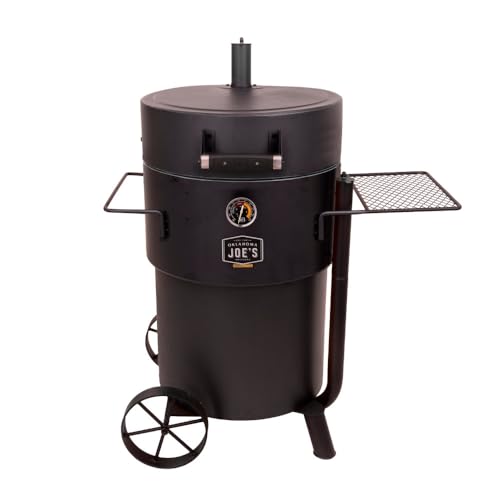
Oklahoma Joe’s Bronco Pro 21.5 in. Heavy Duty Charcoal Drum Smoker

Badger 16.5-inch Barrel Cooker

Oklahoma Joe’s Firecraft Series Modular Open Fire Barrel Charcoal Grill 480 sq. in.

Smoked Grillers Barrel Smoker Grill Combo 304 Stainless Vertical

Oklahoma Joe’s Highland Offset Reverse Flow Charcoal Smoker 1093 sq. in.
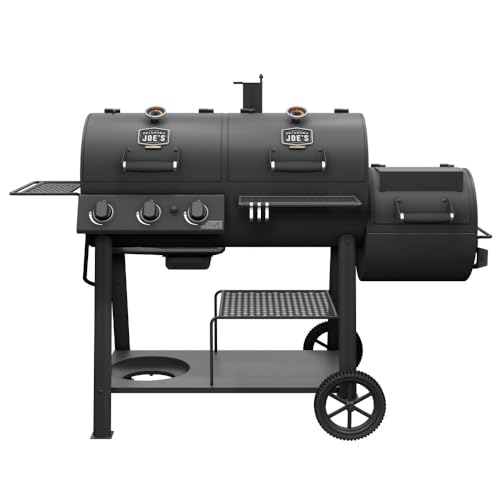
Oklahoma Joe’s Canyon Combo Dual Fuel 3-Burner Smoker and Grill 1031 sq. in.

Pit Barrel Cooker Junior Premier Series 14 Inch Drum Smoker

Oklahoma Joe’s Longhorn Offset Charcoal Smoker and Grill 1060 sq. in.
Why These Options Stand Out
The Rambler earns its slot by doing one job well: giving you real charcoal flavor in a package you can load into a hatchback. The 218-square-inch grate fits a pair of steaks, four burgers, or a small flat of veggies, and the adjustable-height charcoal tray lets you tame the heat without buying aftermarket parts.
Compared to the heavier Bronco Pro later on this list, this is the grab-and-go option. Apartment dwellers with a balcony edge and tailgaters heading into a stadium lot will appreciate how little space it asks for. The trade-off is capacity: a full packer brisket simply isn’t happening here.
Reasons It Performs
- Height-adjustable charcoal tray gives you a real sear at one setting and gentler indirect cooking at another
- Tabletop form factor stows in a trunk or closet between uses
- Charcoal-only design keeps the flavor profile honest without gas shortcuts
- Light enough that one person can carry it to a picnic table or a tailgate
Things To Consider
- Cooking surface is tight for a family of four; expect to cook in batches
- Owners commonly report the steel takes on patina quickly, which is cosmetic but worth knowing
Made For
Tailgaters, balcony cooks, and anyone wanting charcoal flavor without committing to a full backyard rig.
Look Elsewhere When
If you regularly feed six or more and want long unattended burns, the Oklahoma Joe’s Bronco Pro brings far more capacity and smoke control to the table.
The Bronco Pro is a vertical drum smoker aimed squarely at people who’ve already graduated past the “burgers on the kettle” phase. The sealed lid and dedicated airflow path give you real control over a long burn, and the oversized charcoal basket is built to keep going while you sleep in.
Where the Rambler earlier on the list asks you to babysit a small fire, this one rewards patience. The 366-square-inch grate holds multiple racks of ribs or a brisket flat with room for a water pan. It’s a heavier footprint, so plan the spot in the yard before the first cook.
Where It Excels
- Oversized charcoal basket supports extended low-and-slow sessions without constant refueling
- Sealed-drum construction helps hold temperature steady across long cooks
- Vertical orientation lets heat and smoke wrap around hanging or racked food
- Competition-grade airflow gives experienced cooks meaningful tuning
Points To Note
- Heavier and taller than the Rambler; you’ll want a permanent spot for it
- Charcoal and wood management is more involved than a kettle grill
Quick Facts
Who It Suits Best
Home pitmasters chasing competition bark on brisket and ribs, and anyone who enjoys a 10-hour cook without constant tending.
Skip It When
If you only have room on a small patio and want a charcoal flavor option that doubles as a quick weeknight grill, the Pit Barrel Cooker Junior Premier Series 14 Inch Drum Smoker is a friendlier starting point.
The Badger hits a niche that most barrel smokers ignore: small patios, balconies, and rooftops where floor space is measured in square feet. The 16.5-inch diameter keeps the cooker compact, while the vertical hanging-rack layout still gives you proper smoke circulation around the food.
Compared with the Bronco Pro’s competition-sized footprint, this one is much easier to live with day-to-day. Adjustable vents on the lid and base give you a workable amount of airflow control. The honest read is that capacity drops off fast once you invite friends over.
The Practical Payoff
- Compact vertical cylinder fits where offset smokers simply won’t
- Hanging-rack design supports proper smoke exposure without rotating
- Adjustable intake and exhaust let you chase a target temperature range
- Short overall height makes it easy to reach the lid from a standing position
Trade Offs
- Small chamber means chicken thighs and small racks of ribs fit, but larger cuts get crowded
- Steel body requires seasoning and dry storage to slow surface wear
Right Fit For
Apartment cooks and balcony pitmasters who want real smoke flavor without crowding out a dining set.
Consider Something Else When
For larger gatherings and longer cooks, the Oklahoma Joe’s Highland Offset Reverse Flow Charcoal Smoker 1093 sq. in. gives you enough grate area for a full party.
The Firecraft barrel leans into live-fire cooking in a way most enclosed smokers don’t. The open firebox layout gives you 360-degree access to stoke and adjust, and the same barrel doubles as a fire pit when the cook ends. For people who treat the backyard grill like a social hub, that flexibility matters.
The 480-square-inch cooking area splits across two heavy-gauge wire grates, so you can run a hot zone and a cooler zone side by side. Unlike the Bronco Pro’s sealed drum earlier on the list, heat here is much more direct and a bit less forgiving.
Benefits That Matter
- Open-fire design supports grill marks and live-fire techniques standard smokers can’t match
- Two-zone grate layout lets you run hot and cool surfaces in parallel
- Twist-lock handles let you adjust grate height without losing your placement
- Doubles as a fire pit for the after-dinner crowd
Honest Caveats
- Open firebox means less insulation, so wind and cold weather will affect cook times
- Not the right tool for set-and-forget overnight smoking
Feature Snapshot
Best Suited To
Backyard hosts who want a single cooker that flips between grilling, smoking, and fire pit duty across a weekend.
A Better Fit Elsewhere
For dedicated low-and-slow barbecue with minimal babysitting, the Oklahoma Joe’s Longhorn Offset Charcoal Smoker and Grill 1060 sq. in. is a more focused tool.
The Smoked Grillers combo stands out for one material choice: a 304 stainless steel barrel. That grade of stainless resists corrosion far better than plain steel, which matters if your cooker lives near the coast, on a humid rooftop, or under a cover that’s not perfectly dry.
Setup is approachable. You line the base with foil, drop in charcoal, light, hang your meat, and close the lid. Compare that to the Bronco Pro earlier in the list: that rig rewards tuning, while this one leans toward straightforward execution.
The Helpful Details
- 304 stainless body shrugs off rust in humid or coastal conditions
- Vertical hanging design produces even heat around the food
- Foil-liner-friendly base cuts cleanup time considerably
- Compact footprint suits balconies and small backyards
Small Caveats
- Stainless costs more per pound than plain steel barrels at similar sizes
- Smaller diameter than offset rigs; large briskets will need trimming to hang cleanly
Who Will Love This
Coastal and humid-climate pitmasters who want a low-maintenance barrel that won’t punish them with rust after one wet season.
Another Choice May Suit
If raw cooking capacity matters more than corrosion resistance, the Oklahoma Joe’s Canyon Combo Dual Fuel 3-Burner Smoker and Grill 1031 sq. in. gives you a much larger work area with both charcoal and propane flexibility.
The Highland is the first offset-style entry in this roundup, and the design language changes here. A baffle system routes smoke and heat along the bottom of the cook chamber before it reaches the stack, evening out temperature from end to end. On a 1093-square-inch grate, that evenness is the difference between a great cook and a frustrating one.
Versus the vertical Bronco Pro earlier in the list, this one gives you horizontal access, which is easier for loading large cuts without wrestling them past a hanging rack. It’s also a meaningful step up in complexity, so beginners may feel the learning curve.
What Works In Its Favor
- Removable baffles let you switch between reverse-flow and traditional offset smoking
- Large-capacity charcoal basket supports extended burns with fewer reloads
- Adjustable smokestack gives you draft control at the chimney, not just the intake
- Horizontal layout makes loading briskets and ribs straightforward
Less-Strong Areas
- Substantial footprint; you’ll need a dedicated backyard corner
- Offset tuning takes practice; first-time users may chase temperatures for a cook or two
Core Details
Perfect Match For
Experienced home pitmasters who want competition-style control without buying a trailer-mounted rig.
Not Your Match When
If you’ve never run an offset smoker before, the Pit Barrel Cooker Junior Premier Series 14 Inch Drum Smoker is a much friendlier first barrel.
The Canyon combo answers a common question: “Can I smoke and grill at the same time?” The 750-square-inch charcoal side handles low-and-slow duty while the 3-burner propane side heats up fast for burgers, chicken, or a reverse sear.
Compared to the all-charcoal Highland earlier on the list, this one trades purity of smoke character for weekday convenience. On a 1031-square-inch total surface, you can handle a full party without sequencing everything onto one chamber.
Positive Points
- True dual-cooking setup means smoke and sear happen simultaneously
- 36,000 BTU propane side reaches grilling temperatures fast
- Large charcoal chamber fits multiple shoulders or brisket flats
- Strong fit for hosts who entertain often
Points To Keep In Mind
- Propane tank sold separately, which adds to your out-the-door cost
- Larger overall footprint than a single-fuel barrel cooker
Who Should Grab It
Hosts who want one rig to handle both the overnight brisket and the Saturday afternoon burger cook.
Reach For A Different Pick When
For purists who only care about charcoal smoke and don’t want a propane line in the setup, the Oklahoma Joe’s Longhorn Offset Charcoal Smoker and Grill 1060 sq. in. is more focused.
The Pit Barrel Junior is the entry point most first-timers should consider. The 14-inch drum is small enough to live on a small patio and light enough to roll into a car for a weekend trip, while the vertical hanging setup handles ribs, chicken, and sausages without much fiddling.
Compared to the Bronco Pro earlier in the list, you give up raw capacity and a heavy-duty airflow system, but you also skip the tuning curve. The “set the temp, hang the meat, walk away” approach is the whole reason this style of cooker has a following.
Features That Help
- Vertical hanging-rack design produces even, all-around smoke exposure
- Compact and portable for tailgates, picnics, and small patios
- Straightforward operation reduces the learning curve for new pitmasters
- Works as a hanging or grate-style cooker depending on the cook
Worth Bearing In Mind
- 14-inch diameter limits how much you can hang at once
- Less precise temperature control than offset smokers
Built With In Mind
First-time barrel cooker owners who want a forgiving setup that produces real smoke flavor on day one.
Swap It Out When
Once you’ve outgrown the Junior and want a larger all-around barrel, the Smoked Grillers Barrel Smoker Grill Combo 304 Stainless Vertical gives you more cooking room with corrosion-resistant steel.
The Longhorn is the classic Oklahoma Joe’s offset: a traditional firebox-and-chamber layout with a 751-square-inch primary chamber and a 309-square-inch warming rack above. Hardwood splits and chunks feed the firebox, and the indirect heat path gives you honest, wood-fired smoke character.
Against the Highland earlier in the list, the Longhorn skips the reverse-flow baffle, which simplifies operation and shortens the learning curve. You give up some temperature equalization, but for many cooks, that trade is worth the simpler tuning.
A Strong Showing
- Two-tier layout with primary chamber and warming rack adds usable space
- Firebox offset design produces traditional offset smoke flavor
- Generous total cooking area for full brisket, multiple rib racks, and sides
- More approachable tuning than reverse-flow offsets for first-time offset owners
Some Limits To Know
- Without reverse flow, expect some temperature variance across the chamber
- Traditional offset design means real-time fire management during long cooks
Feature Rundown
Whose Shelf It Belongs On
Family-and-friends cooks who want one offset smoker that can carry a full backyard gathering without breaking a sweat.
Where A Sibling Pick Shines
If you want offset flavor with tighter temperature control, the Oklahoma Joe’s Highland Offset Reverse Flow Charcoal Smoker 1093 sq. in. trades simplicity for that evenness.
What To Weigh Before Choosing A Barrel Cooker
A barrel cooker is more than a metal drum with a fire in it. Three attributes shape almost every cook: capacity, fuel system, and airflow control. Capacity is the simplest: it’s the surface area you’ll be working with, measured in square inches of grate or hanging rack space. The Rambler at 218 square inches handles a small household, while the Highland at 1093 covers a full party.
Fuel system matters because charcoal behaves very differently from propane. Charcoal rewards patience with smoke character and bark, but asks for fire management. Propane speeds up weeknight cooks but can’t deliver the same depth of flavor. The Canyon combo splits the difference with both sides running in parallel.
Airflow control, including intake vents at the base and exhaust vents on the lid or stack, is what determines how steady your temperature holds across a 10-hour cook. Sealed drums like the Bronco Pro and reverse-flow offsets like the Highland give you more control, while open designs like the Firecraft barrel trade control for live-fire versatility.
Matching Your Cooker To Your Space
Urban patios and small backyards need short footprints and manageable weight. The Rambler and the Pit Barrel Junior both clear that bar without complaint. Suburban backyards with a little more room can accommodate the Bronco Pro or the Firecraft barrel, where capacity and fire-pit flexibility matter more than mobility.
Larger lots and dedicated cook stations open up the offset territory. The Highland, the Canyon combo, and the Longhorn all want a permanent spot and benefit from being sited where wind doesn’t whip straight down the chimney. If you smoke through a Texas summer or a Chicago winter, plan for sun or shelter accordingly, since barrel cookers give up heat faster than offset rigs in cold weather.
Key Considerations Across These Picks
Common Shopping Slip Ups
The most common slip is buying by grate size alone. A 1000-square-inch chamber is wasted if the cooker doesn’t fit through your gate, can’t be cleaned where it sits, or sits too far from your prep area to be enjoyable. Measure the path from delivery to final spot before you commit, and confirm the assembled dimensions, not just the grate spec.
Another trap is ignoring the learning curve. Offset smokers like the Highland and Longhorn reward practice, and owners often chase temperatures for the first few cooks. Vertical barrels like the Pit Barrel Junior and the Bronco Pro offer a flatter ramp if you want charcoal flavor without as much tuning. Match the rig to your patience, not just your ambition.
Where The Extra Money Goes
Premium models in this category tend to spend the extra money on three things: thicker steel, better airflow engineering, and corrosion-resistant materials like the 304 stainless on the Smoked Grillers combo. Thicker steel holds heat more steadily and lasts longer in the weather. Better airflow gives you cleaner smoke and tighter temperature control. Stainless bodies cost more up front and less over a decade of coastal humidity.
The honest read is that the upgrade pays off most when you cook frequently. If you fire up a barrel smoker weekly, the smoother experience compounds. For occasional weekend cooks, a simpler design like the Rambler or the Pit Barrel Junior delivers most of the flavor without the heavier price tag.
Frequently Asked Questions
How long does a barrel cooker take to season before first use? Most manufacturers recommend a 60 to 90 minute burn-off with oil wiped on the interior surfaces. That step burns off factory residue and lays down a base layer of protection.
Can you use wood chunks in a barrel cooker? Yes, and most pitmasters combine charcoal with wood chunks or splits for flavor. Smaller chunks work better in vertical barrels because of the tighter chamber.
How hot can a barrel cooker actually get? Vertical barrels typically hold steady between 225 and 350 degrees with the vents tuned, while open designs like the Firecraft barrel can climb much higher with the lid off.
Is a barrel cooker easier to clean than an offset? Generally yes. Vertical designs with foil liners, like the Smoked Grillers combo, wipe down quickly. Offsets need firebox ash clearing and occasional chimney sweeping.
Do barrel cookers work in winter? They work, but expect longer startup times and more fuel use. Sit them out of direct wind and consider a windbreak for steady temperatures.
Final Verdict
The right barrel cooker matches the cook you actually do most often. Weekday grillers and tailgaters will be happy with the Rambler or the Pit Barrel Junior. Backyard hosts who entertain should look hard at the Canyon combo or the Longhorn. Anyone chasing competition-style bark on brisket will appreciate what the Bronco Pro and the Highland bring to the fire. Pick the rig that fits your space, your fuel budget, and the patience you bring to the cook.