
A good tent shouldn’t cost a week’s groceries, and it shouldn’t fall apart the first time the wind picks up. Whether you need a solo backpacking shelter for a long trail, a spacious party canopy for a backyard wedding, or something in between, value matters more than ever in 2026. Materials keep improving, prices keep shifting, and the gap between cheap and cheerful versus cheap and flimsy has never been wider.
This roundup covers ten real options across two very different worlds: ultralight backpacking shelters and large event canopies. Each pick earns its place for a specific reason, and each comes with honest trade-offs. The right tent for your neighbor’s block party is not the right tent for a three-day hike in the Cascades. Think about where you’ll set up, how often you’ll pack it, and what kind of weather you’ll meet before you spend a cent.
The Lineup, Simplified
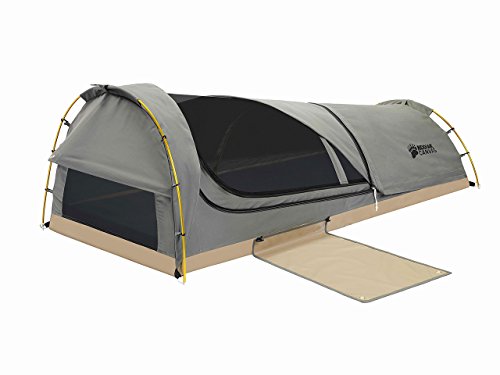
KODIAK CANVAS 1-Person Canvas Swag Tent with Sleeping Pad (Olive)

PHI VILLA Party Tent 20x40ft Heavy Duty Wedding Event Tent

PHI VILLA Party Tent 20x40ft Large Commercial Event Canopy

PHI VILLA Party Tent 16x32ft Wedding Event Heavy Duty Tent

Naturehike Mongar 2-Person 3-Season Backpacking Tent

VIVOHOME 8x8ft Pop Up Canopy Tent One Push Setup

PHI VILLA Party Tent 16x20ft Heavy Duty Wedding Event Tent

PHI VILLA Party Tent 16x32ft Heavy Duty Wedding Event Tent

VIVOHOME 8x8ft Pop Up Commercial Canopy with Sidewall
More Details On Our Top Picks
The KODIAK CANVAS Swag sits in a different world than the ultralight shelters further down this list. A swag is a cross between a tent and a bedroll: roll it out, unzip the canvas, and you’re sleeping on a built-in pad under Hydra-Shield cotton duck, a tightly woven treated canvas that sheds light rain while breathing better than any nylon.
At roughly 6’8″ long and nearly three feet wide, it accommodates most adults for solo trips, and the included 2-inch foam pad with a flannel cover saves you from buying a mattress. Where it really earns its keep is the convertible top, which unzips and rolls back into a screen shelter for stargazing or dry-air mornings. Compared with the Naturehike Mongar covered later, this is heavier and bulkier, but built for years of abuse rather than miles of trail.
Practical Advantages
- Hydra-Shield cotton duck canvas handles sustained drizzle and rough brush far better than thin nylon shells
- Built-in 2-inch foam sleeping pad with flannel cover removes a separate purchase
- Zip-open head and foot windows let you tune airflow without unzipping the whole top
- Top rolls back into a screen shelter for warm, dry evenings where you want the stars
- Durable frame materials and reinforced seams make this a multi-season shelter for solo car campers
Points To Keep In Mind
- Heavier and bulkier than backpacker-focused options like the Naturehike Mongar
- Canvas needs to dry fully before storage or mildew can set in over time
- One-person dimensions feel snug if you also travel with a large pack inside
Key Specs
Made For
Solo car campers and overlanders who want a rugged, breathable shelter they can use season after season without babying the fabric.
Skip It When
You’re counting every gram on a long-distance hike; the Naturehike Mongar is the better call for thru-hikers and backpackers.
When your guest list runs into the dozens, a 20-by-40-foot footprint stops feeling excessive and starts feeling necessary. The PHI VILLA Wedding Event Tent covers 800 square feet of ground, which is enough for a long banquet table, a dance floor, and a small stage all under one roof.
The real design win is the removable sidewalls and zipper doors, which you can take off independently depending on the weather and the mood. Closed up, it feels like a real room. Wide open on a summer evening, it becomes a breezy pavilion. For comparison, the smaller 16-by-20 PHI VILLA covered later handles a backyard birthday comfortably, but it would feel cramped at a wedding of any size.
What Works In Its Favor
- 800 square feet of covered space accommodates large weddings and corporate events
- Removable sidewalls and doors adjust ventilation and access on the fly
- Heavy-duty frame supports string lights, basic draping, and modest decorations
- Four-season versatility thanks to fully closable walls on cooler days
Worth Noting
- Requires a level, open area, and you’ll want a few extra hands for setup
- Tied to PHI VILLA’s accessory ecosystem for replacement sidewalls
Who It Suits Best
Hosts planning large outdoor weddings, graduations, or community events who need serious covered square footage and the option to open the sides.
Where Another Pick Suits Better
Couples hosting a backyard reception for fewer guests will find the PHI VILLA 16×32 Heavy Duty Wedding Event Tent easier to manage on a smaller lawn.
At first glance, this looks like a sibling of the previous PHI VILLA pick, and it almost is. The footprint is the same 20-by-40 layout, but the focus shifts toward storage and utility rather than dance floors. With roughly 10 feet of clearance at the peak and 6.6 feet at the sides, an adult over six feet tall can stand comfortably inside, and a motorcycle or ATV drives straight through.
The front door runs 14.8 feet wide and over 6.5 feet tall, with a smaller rear door for cross-access. That kind of access matters whether you’re running a small workshop or simply want to keep a riding mower out of the rain. The trade-off versus the wedding-oriented PHI VILLA above is purely aesthetic, since this model leans into heavy-duty function over party-friendly styling.
A Favorable Mix
- Tall center clearance accommodates full-sized adults and tall equipment
- Wide front roll-up door plus smaller rear door create real drive-through access
- Same heavy-duty frame family as PHI VILLA’s party tents
- Useful for storage, pop-up workshops, or covered outdoor workspace
Trade Offs
- Aesthetics skew industrial rather than decorative, so it is less party-ready
- Large footprint demands solid, level ground and a real anchoring plan
Best Suited To
Homeowners needing temporary covered storage for vehicles or equipment, plus small-business owners who want a flexible pop-up workspace.
Not Your Match When
Your main goal is hosting a large, decorated wedding; the PHI VILLA 20×40 Wedding Event Tent is built more for that scene.
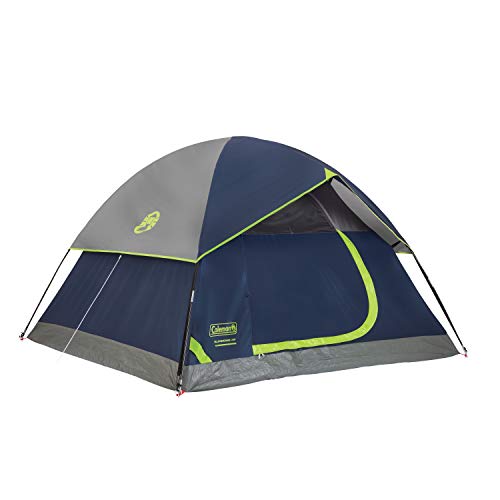
The Coleman Sundome is the tent many people first slept in as a kid, and for good reason. It’s the textbook example of a fuss-free family camping shelter, with snag-free continuous pole sleeves (the fabric tubes you thread the tent poles through) that let two people pitch it in well under ten minutes after the first try.
WeatherTec, Coleman’s system of welded floors and protected seams, handles ordinary summer storms without drama, and the dome shape sheds wind better than a tall A-frame. The honest read is that it’s a beginner shelter through and through, since backpackers will find it too bulky and the materials are entry-grade, but for car campers at established sites, it’s hard to beat the simplicity.
Noteworthy Benefits
- Snag-free continuous pole sleeves make first-time setup fast and frustration-free
- WeatherTec system offers reasonable rain and wind protection for fair-weather camping
- Classic dome shape sheds wind and fits on small tent pads
- Light enough to toss in a trunk for spontaneous weekend trips
Honest Caveats
- Bulkier packed than backpacker-oriented options like the Naturehike Mongar
- Materials are entry-grade, so heavy storms can push the limits of the design
Who Should Grab It
First-time family campers, weekend festival-goers, and anyone who wants a simple car-camping tent without a learning curve.
Look Elsewhere When
You’re planning multi-day backcountry trips where pack weight matters more than setup speed; the Naturehike Mongar is built for that workload.
Step down to 16-by-32 and you get 512 square feet of covered space, which is the sweet spot for many backyard weddings, milestone birthdays, and graduation parties. The PHI VILLA 16×32 hits that middle ground without the logistical headache of the larger 20-by-40 models covered earlier.
Like its bigger siblings, it leans on removable sidewalls and zipper doors for cross-ventilation, and the frame supports a four-season setup with walls fully in place for cooler weather. Compared to the larger wedding tent, you give up a real chunk of dance floor space but gain easier setup and a smaller footprint that fits tighter yards.
Useful Highlights
- 512 square feet suits medium-sized weddings and large family gatherings
- Removable sidewalls and doors allow seasonal reconfiguration
- Heavy-duty frame handles string lights and basic event styling
- Easier to manage on a residential lot than the 20×40 models
Small Caveats
- Still large enough that you’ll want at least two helpers during setup
- Replacement walls are specific to PHI VILLA’s accessory line
Perfect Match For
Homeowners hosting mid-size backyard receptions, baby showers, or graduation parties who want a real covered venue without renting one.
Reach For A Different Pick When
Your guest list exceeds what 512 square feet comfortably holds; the PHI VILLA 20×40 Wedding Event Tent is the next step up.
The Naturehike Mongar is the answer for backpackers who refuse to lug a six-pound shelter up a mountain. The complete set weighs about 5.29 pounds, including the footprint (a separate ground sheet that protects the tent floor from abrasion and moisture), and packs down to roughly 19.7 by 5.9 inches, small enough to slide into a backpack without dominating it.
The double-layer construction, which pairs an inner mesh tent with a separate rainfly, the waterproof outer shell that drapes over the tent body, helps the Mongar manage condensation on humid three-season outings, while color-coded poles make first-time setup less of a puzzle. Where the KODIAK CANVAS Swag covered earlier leans rugged and breathable, this shelter trades canvas comfort for low weight, which is exactly what thru-hikers care about.
Notable Gains
- Full kit at about 5.29 pounds is friendly to long-distance backpackers
- Compact 19.7 x 5.9 in pack size fits standard backpacking setups
- Double-layer design reduces interior condensation on three-season trips
- Included footprint extends floor life on abrasive ground
- Color-coded poles and clips simplify setup for less-experienced backpackers
Things To Weigh
- Two-person rating is snug, so two adults plus packs feel tight
- Lightweight fabrics need careful handling around rocks and branches
Quick Facts
Whose Shelf It Belongs On
Thru-hikers, section hikers, and weight-conscious backpackers who want a real shelter for under six pounds in the bag.
Swap It Out When
You mostly camp out of a car and want canvas comfort; the KODIAK CANVAS Swag is the heavier, comfier alternative.
The VIVOHOME 8×8 Pop Up is for anyone who’s ever wrestled with a traditional frame canopy at a farmers market and lost. The one-push setup lives up to its name: pull it from the bag, push the top up, and the steel frame locks into place.
The 150D Oxford fabric top, a dense woven polyester that resists tearing and light rain, has a steeper pitch than many competitors, and the manufacturer includes waterproof strips at the seams to reduce pooling during sudden showers. Compared with the heavier commercial-grade VIVOHOME covered later, this is the grab-and-go sibling designed for a single person to deploy.
Where It Excels
- One-push deployment works for solo setup at markets or tailgates
- 150D Oxford top balances durability and pack weight
- Steeper canopy pitch helps water run off instead of pooling
- Compact 8×8 footprint fits standard driveways and small vendor spots
Points To Note
- Lighter build than commercial pop-ups, so windy days call for solid weighting
- No sidewalls included for privacy or wind blocking
Right Fit For
Farmers market vendors, tailgaters, and casual hosts who set up and tear down a canopy by themselves multiple times a season.
A Better Fit Elsewhere
Vendors needing enclosed walls or a heavier commercial frame should look at the VIVOHOME 8×8 Commercial Canopy with Sidewall instead.
The smallest PHI VILLA on this list still covers a useful 320 square feet, which is enough for an intimate backyard reception, a medium-sized family reunion, or a shelter for food tables at a larger event. The 16-by-20 footprint fits comfortably on most residential lots, where the 20-by-40 models earlier would never work.
It keeps the same removable sidewall and zipper door design as its larger siblings, so you keep airflow control without giving up the smaller, easier-to-manage form factor. Where the Coleman Sundome covered earlier is a casual family camping tent, this is the residential-event counterpart in the canopy world.
Benefits That Matter
- 320 square feet suits backyard gatherings of around 30 to 50 people
- Removable sidewalls and doors match the larger PHI VILLA party tent family
- Manageable footprint for residential driveways and lawns
- Heavy-duty frame handles basic event styling and lighting
Possible Compromises
- Smaller than wedding-scale, which limits dance floor space
- Frame still benefits from two or more helpers during initial setup
Who Will Love This
Hosts of small-to-medium backyard events who want a real covered venue that doesn’t overwhelm their property.
Where A Sibling Pick Shines
Larger weddings and receptions will need the extra space of the PHI VILLA 20×40 Wedding Event Tent earlier in this list.
Yes, this looks similar to the 16×32 covered earlier, and that’s intentional. PHI VILLA offers overlapping sizes to fit different lot shapes, and the second 16×32 here shares the same removable walls and zipper-door construction that makes this family so flexible for seasonal entertaining.
The 512-square-foot interior is generous enough for a dance floor plus seating, and the fully removable sidewalls let you run the tent as a sunshade in summer or close it up against autumn winds. Compared with the 16×20 model above, you gain roughly 190 square feet of usable room without doubling the footprint.
What It Does Well
- 512 square feet handles a dance floor plus banquet seating
- Fully removable sidewalls and doors adapt across seasons
- Four-season versatility for spring, summer, fall, and mild winter use
- Heavy-duty frame for string lights, draping, and modest decor
A Few Limitations
- Initial setup is easier with helpers, though two people can manage it
- Tied to PHI VILLA’s accessory ecosystem for replacement parts
The Right Fit
Seasonal hosts who want one tent they can reconfigure across summer parties, fall weddings, and spring showers without buying multiple shelters.
Consider Something Else When
Your yard can’t comfortably fit a 16×32 rectangle; the more compact PHI VILLA 16×20 Heavy Duty Wedding Event Tent handles tight lots better.
The commercial VIVOHOME 8×8 trades some of the grab-and-go simplicity of its one-push sibling for a heavier-duty build aimed at vendors and event crews. The 500D Oxford canopy top, a heavyweight woven polyester used in commercial-grade outdoor fabric, delivers 1000 mm water resistance, which is the hydrostatic head rating that tells you how much water pressure the fabric can handle before leaking, and UPF 50+ sun protection (meaning it blocks roughly 98 percent of UV rays), so it can stand up to full-day events.
The included sidewalls, a roller bag, and hexagonal steel columns push this into commercial territory. You also get a side door and a back wall in 210D Oxford for shade and wind control. For solo weekend markets, the lighter one-push VIVOHOME covered earlier is easier on the back; for serious event work, this is the build to reach for.
Notable Upsides
- 500D Oxford top with 1000 mm water resistance handles sustained rain
- UPF 50+ canopy blocks most UV during long outdoor events
- Included sidewalls, side door, and roller bag add real commercial utility
- Hexagonal steel columns improve stability over round-tube frames
Some Limits To Know
- Heavier packed weight than the one-push sibling, so it is less friendly for solo setup
- Bulkier to store between events than lighter pop-ups
Feature Snapshot
Built With In Mind
Event vendors, market crews, and small businesses running pop-ups who need a canopy that survives multiple weekends in a season.
Another Choice May Suit
Casual weekend hosts who set up once or twice a year will find the lighter VIVOHOME One Push easier to live with.
What To Weigh Before Choosing A Bargain Tent
The word bargain in this category is doing real work. Two tents at the same price can deliver very different value depending on materials, frame quality, and how often you’ll actually use them. For backpackers, the math is simple: pack weight and weather performance matter more than a familiar brand name. For event hosts, square footage, frame sturdiness, and ease of setup tend to dominate the decision.
Materials And Fabric Choices
The two fabric families you’ll meet most often are treated cotton duck canvas and polyester nylons in various denier ratings (denier measures fiber thickness, so higher numbers mean thicker, heavier, and usually more durable fabric). Canvas breathes better, lasts longer, and handles sun and brush well, but it is heavy and slow to dry. Polyester and nylon are lighter and faster to dry, but cheaper versions tear at the seams first. The sweet spot for most weekend backpackers sits around 20D to 75D polyester with a quality rainfly and taped seams.
Frame And Setup Style
Backpacking tents usually rely on flexible aluminum poles and double-layer construction, which adds interior tent plus rainfly weight. Event canopies run on rigid steel frames with snap connectors, and the larger the footprint, the more hands you’ll need for setup. Pop-up canopies are a different story, since they use a scissor-style frame that one person can deploy in seconds, but they are also more vulnerable in wind than a rigid steel tent.
Size And Real-World Use
Manufacturer footprints tell only part of the story. A two-person backpacking tent usually fits two adults snugly with no room for gear. A 16×20 event tent fits roughly 30 to 50 people depending on seating layout. Always subtract space for tables, chairs, and a dance floor before committing. The right-sized tent feels generous; an undersized one ruins the mood.
Climate And Frequency Of Use
Canvas breathes well in hot, dry weather but holds moisture in humid climates. Polyester resists UV and dries fast. If you only camp three weekends a year, a lighter setup may serve you better. If you host events every month, heavier frames pay for themselves in longevity and reduced setup stress.
Smarter Shopping Across This Round
Where Shoppers Go Wrong
The most common slip is buying by headline price instead of by use case. A bargain tent that doesn’t match your terrain or guest count is no bargain at all. Another trap is underestimating setup time, since large party tents demand real planning, help, and a level site, and pop-ups still need solid weighting in wind. Finally, skipping the footprint or ground cover to save weight or cost shortens the life of any tent floor, and replacing a tent floor usually costs more than the footprint would have.
When Paying More Pays Off
In this category, stepping up usually buys one of three things: heavier denier fabric, a sturdier frame, or better weather sealing. For backpackers, that translates to fewer failures on wet nights and longer floor life. For event hosts, it means frames that survive multiple seasons of assembly, walls that actually seal against wind, and canopies that don’t pool water after a thunderstorm. Pay more when you use the shelter often or push it into rough conditions; save when you only need it a couple weekends a year in mild weather.
Frequently Asked Questions
Are bargain tents safe in heavy rain?
Most bargain tents handle moderate rain if seams are sealed and the rainfly is taut. Heavy, sustained downpours can push any entry-level shelter past its limits, so always seam-seal the floor and bring a backup tarp.
How long should a budget tent last?
A well-cared-for bargain tent typically lasts three to five camping seasons for casual use, and considerably longer if you keep it clean, dry, and out of prolonged UV exposure between trips.
Can a party tent handle strong wind?
Most residential party tents are rated for moderate breezes, and you should always stake them down and add weight to the legs. For sustained high winds, take the canopy down rather than risk frame or fabric damage.
How do I store a tent so it doesn’t mold?
Always dry the tent fully before storage, even if that means setting it up in the garage for an hour. Pack it loosely in a breathable sack rather than a tight stuff sack, and avoid storing it in damp basements or hot car trunks.
Is a pop-up canopy worth it for casual use?
For markets, picnics, and tailgates where you deploy the same canopy a few times a season, a pop-up saves significant time and stress. For occasional one-day events, a cheaper frame canopy may be all you need.
Wrap Up
The right bargain tent depends almost entirely on what you’re sheltering and how often you’re deploying it. Backpackers get the most value from the Naturehike Mongar’s low pack weight, while car campers and overlanders will appreciate the rugged canvas comfort of the KODIAK CANVAS Swag. Event hosts have a wider ladder to climb, from a one-push pop-up for casual weekends all the way up to a 20-by-40 wedding tent for the biggest gatherings.
Pick the shelter that matches your most common use case, not the one with the most impressive headline feature. A tent that earns its place season after season is a better deal than one that dazzles on paper and disappoints in the rain.