
Charcoal grilling has a particular pull. The sear, the smoke, the ritual of lighting a fire and waiting for it to settle into glowing coals, it’s a different conversation than gas, and the right setup makes it feel less like a chore and more like a Saturday afternoon. This lineup pulls together full backyard builds, classic kettles, and the long-handled tools that keep your hands away from the heat. There’s a pick here whether you’re outfitting a new outdoor kitchen, hauling a grill to the lake, or just tired of your current setup fighting you.
The Lineup, Simplified

FDSAG 28-In Built-In Charcoal BBQ Grill
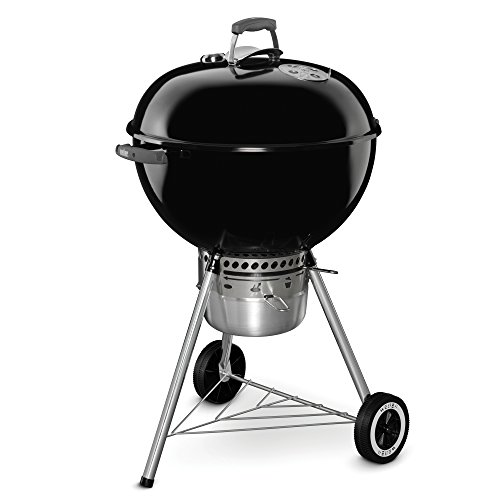
Weber Original Kettle Premium 22-Inch
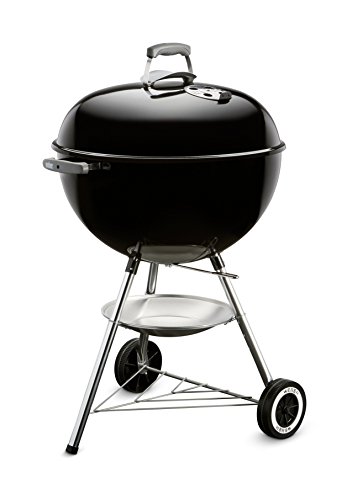
Weber Original Kettle 22-Inch Charcoal Grill

Weber Jumbo Joe 18-Inch Charcoal Grill

STEVEN-BULL S Extra Long BBQ Tool Set

STEVEN-BULL S 7-in-1 BBQ Spatula 17-Inch

FDSAG 32-In 5-Burner Gas and Charcoal Combo Grill

STEVEN-BULL S Heavy Duty 17-Inch BBQ Tongs

FDSAG Large Built-In Charcoal BBQ with Liftable Tray

FDSAG Large Built-In Charcoal BBQ Grills for Outdoor Kitchen
Meet The Standout Selections
Drop this into a stone or stucco outdoor kitchen and it stops looking like an appliance and starts looking like part of the structure. The 28-inch footprint gives you serious room for two-zone cooking, with charcoal banked on one side for a slow shoulder and a hotter direct zone for burgers on the other.
Unlike the Weber kettles further down this list, the FDSAG is a permanent install. You cut an opening in your masonry, set the frame, and it lives there. The stainless body shrugs off coastal air better than painted steel, which matters if your patio catches salt spray.
What Helps Most
- Rust-resistant stainless frame holds up season after season in exposed installations
- 304 stainless grates sear cleanly and release food without aggressive scraping
- Built-in profile leaves counters free for prep, plating, and landing zones
- 28-inch width gives real two-zone control for direct and indirect cooking at once
Trade Offs To Consider
- Requires masonry work and a dedicated cutout, so it isn’t a renter-friendly choice
- Stainless shows fingerprints and water spots; routine wiping keeps it looking intentional
Quick Facts
Right Fit For
Homeowners building a permanent outdoor kitchen who want a charcoal centerpiece that disappears into the masonry.
Consider Something Else When
You rent your space or move often. The Weber Original Kettle Premium 22-Inch gives you similar two-zone flexibility without the install.
The kettle that most backyard cooks picture when you say “charcoal grill,” with one specific upgrade that changes how you cook on it. The hinged cooking grate lifts at the center so you can drop fresh charcoal onto the fire without pulling the entire grate off and losing your heat.
Set this up on a small patio or in a garage corner and it earns its space without dominating it. The One-Touch cleaning system sweeps ash into a high-capacity catcher, so end-of-cook cleanup is closer to two minutes than twenty.
The Upside
- Hinged grate lets you add coals mid-cook without lifting the whole grid
- One-Touch ash system cuts cleanup time after long, low-and-slow sessions
- 22-inch bowl fits roughly ten to twelve burgers per round for typical family meals
- Porcelain-enameled bowl retains heat efficiently and shrugs off rust
Points To Note
- No side shelf out of the box; you’ll want a small table for platters and sauce
- Wheels work fine on a patio, less so across soft lawn or gravel
Built With In Mind
Backyard cooks who want classic kettle character without giving up the hinged-grate convenience.
Reach For A Different Pick When
You want something that travels. The Weber Jumbo Joe 18-Inch is the same kettle DNA in a smaller, tailgate-friendly footprint.
The template that nearly every other charcoal kettle measures itself against. The bowl, the lid, the damper-controlled airflow: it’s the grill your neighbor probably has, and there’s a reason it’s been in continuous production for decades.
Think of this as the trim version of the Premium model above. You give up the hinged grate, and you save a bit of cost and complexity. For many cooks, that’s a perfectly fair trade.
What Stands Out
- Porcelain-enameled lid and bowl hold heat and resist rust through years of seasons
- Aluminum dampers give you precise top and bottom airflow control for temperature tuning
- Time-tested design with abundant replacement parts and accessory options available
- Stable tripod base handles wind without skating across the deck
Some Limits To Know
- Adding charcoal mid-cook means lifting the full grate, which drops your cooking temp briefly
- Basic aluminum dampers can corrode after several seasons of heavy coastal exposure
Who It Suits Best
First-time charcoal owners who want a proven, low-fuss grill they’ll still be using in ten years.
Look Elsewhere When
You cook long sessions and want to refuel without losing heat. Step up to the Weber Original Kettle Premium 22-Inch for the hinged grate.
Same kettle DNA, but trimmed for life on the move. The 18-inch bowl still gives you about 240 square inches of cooking surface, which is enough to feed a tailgate crowd without needing a truck bed to haul it.
It tucks into a car trunk, sets up in a parking lot, and breaks down for storage in a closet. Compared to the 22-inch kettles above, you’re trading grate space for portability, and that trade is usually worth it when your kitchen is a picnic table.
A Strong Showing
- Plated steel grate handles high heat searing without warping in normal use
- Rust-resistant aluminum dampers and ash catcher keep the lightweight body durable
- Glass-reinforced nylon legs stay cool enough to reposition without gloves
- Compact folded profile fits in most car trunks and apartment closets
Trade-Offs To Consider
- 240 square inches is generous for travel, tight if you’re cooking for eight or more
- Smaller bowl holds less charcoal, so long overnight cooks demand careful fuel planning
Perfect Match For
Tailgaters, campers, and apartment dwellers who want real charcoal flavor without a permanent grill footprint.
Skip It When
You host big backyard parties. The FDSAG Large Built-In Charcoal BBQ gives you a far bigger cooking surface for that scenario.
Three pieces, all oversized, all built to keep your forearms out of the heat plume. The set covers the basics: a long spatula, a long fork, and long tongs, with wooden handles that stay cool and a stainless working end on each one.
If you just bought your first charcoal grill and your tool drawer is bare, this is the easy button. Compared to building your own set piece by piece, the bundle gets you cooking in one move and arrives in packaging that doubles as a gift.
Key Advantages
- Long handles keep hands well back from radiant heat and flare-ups
- Extra-thick stainless resists flexing when flipping heavier cuts of meat
- Wooden grips don’t conduct heat the way all-metal tools do
- Three-piece set covers flipping, lifting, and turning in one purchase
A Few Limitations
- Wood handles need occasional oiling if you leave the set outside
- Three pieces cover the basics, but specialty tasks like basting need extras
Who Will Love This
New charcoal grill owners and anyone shopping for a housewarming or Father’s Day gift.
A Better Fit Elsewhere
Minimalists who already own tongs and a spatula. The STEVEN-BULL S 7-in-1 BBQ Spatula consolidates tools into one.
One tool that tries to replace seven. The head combines a wide spatula face, a serrated edge, a bottle opener, and several other functions that the brand lists out for you on the packaging. The 17-inch handle keeps your hand well clear of the fire.
Where the full toolset above gives you three separate implements, this collapses the kit down to a single draw. That’s a real win for small outdoor kitchens and small storage closets.
Good Reasons To Consider
- Multi-function design eliminates the need to buy and store separate tools
- Extra-thick stainless head resists flexing under full burger patties
- Smooth face releases food cleanly without aggressive scraping on the grate
- 17-inch reach is comfortable for both kettle grills and taller built-ins
Things To Weigh
- Multi-function heads never perform any single job as well as a dedicated tool
- Heavier than a basic spatula, which can fatigue your wrist during long cooks
Best Suited To
Grillers with limited drawer space who want one well-made tool that handles most tasks.
Not Your Match When
You cook often and want a dedicated tool for each motion. The STEVEN-BULL S Extra Long BBQ Tool Set covers that scenario.
This one bends the rules of a charcoal roundup, but it earns its spot. The 32-inch head ships propane-ready, but a charcoal tray or natural gas conversion kit (sold separately) lets you run it as either fuel. One grill, two cooking styles.
Compared to the dedicated charcoal units above, this is the choice for households that can’t always agree on fuel. Quick weeknight gas during the week, charcoal on the weekends when there’s time to tend the fire.
Strong Points
- 304 stainless wavy grates distribute heat evenly and resist sticking
- Five-burner layout lets you run a full griddle’s worth of food at once
- Modular fuel setup means propane, natural gas, or charcoal in one footprint
- 32-inch width covers large gatherings without splitting into batches
Room For Improvement
- Requires separate conversion kit and charcoal tray to access charcoal mode
- Built-in form factor again assumes you have masonry work planned
The Right Fit
Outdoor hosts who split time between quick weeknight meals and slower weekend cooks and want one grill that handles both.
Swap It Out When
You cook strictly charcoal. The FDSAG 28-In Built-In Charcoal BBQ Grill keeps things simple with a dedicated fuel setup.
A pair of tongs that actually grips the way you expect. The spring tension is firm without being punishing, and the stainless scalloped ends clamp onto everything from asparagus spears to whole ribeyes without slipping.
Where the lighter tongs that ship with budget grill sets twist under load, these stay straight. For reverse-searing tomahawks or flipping bone-in chicken thighs, that stiffness matters more than you might expect.
Advantages To Know
- Extra-thick stainless resists flexing when lifting heavy, awkward cuts
- Wooden handle stays cool and gives a secure grip even with greasy hands
- Collet-style surface texture prevents food from slipping during flips
- 17-inch length keeps knuckles clear of high radiant heat on kettle lids
Smaller Caveats
- Heavier build means longer sessions can tire your hand faster
- Locks or rests aren’t built in, so you’ll lay them across a side shelf between flips
Made For
Cooks who flip whole steaks, spatchcocked chickens, or other heavy items where flimsy tongs fail.
Another Choice May Suit
Casual weeknight grillers who mostly flip burgers. The STEVEN-BULL S 7-in-1 BBQ Spatula covers lighter tasks just fine.
The defining feature is the liftable charcoal tray. Instead of stacking bricks to bring the coals closer to the food, you crank the tray upward through the body of the grill. It’s the same idea as an offset firebox adjustment, applied to a built-in.
Cook for a crowd and you stop fighting your fire. Bring the heat up for a fast sear, drop it down for an indirect finish, all without moving a single coal with your hands.
Reasons It Performs
- Liftable tray puts real two-zone control at hand-crank speed
- Built-in hood thermometer lets you monitor temp without lifting the lid
- Enameled cast iron grates hold and release heat evenly across the surface
- Wide cooking area fits meals for groups in the 10 to 20 person range
Practical Considerations
- Cast iron grates need oiling and dry storage to keep seasoning intact
- Larger body requires a more substantial cutout in your outdoor kitchen build
Feature Snapshot
Whose Shelf It Belongs On
Backyard hosts who regularly cook for double-digit groups and want a charcoal setup that responds like gas.
Where A Sibling Pick Shines
You cook for smaller households. The FDSAG 28-In Built-In Charcoal BBQ is the right size for family dinners.
This is the family-sized answer for outdoor kitchens. The 480 square inch cast iron grate has the room for a full spread: chicken on one side, vegetables on the other, a tray of ribs down the middle, and still space to spare.
It carries the same liftable tray concept from the previous FDSAG entry, just at a friendlier price for households that cook in volume. The trade is fewer dampers and a simpler gauge setup, but the core experience stays solid.
Where It Excels
- 480 sq in cast iron surface feeds a full family cookout in one round
- Liftable charcoal tray gives precise fire-to-food distance control
- Built-in temperature gauge keeps monitoring lid-open heat loss to a minimum
- Cast iron grates develop seasoning over time, improving release and flavor
Honest Caveats
- Cast iron requires drying and oiling to prevent flash rust between cooks
- Installed weight is significant; plan cabinet and masonry support accordingly
Feature Rundown
Who Should Grab It
Families building an outdoor kitchen who want one grill large enough for weekly dinner service.
Not Your Match When
You entertain large parties often. The FDSAG Large Built-In Charcoal BBQ with Liftable Tray offers a wider grate for bigger crowds.
Matching The Right Charcoal Setup To Your Cooking Style
Choosing a charcoal grill starts with honestly answering one question: where will you actually cook, and how often? A built-in unit only makes sense if you own your outdoor space and have the masonry budget. Kettle grills cover most household needs without a permanent footprint, and they store in a garage or shed between seasons.
Cooking surface matters more than total width. A 22-inch kettle gives roughly 363 square inches of usable grate, which feeds a family of four with room to spare. Drop to the 18-inch Jumbo Joe and you’re at 240 square inches, enough for four to six people but tight for big parties. Built-in units typically run 400 to 600 square inches, sized for ten-plus gatherings.
Portability is its own axis. Weber’s kettles break down to a single body with a removable leg setup, which works fine for occasional transport. If you’re hauling to a tailgate every weekend, lighter builds and smaller bowls pay off in actual muscle soreness.
Material choices show up most after year three. Stainless frames resist rust but show water spots. Porcelain-enameled steel hides wear better. Cast iron grates sear beautifully but demand maintenance. Pick the tradeoff you can live with rather than the one that looks best in a photo.
Tools deserve a parallel decision. Long-handled sets (the 14 to 17 inch range shown here) keep your hands clear of the fire, but you need a drawer or hook space to store them. Multi-tools trade single-purpose performance for compact storage.
Common Considerations Across These Picks
Where Shoppers Slip Up First
Most first-time charcoal grillers grab a budget kettle, then discover they hate cleanup. Ash management is the quiet dealbreaker in this category: cheaper kettles dump ash everywhere during a cook, while designs with a high-capacity catcher (like the Weber Premium’s One-Touch system) save real time.
The other classic mistake is buying by grate width alone. A larger grate feels like a win on day one, until you’re trying to keep a small fire alive across the whole surface. For typical family cooking, a 22-inch kettle hits the sweet spot between capacity and controllability.
When Paying Up Pays Off
Premium charcoal grills earn their higher price through three things: heavier gauge steel that resists warping over years, better airflow control for low-and-slow cooks, and grates that hold seasoning rather than corroding. If you grill weekly, those differences add up.
For occasional weekend cooks, mid-tier options deliver most of the experience at a fraction of the cost. The honest read is to match spend to frequency: weekly grillers benefit most from premium builds, monthly cooks do fine with proven mid-tier designs.
Frequently Asked Questions
How long does it take charcoal to heat up?
Most charcoal setups reach cooking temperature in 20 to 30 minutes once the coals are fully lit and ashed over. Using a chimney starter speeds this up by concentrating heat at the bottom.
Can you use a charcoal grill in an apartment or on a balcony?
Local fire codes typically allow charcoal grilling on private outdoor spaces, but many apartment buildings prohibit open flames on balconies. Check your lease and municipal rules before setting up.
What’s the difference between direct and indirect charcoal cooking?
Direct cooking means food sits over the coals for high-heat searing. Indirect cooking means coals are banked to one side and food cooks on the cooler side, similar to an oven. Two-zone setups let you run both at once.
How do you clean a charcoal grill safely?
Let coals fully extinguish and the grill cool for several hours. Remove ash with a metal scoop, brush the grates with a wire brush, and wipe down the exterior. Never douse hot coals with water.
Do you need to season cast iron grill grates?
Yes. Lightly oil the grates after each cleaning and let them warm on the grill before storage. This builds a seasoning layer that prevents rust and improves food release over time.
The Takeaway
A great charcoal grill is less about chasing specs and more about matching the setup to your space, your household size, and how often you actually light the fire. The Weber kettles remain the proven path for most home cooks, while the FDSAG built-ins cover households ready to commit to a permanent outdoor kitchen. Pick the tool that fits the way you cook, and the rest takes care of itself.