
You don’t need a sprawling backyard to chase real barbecue flavor. The trick is choosing a grill and smoker combo that matches how you actually cook, whether that’s quick weeknight burgers or all-day brisket sessions that demand fire management. The picks below span compact charcoal kettles, full Texas-style offsets, and dual-fuel workhorses, so you can match capacity and fuel type to your space. Each one handles both fast grilling and true low-and-slow smoking without forcing you to buy two separate rigs.
An Overview Of The Picks

Oklahoma Joe’s Rambler Portable Charcoal Grill
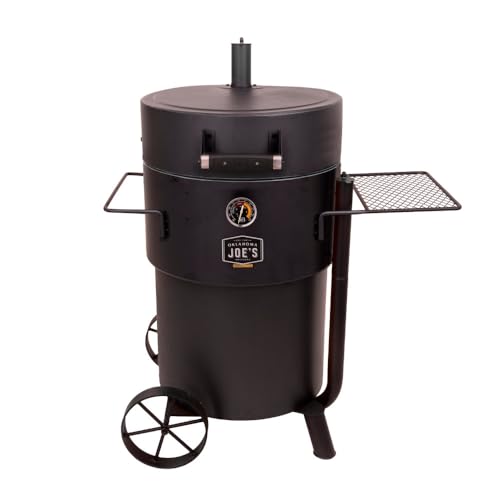
Oklahoma Joe’s Bronco Pro Drum Smoker and Grill
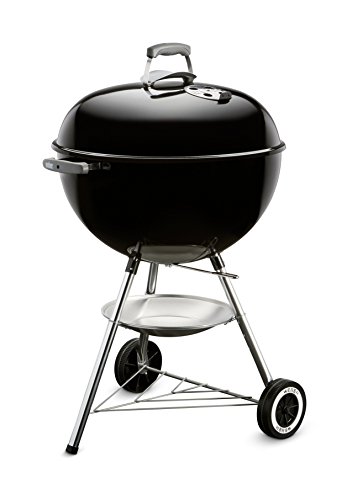
Weber Original Kettle Charcoal Grill 22-Inch
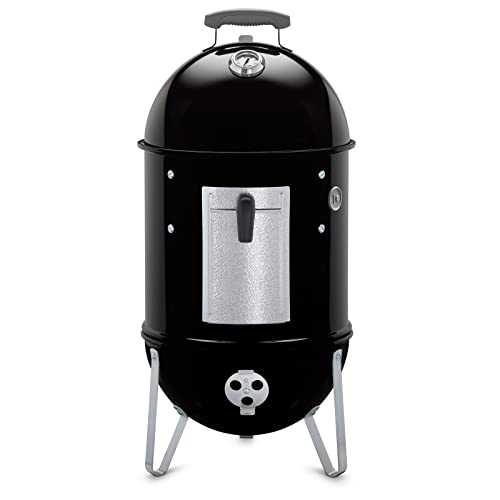
Weber Smokey Mountain Cooker Smoker 14″

Oklahoma Joe’s Firecraft Modular Open Fire Barrel Grill

Char-Griller Side Fire Box Attachment E82424

Oklahoma Joe’s Highland Reverse Flow Offset Smoker
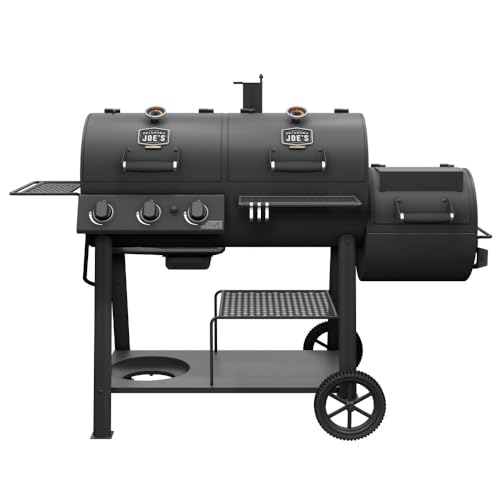
Oklahoma Joe’s Canyon Combo Dual Fuel Smoker and Grill

Pit Boss 500 FB2 Wood Pellet Grill and Smoker

Oklahoma Joe’s Longhorn Offset Charcoal Smoker and Grill
A Closer Look At Each Pick
For campers and tailgaters, the Rambler solves the portable-grill dilemma without giving up charcoal flavor. The 218-square-inch grate handles a meal’s worth of burgers, sausages, or chicken thighs, which is plenty for a small group on the road. Its tabletop footprint stows easily in a trunk or RV bin, and the simple design keeps setup fast after a long drive.
Unlike the larger Bronco Pro coming up next, the Rambler leans small and stays light. Owners commonly rely on the adjustable-height charcoal tray to switch between hot sears and gentler cooks.
Practical Pluses
- Lightweight, portable build fits road trips and small patios
- Adjustable charcoal tray gives real temperature flexibility
- Straightforward setup, helpful for first-time charcoal cooks
Things To Consider
- Smaller grate limits batch cooking for big gatherings
- Light construction means it needs a stable, flat surface outdoors
Feature Snapshot
Who Will Love This
Tailgaters, campers, and renters with limited patio space who still want real charcoal taste.
Skip It When
The Weber Original Kettle Charcoal Grill 22-Inch suits you better if you mostly cook at home and need a roomier grate.
The Bronco Pro is the pick for low-and-slow cooks who don’t want to babysit the fire every hour. The 21.5-inch drum body gives you 366 sq. in. of grate to spread ribs, pork shoulders, or two chickens across, and the sealed lid pairs with adjustable dampers to lock in steady heat. A heavy-gauge build means it shrugs off the kind of season-long use that wears down thinner units.
Compared to the Rambler above, this is a serious step up in both capacity and cook-time endurance. Owners commonly report it holding temperature for multi-hour sessions with minimal tweaking.
What Works In Its Favor
- Sealed drum design holds heat and smoke reliably
- Adjustable dampers give you real airflow control during long cooks
- Heavy-gauge steel construction supports regular use
Worth Noting
- Bulkier than a kettle or portable, plan the storage spot
- Charcoal-only fueling adds prep time versus propane rigs
Whose Shelf It Belongs On
Backyard pitmasters running weekend ribs or shoulders who want drum-style heat retention.
Look Elsewhere When
The Oklahoma Joe’s Canyon Combo Dual Fuel Smoker and Grill makes more sense if you want propane for quick sears and charcoal smoke in the same rig.
The 22-inch Kettle is the kind of grill people keep for a decade and pass down. The porcelain-enameled lid and bowl help it shrug off rust in rain and snow, and the iconic bowl shape gives you both direct grilling and indirect smoking by banking coals to one side. For most backyards, that’s all the versatility you actually use.
The trade-off shows up when you push it into true all-day brisket territory, where the Bronco Pro’s drum body holds steadier heat. Still, for a couple of chicken halves or a dozen burgers, it feels effortless.
Where It Delivers
- Porcelain-enameled finish holds up to years of weather
- Indirect-heat setup handles basic smoking well
- Compact footprint suits small patios and apartment balconies
Trade Offs
- Limited low-and-slow capacity compared to dedicated smokers
- Requires you to manually reconfigure coals for smoking setups
Quick Facts
Built With In Mind
Family cooks running a reliable all-purpose charcoal grill with minimal fuss.
Another Choice May Suit
The Weber Smokey Mountain Cooker Smoker 14″ is the better move if your priority is smoking rather than grilling.
The Smokey Mountain is a vertical bullet smoker, so heat and smoke travel up and around the food instead of across it. That design makes airflow easier to learn: open the top vent a bit, close the bottom a touch, and watch the temperature gauge respond. Two cooking grates let you stack ribs and a chicken at the same time.
Compared to the Weber Kettle above, this is a more focused smoking tool and less of a hybrid. Most beginners appreciate how forgiving the damper system is compared to tuning an offset.
Useful Touches
- Vertical layout keeps the footprint narrow on small patios
- Accessible dampers simplify learning temperature control
- Two grates maximize capacity without a wider body
Points To Keep In Mind
- Not designed for high-heat searing
- Requires more fuel monitoring than pellet units
Spec Overview
Perfect Match For
First-time smokers who want predictable temperature control without mastering offset tuning.
Swap It Out When
The Oklahoma Joe’s Firecraft Modular Open Fire Barrel Grill fits better if you want open-fire cooking alongside smoking.
The Firecraft barrel pulls double duty as a cooker and a fire pit, so it works for nights when you want heat and atmosphere along with dinner. The open firebox gives you 360-degree access to stoke the fire without lifting the grate and disturbing the cook. A 480-square-inch total cooking area splits across two heavy-gauge wire grates, which handles a family pack of steaks or a full spatchcocked chicken with room to spare.
Where the Bronco Pro is sealed and smoke-focused, the Firecraft is open and conversational. That open design trades some heat efficiency for a more social cooking style.
A Few Highlights
- Twist-lock grates adjust height for different cook styles
- Heavy-gauge wire grates resist warping over time
- Doubles as a fire pit for cooler evenings
Areas To Watch
- Open design loses heat faster than sealed smokers
- Requires more active fire management during windy weather
Details At A Glance
Made For
Cooks who love live-fire meals and want a centerpiece that doubles as a gathering spot.
Reach For A Different Pick When
The Weber Original Kettle Charcoal Grill 22-Inch suits you more if you want a lower-maintenance daily cooker.
The E82424 is a clever hybrid. On its own legs, it’s a portable charcoal grill with 250 sq. in. of cast-iron grate that handles roughly twelve burgers at once. Mounted as a side fire box on a compatible Char-Griller barrel or dual-fuel grill, it transforms the host rig into a Texas-style offset smoker with a real fire chamber next to the cook chamber.
For shoppers already invested in a Char-Griller barrel, this is the upgrade that opens up real offset-style smoking. Standalone, it’s a chunky portable that runs heavier than the Oklahoma Joe’s Rambler above.
Good Reasons To Consider
- Doubles as a standalone grill and offset smoking attachment
- Cast-iron grates hold and distribute heat well
- Heavy-gauge powder-coated steel supports regular use
Honest Caveats
- Most useful for owners of compatible Char-Griller host units
- Heavier than typical portable grills when used standalone
Best Suited To
Char-Griller owners ready to convert a barrel grill into a true Texas-style offset setup.
Not Your Match When
The Oklahoma Joe’s Longhorn Offset Charcoal Smoker and Grill fits better if you want a complete standalone offset rig without add-ons.
The Highland is built for cooks chasing competition-style results from an offset. Removable baffles and an adjustable smokestack let you switch between reverse-flow smoking, where heat travels under a plate before reaching the meat, and traditional offset flow. That flexibility matters when you’re dialing in brisket bark versus chicken skin.
At 1,093 square inches, it has serious capacity, but it also demands space and learning. Where the Weber Smokey Mountain is approachable, the Highland rewards patience.
A Strong Showing
- Switchable baffles give you two distinct smoking styles
- Large charcoal basket supports long sessions
- Heavy-gauge construction handles year-round use
Small Limitations
- Demands a real learning curve for first-time offset cooks
- Footprint and weight require permanent placement
Feature Card
Right Fit For
Competitive-leaning pitmasters who want offset flexibility and room for big cuts.
A Better Fit Elsewhere
The Weber Smokey Mountain Cooker Smoker 14″ makes more sense if you’re still learning airflow management.
The Canyon Combo runs a 36,000 BTU three-burner propane system on one side and a charcoal smoker on the other. That dual-fuel layout solves the timing problem at real gatherings: low-and-slow ribs on the charcoal side while burgers sear fast on propane. The 1,031-square-inch total area handles crowd-sized menus.
Compared to the Highland’s all-charcoal offset flow above, this trades smoky purity for weeknight flexibility. For hosts who entertain often, that trade usually pays off.
Points In Its Favor
- Dual-fuel design covers slow smoke and fast sear in one unit
- Large cooking capacity feeds crowds without batching
- Propane side heats quickly when timing is tight
Some Limits To Know
- Propane tank is a separate purchase
- Large footprint needs dedicated patio space
Who Should Grab It
Entertaining hosts who want smoke and sear capability in a single backyard unit.
Where Another Pick Suits Better
The Oklahoma Joe’s Longhorn Offset Charcoal Smoker and Grill fits better if you don’t need propane and prefer a classic single-fuel offset.
The Pit Boss 500 brings pellet automation to backyard cooking, where an auger feeds wood pellets from a 5-pound hopper into the fire pot based on the controller’s reading. Set 225°F for ribs or 500°F for a sear and walk away. The Flame Broiler slide gives you direct-flame access without swapping grates.
Compared to charcoal-only options like the Bronco Pro, pellets trade the hands-on ritual for repeatable results. For weeknight cooks, that’s a fair exchange.
Bright Spots
- Wide temperature range covers smoke, bake, and sear
- Digital controller simplifies long, unattended cooks
- Meat probe helps track internal temps
Possible Compromises
- 5-pound hopper means refills on very long cooks
- Pellet flavor profiles differ from hardwood splits
Who It Suits Best
Busy weeknight cooks who want set-and-forget temperature control with real smoke flavor.
Consider Something Else When
The Oklahoma Joe’s Highland Reverse Flow Offset Smoker is the right call if you prefer the ritual of charcoal and hardwood.
The Longhorn is a classic offset smoker and grill built for backyard cooks who want traditional low-and-slow flavor without reverse-flow complexity. A 751-square-inch primary chamber plus a 309-square-inch secondary firebox gives you 1,060 sq. in. of total cooking area, enough for two pork shoulders and a rack of ribs at the same time.
Where the Highland adds switchable baffles for advanced tuning, the Longhorn stays simple and forgiving. For most family cooks, that simplicity is the point.
The Helpful Details
- Generous total cooking area for family gatherings
- Traditional offset design delivers classic wood-fired flavor
- Side firebox lets you add splits without opening the main chamber
Factors To Consider
- Single-fuel charcoal setup demands more prep time
- Heavy construction means limited portability once placed
The Right Fit
Backyard families running brisket, ribs, or pork shoulders for weekend gatherings.
Where A Sibling Pick Shines
The Oklahoma Joe’s Canyon Combo Dual Fuel Smoker and Grill is the smarter pick if you also want propane sear capability.
What To Weigh Before Buying A Grill And Smoker Combo
The right pick depends on how you actually cook, not just how the spec list reads. Three categories matter most: fuel type, capacity, and the learning curve you’re willing to climb.
Fuel Type Sets The Flavor And Routine
Charcoal and hardwood splits deliver the layered smoke flavor most pitmasters chase, but they demand fire-tending skills and longer startup. Propane heats fast and recovers quickly, which is why dual-fuel rigs work for entertaining. Wood pellets automate the process with a digital controller and feed pellets from a hopper into the fire pot. Each fuel carries a different cooking rhythm, and choosing one shapes how involved each cookout feels.
Capacity Matches Your Crowd
A 200-square-inch grate handles a couple of burgers for two people. A 1,000-square-inch chamber runs multiple briskets and racks of ribs at once. Match capacity to your typical guest count rather than the largest cook you’ve ever imagined, since oversized units waste fuel on small meals and demand more storage.
Learning Curve Sets Your Pace
Bullet smokers and kettles are forgiving for first-time users because dampers and lid placement handle most of the airflow tuning. Offset smokers, including reverse-flow models, reward patience and attention to fire management. Pellet grills essentially remove the learning curve with automation but introduce a different maintenance routine around hopper refills and auger cleaning.
Construction Determines Real Lifespan
Porcelain-enameled finishes resist rust and weather better than bare steel, especially when grills live outside year-round. Powder-coated heavy-gauge steel is the next step up in durability. Cast-iron grates hold heat exceptionally well but need oiling to prevent rust, while porcelain-coated steel grates need less maintenance.
Key Considerations Across These Picks
Common Shopping Slip Ups
The biggest mistake is buying by square-inch count alone, since a 1,000-square-inch chamber on a poorly sealed smoker loses heat faster than a tighter 400-square-inch design. Another common slip is underestimating fuel storage; charcoal, hardwood splits, and pellets all need dry, accessible space near the cook zone. Shoppers also tend to skip weight and footprint planning, then discover their patio can’t comfortably hold the offset smoker they fell for. Measure your space, including clearance for lid swings and ash cleanup, before committing.
Where The Extra Money Goes
Stepping up to reverse-flow baffles, dual-fuel layouts, or pellet automation usually adds steel thickness, sealed chambers, and tighter component tolerances. That translates into steadier long cooks, less fuel waste, and fewer frustrating temperature swings during overnight brisket sessions. For cooks running weekly barbecues or hosting regularly, the upgrade pays back in fewer failed cooks and less babysitting. For occasional weekend use, mid-tier options like the Weber Kettle deliver most of the value without the higher cost.