
The right smoker changes what a backyard weekend feels like. A compact kettle lets you play around with weekend ribs. A full-size offset means a 14-hour brisket session becomes your new Sunday hobby. This roundup covers charcoal, pellet, electric, and combination designs at price points and footprints that suit everything from apartment patios to wide suburban lots, so you spend less time reading spec sheets and more time tending the fire.
The Lineup, Simplified
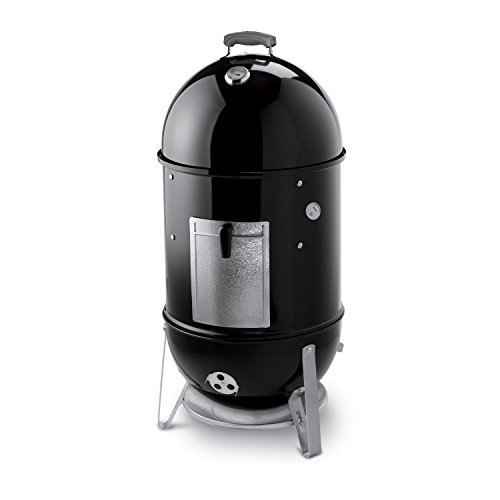
Weber Smokey Mountain 18″ Charcoal Smoker

Oklahoma Joe’s Rambler Portable Charcoal Grill
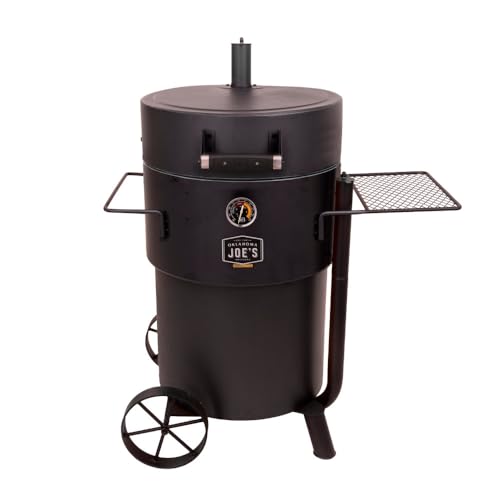
Oklahoma Joe’s Bronco Pro Drum Smoker
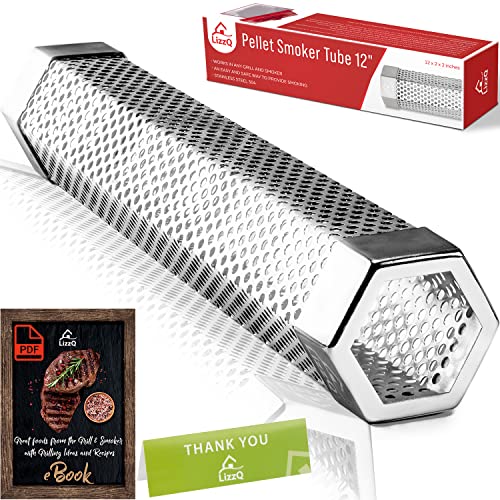
LIZZQ Premium Pellet Smoker Tube (12″)

Charbroil Big Easy TRU-Infrared Smoker/Roaster/Grill

EAST OAK 30″ Electric Smoker with Meat Probe

Oklahoma Joe’s Firecraft Open Fire Barrel Grill

Oklahoma Joe’s Highland Reverse Flow Offset Smoker
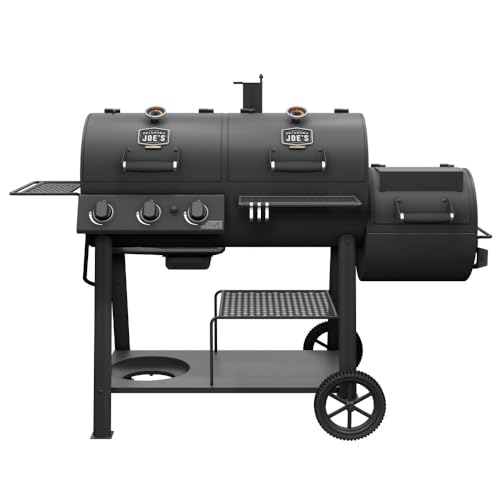
Oklahoma Joe’s Canyon Combo Dual-Fuel Smoker and Grill

Oklahoma Joe’s Longhorn Offset Charcoal Smoker
Why These Options Stand Out
The bullet smoker design is what most folks picture when they imagine their first backyard rig, and the Weber Smokey Mountain 18″ Charcoal Smoker is the version that taught an entire generation how to do it right. Two stacked grates let you run ribs on the lower rack and chicken on top, while the steel-bodied chamber holds heat well enough that you spend more time on a lounge chair than crouching over coals. Compared with the open-fire barrel designs later in this list, it’s a far more forgiving first cook for someone still learning airflow.
For most first-time weekend pitmasters, the real value is the dampers. Twist the top vent open a quarter turn and you feel the heat respond, which builds the instinct that translates to any other charcoal rig later. Just know that a fully-loaded water pan and a windy day can mean the fire fights you, so a sheltered patio corner makes life easier.
Reasons It Performs
- Two grates mean a full rack of ribs plus a tray of wings in the same cook, no rotation required.
- Adjustable dampers teach genuine fire management instead of hiding it behind electronics.
- Bullet format holds steady temperatures through the cooler hours of an overnight pork shoulder.
- Steel body is straightforward to clean with a wire brush and warm soapy water at the end of the day.
Worth Noting
- Charcoal management is hands-on; you’ll top up fuel every couple of hours on long cooks.
- On exposed patios the wind can push temperatures around more than on enclosed cabinet smokers.
Who It Suits Best
A first-time weekend pitmaster who wants the classic bullet-smoker experience and is willing to learn basic fire tending.
Where Another Pick Suits Better
The Oklahoma Joe’s Longhorn Offset is a smarter match if your sights are set on full brisket cooks and you prefer the offset workflow over vertical smoking.
The Rambler is barely a step up in size from a kettle, and that is exactly its appeal. Set it on a tailgate, a picnic table, or a studio-balcony chair and the height-adjustable charcoal tray gives you surprisingly confident heat control for a unit this compact. At 218 square inches, you’re cooking for two or three hungry friends, not a block party, which fits its travel-tough build.
Unlike the larger Oklahoma Joe’s rigs in this roundup, the Rambler won’t chase competition-style bark, but for a quick smoke of chicken thighs or sausages on a camping weekend it punches well above the price. One thing worth considering: the small grate limits you to thinner cuts, so don’t expect to fit a full brisket flat.
Real Benefits
- Tabletop footprint fits on tailgates, small apartment patios, and folding camp tables without a fuss.
- Height-adjustable tray lets you slide coals closer for a hard sear or drop them down for gentler smoke sessions.
- Compact size makes charcoal top-ups and ash cleanup quicker than on a full offset rig.
Trade Offs
- Grate area caps the menu; thick ribs and whole briskets aren’t realistic.
- Lacks the enclosed chamber that makes larger smokers hold low temperatures overnight.
Made For
Tailgaters, car campers, and anyone with a small patio who still wants real charcoal flavor on the go.
Look Elsewhere When
The EAST OAK 30″ Electric Smoker is the better fit if you want a true set-and-forget smoker at home and only plan to move it rarely.
The Bronco Pro leans hard into the competition-barrel world. The sealed lid and engineered airflow are built to hold low-and-slow cooks steady across very long sessions, and the heavy-gauge steel stands up to the heat cycles that come with two or three weekend cooks in a row. At 366 square inches, the cooking area sits comfortably between the entry-level bullet smoker and the full-size offsets later in this list.
Compared to the Weber Smokey Mountain’s two-rack vertical layout, the Bronco Pro’s drum design keeps the heat envelope tighter and the bark more consistent, which is why drum smokers tend to win favor with cooks chasing competition-style results. You may find the learning curve a little steeper, since airflow on a drum is less forgiving than on a bullet, so plan a couple of practice runs before the big cook.
Positive Points
- Heavy-gauge construction tolerates the kind of repeated weekend use lighter smokers are not built for.
- Tight airflow design locks in consistent smoke for the kind of bark competition cooks chase.
- Mid-size grate area fits two pork shoulders or a single brisket flat without crowding.
Honest Caveats
- Airflow is more finicky than on the Weber bullet; expect a few trial cooks before you nail it.
- Drum format means ash and grease clean-out takes longer than on a kettle-style rig.
- Heavier body is harder to reposition on the patio once seasoned.
Best Suited To
A hobbyist chasing competition-style results who already understands charcoal basics and wants a dedicated low-and-slow rig.
Swap It Out When
The Weber Smokey Mountain 18″ is the friendlier choice if you’re a beginner and not ready to wrestle a sealed drum on day one.
A pellet tube is not a smoker; it’s a smoke generator that drops into whatever grill you already own. Load hardwood pellets, light one end, and it smolders for hours, turning a gas grill into something that can lay a smoke ring on a salmon fillet or a block of cheese. The 12-inch size fits most kettle grills and cabinet smokers without crowding the grate.
Versus a dedicated cabinet smoker, this is a small accessory with a very specific job, and it does it well at a fraction of the footprint. One thing worth considering: cold-smoking is weather-dependent, since a windy day on an open deck will pull smoke away before it ever hits the food.
Notable Gains
- Slips into gas, charcoal, or electric grills without buying a second full-size appliance.
- Smoldering burn time stretches long enough for cheese, fish, or a small poultry session.
- Pellet refills cost less than bag after bag of wood chunks for occasional smoke flavor.
Possible Compromises
- Not a substitute for a real smoker on big cuts; rib and brisket sessions still need a dedicated rig.
- Wind pulls smoke off target on exposed decks, so placement in a sheltered corner matters.
Who Should Grab It
A gas-grill owner who wants real smoke flavor on weekends without adding a second full-size appliance to the patio.
A Better Fit Elsewhere
The Oklahoma Joe’s Bronco Pro Drum Smoker is the better choice if you want a dedicated low-and-slow rig rather than an accessory for an existing grill.
The Big Easy is a three-in-one cabinet that smokes a turkey, roasts it oil-free, and grills burgers on the same frame, all without charcoal. The TRU-Infrared cooking grate is the headline: it radiates heat evenly and is designed to limit flare-ups, so even fattier cuts come out cleaner than they would on a standard gas grill. The smoking basket is sized to take a turkey up to around 21 pounds, which covers most holiday birds without crowding.
Compared with the dedicated charcoal smokers elsewhere in this roundup, the Big Easy trades traditional smoke flavor for convenience, since you won’t get the same deep bark as a charcoal cabinet. For most weeknight and holiday cooks, that’s a trade most folks will happily make.
Everyday Wins
- One frame handles smoke, roast, and grill duty without a tangle of separate gadgets.
- Infrared grate design keeps flare-ups down on fattier cuts like chicken thighs and sausages.
- Roaster basket fits a holiday turkey without breaking it down.
- Removable grease tray makes post-cook cleanup quicker than on open-drum smokers.
Points To Note
- Won’t deliver the same deep bark as a true charcoal or wood smoker on long brisket cooks.
- Propane tank and regulator are sold separately, which adds an upfront line item to the cost.
Who Will Love This
Holiday hosts and weeknight cooks who want one cabinet that handles turkey day, burger night, and an occasional smoke session in a single frame.
Reach For A Different Pick When
The EAST OAK 30″ Electric Smoker is the better call if you want true set-and-forget cold smoking rather than a multi-function propane cabinet.
Plug-in cabinet smokers are the easy-entry path into real smoke cooking, and the EAST OAK 30″ leans into the appeal. Set the dial, drop wood chips through the side loader, and a built-in meat probe watches internal temp while you watch the game. The clear viewing window means you can check bark development without cracking the door and losing heat on every peek.
Compared to the manual fire-tending demanded by the Weber bullet or the Oklahoma Joe’s Bronco Pro, this is a different cook experience: less ritual, more remote monitoring. For apartment patios or HOAs where charcoal feels like a fight, electric opens up smoke cooking in ways a live-fire rig never could.
A Few Strong Suits
- Side chip loader extends smoke sessions without opening the door mid-cook.
- Built-in probe takes the guesswork out of doneness on thicker cuts.
- 725 square inches fits multiple racks of ribs or two pork shoulders at once.
- Viewing window lets you monitor bark without losing heat on every peek.
Small Caveats
- Requires a standard outdoor electrical circuit, which rules out decks with no outlet access.
- Electric heat doesn’t deliver quite the same deep bark as live charcoal or wood fires.
The Right Fit
First-time electric-smoker owners and apartment-patio cooks who want smoke flavor without fire-tending rituals.
Skip It When
The Oklahoma Joe’s Canyon Combo Dual-Fuel is worth the upgrade if you want both true charcoal smoke and a fast propane sear on the same frame.
The Firecraft barrel is less a smoker in the traditional sense and more a live-fire cooking station. The open firebox means 360-degree access to stoke the fire without disturbing your food, and the modular format doubles as a fire pit when dinner is done. Two heavy-gauge wire grates split 480 square inches of total cooking area into manageable 240-square-inch halves that drop into place with a twist-lock handle.
Versus the enclosed cabinet smokers earlier in this list, the Firecraft trades temperature precision for atmosphere. It is a different cook style, more campfire than cook-off, and rewards cooks who like to feed a crowd around a glowing barrel rather than chase tight temperature bands.
Notable Upsides
- Open firebox gives 360-degree access for stoking without lifting the lid.
- Two round heavy-gauge grates resist corrosion through repeated weekend use.
- Modular design doubles as a fire pit when the meal is finished.
- 240 square inches per grate fits a full pack of burgers or a few steaks at once.
Areas To Watch
- Open format means temperature swings; this isn’t the right tool for low-and-slow brisket cooks.
- Live fire on a wooden deck means placing it on a non-combustible pad for safety.
Whose Shelf It Belongs On
Backyard hosts who want one piece of equipment for grilling, fire-pit nights, and casual weekend roasts.
Another Choice May Suit
The Oklahoma Joe’s Highland Reverse Flow Offset Smoker is the better choice when steady low-and-slow temperatures matter more than open-fire atmosphere.
The Highland is the offset smoker in this roundup built for cooks who actually want to dial in their heat and smoke paths. Removable baffles and adjustable smokestack positions let you switch between reverse-flow and traditional offset smoking on the same frame, which is the kind of control most hobby-grade offsets only hint at. Total cooking area hits 1093 square inches across the primary and secondary chambers.
Compared to the Longhorn later in this list, the Highland adds the reverse-flow option and a heavier build, which is what your money is paying for. For most backyard cooks, the upgrade is real, but the Longhorn still covers traditional offset smoking at a friendlier price point.
What Stands Out
- Switchable baffles let you change smoke paths without buying a second smoker.
- 1093 square inches fits multiple brisket flats or two whole chickens plus sides.
- Adjustable smokestack adds real airflow control over traditional fixed-stack designs.
Soft Spots
- Offset workflow means active fire management every 45 minutes on long cooks.
- Heavier steel takes two to move once it has been seasoned in place.
Perfect Match For
Offset purists who want long-haul weekend brisket cooks with the option to switch up smoke flow.
Consider Something Else When
The Oklahoma Joe’s Longhorn Offset is the better value pick if you want classic offset smoking without paying for the reverse-flow hardware.
The Canyon Combo answers the question every host eventually asks: why do I need two grills? A 3-burner propane side heats fast for burger-night duty, and the offset charcoal chamber smokes low-and-slow on the same frame, with the propane tank sold separately. Total area covers 1031 square inches, so a 750-square-inch primary chamber is big enough to handle two pork shoulders and a rack of wings.
Versus the dedicated smokers earlier in this list, the Canyon Combo trades purity for versatility. For most backyard party hosts, that is the right trade, since it lets you run ribs on the charcoal side while flipping burgers on propane without juggling two grills.
What Earns Its Place
- Dual-fuel layout means smoke and sear happen on one frame, no second unit taking up patio space.
- Three propane burners heat up fast when guests arrive hungry.
- 750 square inches of primary chamber fits two pork shoulders plus sides in a single cook.
Things To Consider
- Propane tank is sold separately, so budget for it on top of the unit cost.
- Larger footprint demands a dedicated corner of the patio or deck.
Built With In Mind
Backyard hosts who regularly feed a crowd and want both low-and-slow smoke and fast propane grilling in one footprint.
Not Your Match When
The Weber Smokey Mountain 18″ is the cleaner choice for someone who only smokes and doesn’t need a propane grilling surface.
The Longhorn is the classic Oklahoma Joe’s offset and still the entry point most folks choose into traditional offset smoking. A 751-square-inch main grate and a 309-square-inch secondary chamber give you 1060 square inches of total cooking area, which fits a full pack of ribs and a brisket flat in the same cook. It runs on hardwood splits and chunks, sold separately, for the kind of rich wood-fired smoke flavor that defines the category.
Compared to the Highland’s reverse-flow hardware, the Longhorn is a simpler, more traditional design, which is exactly why it remains popular. For most backyard cooks stepping into offset smoking for the first time, the Longhorn is the friendlier learning rig.
Standout Benefits
- 751-square-inch primary grate fits a full pack of ribs plus a brisket flat at once.
- Secondary chamber adds 309 more square inches for warming or extra cuts.
- Hardwood splits and chunks produce the rich, wood-fired smoke flavor that defines traditional offset smoking.
Things To Weigh
- No reverse-flow option, so the Highland is the upgrade for cooks chasing more airflow control.
- Offset workflow means tending the firebox every 45 minutes on long cooks.
Who Should Grab It
First-time offset smokers who want a traditional layout at a friendlier price than the Highland’s reverse-flow hardware.
Where Another Pick Suits Better
The Oklahoma Joe’s Highland Reverse Flow Offset Smoker is the upgrade path once you’ve outgrown traditional offset workflow.
Picking The Right Fit For Your Patio
Fuel type drives the cooking experience more than any other spec. Charcoal and wood splits deliver traditional bark and flavor, but they ask for fire management every 45 minutes. Electric cabinets trade flavor depth for set-and-forget ease, which fits apartment patios and HOAs where open flame is a hassle. A pellet tube accessory gives gas-grill owners a way to add real smoke without buying a second appliance.
Cooking area shapes the menu more than the fuel itself. A 218-square-inch grate fits chicken thighs and burgers, while a 1000-square-inch-plus offset handles two pork shoulders and a brisket flat at once. Plan capacity around your typical cook: a couple on a Tuesday needs less than a 12-person Sunday family dinner.
Construction and clearance matter for outdoor safety. Heavy-gauge steel tolerates repeated weekend use, lighter steel dents faster over time. Live-fire rigs need a non-combustible pad underneath, while offset smokers also need airflow around the smokestack and firebox to avoid scorching a deck railing.
Mobility changes the cook routine. Tabletop units like the Rambler move easily for tailgates and picnics. Full-size offsets weigh in much heavier once seasoned, so plan a permanent corner of the patio before the first long cook.
Key Considerations Across These Picks
Mistakes Worth Dodging
Underestimating fuel and accessory costs catches most first-time shoppers off guard. Offset smokers need hardwood splits and chunks sold separately, electric smokers need a nearby outlet, and propane combos need a tank. Build a real budget that includes those line items.
Buying on grate area alone is the other common slip-up. Two smokers with similar square-inch ratings can cook very differently based on chamber shape and airflow. A sealed drum, an offset, and a bullet all smoke a pork butt to very different finishes even at the same nominal grate size.
Where The Extra Money Goes
Higher-tier models earn their price with thicker steel, better airflow control, and longer cooking chambers. Reverse-flow baffles and adjustable smokestacks let experienced pitmasters dial in smoke paths the way lower-tier units can’t. Larger primary chambers also mean fewer cooks per weekend, since you can fit more food per session.
The upgrade is worth it once you find yourself running the same basic smoker every weekend and want more headroom. For most first-timers, a mid-tier pick like the Longhorn covers everything until you know what you really want from a smoker.
Frequently Asked Questions
How long does it take to season a new smoker before first use? Most manufacturers recommend a 60-90 minute empty burn at high temperature to burn off residues and seal the steel, then you’re ready for real cooks.
Do I need a water pan in a charcoal smoker? A water pan helps stabilize temperatures and adds moisture to long cooks, but it’s not strictly required for shorter rib or chicken sessions.
Can I leave a smoker outside year-round? Heavy-gauge steel tolerates weather better than thin steel, but a fitted cover extends the life of any smoker, especially on rainy climates or coastal salt air.
What’s the difference between a bullet smoker and an offset smoker? Bullets stack the heat source below the cooking chamber for vertical smoking, while offsets place the firebox beside the chamber for indirect horizontal smoking.
How often do I need to add charcoal on a long cook? Plan on a charcoal top-up every 2-3 hours on a bullet smoker, more often on an offset firebox during the active smoke phase.
Final Verdict
The right smoker depends on what kind of cook you actually want to be. Newcomers get the most out of a friendly bullet or cabinet design, while hobbyists chasing bark and tradition usually graduate to an offset. Pick the rig that matches the fuel you enjoy tending and the menu you actually cook, and the backyard weekend suddenly feels like the best part of the week.