
There’s something about cooking outside that turns a Saturday lunch into an event. The grill becomes the gathering point, and the right one quietly does most of the work while you focus on the guests. From quick weeknight burgers to fifteen-hour brisket cooks, this lineup covers ten solid options across charcoal kettles, offset smokers, drum cookers, and propane setups. You’ll see portable picks for tailgates, large-capacity rigs for neighborhood cookouts, and a few hybrids that smoke low and sear hot in the same cook.
A Closer Look At The Lineup
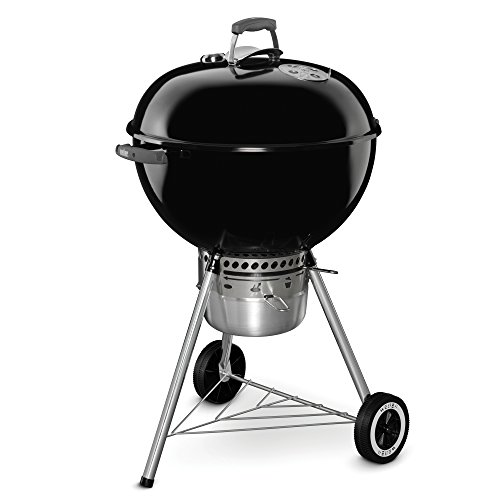
Weber Original Kettle Premium 22-Inch Charcoal Grill

Oklahoma Joe’s Rambler Portable Charcoal Grill
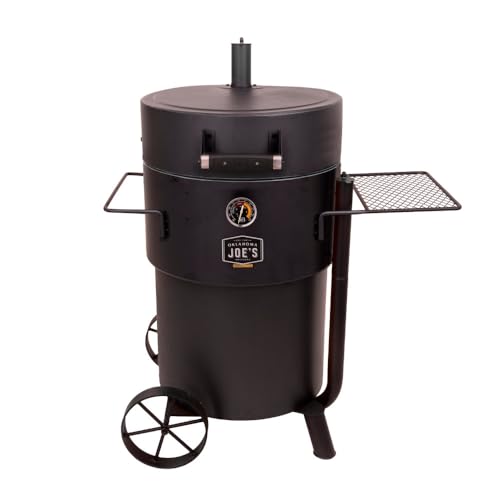
Oklahoma Joe’s Bronco Pro Drum Smoker and Grill
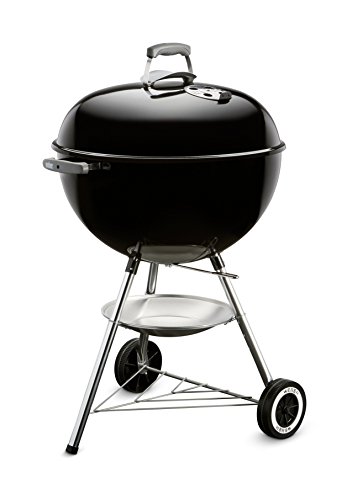
Weber Original Kettle 22-Inch Charcoal Grill

Weber Jumbo Joe 18-Inch Charcoal Grill

Oklahoma Joe’s Firecraft Open Fire Barrel Grill

Oklahoma Joe’s Highland Reverse Flow Offset Smoker

Monument Grills Mesa II 4-Burner Propane Grill
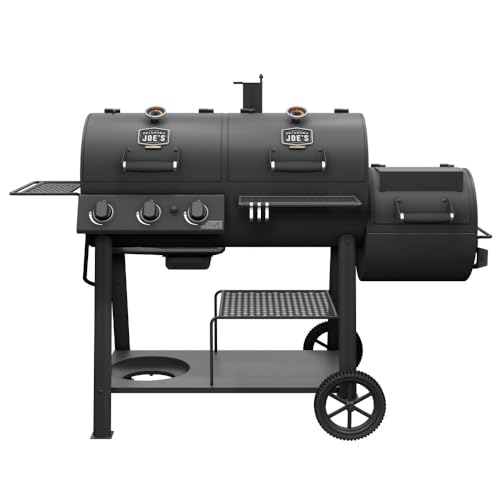
Oklahoma Joe’s Canyon Combo Dual Fuel Smoker

Oklahoma Joe’s Longhorn Offset Smoker and Grill
The Details Behind The Selections
The Weber Original Kettle Premium is the charcoal grill most people picture when they picture a charcoal grill. The 22-inch porcelain-enameled bowl holds enough fuel for a family dinner, and the hinged cooking grate lets you add fresh coals mid-cook without sending half your burgers onto the patio. Compared to the older standard model further down this list, the Premium adds the hinged grate and a high-capacity ash catcher.
For most backyards, the One-Touch cleaning system handles the worst part of charcoal ownership. Three nickel-plated blades sweep the bowl when you push the handle, and the enclosed ash catcher keeps embers contained between cooks. You still get the smoky flavor and simple temperature control that have made this style a fixture for decades.
Points In Its Favor
- Hinged grate adds real convenience for long cooks, letting you add charcoal without lifting the whole grate off.
- Porcelain-enameled bowl and lid resist rust and hold heat steadily across the grate.
- One-Touch cleaning system with high-capacity ash catcher cuts shutdown time dramatically.
- Wide damper range on the bowl and lid gives fine control over airflow and cooking temperature.
- Sturdy wheel-and-frame design rolls across a patio without dragging the grate.
Trade Offs
- You will deal with charcoal mess; the ash catcher helps, but some owners note the lid handle gets hot during long burns.
- Assembly typically takes 30–60 minutes and calls for a socket wrench plus patience.
Key Specs
Who It Suits Best
Home cooks who want a single dependable charcoal grill that handles burgers, ribs, and indirect roasts without a learning curve steeper than a weekend.
Consider Something Else When
Someone craving offset smoke control and deep wood-fire flavor should look at the Oklahoma Joe’s Highland Reverse Flow Offset Smoker instead.
Most portable grills ask you to accept something in return: smaller grate, weaker fire, or flimsy construction. The Rambler skips most of those compromises. The 218-square-inch grate is big enough for a half-dozen burgers or a couple of steaks, and the height-adjustable charcoal tray is a real dial for temperature control, not just a slot to slide into.
It folds down small enough to fit behind a truck seat, which makes it a natural pick for tailgates, park cookouts, and camping trips. Where the Weber Kettles above deliver a backyard-grade cook, this one delivers a parking-lot-grade cook, and it does it with steel and a properly sealed lid rather than thin sheet metal.
What Pays Off
- Height-adjustable charcoal tray gives you genuine control over heat distance.
- 218 square inches of cooking area is generous for a tabletop grill.
- Folding legs and compact footprint make transport and storage painless.
Things To Consider
- No built-in ash catcher, so cleanup at the tailgate means tipping and tapping.
- Smaller grate than a full-size kettle, so big family dinners will need multiple batches.
Made For
Frequent travelers and tailgaters who want real charcoal flavor without hauling a full-size kettle across a parking lot.
A Better Fit Elsewhere
Cooks with a small patio who need a compact permanent setup will get more value from the Weber Jumbo Joe Charcoal Grill.
Drum smokers earn their reputation by holding temperature for hours with very little babysitting. The Bronco Pro leans into that with a sealed lid and purpose-built airflow, plus an oversized charcoal basket rated for over fifteen hours of continuous burn. You light it, set the dampers, and the cook rolls along while you do other things.
The 366-square-inch grate fits a brisket plus a few racks of ribs, and the vertical layout keeps heat moving around the meat. Compared to the offset smokers coming up, this one trades smoke ring beauty for simpler fire management and steadier chamber temps. For first-time smokers, that simplicity has real value.
What Stands Out
- Sealed drum construction locks in smoke and heat for consistent chamber temps.
- Oversized charcoal basket extends burn time and reduces mid-cook refueling.
- 366-square-inch cooking surface fits a full pack of ribs or a small brisket cut.
- Top and bottom dampers allow clean airflow tuning without lifting the lid.
Worth Noting
- Drum smokers run hot, so thin cuts and quick sears are not the strong suit here.
- Heavier than a kettle of similar capacity, so plan where it lives before you fill it.
Right Fit For
Cooks ready to commit to low-and-slow weekends who want long burn times and a forgiving learning curve.
Look Elsewhere When
Anyone who wants offset-style smoke flow and large multi-rack capacity should consider the Oklahoma Joe’s Highland Reverse Flow Offset Smoker.
The original Weber Kettle is the reason charcoal grills look the way they do. The 22-inch porcelain-enameled bowl and lid hold heat well, the aluminum dampers respond quickly to a turn of the wrist, and the One-Touch cleaning system has been doing the dirty work for decades. Nothing flashy, just solid steel and a design that has earned its reputation.
Stacked next to the Premium model earlier in this list, the standard Kettle skips the hinged grate in favor of a simpler, lighter cooking surface. That trade means you lift the whole grate to add coals, which seasoned cooks often prefer for the airflow it restores. For everyday burgers and chicken, the difference is minor.
Notable Upsides
- Porcelain-enameled lid and bowl resist weather year after year.
- One-Touch cleaning system sweeps ash into the catcher quickly.
- Time-tested kettle shape delivers even airflow over the grate.
Room For Improvement
- Cooking grate is fixed, so adding coals mid-cook requires lifting it entirely.
- Basic model lacks premium touches like the high-capacity ash catcher found on the Premium version.
Feature Snapshot
Best Suited To
Long-term charcoal loyalists who value proven design and do not need every modern convenience.
Reach For A Different Pick When
Anyone wanting frequent fuel refills without grate lifting should move up to the Weber Original Kettle Premium.
The Jumbo Joe is the sweet spot between the Smokey Joe single-burner and the 22-inch Kettle. Eighteen inches across, the porcelain-enameled bowl and lid hold enough fuel for a small cookout, and the plated steel cooking grate gives you 240 square inches of working space. That is enough for six burgers or two small steaks without anyone waiting.
It carries the same rust-resistant aluminum dampers and glass-reinforced nylon handle as its bigger siblings, which is why it feels like a Weber rather than a generic portable. Where the Rambler above feels more like a tailgate tool, this one feels like a small backyard grill that happens to fold up.
The Helpful Details
- 240-square-inch plated steel grate handles a small family meal in one round.
- Porcelain-enameled bowl and lid hold heat like a full-size kettle.
- Folding legs lock securely for transport and patio use alike.
Points To Note
- Smaller grate means longer cook times for full racks of ribs.
- Smaller ash catcher than 22-inch models, so expect to empty it more often.
Perfect Match For
Apartment dwellers, small patios, and campers who want kettle-grade cooking without the bulk of a 22-inch bowl.
Skip It When
Hosts feeding eight or more will appreciate the extra grate real estate of the Weber Original Kettle Premium.
The Firecraft barrel is built around an open-fire cooking experience. The firebox gives you 360-degree access to stoke or adjust the fuel without disturbing the food above, and the heavy-gauge wire cooking grates can be raised and locked at multiple heights using the twist-lock handles. Two grates split the 480-square-inch area so you can run hot and cool zones at once.
This is the grill that doubles as a fire pit once the food comes off. Where the Bronco Pro earlier locks heat inside a sealed drum, this one puts the fire on stage. For weekend gatherings that run late into the evening, the live-fire design has a quality that closed cookers cannot match.
What Helps Most
- 360-degree firebox access for stoking without lifting the grate.
- 480 total square inches split across two round grates for zone cooking.
- Twist-lock handles let you raise or lower the grate to control heat distance.
- Doubles as a fire pit for post-dinner conversation once the coals settle.
Honest Caveats
- Open design means more ambient heat and smoke drift, which not every patio will welcome.
- Barrel shape uses more yard space than a traditional kettle of similar capacity.
Who Will Love This
Entertainers who want live-fire cooking as the centerpiece of a backyard evening, not just a meal-prep appliance.
Swap It Out When
Cooks focused on sealed-drum efficiency and long, unattended burns will prefer the Oklahoma Joe’s Bronco Pro Drum Smoker.
The Highland is a serious offset smoker aimed at cooks who want control over their smoke path. Removable baffles and an adjustable smokestack let you switch between reverse-flow circulation, where heat wraps around the meat before exiting, and a more traditional draft. The 1,093 square inches of total cooking area means you can run multiple racks of ribs and a brisket at once.
Offset cooking rewards patience, and the Highland is built for it. The large charcoal basket supports longer burns with fewer fuel additions, and the heavier steel helps the chamber hold temperature even when the wind picks up. Where the Weber kettles earlier are designed for weeknight meals, this one is designed for weekend projects.
The Value In It
- Switchable reverse flow and traditional offset smoke paths give genuine cook-style flexibility.
- 1,093-square-inch total cooking area handles large family or competition cooks.
- Heavy-gauge steel construction holds temperature in cooler weather.
Possible Compromises
- Reverse flow setup has a real learning curve; expect a few test runs before nailing your first cook.
- Large footprint demands a dedicated spot in the yard and a plan for weather protection.
Built With In Mind
Smoke-focused cooks ready to learn offset fire management and run long cooks on weekends.
Another Choice May Suit
Anyone preferring set-and-forget convenience over fire management will do better with the Oklahoma Joe’s Canyon Combo Dual Fuel Smoker.
If you would rather turn a knob than light charcoal, the Mesa II delivers propane convenience with a real searing surface. The Advanced Broil Zone is built for high-heat cooking, and the spec sheet claims the grill reaches 500°F within roughly five minutes on full blast. The four main burners give you independent zones for direct and indirect cooking on the same grate.
Construction leans toward 304 stainless steel, which holds up well outdoors, and the foldable side shelves drop flat for storage in tighter garages. Compared to every charcoal model so far, this one trades smoke flavor for speed: no waiting on coals, no ash to manage, just turn the dial and cook.
Well-Handled Touches
- Advanced Broil Zone designed for fast, high-heat searing.
- 304 stainless steel construction for outdoor durability.
- Foldable side shelves free up garage space when the grill is parked.
- Four independent burners make multi-zone cooking straightforward.
Things To Weigh
- Propane requires a tank you need to store, refill, or swap depending on use.
- Fast assembly claims vary by owner; budget a real hour for first-time setup.
Quick Facts
Whose Shelf It Belongs On
Gas loyalists who want quick weeknight dinners and a clean sear without managing coals.
Where A Sibling Pick Shines
Pitmasters chasing wood-smoke flavor should reach for the Oklahoma Joe’s Longhorn Offset Smoker instead.
The Canyon Combo answers a common question: can one cooker smoke low and grill fast in the same cook? The charcoal side runs low-and-slow with hardwood splits, while the 3-burner propane side hits around 36,000 BTU for hot searing. A propane tank is sold separately, so plan for that if you do not already have one.
Total cooking area lands at 1,031 square inches split across the two chambers, which means two pork shoulders on the smoker and a dozen burgers on the gas side during a single cook. Compared to the single-fuel options earlier in this list, the Canyon trades specialization for versatility. For hosts who cook both styles in one weekend, that is a real win.
Practical Pluses
- Dual-fuel design covers both low-and-slow smoking and high-heat grilling.
- Charcoal chamber and propane grill operate independently without flavor crossover.
- Generous total cooking area for mixed menus at gatherings.
Trade-Offs To Consider
- Footprint is larger than a single-chamber grill, so yard placement matters.
- Propane tank sold separately, adding a small step to setup.
Feature Rundown
Who Should Grab It
Hosts who regularly cook ribs or brisket on Saturday and burgers or steaks on Sunday without wanting two grills.
Not Your Match When
Cooks dedicated to one style should pick a dedicated smoker or a dedicated gas grill instead.
The Longhorn is the classic offset smoker most people picture when they picture Texas-style barbecue. The firebox sits beside the main chamber, so heat and smoke travel across the meat before reaching the smokestack. With 751 square inches in the primary chamber and 309 in the secondary, you have room for a full spread without crowding the racks.
Compared to the Highland earlier, this one is simpler: traditional offset flow rather than the switchable reverse-flow setup. That makes it easier to learn, but you give up some of the Highland’s heat distribution. For most backyard cooks, the simpler fire management is the right starting point.
A Few Highlights
- Classic offset design produces traditional wood-fired smoke flavor.
- Large primary and secondary cooking areas handle family-sized spreads.
- Heavy-gauge steel body holds up to years of outdoor use.
Where It Is Less Suited
- Traditional offset draft needs more fire-tending than a reverse flow or drum design.
- Long cooks mean steady fuel attention, so plan your day around the cook.
Spec Overview
The Right Fit
Backyard pitmasters who want a proven offset design with enough capacity for family and friends.
A Better Fit Elsewhere
Cooks wanting simpler fire management and more even heat should consider the Oklahoma Joe’s Highland Reverse Flow Offset Smoker.
How To Choose The Right Backyard Bbq Grills
Pick Your Fuel Style First
Charcoal, gas, and wood all produce different cooks. Charcoal gives you smoky flavor and high sear temperatures, but you manage coals and ash. Propane is fast and clean, with the trade-off being less wood-fired taste. Smokers and offset rigs lean into slow, indirect cooking for low-and-slow ribs, brisket, and pork shoulder.
Match Capacity To Your Crowd
A two-burner or 18-inch grill covers a couple, while a family of four to six benefits from a 22-inch kettle or a mid-size gas grill. Hosting eight or more regularly pushes you toward a 750-square-inch-plus smoker or a multi-burner gas setup. Going too small means constant refueling; going too large means wasted fuel on weeknight dinners.
Think About Footprint And Storage
Measure your patio, deck, or garage before you commit. Drum and offset smokers are deeper and heavier than kettles, and many gas grills have foldable shelves that help in tight spaces. Wheel kits, locking casters, and weather covers all matter more once you have lived with the grill for a season.
Consider Long-Term Maintenance
Porcelain-enameled bowls and stainless steel burners hold up best in wet climates. Cast-iron grates need oiling and rust prevention. Ash catchers and One-Touch cleaning systems genuinely reduce cleanup time. Pick the maintenance you will actually do, not the maintenance you wish you would do.
Key Considerations Across These Picks
Pitfalls Shoppers Hit
The most common misstep is choosing by grate size alone. A 750-square-inch grill that runs too hot or too cold for your cooking style will frustrate you more than a smaller grill that suits your fuel preference. Another trap is ignoring yard placement: smokers need airflow and clearance from fencing, while gas grills benefit from sheltered spots to protect electronics and burners.
What The Upgrade Buys
Higher-tier models typically deliver thicker steel, more precise airflow control, and better heat retention. For kettles, that means hinged grates and sealed ash systems. For smokers, it means reverse-flow baffles and larger fuel baskets. The upgrade pays off when you cook frequently, in cooler weather, or for larger groups, and it matters less for occasional weeknight burgers.
Frequently Asked Questions
How Often Should I Clean My Charcoal Grill?
Empty the ash catcher after every few cooks and give the bowl a quick brush once the grill has cooled. A deeper clean at the start and end of grilling season keeps the grates and dampers working smoothly.
Can A Charcoal Grill Work For Weeknight Dinners?
Yes, with planning. A chimney starter cuts lighting time to about fifteen minutes, and smaller kettles reach cooking temperature fast enough for a 30-minute meal. Many weeknight charcoal cooks finish in under 45 minutes total.
Do I Need A Smoker If I Already Have A Grill?
Smokers and grills cook differently. Smokers run low and slow for hours, while grills run hot and fast. A dedicated smoker gives you better bark, smoke ring, and tenderness on large cuts, but you can approximate light smoking on a gas grill with a smoke box.
How Much Space Does An Offset Smoker Need?
Plan for a footprint at least a foot wider than the smoker itself, plus clearance behind the firebox for loading wood and access to the smokestack for damper control. Most home offsets need a five-by-five-foot dedicated area.
What Is Reverse Flow Smoking?
Reverse flow uses internal baffles to force heat and smoke to travel along the bottom and around the meat before exiting the smokestack. The result is more even chamber temperature and less direct heat on the food closest to the firebox, which helps large brisket cooks finish evenly across the grate.
Wrap Up
The right grill is the one that matches your fuel preference, your space, and the size of your regular cook. Charcoal kettles like the Weber Original line cover most backyard cooks with minimal fuss, while offset and drum smokers reward patience with deeper flavor. Propane setups like the Monument Mesa II give you speed when time matters more than smoke. Pick the category that fits your routine, and the specific model usually follows.