
Wet gear makes for miserable miles. A purpose-built rain shell slips over your pack in seconds, sheds water before it reaches zippers, and stashes away small enough to forget you carried it. After sorting through a crowded category of nylon shells, silnylon tarps, and footprint hybrids, ten options rise to the top for different kinds of travelers.
The Picks In Brief

Tasmanian Tiger TT Raincover XL Black Backpack Cover
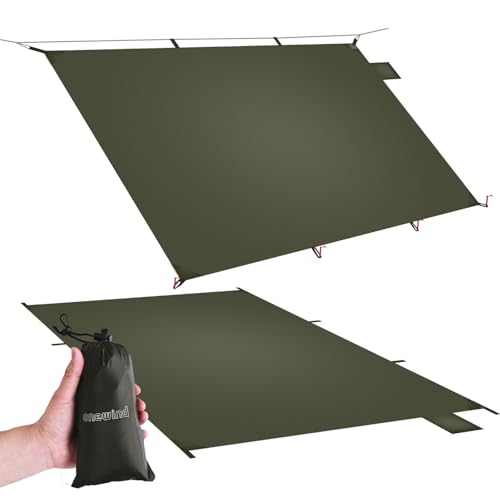
Onewind Ultralight Tent Footprint 4000mm Silnylon

Badlands Rain Cover for Hunting Packs

Unigear Backpack Rain Cover 5000mm with Straps

Onewind 10x10ft Waterproof Camping Tarp Silnylon

Onewind 6×8 ft Camping Tarp 70D Nylon OD Green

Onewind Ultralight Tent Footprint Ground Rain Cover
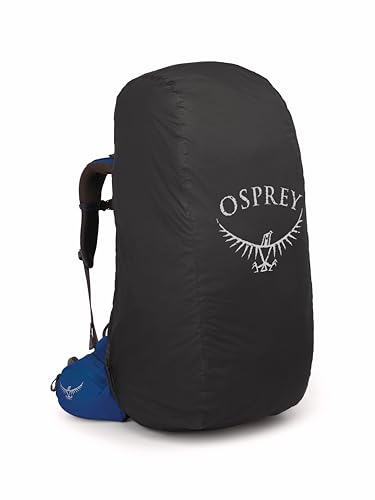
Osprey Ultralight Raincover for Backpack

Tatonka Rucksack Rain Cover

Onewind Compact Footprint 4000mm Silnylon Sheet
Inside Each Recommended Option
Built for packs up to roughly 100 liters, the Tasmanian Tiger TT Raincover XL swallows the largest trekking loads without buckling. Its T-Cover Tex shell shrugs off driving rain while the integrated stuff sack keeps the cover tidy when stashed in a lid pocket. You pull it from its pouch, slide it over your pack, and cinch the drawcord before the first drops arrive.
For travelers carrying bulky winter gear or multi-week expedition kits, the roomy cut removes the usual tug-of-war with compression straps. The material feels robust in hand, and the subdued black finish suits hikers who prefer low-visibility gear.
Notable Upsides
- Generous cut fits large expedition packs without straining seams
- Includes a built-in storage pouch for fast repacking in wet conditions
- Drawcord hem seals out splash from below during creek crossings
- Lightweight construction barely registers on long approaches
- Black tone hides dirt and scuffs on extended trips
Trade Offs
- Sizing runs large, and the loose fit can flap noisily in heavy wind
- International stock may carry separate warranty terms than domestic units
Who It Suits Best
Backpackers hauling 60 to 100 liter packs on extended routes where storm reliability outweighs trim profile.
Where Another Pick Suits Better
Fastpackers chasing ultralight grams should consider the Onewind Ultralight Tent Footprint instead for a fraction of the weight.
A groundsheet repurposed for pack duty, this Onewind footprint trades features for raw weight savings. The 20D silnylon with a 4000mm hydrostatic head rating keeps rain from migrating through the fabric during long downpours. Thru-hikers who count every gram already know the math: less on your back equals more miles before dark.
The piece folds flat, slips into a side pocket, and deploys in seconds when skies shift. While the Tasmanian Tiger handles rugged expedition use, this one targets the opposite end of the spectrum.
The Practical Payoff
- 4000mm waterproof rating handles sustained Pacific Northwest rain
- Silnylon pack-down size disappears inside any pack
- Works as both ground sheet and emergency rain shelter
Honest Caveats
- Silnylon stretches when wet and requires careful drying before storage to avoid mildew
- No dedicated attachment points, so it needs creative rigging on oddly shaped loads
Spec Snapshot
Made For
Long-distance hikers prioritizing low pack weight on multi-week routes where weather risk stays moderate.
Not Your Match When
Hunters dragging heavy loads through abrasive brush should look at the Badlands Rain Cover for Hunting Packs instead.
Built by a brand that knows what happens when a pack meets cactus, scree, and a sudden storm, this Badlands cover targets hunters hauling meat and heavy optics. The camo-friendly exterior blends with autumn woods while the reinforced shell takes abuse other covers would not survive.
You will appreciate the toughness during drag-outs and when the pack ends up propped against a wet boulder. For day-to-day hikers it is overkill; for hunters it earns its space in the kit.
What Earns Its Place
- Heavy-duty construction handles rough terrain and meat-haul weight
- Camouflage patterning suits backcountry hunting environments
Worth Noting
- Heavier than ultralight alternatives, which matters on long stalks
- Bulkier pack-down size takes up more space in external pockets
Right Fit For
Hunters packing meat, optics, and survival gear through rough backcountry where pack covers get punished.
Look Elsewhere When
Thru-hikers counting every gram should turn to the Onewind Ultralight Tent Footprint for a much lighter footprint.
The 5000mm hydrostatic head rating on this Unigear cover sits well above what most casual storms require, giving you a safety margin when forecasts lie. A 70D and 210T nylon blend (denier measures fabric fiber thickness; higher numbers mean tougher material) strikes a sensible middle ground between weight and durability. The two anti-slip straps keep the cover anchored when the trail turns technical.
Unlike the Tatonka’s minimalist approach, this one adds practical attachment hardware that solves a real complaint from owners of older covers. For commuters caught in sideways rain, the difference is meaningful.
The Good Stuff
- 5000mm waterproof rating handles heavy, sustained downpours
- Anti-slip straps stop the cover from riding up on uneven terrain
- Drainage eyelet at the base prevents water pooling inside
- Nylon blend balances weight and puncture resistance
- Fits a wide range of pack sizes with adjustable drawcord
Points To Keep In Mind
- Sizing runs large, so measure your pack before ordering
- Fabric can develop a slight sheen after months of UV exposure
Quick Facts
Best Suited To
Daily commuters and weekend hikers wanting strong rain protection without paying premium prices.
Consider Something Else When
Backpackers wanting a cover that doubles as a campsite shelter should pick the Onewind 10x10ft Waterproof Camping Tarp.
A tarp that moonlights as a pack cover, the Onewind 10x10ft stretches between trees for a cowboy-camp setup and then folds over your pack during the next squall. At roughly 740 grams it adds weight compared to dedicated covers, but the dual-purpose design justifies the grams for travelers carrying a small kit.
This is the choice when you want one piece of fabric to serve three jobs: pack protection, rain fly, and emergency bivy. Compare that to the Tasmanian Tiger, which focuses purely on pack duty.
Everyday Advantages
- Triple function covers pack, hammock, and ground shelter roles
- 10×10 footprint fits two people under a tight pitch
- Silnylon construction packs down to a softball-sized bundle
Softer Spots
- Requires cordage and stakes sold separately for shelter pitching
- Silnylon stretches when wet, needing tension adjustments in heavy rain
Feature Card
Who Should Grab It
Backpackers wanting one shelter piece to handle pack cover, rain fly, and group tarp duty.
Skip It When
Traditional day-hikers wanting simple pack-only protection should reach for the Unigear Backpack Rain Cover 5000mm instead.
Where the 10×10 silnylon tarp prioritizes weight, this 6×8 Onewind swaps to 70D ripstop nylon (a woven fabric with reinforced threads that stop small tears from spreading) for serious tear resistance. The OD Green (olive drab) finish blends into forest settings, useful for hunters and bushcrafters who want low visibility.
The smaller footprint suits solo trips, and the heavier fabric tolerates abrasive pine branches that shred lighter tarps. For a tarp that lives in your truck or cabin kit, this is the durable choice.
Everyday Perks
- 70D ripstop handles pine needles, scree, and rough bark
- Compact 6×8 size suits solo shelters without excess fabric flapping
- OD Green tone stays discreet in wooded campsites
Areas To Watch
- Heavier than silnylon tarps, adding noticeable pack weight
- Smaller footprint limits group or gear-heavy configurations
Built With In Mind
Bushcrafters, hunters, and preppers wanting a hard-use tarp that shrugs off abrasive contact.
Swap It Out When
Ultralight backpackers should pick the Onewind 10x10ft Waterproof Camping Tarp for a lighter shelter option.
This Onewind footprint earns its second life as a ground tarp for the campsite and a pack cover on the move. The 360-degree coverage shields your load when you set it down in damp grass or mud, and webbing loops at each corner accept tent stakes when conditions get serious.
It works well for backpackers who already use a matching Onewind tent footprint and want matching fabric across their shelter system. Think of it as the connective tissue between your tent floor and your pack.
Where It Helps
- Doubles as tent footprint and emergency pack rain cover
- Corner webbing allows staking in severe weather
- Full 360-degree protection keeps dust and dirt off your gear
Possible Compromises
- Flat footprint shape fits packs less snugly than a fitted cover
- Requires staking for stability in strong wind
Technical Highlights
Whose Shelf It Belongs On
Backpackers already invested in an Onewind shelter system who want matching fabric and dual-purpose function.
A Better Fit Elsewhere
Fast-moving day hikers wanting a slip-on cover should reach for the Tatonka Rucksack Rain Cover for quick deployment.
Osprey’s overhauled accessory line aims at hikers who care about the environmental cost of their gear as much as its performance. The main body uses recycled fabrics certified to recognized sustainability standards, and the PFAS-free DWR (durable water repellent) finish sheds rain without persistent chemicals.
Taped seams (seams sealed with waterproof tape rather than stitched alone) seal the stitching from water migration, addressing the failure point where budget covers often leak. You pay a premium for the eco-friendly materials, but the build quality justifies the spend for long-term owners.
A Strong Showing
- Recycled main body fabrics reduce environmental footprint
- PFAS-free DWR treatment avoids persistent chemical coatings
- Taped seams prevent leak-through at stitching lines
Things To Weigh
- Premium pricing reflects sustainable sourcing and certified materials
- Brand-specific sizing fits Osprey packs most precisely
Perfect Match For
Environmentally conscious backpackers already running Osprey packs who want matching sustainability across their kit.
Reach For A Different Pick When
Budget-focused hikers should look at the Onewind Compact Footprint for similar waterproofing at lower cost.
A simple, no-fragmented cover from a German outdoor house with decades of pack-craft behind it. The Tatonka Rucksack Rain Cover slips over daypacks and mid-size backpacks, with options for either camo or high-visibility red depending on whether you want to blend in or stay seen on the trail.
It lacks the elaborate straps and reinforced panels of newer covers, but that minimalism is the point. For hikers wanting dependable waterproofing without tech-heavy features, this remains a sensible choice.
Well-Handled Touches
- Available in red for high visibility or green for natural blending
- Simple slip-on design deploys fast in shifting weather
- Proven track record with European hiking community
Small Caveats
- Limited size range may not fit very large expedition packs
- Fewer attachment features than contemporary designs
Key Attributes
Who Will Love This
Traditional hikers valuing time-tested design and European build quality over cutting-edge tech.
Another Choice May Suit
Hikers needing pack-anchoring straps for rough terrain should pick the Unigear Backpack Rain Cover 5000mm for better stability.
The compact sibling of the larger Onewind footprint, this sheet trims size and weight for shorter trips where you still want reliable waterproofing. The 4000mm PU-coated silnylon (a fabric coated with polyurethane on one side and silicone on the other) matches the performance of the larger Onewind footprint without the bulk.
Weekend warriors who want pack protection without committing to expedition-grade gear will find this hits the sweet spot. It also pairs well with smaller tents where the footprint size matches the shelter floor.
The Value In It
- Compact format suits small packs and short trips
- PU and silicone dual coating balances durability and weight
- Matches smaller tent footprints in Onewind lineup
Practical Considerations
- Limited coverage may not reach over fully loaded larger packs
- Silnylon requires careful drying to prevent mildew between trips
The Right Fit
Weekend campers and light-pack travelers wanting affordable protection without overspec on features.
Where A Sibling Pick Shines
Long-distance hikers should choose the Onewind Ultralight Tent Footprint 4000mm Silnylon for full-coverage use.
Factors Worth Weighing Before Choosing a Backpack Cover For Rain
Pack covers protect gear only when the fit, fabric, and features match your actual conditions. A mismatched cover flaps off in wind, leaks through seams, or adds grams you cannot afford on a long route.
Sizing and pack shape matter more than brand names. Measure your pack’s height and width, then compare to the cover’s stated range. Covers that run oversized flap noisily and slow you down on technical trails, while undersized versions stretch seams and wister through stitching.
Hydrostatic head ratings (measured in millimeters, representing the water column pressure a fabric withstands before leaking) tell you how much rain pressure a cover handles. Anything above 3000mm handles sustained rain; 5000mm and above survives heavy storms and prolonged downpours.
Fabric choice drives the weight-to-protection tradeoff. Silnylon packs small and weighs little but stretches when wet and requires careful drying. Heavier nylon or polyester blends resist tears and abrasion at the cost of bulk.
Attachment features make a real difference in wind. Anti-slip straps, drawcord hems, and buckle systems keep the cover from riding up when you bend, scramble, or push through brush.
Waterproof Rating Versus Real Conditions
Manufacturer ratings assume steady rain, not the sideways wind-driven downpours common on ridgelines. For most trips, a 4000mm to 5000mm rating gives comfortable headroom over real-world conditions.
Fabric Weight and Pack Discipline
Ultralight silnylon appeals to gram counters and thru-hikers. Heavier nylon blends serve hunters, bushcrafters, and travelers who prioritize durability over weight savings.
Attachment and Deployment Speed
Slip-on covers deploy fastest in shifting skies. Strap-equipped covers anchor better in wind and rough terrain but take longer to fit.
Navigating Common Tradeoffs Across These Picks
Where Shoppers Go Wrong
The classic slip is buying a cover too large for the pack, expecting generous sizing to mean better protection. Oversized covers flap, billow, and slip sideways in wind, exposing zippers and seams to rain. Measure your pack dimensions and match the cover to your load.
Another frequent mistake is treating any waterproof cover as fully rainproof. Seams, stitching holes, and worn DWR coatings leak over time. Owners commonly report that budget covers without taped seams eventually wick moisture through the thread lines during heavy storms.
What Separates Premium From Basic
Higher-tier covers cost more because of taped seams, recycled or premium face fabrics, and better attachment hardware. The Osprey Ultralight Raincover shows this clearly: PFAS-free DWR, recycled main body fabrics, and taped seams cost more but last longer and perform better in sustained rain.
For weekend hikers, the upgrade payoff shows up over time in field reliability rather than day-one performance. For daily commuters and thru-hikers, premium construction matters on every trip.
Frequently Asked Questions
What size backpack cover should you choose?
Measure your pack’s height and width, then match to the cover’s stated size range. Covers that fit snugly without straining seams perform best in wind and rain.
Are silnylon covers strong enough for regular hiking?
Silnylon handles moderate conditions well, though it stretches when wet and requires careful drying. For abrasive brush or heavy loads, consider a heavier 70D nylon alternative.
How does hydrostatic head rating translate to real storms?
A 3000mm rating handles sustained rain; 5000mm and above survives heavy storms with wind-driven rain. Ratings above 10,000mm exist but offer diminishing returns for most backpackers.
Can you use a tarp as both shelter and pack cover?
Yes, tarps like the Onewind 10x10ft work as pack covers and shelters, with the trade-off of added grams and a different deployment process.
How should you dry and store a wet rain cover?
Hang or spread the cover fully after wet trips to prevent mildew and coating breakdown. Storing a damp cover in a stuff sack accelerates fabric degradation over months.
The Takeaway
A backpack cover for rain earns its place by staying out of your way until the sky opens up. Match the size to your pack, weigh hydrostatic head ratings against the conditions you actually hike in, and choose fabric weight by trip length. The right cover disappears in your kit and shows up only when you need it.