
A long trail day, a parking-lot tailgate, or a sandy beach setup all share one quiet need: cold drinks and safe food waiting when you arrive. Backpack coolers take the weight off one shoulder and free up your hands, but the gap between a flimsy tote and a true hauler is wider than most listings suggest. This guide walks through ten options built for genuinely varied outdoor routines, from ultrarugged wheels to soft, hands-free packs.
The Leading Options At A Glance

YETI Tundra Haul Portable Wheeled Cooler

YETI Roadie 60 Wheeled Cooler
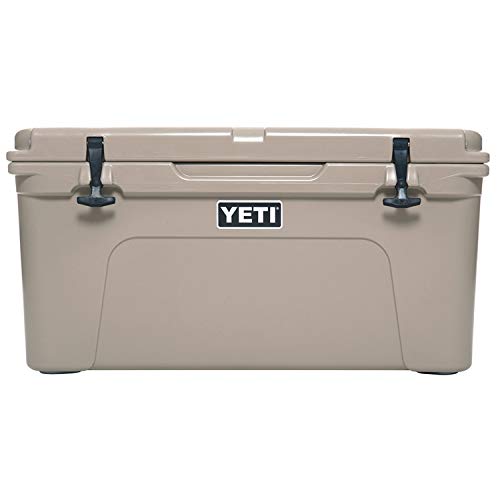
YETI Tundra 65 Cooler (Desert Tan)

YETI Roadie 32 Wheeled Cooler


Carhartt Insulated Two Compartment Cooler

Lilly Pulitzer Insulated Backpack Cooler

ATRIPACK Tactical Double Deck Cooler Backpack

Titan by Arctic Zone 26-Can Backpack Cooler

Corkcicle EOLA Insulated Cooler Backpack
The Picks, Examined More Closely
The Tundra Haul is the wheeled sibling of YETI’s famously overbuilt chest line, and the moving parts are designed for the same abuse as the shell. Solid, single-piece NeverFlat Wheels handle rough gravel and tailgate ramps without going soft, while a welded aluminum StrongArm Handle telescopes out and gives you a controlled pull rather than a yank.
For someone hauling a full cooler across a long parking lot or down a beach boardwalk, the wheels turn a normally two-person job into a one-person trip. Compared to the smaller Roadie 24 below, the Haul trades compactness for raw capacity and ice retention, so it lands squarely in the heavy-haul category.
The Helpful Details
- NeverFlat Wheels resist punctures and stay solid over uneven ground, which matters on job sites and boat ramps.
- The StrongArm Handle feels reassuringly rigid under load, giving more control than typical molded plastic pulls.
- Rotomolded construction, the same process used across the Tundra family, shrugs off drops and slides.
- Wide opening accepts full cases of cans, so restocking mid-trip is a quick transfer rather than a Tetris puzzle.
Trade Offs To Consider
- The footprint is large, so it may not fit in smaller hatchbacks or trunks with limited cargo room.
- Empty weight is substantial, and lifting it into a truck bed can be a two-person task.
- Owners commonly note that the rugged shell is overkill for short walks to a backyard grill.
Whose Shelf It Belongs On
Tailgaters, boat owners, and anyone regularly moving a full cooler across parking lots and pavilions.
Reach For A Different Pick When
The YETI Roadie 24 2.0 Hard Cooler is a better fit for solo drivers who mainly need a cooler that tucks behind a seat.
The Roadie 60 sits in a sweet spot that the bigger Tundra Haul overshoots for many users: enough room for a long weekend’s worth of food, yet still maneuverable thanks to its retractable Periscope Handle. The handle telescopes up for pulling and slides back down for storage, which keeps it from snagging on cargo nets and tie-downs.
Capacity comfortably holds over 50 cans plus ice, so a family or small crew can pack a full meal rotation without cracking the lid mid-day. Compared to the Tundra Haul above, this cooler prioritizes vertical efficiency over raw width, which can matter in tighter trunks.
Useful Touches
- The Periscope Handle retracts cleanly, so the cooler stores flush against other cargo.
- Ice retention matches the Tundra family’s reputation, keeping contents chilled across multi-day trips.
- An included dry goods basket helps separate sandwiches from melting ice, reducing soggy-box syndrome.
- Handles on the sides and front give you multiple grip points when lifting into a truck bed.
Minor Gripes
- At full load, the cooler is heavy enough that pulling over soft sand becomes a workout.
- The width may not clear narrow RV storage bays, so measuring ahead is wise.
Quick Facts
Made For
Families and small crews planning two- to three-day outings where cold drinks and fresh food can’t slip.
Swap It Out When
The YETI Tundra 65 Cooler (Desert Tan) suits backcountry users who want taller walls and bigger dry storage over wheels.
The Tundra 65 is the cooler that turned YETI from a niche brand into a household name, and the bones have not really changed: rotomolded polyethylene, FatWall design with up to 3 inches of PermaFrost Insulation, and T-Rex Lid Latches built from heavy-duty rubber. The Desert Tan finish also blends into camp settings better than bright white.
The cooler holds a limit of redfish or a prized brisket, which tells you the intended use case: serious food storage in remote spots. For campers heading into bear country, the bear-resistant certification matters in ways that matter on actual public-land rules.
Positive Takeaways
- PermaFrost Insulation and the FatWall design hold ice across multi-day trips, which lowers the ice-refill burden.
- The rotomolded shell is virtually indestructible under normal use, surviving drops and slides that would split other chests.
- T-Rex Lid Latches stay engaged when dusty or gritty, so you won’t fight a stuck lid at the campsite.
- Bear-resistant certification is a real plus on public land where storage rules are strict.
Points To Keep In Mind
- There are no wheels, so overland transport means a cart, a truck bed, or a strong friend.
- Empty weight is substantial, which you feel on the first hike from the car.
- You may find the tall walls awkward when reaching the last cans at the bottom.
Best Suited To
Hunters, anglers, and overlanders who need days of cold retention without a power source.
A Better Fit Elsewhere
The YETI Roadie 60 Wheeled Cooler is the right call for anyone who values a retractable handle and don’t need a wheeled top, the Roadie 60 makes more sense.
The Roadie 32 hits a middle ground that smaller Roadies and larger Tundras both miss. Same NeverFlat Wheels and Periscope Handle as the bigger Roadie 60, but in a footprint that fits more easily behind a sedan seat or on a jon boat deck. For a couple on a day trip, it’s the rare cooler that doesn’t over-buy and doesn’t under-buy.
LipGrip Handles stay tucked out of the way until you need them, and BearFoot Non-Slip Feet keep the cooler planted on wet surfaces. Compared to the Roadie 24 below, the bump in capacity is meaningful if you’re packing lunches plus drinks for two adults.
Notable Gains
- The Periscope Handle makes pulling genuinely comfortable, not a constant wrist-twist.
- NeverFlat Wheels shrug off gravel and boat-deck scuffs, which extends working life in real outdoor settings.
- LipGrip Handles sit flush when not in use, so they don’t catch on cargo straps during transport.
- BearFoot Non-Slip Feet reduce sliding on slick truck beds or boat decks.
Where It May Fall Short
- Capacity can run tight for a family of four on a full beach day.
- Smaller wheels than the bigger Roadie can dig into soft sand if pulled rather than carried.
The Right Fit
Couples and small families running day-long outings where compact storage in the car matters.
Not Your Match When
The YETI Tundra 65 Cooler (Desert Tan) suits multi-day campers who need taller walls and larger dry storage.
The Roadie 24 2.0 is a redesign rather than a reissue, and the changes matter for solo drivers. The shell is thinner and lighter, the DoubleDuty Shoulder Strap converts from a carry handle to a hands-free strap, and the Bestdam Drain Plug empties melt water quickly. It tucks behind a passenger seat in most cars, which is the whole point.
For a single person on a long road trip, this cooler packs more in and takes up less space than the old Roadie shape. It’s the smallest hard cooler in this list that still carries YETI-grade ice retention.
A Few Highlights
- The DoubleDuty Shoulder Strap genuinely frees up a hand on short walks from the car.
- Bestdam Drain Plug empties the cooler in seconds, cutting cleanup at the end of a long day.
- Refined rotomolded construction is lighter than the prior generation, which helps when loading solo.
- Footprint fits behind most passenger seats without blocking legroom.
Honest Caveats
- Capacity is tight for two adults packing full meals plus drinks.
- The soft strap is comfortable but not suited for long-distance carrying across rough terrain.
Feature Snapshot
Who It Suits Best
Solo road-trippers and couples running short overnighters who need a low-profile cooler that disappears in the car.
Look Elsewhere When
The YETI Roadie 32 Wheeled Cooler fits couples who want wheels and a bit more room without a big size jump.
The Carhartt Two Compartment Cooler is a hybrid bag that earns its keep in two roles. The upper compartment functions as a full-size backpack for a laptop, layers, and daily gear, while the insulated base deploys to hold up to 24 cans plus ice. When the cooler compartment is empty, it folds flat and the bag reverts to a regular backpack.
Dimensions come in at 13.5 by 19 by 8.5 inches, and the 600-denier Rain Defender material helps the bag hold up in light rain. For commuters or day hikers who don’t want to carry a separate cooler, this collapses two jobs into one carry.
Features That Help
- The 2-in-1 layout removes the need to carry a separate cooler on hikes or bike commutes.
- Rain Defender fabric helps the bag shrug off drizzle and brief downpours.
- Front zippered pocket offers quick access to keys, a phone, or trail snacks.
- The cooler compartment stows flat when not in use, so the bag doesn’t waste space in the off-season.
Practical Considerations
- Ice retention is shorter than a hard cooler, so longer trips may require extra ice packs.
- The backpack straps sit a bit awkwardly when the cooler compartment is fully loaded.
Built With In Mind
Urban commuters and casual hikers who want one bag that handles both laptop and lunch duties.
Consider Something Else When
The Titan by Arctic Zone 26-Can Backpack Cooler fits shoppers who want a true cooler-first design with deeper ice retention.
The Lilly Pulitzer Backpack Cooler leans into pattern and personality in a category that often skews technical. The Dandy Lions print and similar bold designs make the bag read as a fashion piece first and a cooler second, which matters at the botanic garden or the harbor-front concert.
The insulated white interior lining keeps food at a steady temp and wipes clean with a damp cloth, so a spilled lemonade doesn’t leave a permanent stain. Top handles plus adjustable straps let you convert between hand-carry, crossbody, and backpack styles in a few seconds.
What Helps Most
- The wipe-clean insulated lining handles spills without leaving a lasting stain.
- Three carry modes (hand, crossbody, backpack) adapt to changing crowds and settings.
- Large capacity swallows snacks, drinks, and a blanket for a full park afternoon.
- Pattern-forward design doubles as a style piece at non-rugged venues.
Things To Weigh
- The bright finish can show dirt faster than a neutral-toned cooler backpack.
- Soft insulation won’t keep ice as long as a hard-shell cooler, so plan for shorter windows.
Perfect Match For
Park picnics, harbor strolls, and beach days where the bag’s look is as important as its function.
Skip It When
The ATRIPACK Tactical Double Deck Cooler Backpack is a better pick for users who want more pockets and a tactical build.
The ATRIPACK Double Deck Cooler Backpack takes organization seriously. The bottom insulated compartment holds around 18 cans of 355ml beverages with ice packs, and the upper compartment handles dry goods. Two front zippered pockets, two inner mesh pockets, and two side mesh pockets cover utensils, plates, and water bottles.
Inside, 10mm of high-density insulated foam pairs with a leak-proof PEVA lining to keep drinks cold and meals contained. Compared to the Lilly Pulitzer above, this bag trades polish for storage versatility, which is the right call on a long day out.
A Strong Showing
- 10mm insulation with a leak-proof PEVA lining holds temperature and contains spills.
- Six pockets plus two compartments separate utensils, snacks, drinks, and valuables.
- The 18-can capacity covers a family beach afternoon without crowding the cooler compartment.
- Two side mesh pockets fit standard water bottles or a folded umbrella.
A Few Limitations
- Dimensions (11.81 by 7.87 by 18.5 inches) are taller than a typical commuter backpack, so it can feel bulky on crowded transit.
- The tactical styling reads more outdoors than office, so work-day use is a personal taste call.
Who Should Grab It
Organized day-trippers who want pockets for every utensil and want to keep cold drinks separate from dry snacks.
Another Choice May Suit
The Carhartt Insulated Two Compartment Cooler suits commuters who want a more refined look on the way to the office.
The Titan by Arctic Zone focuses on a single promise: keep ice for up to two days while hauling a serious amount of gear. The main compartment fits 26 cans, and the cooler uses five insulated compartments, an organizer compartment, and twelve accessory pockets to keep everything from plates to phones sorted.
Two removable Ice Walls add extra thermal mass, which extends cold time beyond what standard foam-and-liner bags manage. For a full park day with kids, the storage count matters as much as the can capacity.
The Good Stuff
- Up to two days of ice retention gives real margin on long outings.
- Five insulated compartments plus twelve accessory pockets keep gear organized and accessible.
- Removable Ice Walls boost thermal performance when the day stretches long.
- The 26-can capacity handles a family of four plus snacks without forcing a repack.
Where It Is Less Suited
- The deep pocket layout can be hard to clean thoroughly after sticky juice spills.
- At maximum load the bag reads bulky on smaller frames, so taller wearers get the best fit.
Feature Rundown
Right Fit For
Family park days, long tournament weekends, and anyone hauling food plus gear for more than two people.
A Better Fit Elsewhere
The YETI Roadie 32 Wheeled Cooler suits shoppers who want hard-shell toughness over soft-pack storage.
The Corkcicle EOLA brings a design-led approach to a category that often looks purely technical. The Seafoam finish and clean silhouette read as a style accessory first, and the bag still does real cooler work: a food-safe liner holds up to 12 cans or five full-size wine bottles.
Hands-free portability and a soft-sided profile make this a fit for harbor walks, beach afternoons, and weekend outings where the bag will be seen as much as used. Compared to the Lilly Pulitzer above, the look is quieter, but the cooler function is similar.
The Case For It
- Food-safe liner holds 12 cans or five full-size wine bottles, enough for a couple’s afternoon.
- Soft-sided profile sits comfortably against the back on long walks.
- Modern styling transitions from beach to city without looking out of context.
- Hands-free carrying leaves room for a tote, a towel, or a small child.
Worth Bearing In Mind
- Smaller capacity than the Arctic Zone or ATRIPACK, so large groups will need a second bag.
- The lighter finish can show wear faster on rough outdoor surfaces.
Perfect Match For
Stylish beachgoers and couples who want a soft cooler that doesn’t look like camping gear.
Where Another Pick Suits Better
The Titan by Arctic Zone 26-Can Backpack Cooler fits groups that need more cans and more pocket storage.
Choosing The Right Backpack Cooler For Your Routine
Capacity Versus Footprint
A cooler that holds a weekend’s worth of food is great for family trips but punishing for solo day outings. Hard coolers in the 24 to 32 quart range tend to handle two-person days well, while 50+ quart models like the Roadie 60 make more sense for small crews. Soft backpack coolers trade ice retention for portability, and the can-count spec is a more honest predictor than vague “large capacity” claims. Match the cooler to your usual group size and your usual cargo space, and you’ll avoid both over-buy and under-buy.
Insulation And Ice Time
Manufacturers quote ice retention in two very different ways, so comparing them head-to-head gets murky. A hard cooler with thick foam walls and a tight gasket typically outlasts any soft cooler by a wide margin. For trips longer than a single day, hard shells earn the weight. For trips that wrap up by sunset, a soft backpack with removable ice walls can be plenty, especially if you pre-chill the contents before packing.
Wheels, Handles, And Straps
Rolling wheels change the calculus for heavier loads. A retractable handle, like the one on YETI’s Roadie line, lets a single person move a heavy cooler without dragging it. For backpack-style soft coolers, padded straps and chest or waist stabilizers matter more than the bag’s stated capacity, since the real weight hits your back during the walk. If you tend to carry the cooler for more than a few hundred feet, prioritize strap comfort over raw pocket count.
What Separates A $40 Cooler From A $300 One
Where The Extra Money Goes
A premium rotomolded shell is more than just thicker plastic: it’s the difference between a cooler that cracks on the second drop and one that survives a decade of truck-bed abuse. Higher-tier models also tend to use gaskets that seal tighter, which is the single biggest factor in ice retention after insulation thickness. You’re paying for hardware that lasts: rubber T-latches, real bearings in the wheels, and reinforced handles that don’t flex under load.
When Paying More Pays Off
The upgrade makes sense if you actually use the cooler hard: regular beach trips, hunting weekends, or multi-day tailgates where ice cost adds up. For someone who only packs lunches for a park once a month, the gap is harder to justify. A simpler soft backpack cooler like the Corkcicle or Lilly Pulitzer can do that job without overspending.
Frequently Asked Questions
How Long Does A Backpack Cooler Actually Keep Ice?
Hard rotomolded coolers with thick insulation can hold ice for two to four days in moderate conditions, while soft backpack coolers typically run six to twelve hours. Ambient temperature, sun exposure, and how full the cooler is all move the number, so treat any spec as a best-case reading rather than a fixed promise.
Is A Backpack Cooler Better Than A Rolling Hard Cooler?
It depends on how you move. Backpack coolers win on hands-free walking and on stairs, curbs, and soft sand. Rolling hard coolers win on flat pavement, on long parking-lot hauls, and on longer ice retention. Many households end up keeping one of each for different outings.
Can Backpack Coolers Handle Real Hiking?
Light to moderate trails are fine, especially on models with padded straps and waist or chest stabilizers. Steep, technical terrain favors hard coolers strapped to a frame pack, since the weight sits lower and the load shifts less. Long-distance hikers often split cold drinks into a soft cooler and freeze the rest of the food separately.
How Do You Clean A Soft Cooler Backpack?
Most soft coolers wipe clean with a damp cloth and mild soap, and a baking-soda rinse helps with lingering odors. Air dry the bag fully with the top open before storing it, since trapped moisture leads to mildew. Hard coolers rinse out with a hose and benefit from a periodic deep clean with a mild bleach solution.
Are Backpack Coolers Worth It For Beach Days?
For beach days, backpack coolers tend to shine because the soft strap leaves a hand free for a towel, a chair, or a child. The trade-off is shorter ice time compared to a hard cooler, so pre-chill drinks and bring extra ice packs if you’re staying past late afternoon.
Bottom Line
The right backpack cooler depends less on specs than on the kind of day you actually run. Hard rotomolded models with wheels are the smart pick for tailgates, boat ramps, and long walks on flat ground, while soft backpack coolers earn their keep at the beach, the park, and the urban picnic. Match the cooler to the trip you take most, and the rest of the season tends to take care of itself.