
Clean water on the trail doesn’t happen by accident. If your route crosses alpine streams, muddy creek beds, or even suspect taps abroad, the right filter turns a sketchy refill into a routine stop. This roundup gathers the workhorse personal straws, hollow-fiber squeezes, hand pumps, purification tablets, and whole-house units worth knowing about, so your next trip, kit, or cabin stays hydrated without drama.
The Shortlist At A Glance
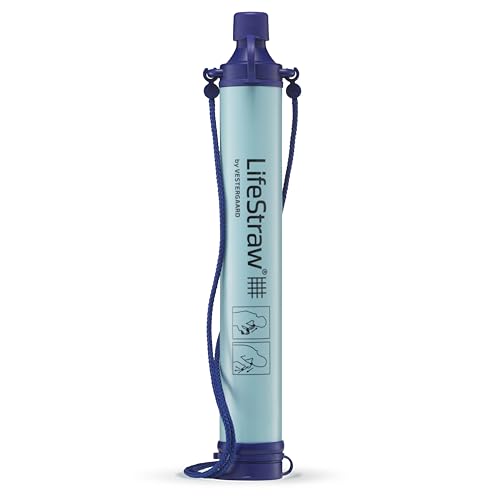
LifeStraw Personal Water Filter for Hiking, Travel and Emergency

Katadyn Hiker Pro Replacement Cartridge with Field Maintenance Kit

Sawyer Squeeze Water Filtration System

Sawyer Products SP128 Mini Water Filtration System, Single, Blue

Aquatabs 49mg Water Purification Tablets, 50 Pack, Hiking & Camping

LifeStraw Peak Series Personal Water Filter Straw
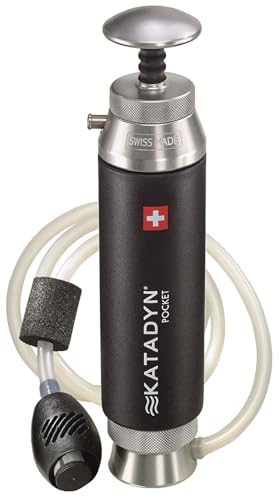
Katadyn Pocket Ceramic Hand Pump Water Filter

PUREPLUS 2-Stage Whole House Water Filter, Clear Housing, for Well Water

PUREPLUS 2-Stage Whole House Water Filter, PP Sediment & KDF Carbon

PUREPLUS 2-Stage Whole House Water Filter, Clear Housing, Iron & Manganese
What Each Pick Brings To The Table
The LifeStraw Personal Water Filter is the straw-style filter that defined the category, weighing almost nothing and slipping into a side pocket or shelter kit. You drink straight from the source, so there’s no squeezing, no pumping, no waiting. For thru-hikers trimming ounces and emergency planners stuffing go-bags, that simplicity is the whole point.
It targets bacteria, parasites, microplastics, and sediment, which covers most backcountry contamination scenarios you’ll encounter in North American streams. It doesn’t tackle viruses, so for international travel where viral contamination is a real concern, layering it with chemical treatment (like Aquatabs later in this list) gives more complete coverage.
What It Does Well
- Featherweight build vanishes in a pocket, so it earns a permanent spot in day packs and emergency bins
- Direct-sip design means zero setup time when you’re parched at a creek crossing
- Removes bacteria, parasites, microplastics, and visible sediment for the most common North American backcountry threats
- No moving parts to break, which matters when the filter lives in your trunk year-round
Worth Noting
- Straw-only drinking means filling a bottle requires patience or a second tool, which may frustrate group cooking
- Doesn’t address viruses, so consider pairing with chemical tabs for overseas trips
- Flow rate slows as the filter loads with sediment, so heavy silt means more effort
Feature Snapshot
Whose Trail It Belongs On
Right for ultralight backpackers, day hikers, and anyone building a grab-and-go emergency kit who wants zero setup time.
Where Another Pick Suits Better
Group cooks and base-campers filling big pots should reach for the Katadyn Pocket Ceramic Hand Pump Water Filter instead, since pumping liters at a time is far faster than straw-sipping.
This isn’t a standalone filter; it’s the heart of an existing system. The Katadyn Hiker Pro Replacement Cartridge drops into Katadyn Hiker and Hiker Pro housings you’ve likely already carried on the trail. The pleated glass-fiber element expands surface area, which is the spec that matters when your creek looks more like chocolate milk than water.
The removable filter protector is the thoughtful detail, since muddy water kills cartridges faster than almost anything else. Owners commonly keep a spare cartridge in their kit precisely because a clogged filter mid-trip means a long walk to the next clean source.
What Pays Off
- Pleated glass-fiber media holds up under silty, muddy conditions better than smoother membranes
- Up to roughly 200 gallons of capacity means multi-season use before swapping
- Removable protector extends element life when you’re pumping from questionable sources
- Field maintenance kit included, so cleaning supplies stay organized in one pouch
Trade Offs
- Only useful if you already own the Katadyn Hiker or Hiker Pro housing; this is not a complete filter
- Glass-fiber elements demand more careful backflushing than simple hollow-fiber tubes
Right Fit For
Existing Katadyn Hiker Pro owners refreshing an aging cartridge, especially those who hike in silty desert or alpine runoff conditions.
Skip It When
First-time filter shoppers should start with a complete system like the Sawyer Squeeze Water Filtration System, which ships ready to use out of the box.
The Sawyer Squeeze built its reputation by outlasting the trail. Hollow-fiber membrane (a dense bundle of tiny tubes that physically strain contaminants) handles bacteria, protozoa, cysts, sediment, and microplastics, and the filter is rated for a lifespan that puts it in “buy once” territory. You fill the pouch, screw the filter on, and squeeze clean water into your bottle.
Thru-hikers, scout troops, and anyone managing water for more than one person gravitate here because the design scales. Where the LifeStraw above forces straw-sipping, the Squeeze produces liters quickly and hands them off to cooking pots. It’s the workhorse option in most pack lists.
Everyday Wins
- Massive lifespan rating means a single filter can last across multi-month trips and beyond
- Squeeze design fills bottles and cook pots fast, which matters when cooking for two or more
- Backflushing with a regular syringe keeps flow rates high without specialty parts
- Versatile: drink from the pouch, attach to a hydration bladder, or screw onto standard bottles
Honest Caveats
- Heavier and bulkier than straw filters like the LifeStraw, which may bother ounce-counters
- Doesn’t remove viruses, so consider Aquatabs for travel regions where that’s a concern
- Pre-filtering very silty water helps prevent slow flow at the membrane
Feature Rundown
Made For
Long-distance hikers, group campers, and emergency planners who want a durable, refillable filter that produces liters quickly.
Look Elsewhere When
Ultralight solo travelers prioritizing pack space will find the Sawyer MINI Water Filtration System a better fit for single-day outings.
The Sawyer MINI is the smaller sibling of the Squeeze above, weighing roughly two ounces and fitting in a palm. It uses the same hollow-fiber membrane technology, just in a more portable body. For fastpackers, trail runners, and international travelers wary of hotel tap water, that footprint is the entire selling point.
The MINI slips into a hip belt pocket, a running vest, or a passport sling without ceremony. You thread it onto a standard disposable water bottle, and clean water flows out the other end.
Where It Excels
- Tiny footprint makes it disappear into day packs and travel kits
- Same trusted hollow-fiber media as the larger Sawyer Squeeze
- Versatile use: thread onto bottles, drink directly, or inline with a hydration reservoir
- Affordable backup filter that costs less than most emergency kit add-ons
Small Caveats
- Slower flow rate than the full-size Squeeze, so refilling large bottles takes patience
- Lightweight plastic body needs careful handling in rough terrain
Best Suited To
Trail runners, fastpackers, and travelers who want backup filtration in a kit that barely registers on the scale.
Swap It Out When
Anyone filtering water for a group should reach for the Sawyer Squeeze Water Filtration System, which fills cookware much faster.
Aquatabs take a different approach. Instead of physically straining water, these 49-milligram chlorine-based tablets chemically neutralize pathogens. Drop one in a liter, wait the prescribed time, and the water is potable. A 50-tablet pack fits in a sandwich bag and weighs nothing, which makes it ideal as a backup layer alongside any physical filter.
The big advantage here is virus coverage. Hollow-fiber filters like the Sawyer Squeeze excel at bacteria and protozoa but don’t tackle viruses, which matter more in crowded regions or international destinations. Tabs cover that gap.
Noteworthy Benefits
- Tiny, lightweight format disappears into any kit, including a wallet or first-aid pouch
- Effective against bacteria, viruses, and cysts for broader pathogen coverage
- No pumping, squeezing, or setup, which helps when injured or exhausted
- Long shelf life makes them a smart addition to vehicle and home emergency caches
Points To Keep In Mind
- Requires waiting time after dosing, so thirsty hikers need patience
- Slight chlorine taste can linger in the treated water
- Doesn’t remove sediment or turbidity, which matters in muddy water
Quick Facts
Who Will Love This
International travelers, emergency planners, and backpackers who want virus coverage or a featherweight backup to their main filter.
Reach For A Different Pick When
Campers in clear mountain streams with no virus concerns will find faster refreshment from the Sawyer Squeeze Water Filtration System.
The LifeStraw Peak Series is the company’s modern take on the classic straw filter that opens this list. It’s lighter, BPA-free, and built with premium sustainable materials. The big selling point versus the original LifeStraw is the enhanced flow rate, which means less sucking for the same amount of water.
If you’ve ever sipped through a slow filter at a remote spring and felt your jaw ache, you’ll appreciate the engineering push here. The Peak also uses updated colors and a better grip texture for slippery creek-bed moments.
Where It Delivers
- Improved flow rate reduces sip fatigue compared to the original LifeStraw
- Same trusted straw-style convenience, so setup is still zero
- BPA-free construction with sustainable materials for material-conscious shoppers
- No loose parts to lose, which simplifies emergency preparedness
Worth Bearing In Mind
- Costs more than the original LifeStraw Personal Water Filter for a similar protection profile
- Still straw-only, so group water gathering remains awkward
Perfect Match For
Sippers and emergency kit builders who want the lightest straw filter available and value faster drinking over saving a few dollars.
A Better Fit Elsewhere
Shoppers watching every dollar should grab the original LifeStraw Personal Water Filter for Hiking, Travel and Emergency instead, since the core function is nearly identical.
The Katadyn Pocket is a different animal. Rather than sipping or squeezing, you pump water through a cleanable ceramic element (a porous clay-like filter that physically strains bacteria and protozoa) by hand. The reward is longevity: rated up to roughly 13,000 gallons, this filter is the kind of tool you hand down, not replace every few years.
Base campers, off-grid cabins, and emergency preppers gravitate here because one filter can serve a family for years. The trade-off is pumping effort, since you’ll be working the handle for every liter.
What Helps Most
- Massive capacity rating makes it a true long-term investment, not a consumable
- Ceramic element cleans and restores, so flow stays high with basic maintenance
- Hand-pump design produces water on demand without gravity setups
- Robust build quality holds up under heavy field use and rougher handling
Practical Considerations
- Heavier and bulkier than squeeze or straw options, so it’s not a thru-hiking filter
- Requires arm power for pumping, which may tire smaller users quickly
- Ceramic element can crack if dropped, demanding careful handling
- Doesn’t remove viruses, so chemical backup may be needed in some regions
Spec Overview
Who Should Grab It
Base campers, off-grid households, and emergency planners who want a filter they can maintain for years and use in heavier-volume situations.
Consider Something Else When
Solo thru-hikers chasing daily mileage will find the lighter Sawyer Squeeze Water Filtration System a more efficient pack choice.
This PUREPLUS unit shifts the conversation from creek to kitchen. It’s a two-stage whole-house filtration system designed for well water, pairing a polypropylene (PP) sediment filter with an iron-removal stage in a clear housing. The clear bowl is a small but useful feature: you can see when the filter is loading up and needs swapping.
Rural homeowners with sediment-heavy or iron-rich well supply often deal with stained fixtures and metallic-tasting water. This filter targets both problems at the point of entry, so every tap in the house benefits.
Standout Benefits
- Two-stage design catches sediment and reduces iron in a single install
- Clear housing lets you monitor filter loading at a glance
- Whole-house coverage means every fixture, not just the kitchen tap
- Standard cartridge format makes replacement easy to source
Potential Drawbacks
- Installation requires basic plumbing skills or a handyman
- Sediment and iron cartridges need periodic replacement, adding ongoing cost
- Doesn’t soften water; hard-water spots remain a separate issue
Feature Snapshot
Built With In Mind
Rural homeowners on well water dealing with sediment, iron staining, or both who want whole-house coverage from one install.
Where Another Pick Suits Better
Municipal water customers fighting chlorine taste should look at the PUREPLUS 2-Stage Whole House Water Filter, PP Sediment & KDF Carbon, which targets chemical taste differently.
This PUREPLUS configuration swaps the iron stage for KDF (kinetic degradation fluxion) carbon media, which targets chlorine taste and odor alongside sediment. It’s the right whole-house filter when municipal water delivers that swimming-pool smell at every tap and you want it gone before it reaches the shower.
KDF media uses a copper-zinc redox (a chemical reaction that exchanges electrons to neutralize contaminants) process to reduce chlorine and certain heavy metals. For most city-water households, the result is dramatically better-smelling water without investing in a reverse osmosis system.
Useful Strengths
- KDF media reduces chlorine taste and odor at every household tap
- 5-micron sediment stage (the PP10BB filter, certified by IAPMO R&T to NSF/ANSI 42 for material safety) captures rust, sand, and silt that clog appliances
- Whole-house coverage improves drinking, showering, and laundry water in one install
- Replacement cartridges are easy to source through matching refill sets
Room For Improvement
- Doesn’t soften water, so hardness spots need separate treatment
- KDF and carbon cartridges require periodic replacement, adding maintenance
- Installation typically requires plumbing know-how or a hired pro
Key Attributes
Who It Suits Best
Municipal water households tired of chlorine taste and odor at every faucet, particularly those with old pipes shedding sediment.
Not Your Match When
Well owners with iron staining should grab the PUREPLUS 2-Stage Whole House Water Filter, Clear Housing, Iron & Manganese instead, which targets the right problem.
The third PUREPLUS whole-house option specializes in iron and manganese reduction, two metals that wreck laundry, stain porcelain, and turn ice cubes brown. The first stage combines multi-layer sediment and carbon, while the second stage (the RFN10BB-SZ filter) targets iron and manganese specifically.
The clear housing on the first stage means you can see when sediment loads up and a swap is due. It’s a small thing that prevents the “wait until something breaks” maintenance pattern that plagues less-visible systems.
What Earns Its Place
- Two-stage targeting of iron, manganese, sediment, and chlorine in one install
- Clear first-stage housing for visual filter-life monitoring
- Multi-layer sediment and carbon filter reduces up to 99% of chlorine, taste, and odor
- Whole-house coverage protects washing machines, dishwashers, and faucets from staining
Where It May Fall Short
- Higher concentration of iron or manganese may require pre-treatment or a more aggressive system
- Filter cartridges need regular replacement, adding ongoing cost
- Installation typically requires basic plumbing skill
Made For
Well owners fighting rust-orange staining on fixtures, brown laundry, or metallic-tasting water from iron and manganese in their supply.
Look Elsewhere When
Homeowners on city water who mainly want chlorine taste removed will find the PUREPLUS 2-Stage Whole House Water Filter, PP Sediment & KDF Carbon a closer match.
What To Weigh Before Picking A Backcountry Filter
Match The Filter To Your Water Source
Different water sources carry different contamination risks. Mountain streams mostly threaten you with bacteria, protozoa, and sediment, which any quality hollow-fiber or ceramic filter handles. Crowded regions and tropical destinations add virus risk that physical filters alone don’t cover, so layering in chemical treatment like Aquatabs closes that gap. Well water at home is a different conversation entirely, since whole-house systems tackle sediment, iron, manganese, or chlorine at the point of entry. Matching the filter’s strengths to your actual water profile is the single biggest decision you’ll make.
Flow Rate Versus Weight Trade-Off
Straw and ultra-light filters weigh almost nothing but sip slowly. Squeeze and pump filters fill bottles and cook pots faster but add bulk and ounces. For day hikers and emergency kits, low weight usually wins. For group cooking and base camp, faster flow saves real time. There’s no right answer, just the right answer for your trip.
Maintenance Reality In The Field
Every filter needs some care. Hollow-fiber membranes like the Sawyer Squeeze benefit from backflushing with a syringe, which adds a small piece of gear. Ceramic elements like the Katadyn Pocket scrub clean with minimal tools. Straw filters like LifeStraw need almost nothing until they expire. Pick a maintenance routine you’ll actually perform, because a clogged filter at the wrong moment is worse than no filter at all.
When A Whole-House Filter Makes Sense
Backcountry and home filtration are different categories, but both belong in this roundup for travelers who split time between trails and rural property. Well water and city water each carry their own signatures, and choosing the right cartridge pair saves fixtures, appliances, and patience.
Common Slip Ups And Smart Upgrades
Pitfalls Shoppers Hit
First-time filter shoppers often grab the lightest straw option and assume it handles everything. It handles bacteria and protozoa but not viruses, which matters more abroad. Another common mistake is ignoring sediment pre-filtering, since heavy silt clogs hollow-fiber membranes and ruins flow rates mid-trip. For home filtration, choosing the wrong cartridge pair is the equivalent mistake: a sediment-and-carbon system won’t touch iron, and an iron filter is overkill if your water just tastes chlorinated.
What The Higher Tier Buys
Premium filters earn their keep through longevity, easier maintenance, and broader pathogen coverage. The Katadyn Pocket’s ceramic element cleans and lasts years where disposable cartridges fail after a season. The Sawyer Squeeze’s massive lifespan rating pays off for frequent travelers. And layered systems, like pairing a squeeze filter with Aquatabs for virus coverage, add redundancy that turns “almost safe” into “actually safe.” When you spend more on filtration, you’re usually buying durability, broader protection, or faster flow, sometimes all three.
Frequently Asked Questions
How Often Should You Replace A Backcountry Filter?
Replacement depends on filter type and use. Straw filters like the LifeStraw Personal expire after their rated gallon capacity, which owners commonly hit over a couple of seasons. Hollow-fiber filters like the Sawyer Squeeze can last for years with proper backflushing. Ceramic elements like the Katadyn Pocket can be cleaned and used for decades. Whole-house cartridges need swapping every few months depending on sediment load.
Do These Filters Remove Viruses?
Most hollow-fiber and ceramic filters don’t remove viruses. Aquatabs and other chemical treatments do. For travel to regions where viral contamination is a concern, layering chemical treatment with a physical filter is the practical approach.
Can You Drink Directly From A Stream With These?
Yes, the LifeStraw straws and the Sawyer MINI both let you sip straight from the source. Pump and squeeze filters typically require collecting water first, then filtering it into a bottle. Both methods work; personal preference and trip logistics drive the choice.
Are Whole-House Filters Worth It For City Water?
For households with chlorine taste, sediment from old pipes, or both, a whole-house system improves every tap in the home. If your water already tastes fine and your pipes are modern, point-of-use filters at specific taps may be enough.
How Do You Clean A Squeeze Filter In The Field?
Backflushing with a clean syringe pushes water backward through the membrane, dislodging trapped sediment. Most Sawyer Squeeze kits include the syringe, and the process takes a minute or two at a creek crossing.
The Takeaway
Clean water on the trail or at the tap comes down to matching the filter to your water, your trip, and your tolerance for maintenance. Straw filters win on weight and simplicity, squeeze filters balance capacity with refill speed, and ceramic pumps trade effort for longevity. At home, the right whole-house system makes every shower and glass of water better. Pick the tool that fits the trip you actually take, and you’ll stay hydrated without overthinking it.