
A reliable backcountry tent turns a wet, windy ridge into a manageable night and a calm meadow into a perfect base camp. The right shelter depends on how far you walk, what season you face, and whether you’re hauling it solo or splitting gear between two packs. These six tents cover the spread from lightweight alpine setups to family-sized car-camping bases, so you can match your shelter to the trip you actually take.
The Lineup, Simplified

ALPS Mountaineering Lynx 2-Person Backpacking Tent
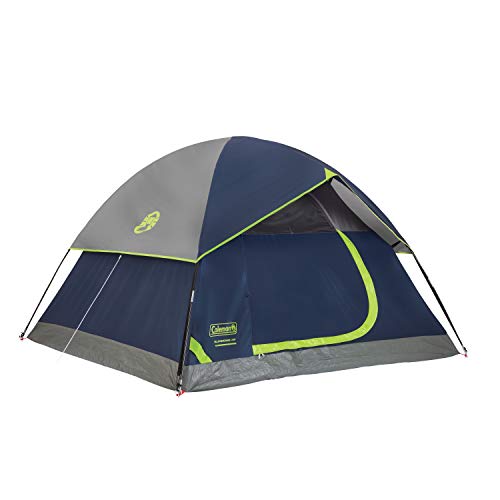
Coleman Sundome Tent

Naturehike Village Instant Tent
Naturehike Cape Instant Camping Tent
Naturehike KOTA Double Layer Family Tent
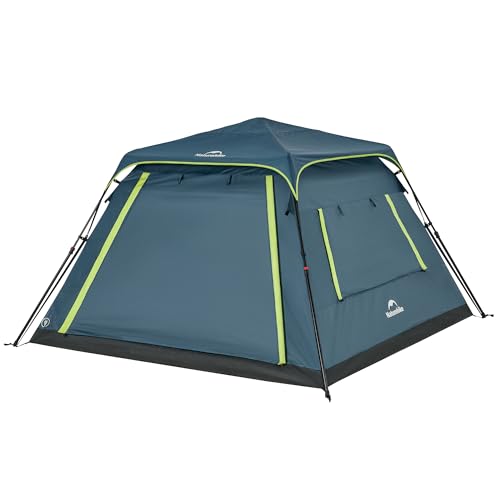
Naturehike Cape Lite Instant Cabin Tent
Why These Options Stand Out
The Lynx is the kind of tent backpackers reach for when every pound counts but they still want a real aluminum structure instead of bendy fiberglass. It uses a straightforward two-pole rectangular dome layout with pole clips that snap onto the fly, which means fewer sleeves to thread at the trailhead.
Half of each sidewall is mesh, so on still nights condensation has somewhere to go and you can stargaze through the ceiling. Compared to the Coleman Sundome below, this one leans more toward trail weight than car-camp convenience, though both stay approachable for newer paddlers and hikers who don’t want a puzzle on arrival.
Positive Points
- Aluminum poles keep weight manageable on multi-day trips
- Mesh side panels improve airflow during humid evenings
- Clip-attached fly speeds up pitch in fading daylight
- Two-person floor plan works for solo hikers who want gear room
Things To Consider
- Coated fabric may need re-sealing after a season of heavy use
- Best suited to fair weather and established campsites, not alpine exposure
Feature Snapshot
Made For
Backpackers stepping into three-season trail trips who want an aluminum frame at an approachable cost.
Swap It Out When
The Coleman Sundome suits you better for car-camp weekends where weight doesn’t matter and you want a wider entry.
The Sundome is a classic first-tent, the kind of shelter you set up in a state park driveway with friends before attempting anything wilder. Coleman’s WeatherTec system focuses on keeping seams and floors dry through the kind of steady summer rain that ruins a beginner trip.
Continuous, snag-free pole sleeves mean you spend less time fighting fabric at dusk and more time cooking dinner. Where the Lynx above is built for the trail, this tent leans toward car camping and established sites, which is exactly where most new campers start.
Bright Spots
- WeatherTec construction targets common rain entry points
- Continuous pole sleeves simplify setup for newer campers
- Compact packed size fits neatly in a trunk or backseat
- Wide entry door works well for gear-heavy trips
Worth Noting
- Fiberglass poles can turn brittle after repeated cold-weather use
- Heavier trail weight limits backcountry reach
- Floor coating may show wear faster than premium alternatives
Quick Facts
Best Suited To
First-time campers and families building out a driveway-test kit before heading into the trees.
Look Elsewhere When
You plan a multi-day backpack, in which case the ALPS Mountaineering Lynx is the more trail-friendly pick.
The Village is the cabin-style tent for people who measure comfort in standing-up room rather than packed weight. Pre-attached poles and an automatic structure cut setup to about a minute, which matters when you roll into camp with tired kids and a cooler full of melting ice.
Available in 4-person and 8-person sizes, the tent uses 150D Ti Black Technology fabric, a coated polyester rated for serious rain. Compared to the Cape below, this one is roomier but heavier, so it stays parked at the trailhead rather than carried up switchbacks.
Advantages To Know
- Near-instant setup removes pitch-day stress
- Full-coverage rainfly keeps interior dry in heavy weather
- Upright walls create usable interior space for cots and chairs
- Multiple size options scale up for larger groups
Points To Note
- Bulky packed dimensions require a roof box or large trunk
- Instant-pole mechanism adds weight compared to traditional tents
- Best suited for flat, established sites rather than rocky alpine ground
Whose Trip It Belongs On
Family car-campers who want standing room and weather coverage more than backpack-friendly weight.
Reach For A Different Pick When
You need true four-season capability, which is where the Naturehike KOTA earns its reputation.
The Cape is a tunnel-style instant tent built for groups who arrive late and unpack fast. Pre-attached poles let the tent pop into shape in roughly a minute, so you spend your daylight on the lake rather than wrestling with sleeves.
190T polyester with a waterproof coating keeps rain from soaking through during overnight storms, and the tunnel shape stretches the floor plan wider than the cabin-style Village above. For car-campers who count square footage over packed size, this layout works well.
A Few Strong Suits
- Tunnel geometry maximizes usable floor area
- One-minute pitch suits tired arrival scenarios
- Waterproof coating handles sustained rainfall
- Multiple size tiers fit couples through larger families
Trade Offs
- Requires level ground to pitch cleanly
- Heavier and bulkier than backpacking-specific shelters
- Ventilation windows may need to stay cracked in humid climates
Technical Highlights
Right Fit For
Groups who prioritize quick arrival-to-bed transitions over minimal pack-down size.
Not Your Match When
You want a lighter cabin footprint for smaller crews, in which case the Naturehike Cape Lite makes more sense.
The KOTA is the modular tent for people who camp through shoulder seasons and want real flexibility from one shelter. A double-layer design lets you use the mesh inner alone in warm weather or pair it with the outer shell when conditions turn serious.
The outer shelter doubles as a stand-alone canopy, which is handy at festivals or as a sun awning at the beach. Built from 75D 210T polyester with a 3000mm+ waterproof rating, this is the most weather-focused option in the lineup, and unlike the Village and Cape tents above, it leans toward serious conditions.
The Value In It
- Two-piece design adapts across warm and cold seasons
- Outer shell works independently as a canopy
- Tall peak height suits standing movement inside
- Vestibule porch extends usable space for boots and packs
Honest Caveats
- Heavier than single-layer family tents
- More components to track during setup and breakdown
- Zippers and seams benefit from occasional maintenance for longevity
Key Product Details
Built With In Mind
Campers who run shoulder-season trips and want one shelter that adapts rather than swapping tents twice a year.
Consider Something Else When
You’re shopping for a simple summer-only cabin, where the Naturehike Cape Lite offers less complexity.
The Cape Lite rounds out the lineup as the streamlined cabin for couples and small families. Like its larger sibling the Cape, it uses pre-attached poles for a roughly one-minute pitch, but the floor plan is tighter and more focused on easy weekend use.
The 101.5-by-101.5-inch footprint fits a queen mattress comfortably, and the 62.2-inch peak height lets most campers stand inside. Compared to the KOTA above, this one skips the modular double-layer complexity in favor of a simpler cabin build for fair-weather weekends.
Notable Gains
- Queen-mattress-compatible floor plan
- Pre-attached poles eliminate sorting at setup
- Cabin shape delivers full standing height
- Lighter cabin footprint than 8-person options
Less Ideal Details
- Single-wall cabin construction limits cold-weather use
- Smaller interior cramps gear-heavy family trips
- Coated fabric may need re-treatment after extended UV exposure
Who Should Grab It
Couples and small families running short fair-weather trips who want a quick-pitch cabin without extra weight.
A Better Fit Elsewhere
You camp through colder months or want modular versatility, where the Naturehike KOTA is the more capable option.
Choosing Backcountry Tents That Match Your Trips
Matching a tent to your typical trip length matters more than chasing the largest floor plan. Backpackers stepping into multi-day routes benefit from aluminum poles and clipped flies, where every ounce and every minute at the trailhead adds up. The ALPS Mountaineering Lynx fits that profile, while car-campers prioritize standing height and weather coverage instead.
Seasonal range shapes which shelter earns a place in your gear closet. Three-season tents handle spring through fall in most regions, while double-layer builds like the Naturehike KOTA extend usability into shoulder-season storms and winter basecamps. Single-wall cabins work for warm weekends but lose insulation value once temperatures drop.
Capacity ratings tell only part of the story, since tent dimensions, peak height, and vestibule space affect how livable the shelter feels. A 4-person tent often sleeps two adults and a child comfortably, while 6- and 8-person options handle full families with gear. Match capacity to your group size plus the cots, pads, and packs you’ll store inside.
Fabric specs translate directly into rain performance and longevity. PU-coated polyester, a urethane-coated woven fabric, sheds water reliably, and ratings above PU 2000mm handle heavier storms. Denier counts (the thread weight of the fabric) above 75D signal more durable weaves that resist tearing at stress points.
Smart Spending Across These Picks
Where Shoppers Go Wrong
Buying for capacity rather than use case is the most common trap. A spacious 8-person tent feels indulgent for two campers but cramps four adults with gear, so think about who actually sleeps inside before sizing up. Choosing fiberglass over aluminum poles to save cost is another slip-up that catches backpackers on long trails, since fiberglass becomes brittle and heavy once you’re a few miles in. Skipping seam-sealing and weatherproofing prep leaves even premium tents vulnerable, and many newcomers head out without treating coated fabric or reinforcing stress points.
Where The Extra Money Goes
Higher-tier models in this category invest in stronger fabrics, more reliable coatings, and modular construction. Double-layer tents like the Naturehike KOTA cost more because they deliver two shelters in one, adapting across seasons and configurations. Premium pole materials, larger vestibules, and taller peaks all add weight and complexity, but they also expand where and when you can camp. For weekend car camping, the upgrades feel luxurious; for serious shoulder-season or winter trips, they often determine whether you stay warm or turn back.
Frequently Asked Questions
How do I choose between a dome tent and a cabin tent? Dome designs handle wind better and pack smaller, which suits trail use. Cabin tents offer more standing room and livable space, which suits car camping and family trips where comfort matters more than weight.
What does waterproof rating actually mean? A waterproof rating of PU 2000mm or higher means the fabric withstands a 2-meter column of water pressure before leaking, which translates to reliable rain performance in typical storms. Ratings above PU 3000mm handle heavier sustained rain.
Are instant tents durable enough for regular use? Instant tents with pre-attached poles hold up well for car camping and frequent short trips. The hinge and pole mechanisms see more wear than traditional designs, so store them dry and avoid forcing bent frames back into shape.
How many people should I size my tent for? Add one to your sleeping group size if you want gear storage room, or add two for family trips where cots and packs eat floor space. A 4-person tent typically fits two adults comfortably, while 6- and 8-person options suit families.
Can a backcountry tent work for car camping too? Backpacking tents function fine at established campgrounds, though you’ll sacrifice the standing height and interior space that cabin-style car-camping tents provide. The reverse works less well, since heavier family tents become exhausting on longer approaches.
Bottom Line
The right backcountry tent is the one that matches your route, your season, and your group, not the one with the largest floor plan. Solo and duo backpackers gravitate toward the ALPS Mountaineering Lynx for its light pole structure, while families and car-campers find their rhythm in the Naturehike cabin and tunnel options. Pick the shelter that fits how you actually travel, and the trail feels friendlier from the first night.