
Picking a sleep sack sounds simple until you’re standing in the nursery aisle staring at numbers like 0.5 TOG and 1.5 TOG with a wiggling baby in your arms. The right wearable blanket replaces loose bedding, keeps your little one at a steady temperature, and survives the laundry pile better than anything else in the house. This shortlist cuts through the clutter and matches nine solid options to real sleep situations, from newborn naps in a cool nursery to toddler bedtimes in a warm bedroom.
How The Shortlist Stacks Up

BubblePanda Rayon Made from Bamboo Sleep Sack with Feet 1t-2t 1.0 Tog
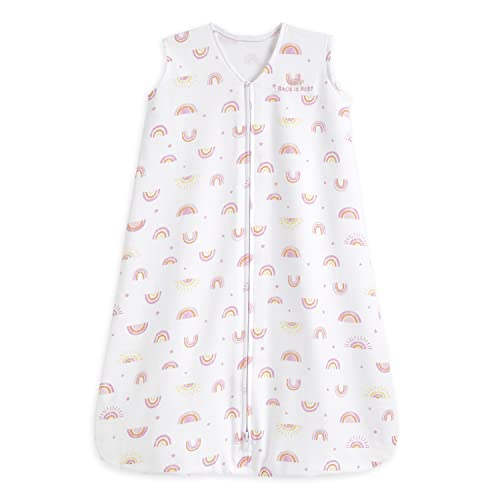
HALO Sleepsack 100% Cotton Wearable Blanket TOG 0.5 Sunshine Rainbows Large

Hudson Baby Unisex Mink with Sherpa Inner Sleeping Bag

BubblePanda Rayon Made from Bamboo Sleep Sack 6-12 Months 1.0 Tog

BubblePanda Modal Sleep Sack 6-12 Months 1.0 Tog
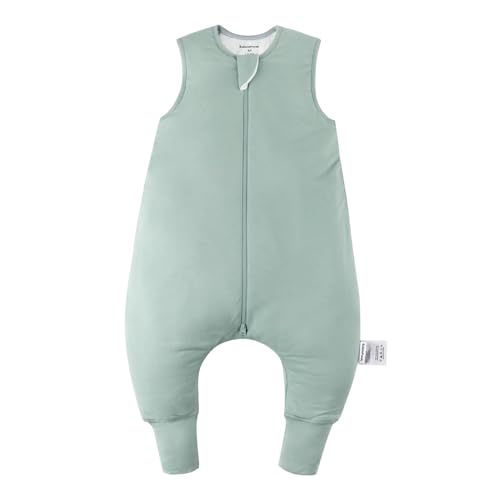
BubblePanda Rayon Made from Bamboo Sleep Sack with Feet 1t-2t 0.5 Tog

mushie Baby Wearable Blanket Organic Cotton Muslin Sleeping Bag Sage

KaiyaBaby Organic Cotton Baby Sleep Sack Long Sleeve 1.0 TOG 6-18M
BubblePanda Rayon Made from Bamboo Sleep Sack 0-6 Months 1.5 Tog Newborn
The Strengths Of Each Pick
Toddlers who treat the crib like a launch pad need a sleep sack that keeps up. This BubblePanda option combines a bamboo-and-spandex blend with built-in foot openings, so little walkers can step, climb, and pivot without losing their warm layer. The 1.0 TOG rating suits a standard nursery between 68 and 72°F.
Compared with the HALO Sleepsack covered earlier, this design trades a hospital-tested cotton weave for a softer, stretchier fabric that moves with active legs. You may find the foot holes handy during diaper changes and the sleeveless arms ideal for warm-blooded toddlers who run hot at night.
Where It Delivers
- Foot openings let standing toddlers move freely without tripping over fabric
- Bamboo-blend fabric wicks moisture, useful for sweaty sleepers
- 1.0 TOG works in most climate-controlled nurseries year-round
- Stretchy spandex mix keeps the sack from bunching during restless sleep
- Sleeveless cut prevents overheating in kids who radiate heat
Worth Noting
- Foot holes can scuff on rough carpet during floor play
- Bamboo blends may need a gentle wash cycle to stay soft over time
Made For
Toddlers in the 1T to 2T range who climb out of cribs and need warmth without restricting leg movement.
Look Elsewhere When
The HALO Sleepsack suits parents who want a hospital-trusted cotton weave with hip-healthy construction.
When pediatricians recommend wearable blankets, the HALO Sleepsack is often the name they reach for. Used in thousands of hospital nurseries, this 100% cotton sack comes with a 0.5 TOG rating for warmer rooms and a zipper that opens from the bottom for middle-of-the-night diaper changes. The Sunshine Rainbows print keeps the look gender-neutral without leaning clinical.
Unlike the bamboo-blend options from BubblePanda, HALO relies on breathable cotton that’s easy to wash and stands up to daily laundering. The sack is approved by the International Hip Dysplasia Institute, so caregivers watching hip development get extra peace of mind.
Positive Points
- Bottom zipper speeds up diaper changes without fully undressing baby
- Cotton fabric softens with each wash and tolerates frequent laundry cycles
- Hip-healthy design reduces worry during long sleep stretches
- Lower TOG suits warm bedrooms where heavier sacks cause sweating
Honest Caveats
- No foot openings, so older toddlers outgrow it once they start walking
- 0.5 TOG can run cool in drafty rooms during winter months
Key Specs
Whose Shelf It Belongs On
Parents transitioning a baby out of a swaddle who want a hospital-backed cotton option with hip-healthy construction.
Reach For A Different Pick When
The BubblePanda Modal Sleep Sack appeals to caregivers chasing an even softer fabric for eczema-prone skin.
Cool nurseries call for a heavier sack, and Hudson Baby’s mink-and-sherpa design delivers extra warmth without bulk. The plush outer fabric pairs with a sherpa inner layer that traps heat against the body, making it a strong pick for homes where the thermostat dips overnight.
The Alphabet Animals print adds a playful look without leaning too boy-or-girl, and the sack works as a wearable blanket over standard sleepwear. Compared with the KaiyaBaby option reviewed later, this one skips the wool-cotton blend in favor of fully synthetic plush that’s quicker to dry after a wash.
A Strong Showing
- Sherpa lining holds warmth through cold snaps and drafty rooms
- Plush outer feels gentle against cheeks during nap snuggles
- Gender-neutral print fits shared nurseries and hand-me-down plans
- Synthetic fabrics dry faster than cotton after late-night laundry runs
Points To Note
- Thicker build runs warm in heated homes, so sizing up isn’t always a fix
- Plush fibers can pill over time with frequent machine washing
- Heavier than cotton options, which may feel bulky in smaller cribs
Perfect Match For
Babies sleeping in chilly rooms or basement nurseries where the temperature drops below 68°F overnight.
A Better Fit Elsewhere
The BubblePanda 0.5 Tog option serves warmer bedrooms where sherpa lining would cause overheating.
The 6 to 12 month window is when babies really start moving, rolling, and kicking free of their covers. This BubblePanda sack uses a bamboo-and-spandex blend to stretch with those wiggles while staying breathable enough for nap after nap. The 1.0 TOG rating handles a typical climate-controlled nursery without overheating.
Where the HALO Sleepsack relies on pure cotton, this option leans into the silky drape that bamboo blends are known for. Parents often rotate between the two depending on the season: cotton for winter layering, bamboo for spring and summer moisture control.
The Practical Payoff
- Bamboo-blend fabric feels cooler against the skin than cotton
- Stretch accommodates rolling, kicking, and scooting babies
- Mid-weight TOG suits most nurseries without constant swaps
- Hypoallergenic fibers help babies with mild skin sensitivities
Some Limits To Know
- Bamboo weaves may shrink slightly in hot dryer cycles
- Snugger fit than cotton sacks can feel restrictive on chunkier babies
Right Fit For
Active 6 to 12 month olds in standard home nurseries who need flexibility and moisture-wicking comfort.
Swap It Out When
The KaiyaBaby Organic Cotton Sleep Sack is a better call in cooler rooms where a wool blend adds extra warmth.
Modal fabric is what happens when you take the softness of bamboo and push it further. This BubblePanda sack uses TENCEL modal fibers with a touch of spandex for stretch, creating a texture often described as cloud-soft. It’s a step up from standard cotton or bamboo sacks, aimed at babies with extra-sensitive skin.
The build quality shows up in the drape: the fabric flows rather than bunches, so the sack settles around the body without restricting movement. Compared with the Hudson Baby plush option, this one trades synthetic warmth for natural-fiber breathability, making it a smart pick for eczema-prone babies in moderate climates.
Real Benefits
- Modal weave is softer than cotton or standard bamboo blends
- Natural fibers breathe well, reducing sweat on warm nights
- Smooth surface minimizes friction against delicate skin
- Stretchy spandex keeps the fit snug without binding
- Drapes cleanly, so the sack looks tidy in the crib
Where It Is Less Suited
- Premium fiber blend costs more than basic cotton sacks
- Soft weave can snag on Velcro from nearby sleep sacks
- Doesn’t add warmth, so cold rooms call for a higher TOG option
Feature Snapshot
Who Should Grab It
Parents of babies with sensitive or eczema-prone skin who want a soft, breathable natural-fiber sack for year-round use.
Consider Something Else When
The Hudson Baby mink sack is a stronger choice for cold bedrooms where plush insulation matters more than fabric purity.
Summer toddlers are a different kind of challenge: they move constantly, generate heat, and can’t regulate temperature as well as adults. This BubblePanda sack answers that with a 0.5 TOG rating and bamboo-blend fabric, plus foot openings for active walkers. It’s the warm-weather cousin of the heavier 1.0 TOG version listed earlier.
The lower TOG keeps babies comfortable in rooms that hover above 74°F, while the foot holes let toddlers pad to the crib edge without overheating. Parents in southern climates often keep this on rotation through July and August.
The Upside
- 0.5 TOG prevents sweaty wake-ups in warm bedrooms
- Bamboo blend wicks moisture on humid nights
- Foot openings suit walkers who refuse to stay still
- Lightweight fabric dries fast after sudden spit-up incidents
Factors To Consider
- Too thin for unheated rooms in winter months
- Foot holes expose socks to scuffing during floor play
Best Suited To
Toddlers in warm or humid climates who need breathable coverage without extra insulation.
Not Your Match When
The BubblePanda 1.5 Tog Newborn sack is better for chilly nurseries where warmth outweighs the need for foot openings.
Muslin has long been a nursery staple for a reason: it’s lightweight, breathable, and gets softer with every wash. The mushie wearable blanket brings organic cotton muslin into a sleeveless sleeping bag with a sage colorway that fits minimalist nurseries. The full-body coverage keeps little legs from tangling in crib slats.
Where the HALO Sleepsack uses a standard cotton weave, this muslin option creates tiny air pockets that improve airflow on hot summer nights. You may find it doubles as a stroller cover during park walks in warmer months.
The Value In It
- Organic cotton muslin breathes better than standard cotton weaves
- Softens with each wash instead of wearing thin
- Neutral sage tone suits any nursery palette
- Sleeveless cut prevents overheating during summer naps
Less Ideal Details
- Muslin drapes loosely, so it can shift during restless sleep
- Lightweight build doesn’t add warmth in cooler rooms
- Organic cotton tends to cost more than conventional options
Who It Suits Best
Newborns and young infants in warm rooms or summer climates where airflow matters more than insulation.
Where Another Pick Suits Better
The BubblePanda 1.5 Tog Newborn sack works harder for winter newborns who need real warmth, not just breathability.
Long sleeves on a sleep sack change the warmth equation considerably. The KaiyaBaby option layers organic cotton over a camel-wool and polyester fill, creating a design that handles shoulder-bare babies who kick blankets off in cool rooms. The 6 to 18 month sizing range covers babies through a wide growth window.
The blend stands out because camel wool regulates temperature better than synthetic fills alone, pulling moisture away while holding steady warmth. Compared with the HALO Sleepsack, this option adds sleeves and a heavier fill for transitional seasons when the nursery sits between 65 and 70°F.
Strengths Worth Knowing
- Long sleeves cover shoulders that often get cold during sleep
- Camel-wool blend regulates temperature better than pure polyester fills
- Organic cotton outer feels gentle against cheeks and hands
- Wide age range stretches value across two growth spurts
Trade-Offs To Consider
- Camel-wool blend costs more than standard cotton sacks
- Wool blend needs a gentle wash cycle and low tumble dry to maintain loft
- Long sleeves can feel too warm for heated homes above 72°F
Key Product Details
Built With In Mind
Babies 6 to 18 months old in cooler bedrooms where shoulder coverage and natural-fiber warmth matter most.
Skip It When
The mushie muslin sack is a smarter buy for summer newborns who need breathability over insulation.
Newborns struggle to regulate their own body temperature, which makes a higher TOG rating important in cooler homes. This BubblePanda sack uses a 1.5 TOG bamboo blend designed for the 0 to 6 month window, giving tiny sleepers a warm cocoon without overheating. The fabric blend combines rayon from bamboo with a touch of spandex for stretch.
Where the mushie muslin option trades warmth for breathability, this one leans the other way. Parents in northern climates often pair it with a long-sleeve onesie for winter nights when the nursery hovers around 66°F.
A Few Strong Suits
- 1.5 TOG handles cold nurseries without piling on extra blankets
- Bamboo blend stays soft against newborn skin
- Stretchy fabric accommodates growth spurts in the first six months
- Breathable weave reduces sweat compared with fleece alternatives
Points To Keep In Mind
- Too warm for heated homes above 72°F
- Newborn sizing is short-lived; babies outgrow it quickly
- Bamboo weave can lose softness if dried on high heat
Quick Facts
The Right Fit
Newborns in cooler nurseries or winter homes where a higher TOG rating matters for safe, steady warmth.
Another Choice May Suit
The mushie muslin sack handles warm-climate newborns where breathability outweighs the need for extra insulation.
Picking A Sleep Sack That Actually Works At 2 A.M.
A sleep sack only helps if your baby sleeps in it comfortably, so the fit and fabric matter as much as the TOG rating. Focus on the temperature of the nursery first: cooler rooms around 65 to 68°F call for 1.5 TOG or higher, while warmer rooms above 72°F do better with 0.5 TOG.
Match The Fabric To The Skin
Babies with eczema often react to synthetic plush, so organic cotton, modal, or bamboo blends are gentler starting points. Cotton washes easily and holds up to daily laundering, while modal and bamboo blends wick moisture on sweaty nights but may need gentler care cycles. Synthetic mink and sherpa add warmth but can feel clammy in heated homes.
Think About The Stage, Not Just The Size
Newborns need a higher TOG and full coverage because they can’t regulate temperature well yet. Rolling babies in the 6 to 12 month window benefit from stretchy fabric that moves with them. Toddlers who climb out of cribs usually do better with foot openings and sleeveless arms so they don’t overheat once they’re up and moving.
Care And Longevity
Sacks get washed constantly, so the care label matters. Bamboo and modal blends usually need cold gentle cycles, while cotton and synthetic plush tolerate warmer washes. Wool blends, like the KaiyaBaby option, hold their loft best with low tumble drying.
Key Considerations Across These Picks
Pitfalls Shoppers Hit
The most common mistake is buying a TOG rating that doesn’t match the nursery temperature, which leaves babies sweaty or shivering. Another slip is sizing up too far ahead: oversized sacks can ride up over the face and defeat the safer-sleep purpose. Skipping the fabric check matters too, since plush mink and sherpa can feel scratchy against newborn cheeks.
Where The Extra Money Goes
Premium options like modal blends and wool-filled sacks cost more because the fibers regulate temperature more reliably than basic synthetics. Higher TOG ratings often include more thoughtful fill distribution, so warmth stays even without bunching. You also pay for fabrics that survive daily laundering, which matters more than the initial price tag over six to twelve months of nightly use.
Frequently Asked Questions
What TOG rating should I choose for a 70°F nursery?
A 1.0 TOG sack works well in rooms between 68 and 72°F, which is the range most pediatricians suggest for infant sleep. Warmer rooms above 72°F do better with 0.5 TOG, while cooler rooms below 68°F call for 1.5 TOG or higher.
When should I move my baby out of a swaddle and into a sleep sack?
Most babies transition between 3 and 6 months, once they start showing signs of rolling. Sleep sacks with arm freedom and a snug torso work well at first, then you can move to foot-opening designs once walking starts.
Are wearable blankets safer than loose blankets?
Yes. Wearable blankets stay on through the night and can’t cover a baby’s face the way loose bedding can. They keep warmth consistent without the rewrap risk that comes with kicking off a traditional blanket.
How do I wash a bamboo or modal sleep sack?
Cold water on a gentle cycle protects the fibers, and low tumble drying or line drying preserves softness. Skip fabric softeners, which coat bamboo and modal fibers and reduce their moisture-wicking ability over time.
Can my toddler wear a sleep sack once they climb out of the crib?
Yes, as long as the design suits their movement level. Foot openings and sleeveless arms help toddlers walk safely without tripping, and the sack still keeps them covered if they wander into a hallway at night.
Closing Remarks
The right sleep sack solves a real overnight problem: it keeps baby covered, supports safer sleep, and survives the laundry pile. Match the TOG to your nursery temperature, pick a fabric that suits your baby’s skin, and look for a fit that supports their current movement stage. Any of these nine options covers a common scenario well, so the choice comes down to your room temperature and your little one’s quirks.