
The fastest way to ruin a perfect campsite is wrestling with a tangle of poles at sunset. Automatic tents collapse the setup window from twenty sweaty minutes to a few calm seconds, so you spend your evening by the fire instead of cursing a rainfly. This roundup focuses on quick-pitch shelters that don’t sacrifice weather protection or livable space, with options for backpackers, couples, and big family groups.
The Essentials At A Glance

BISINNA Backpacking Tent 1/2/4 Person

KTT Extra Large Tent 10-12-14 Person (Style-B)

EchoSmile Lightweight Backpacking 2 Person Tent

KTT Extra Large Tent 8-10-12-14 Person (Style-A)

EchoSmile Instant Pop Up Camping Tent

KTT Extra Large Tent 10-12-14 Person
What Each Pick Brings To The Table
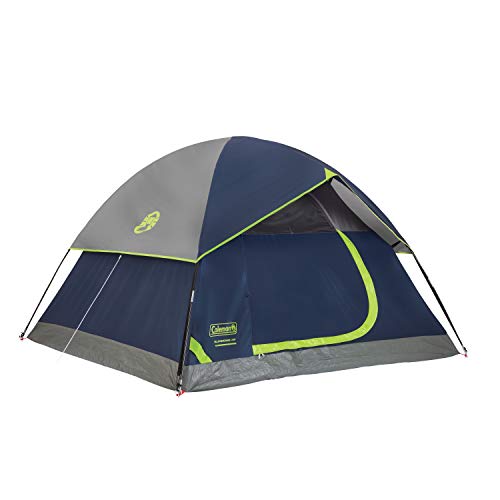
The Coleman Sundome is the kind of shelter that shows up at family campgrounds more than almost any other, and for good reason. It pitches fast with continuous pole sleeves (the fabric tubes you thread the poles through) that route the frame in one motion, so a parent and a kid can have it standing before the cooler is unpacked. Coleman’s WeatherTec system layers inverted seams and a bathtub floor (a floor with edges that curve up a few inches) to keep groundwater from creeping in during a long storm.
Compared with the bulkier cabin-style KTTs lower in this roundup, the Sundome trades standing height for portability, which makes it the easier toss-in for an SUV weekend. For most first-time campers and casual weekend regulars, that trade-off feels right.
Real-World Strengths
- Continuous-pole sleeve setup gets the tent standing in roughly ten minutes, even with one person on the poles.
- WeatherTec inverted seams and welded corners (heat-sealed rather than stitched) shrug off a steady all-night rain.
- Multiple footprint sizes let you scale up as your group grows without switching brands.
- Mesh windows and a rear vent pull humid air out, so condensation on the ceiling is less of a morning chore to wipe down.
Trade Offs
- Headroom is modest, so sitting upright on a camp chair inside isn’t really an option.
- Coleman poles tend to get stored damp, and fiberglass ones occasionally develop splinters around the joints over several seasons.
Key Specs
Who It Suits Best
First-time campers, weekend car-campers, and parents who want a forgiving, quick-pitch tent without learning any tricks.
Where Another Pick Suits Better
Backpackers counting every gram should look at the BISINNA Backpacking Tent 1/2/4 Person instead, since the Sundome’s pack size and weight don’t suit a long trail approach.
The BISINNA is built for people who carry their shelter on their back, not in a trunk. Aluminum poles and a 190T (a thin, tightly woven fabric measured in thread count) polyester rainfly keep packed weight down, and the double-layer design lets you pitch just the mesh inner on clear nights to watch the stars. For most weekend backpackers, the trade-off between weight and floor space lands in a comfortable middle.
Where the Sundome leans on quick-pitch simplicity, the BISINNA asks for a slightly more thoughtful setup since you thread two crossing poles through a sleeve. That extra minute pays off with a tauter pitch in wind.
Useful Touches
- Aluminum poles hold up better to repeated bending than fiberglass and don’t splinter the way budget poles sometimes do.
- Seam-taped (every seam covered with a waterproof strip) construction and a PU3000-rated floor resist long soakings on wet ground.
- Available in solo, two-person, and four-person footprints, so the same shelter scales to different trip styles.
- Freestanding design (stands on its own without stakes) lets you reposition on a campsite pad before committing to a final spot.
Trade Offs
- Two-door versions exist but base models have a single entry, so climbing over a partner at 2 a.m. gets old on long trips.
- Owners commonly report that the thin fabric needs a careful hand when stuffing it into the stuff sack, or it can feel tight on repacking in cold weather.
Key Specs
Right Fit For
Solo hikers, couples doing a two- to four-night route, and anyone moving camp every day who needs a shelter that disappears into a pack.
Skip It When
You mostly drive to a campsite with the family. In that case, the KTT Extra Large Tent 10-12-14 Person (Style-B) gives you standing height and two rooms the BISINNA never could.
The KTT Style-B is the cabin you tow behind the car. With 16 feet of length, 11 feet of width, and 7.4 feet of standing height at the peak, the interior swallows four full air mattresses and a folding table without anyone playing Tetris. The straight-wall design (vertical sidewalls instead of sloped tent walls) is what makes the headroom feel genuinely room-like rather than tunnel-like.
For family basecamps, this is a meaningful upgrade over the Coleman Sundome above. You give up trail-friendly weight and gain a divider curtain that turns the tent into two real rooms, plus a back window, two top windows, and three doors for cross-breeze control.
Key Advantages
- Two-room layout with a divider curtain gives parents and kids separate sleep zones without splitting into two tents.
- Three doors and three mesh windows create genuine cross-ventilation, which matters in humid coastal or riverside sites.
- Eight corner hooks and a central hook support lanterns, clotheslines, or a small gear hammock overhead.
- Double-layer construction (an inner tent and a separate rainfly that covers it) lets you pitch the fly alone for shaded midday lounging.
Trade Offs
- At this size, setup is a two-person job and realistically takes 20 to 30 minutes the first time you wrestle with all the poles.
- You will likely need a larger footprint pad underneath; the source doesn’t list a custom footprint, and generic tarps are usually required to keep the floor clean.
Best Suited To
Large families, multi-generational trips, and car campers who treat the tent as a basecamp rather than a sleeping pod.
Reach For A Different Pick When
Couples car-camping for a night or two will find the Coleman Sundome easier to manage and far less work to pack down.
The EchoSmile two-person stands out for a single clever idea: an extendable front vestibule (the covered porch area outside the main tent door) that you can prop up with trekking poles to create a shaded cooking nook. In a tight alpine site where every flat square foot matters, that awning is the difference between cooking in the rain and staying dry. The rest of the shelter is a familiar two-door, two-pole, double-wall backpacking tent, but that vestibule earns it a spot on this list.
Compared with the BISINNA above, the EchoSmile trades some absolute pack weight for layout flexibility, since you can open the front all the way on calm nights.
The Good Stuff
- Prop-up vestibule turns the front of the tent into a usable living area, useful for cooking, gear storage, or muddy-boot changes.
- Two-door design means each person has their own exit, a real plus on shared trips.
- Mesh ceiling panels offer stargazing on dry nights with the rainfly stowed.
Trade Offs
- The trekking-pole-supported vestibule depends on having two poles of compatible length, and not every hiker carries matched pairs.
- Storage bag runs small, and owners commonly report that repacking the tent the first few times takes practice.
Feature Snapshot
Who Should Grab It
Two-person backcountry crews and bike-packers who want a real gear area without packing a separate tarp.
A Better Fit Elsewhere
Festival and casual campers who never leave the car will get more out of the EchoSmile Instant Pop Up Camping Tent, where the setup is even faster and weight doesn’t matter.
The Style-A sibling to the KTT cabin above shares the same 16-by-11-foot footprint and 7.4-foot peak, but its mesh coverage is dialed up for warm-weather camping. The double-layer design plus three mesh windows and three doors keep air moving even when the sun is still on the fly at 9 p.m., which matters at humid lake sites where the Sundome’s smaller vents can feel stagnant.
This is the pick for a sprawling basecamp with multiple couples, a scout troop, or any group that wants one tent instead of three.
Everyday Wins
- Three doors reduce the midnight shuffle when the group is large, since no one has to crawl over six sleeping bags.
- Generous mesh coverage keeps the interior cooler than fully fabric-walled cabins in summer conditions.
- Straight-wall design preserves floor space at shoulder height, useful for cots, pack-and-play-style kid sleepers, and gear piles.
Trade Offs
- Mesh-heavy walls mean cooler nights in early spring or late fall may require a separate indoor heater or thicker sleeping bags.
- Setup time and footprint size are similar to the Style-B; this is still a tent you plan, not improvise.
Quick Facts
Whose Shelf It Belongs On
Group leaders, big-family trip planners, and summer-only car campers who want the most airflow in a cabin footprint.
Swap It Out When
You mostly camp shoulder-season with cooler nights. The KTT Style-B above keeps more warmth in thanks to its additional solid back window panel.
The EchoSmile pop-up is the closest thing in this roundup to a magic trick. You remove the straps, toss the bundled tent into the air, and the spring-loaded frame snaps into a standing shelter in seconds. For festival arrivals, quick kid-camping weekends, or anyone whose camping résumé is “two nights a year,” that speed is the entire point.
Compared with the BISINNA backpacking tent above, the EchoSmile is heavier and bulkier, but you don’t need to thread a single pole. You trade trail portability for the kind of setup that genuinely requires no learning curve.
The Helpful Details
- Pop-up frame gets the tent fully standing in seconds, with no pole threading or sleeve alignment.
- Available in two-, four-, and six-person layouts, useful for the most common casual-camping group sizes.
- Terylene fabric (a durable polyester variant) holds its shape after repeated pop-ups, based on the brand’s general product claims.
Trade Offs
- Folding the tent back into its round disc shape takes practice, and first-timers often need a quick video tutorial.
- Heavy reliance on the spring frame means rough handling in transit can cause the tent to lose its snap, and replacement parts are limited.
Technical Highlights
Made For
Festival-goers, casual weekenders, and parents introducing kids to camping who want zero setup friction.
Not Your Match When
You hike any distance to your site. The pack size and weight rule out trail use, where the BISINNA Backpacking Tent 1/2/4 Person is the realistic alternative.
The third KTT on the list shares the family cabin DNA of the Style-B and Style-A, with the same 16-by-11-foot interior and 7.4-foot ceiling. The differentiator is its slightly broader range of standard configurations, making it the most flexible pick of the three KTT cabins for varied group sizes. If you’re staging a multi-family basecamp and want everyone under one roof with a divider curtain, this is the version to anchor on.
Versus the Coleman Sundome from pick one, this is a different animal entirely. You’re trading a one-pitch weekend shelter for a true basecamp structure.
Where It Delivers
- Two-room divider curtain lets you split the space without erecting a second tent, which speeds up multi-family arrivals.
- Three doors and three windows provide real cross-ventilation on humid nights.
- Back window plus two top windows give a panoramic view of the site, a small quality-of-life upgrade on a calm lake morning.
- Ten top hooks (eight corner plus middle) handle lanterns, baby mobiles, or hanging organizers without improvised knots.
Trade Offs
- Setup realistically takes 20 to 30 minutes with two people on first try, and a tarp footprint is essentially required to keep the floor clean long-term.
- The footprint is large enough that not every developed campsite will have a flat, debris-free pad big enough to host it without site-shopping.
Feature Card
Built With In Mind
Multi-family basecamps, scout groups, and reunion-style trips where one shared shelter beats a row of smaller tents.
Look Elsewhere When
You’re heading to a tight backcountry site with no room for a 16-foot footprint. The EchoSmile Lightweight Backpacking 2 Person Tent is the right scale for that scenario.
Factors To Weigh Before Choosing Automatic Tents For Camping
Capacity vs. Real Floor Space
Manufacturer capacity ratings assume minimal gear and tight sleeping pads, so a “4-person” tent is realistically comfortable for two adults with backpacks. For car camping, bump up one size to give yourself actual livable space for changing clothes and stowing boots. For backpacking, the opposite: a tight fit means less pack weight on long climbs.
Pitching Method That Matches Your Style
Three pitching styles show up in this roundup. The pop-up EchoSmile wins on pure speed, the instant-freestanding Coleman Sundome lands in the middle, and traditional pole-sleeve tents like the BISINNA and KTT cabins ask more of you but reward you with a tauter, sturdier pitch. Match the method to how often you actually camp, since a tent you dread pitching is a tent you leave in the garage.
Weather Resistance Where You Actually Camp
Fabric ratings matter, but they tell you less than the construction details. Sealed seams, a bathtub floor, and a full-coverage rainfly (a separate waterproof layer that drapes over the tent) matter more than headline waterproof numbers, which can vary by lab test. If you camp in shoulder seasons, prioritize inverted seams (seams with the tape on the inside to block wind-driven rain) and storm flaps over door zippers.
Ventilation and Condensation Control
A tent that breathes is a tent that doesn’t drip on you at 3 a.m. Mesh ceilings, dual windows, and ground vents let humid air escape. Cabin tents like the KTTs solve this with multiple doors and windows, while backpacking tents rely on mesh inner layers. If you camp in humid regions, lean toward models with abundant mesh.
Key Considerations Across These Picks
Pitfalls Shoppers Hit
The most common mistake is trusting the capacity number on the box. A “12-person” tent sleeps twelve people on pads with no gear, no table, and no space to move. A more honest read is to assume a cabin tent fits half its rated number comfortably. The other big miss is buying for peak summer conditions and discovering the tent has no vestibule or covered living space when the rain rolls in.
What The Higher Tier Buys
Stepping up to a premium automatic tent typically pays for stronger pole materials, better seam sealing, and improved ventilation. The BISINNA’s aluminum poles flex without snapping, and the KTT cabins’ straight-wall design gives you real standing height. You pay more and carry more, but for trips that happen in real weather with real groups, the upgrade usually earns its keep on the first rainy night.