
If you camp hard, prep for emergencies, or stage gear for community outreach, a dependable shelter earns its place in your kit. Modern army surplus tents borrow heavily from military design philosophy: rugged fabrics, fast deployment, and the kind of room that swallows a family plus their duffels. The six picks below cover a wide spread, from pop-up cabin tents you can pitch in a minute to tube-style emergency shelters designed to bulk-stock a go-bag.
The Main Contenders

Naturehike Village Instant Tent 4/8 Person

Woanger Emergency Tube Tent 2-Person 8×3 ft
Naturehike Cape Instant Tent 4/6/8 Person

Dragoon Unlimited Ridgeback One-Person Tent
Naturehike KOTA Double Layer Tent 4/6/8 Person
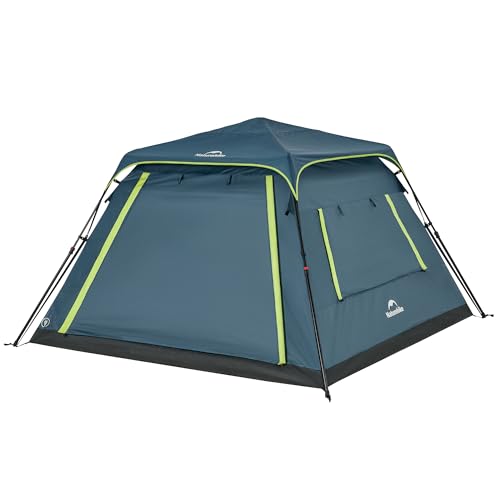
Naturehike Cape Lite 4-6 Person Cabin
The Picks, Examined More Closely
Car campers who want to pull into a site and have shelter standing before the cooler hits the table will appreciate how the Naturehike Village Instant Tent thinks about setup. The pre-attached pole system unfolds in roughly a minute, and the cabin-style walls give you genuine standing room. It’s a clear step up from the dome-style shelters that dominate beginner kits, trading a tighter footprint for livable interior space.
Where this tent really earns its keep is in mixed weather. The Ti Black fabric (a black-coated polyester with UPF 12500+ sun protection) is paired with a full-coverage rainfly rated at PU 2000mm, a waterproofing standard that translates to handling heavy downpours without seepage. For parents juggling kids, dogs, and gear, that combination removes a lot of anxiety from a long weekend.
What Stands Out
- Cabin architecture with full standing height, no more crouching while changing
- Pre-attached pole system gets the shelter pitched in about 60 seconds for tired travelers
- Full rainfly plus 150D Ti Black fabric handles sun and rain without flinching
- Available in 4 and 8 person versions, useful for couples and full families alike
Points To Note
- Cabin shape catches wind from the broad side, so you’ll want to orient it with care on exposed sites
- Heavier packed weight than the tube-style emergency pick below, less ideal for long hauls
Key Product Details
Right Fit For
Families and small groups who car camp, value setup speed, and want standing-height comfort for multi-day stays.
Consider Something Else When
Solo travelers or bug-out preppers should look at the Dragoon Unlimited Ridgeback, which is lighter and built for one person plus gear.
The Woanger tube shelter looks nothing like the cabin tents above, and that is the point. Sold in bundles of 4, 10, or 20 units, these 8-foot by 3-foot polyester film tubes are purpose-built for emergency response, community outreach programs, and anyone staging go-bags for a group. Pop one out of the wrapper, string it between two trees, and you have an instant lean-to in under a minute.
For preppers, churches, or volunteer organizations building shelter caches, the math is simple. A single bulk pack gives you multiple redundancies at a low per-unit cost, and the compressed pack size fits in a glovebox or trunk. It is worth flagging that this is a thermal emergency shelter, not a four-season camping tent, so expectations should sit accordingly.
The Upside
- Bulk pack options let you stage shelters for an entire group at once
- Tiny packed footprint slips into vehicle kits, MOLLE pouches, or 72-hour bags
- Polyester film construction reflects body heat, useful in mild cold snaps
- No assembly, just string it up or stake the corners
Honest Caveats
- Thin film material is not designed for repeated rough use, plan to cycle stock
- Tube shape limits headroom and movement, fine for sleeping, tight for sitting
Made For
Preppers, outreach volunteers, and group leaders building emergency shelter caches for cold-weather or rain scenarios.
Skip It When
Anyone planning a real camping trip should reach for the Naturehike Cape instead, which offers cabin comfort and proper rain protection.
The Naturehike Cape takes the same pre-attached-pole idea from the Village tent and stretches it into a larger footprint. Available in 4, 6, or 8 person sizes, the tunnel-style design gives you substantial living space and a peak height that lets most adults stand upright near the center. Setup is roughly 60 seconds end to end.
Compared to the Village’s cabin walls, the Cape trades a touch of structural rigidity for a longer floor plan that handles cots and gear more naturally. The 190T polyester with waterproof coating holds up well in steady rain, though heavy wind calls for careful staking. For weekend warriors, this is the sweet spot between the bulk of an expedition shelter and the speed of a pop-up.
Practical Pluses
- Tunnel layout sleeps multiple campers without the cramped gear-corner problem
- Pop-up pole system trims setup time dramatically for late arrivals
- Center peak height accommodates standing adults, useful in foul weather
- Available sizes let you match capacity to your usual group
Small Caveats
- Tunnel shape relies on taut guy lines, so windward staking matters more than cabin styles
- Storage bag tends to run tight, owners commonly report a wrestled repack rather than a clean fold
Feature Snapshot
Whose Shelf It Belongs On
Weekend campers and small families who pitch late and want a real living space waiting when they step out of the car.
Look Elsewhere When
Hardcore four-season expeditions are better served by the Naturehike KOTA, with its double-layer construction and vestibule room.
The Ridgeback looks and feels like a piece of field gear, because that is what it is. Marketed as a survival shelter and bugout bivy, the tent gives a single occupant 42 inches of headroom and 90 inches of legroom, which is generous for a one-person design. At 5.5 pounds including Y-style stakes, the pack weight is reasonable for backcountry travel.
Where this tent stands apart from typical bivy sacks is livability. You can sit up, change clothes, and stash a pack inside without contortion. The downside is that “one-person plus gear” framing really means one person, so anyone hoping to share a shelter in a pinch will need to manage expectations. It’s a focused tool, not a compromise.
Benefits That Matter
- 42-inch headroom lets you sit upright for cooking, reading, or dressing
- 5.5-pound packed weight fits long-distance backpacking plans
- Y-style stakes included, no last-minute hardware store run
- Designed from user input, refined for real survival scenarios
Where It Is Less Suited
- Truly a one-person shelter, so couples or partners will feel the squeeze fast
Best Suited To
Solo backpackers, hunters, and preppers who need a backcountry-capable shelter they can sit inside without folding themselves in half.
Another Choice May Suit
Group-oriented campers should consider the Woanger tube pack, which stages shelters for multiple people at a much lower per-unit cost.
The KOTA sits at the heavier, more capable end of the Naturehike lineup, and it shows. Built as a true 4-season shelter with a 75D 210T polyester shell (waterproof 3000mm+), the tent uses a two-layer design: an inner mesh tent for warm nights, and a separate rainfly that can be deployed alone as a canopy or sun shelter. That modularity is rare at this tier.
Where the Village and Cape focus on speed, the KOTA focuses on versatility. The vestibules and porch add a transitional space for muddy boots, wet packs, or a camp chair setup. For families planning shoulder-season trips or anyone camping at elevation, the trade-off in setup complexity buys real weather margin.
Where It Helps
- Double-layer construction means you can strip the rainfly for stargazing on clear nights
- Vestibule and porch add dry storage for boots, packs, and cooking gear
- 75D fabric with 3000mm waterproofing handles sustained rain and snow
- Modular design covers warm, mild, and cold conditions without buying a second shelter
Trade-Offs
- Heavier and bulkier than the single-layer Cape, so it asks for real cargo space
- Setup takes longer than instant-style competitors, more poles to manage
Quick Facts
Who Will Love This
Families and extended-trip campers who need one shelter to handle summer festivals, fall hunting trips, and shoulder-season storms without swapping gear.
Reach For A Different Pick When
Quick-pitch weekend warriors get more value from the Naturehike Cape Lite, which trades modularity for faster setup.
The Cape Lite trims the Cape formula into a smaller, lighter package aimed at small families and first-time campers. With a 101.5 by 101.5 inch floor and a 62.2 inch peak height, the cabin comfortably fits a queen mattress plus a kid’s pad or dog bed. The pre-attached pole system keeps setup in the same one-minute range as its larger siblings.
This is the entry point that doesn’t feel like an entry point. Compared to the larger Cape, you give up the long-tunnel layout, but you keep the instant setup and cabin-style walls that make the first night easier on everyone. For short weekend trips with a partner or two kids, the size is right in the sweet spot.
What Helps Most
- Queen-mattress floor plan, no awkward sizing math for couples
- One-minute setup shortens the learning curve for first-time campers
- Lighter pack weight than the full-size Cape, easier on smaller vehicles
- Standing-height walls remove the crouch factor for adults and teens
Things To Weigh Up
- Cabin walls catch crosswinds, so site selection matters on breezy weekends
- Less interior storage than the larger KOTA or 8-person options
Who Should Grab It
First-time campers, couples, and small families who want a friendly cabin-style shelter without hauling expedition-weight gear.
Where Another Pick Suits Better
Anyone outfitting a community emergency cache should pivot to the Woanger tube pack, which stages many shelters for the same kind of investment.
What To Weigh Before Choosing Army Surplus Tents
Capacity And Sleep Configuration
Capacity numbers from manufacturers are generous, so plan for one person less than the listed size if you want elbow room. A 4-person cabin shelters two adults and a dog comfortably, while an 8-person layout makes sense for two adults plus three kids and their gear. Match the tent to your typical group, not your largest possible one.
Fabric Weight And Waterproofing
Denier ratings (a measure of fiber thickness) and waterproof coatings go hand in hand. A 75D 210T polyester with 3000mm waterproofing handles sustained rain, while thinner 150D or 190T weaves favor packability over raw weather tolerance. For shoulder-season trips or stormy climates, the heavier fabric earns its weight.
Setup Style And Repeat Use
Instant tents with pre-attached poles pitch in about a minute, great for late arrivals or tired kids. Double-layer shelters take longer but offer modularity you can lean on across seasons. The right call depends on how often you actually set up camp in the dark, which is the only honest test of speed.
Portability And Storage
Cabin-style tents pack larger and heavier than tube shelters or bivy-style designs. If you have a compact car or limited garage space, the bulk factor matters as much as the comfort factor. Bulk emergency shelters trade longevity for a packed footprint that fits anywhere.
Key Considerations Across These Picks
Where Shoppers Go Wrong
Many shoppers default to the largest capacity they can afford, only to find themselves hauling dead space on most trips. Pick the shelter that matches your most common group, not your biggest gathering. Another common mistake is underweighting fabric specs in favor of price, which shows up the first real storm you camp through.
Where The Extra Money Goes
Stepping up to a double-layer or heavier-denier tent buys real weather margin, modular setup options, and longer service life. The premium tier is worth it for shoulder-season trips, elevated terrain, or families that camp hard. For fair-weather weekend use, the budget and mid-tier picks cover the same basic function without the extra weight in your trunk.
Frequently Asked Questions
What Is A Denier Rating In Tent Fabric?
Denier (D) measures the thickness of individual fibers in the fabric, so a higher number means a tougher, more abrasion-resistant weave. For family camping in mild weather, 150D-190D is plenty, while rougher conditions benefit from 75D 210T or heavier.
How Does Waterproof Rating Work?
The millimeter rating (PU 2000mm, 3000mm, etc.) indicates the water pressure the coating can withstand before leaking. A 2000mm rating handles heavy rain, while 3000mm+ is closer to storm-grade and safer for sustained wet weather.
Are Instant Tents Reliable Long Term?
Pre-attached pole systems have improved, and modern instant tents hold up well for casual family use. The hinge and shock-cord components are the usual wear points, so storing the tent dry and avoiding over-tensioning extends its life.
Can One Tent Handle Both Camping And Emergencies?
It depends on the design. Modular double-layer shelters like the KOTA can pull double duty as a sun canopy or rain shelter. Thin tube shelters are emergency-only and won’t hold up to repeated recreational use.
How Many People Fit In A 4-Person Tent?
A 4-person cabin is comfortable for two adults plus a child or pet. Sleeping pads, gear, and changing room all take up real space, so most families find the listed capacity optimistic for anything beyond sleeping.
Wrap Up
A good tent earns its keep across years of trips, weather surprises, and family growth. The six picks above cover the most common combinations: spacious cabins for car camping, fast-pitch shelters for weekend warriors, modular builds for long seasons, focused solo shelters, and bulk emergency caches. Match the design to your typical conditions, and the shelter will quietly do its job for a long time.